
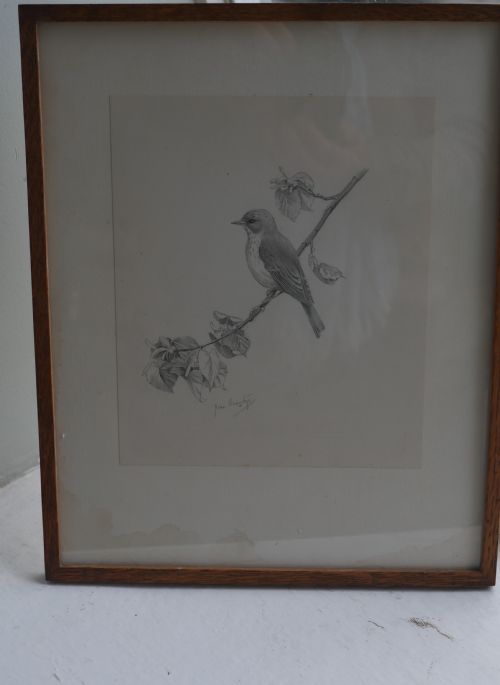


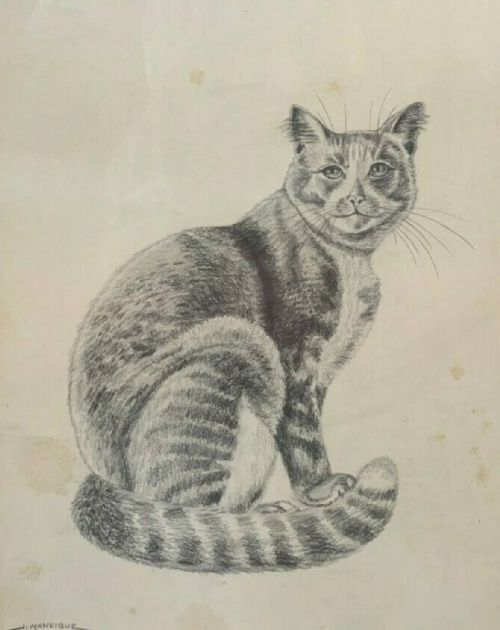


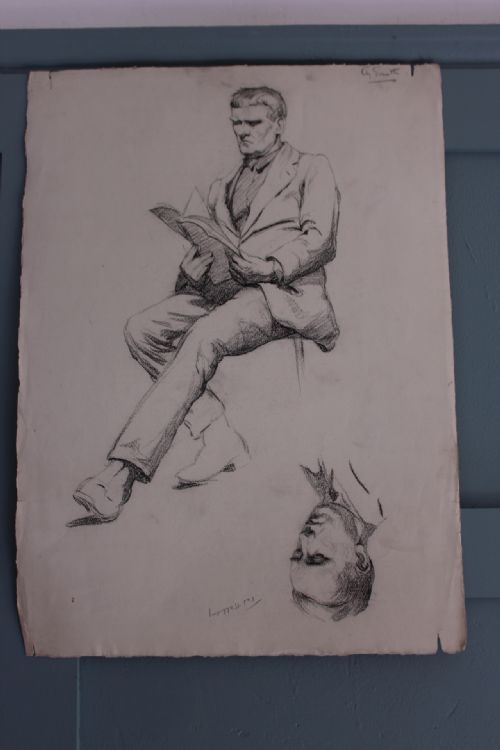
Original Graphite Artwork
Original graphite artwork brings direct hand-drawn draftsmanship into focus through monochrome studies spanning centuries.
Original Graphite Artwork
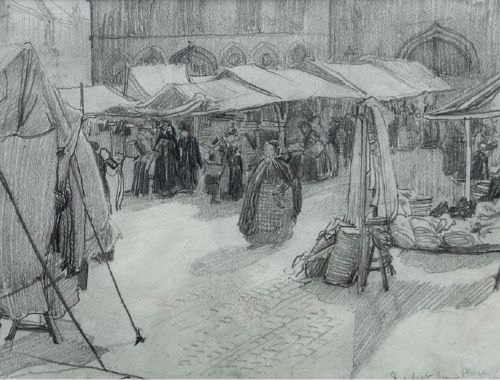
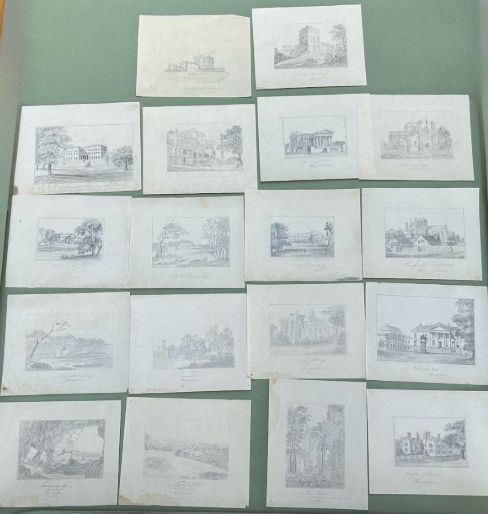
When buyers search for original graphite artwork, they encounter hand-rendered pieces on paper ranging from 18th-century sketches to mid-century modernist compositions. These works appear in forms such as portraits, landscapes, architectural studies, and figure drawings.
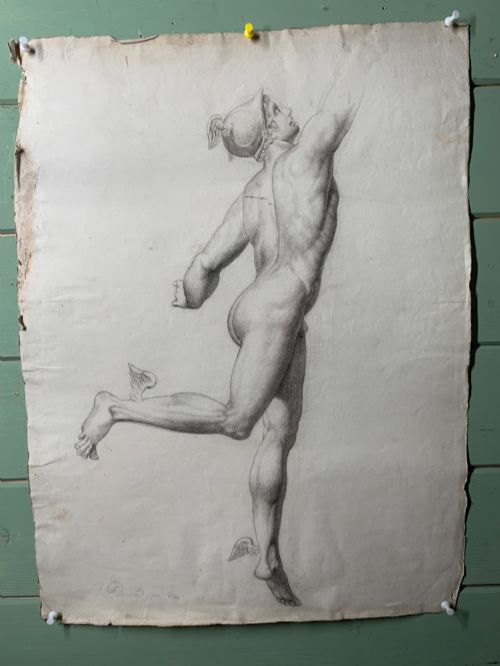
The selections on this page are most commonly represented by 19th-century portraits, early 20th-century landscape sketches, and academic figure studies. These pieces capture intimate preparatory steps or finished monochrome statements created directly by artists.
The origins span British, French, and international hands, moving through Georgian, Victorian, and mid-century movements. Each drawing records the immediate touch of pencil, charcoal, or chalk on paper without the mediation of print technology.
Materials and Technique
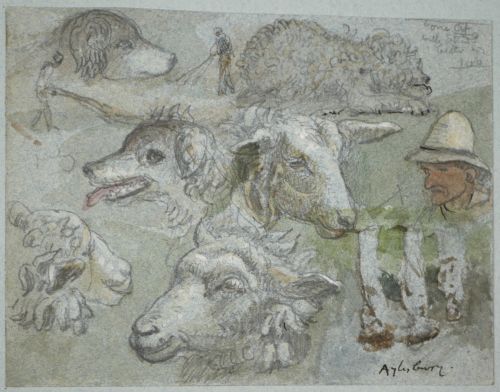
The primary medium relies on graphite, pencil, and chalk applied directly to various grades of paper, often supported by secondary mediums like ink or watercolour washes. Artists used these dry materials to build tone, line, and shadow with varied pressure.
Framed presentation and conservation mounting protect these delicate paper surfaces from light and handling damage. Many examples preserve artist stamps, signatures, or contemporary annotations alongside the primary graphic image.
Materials recorded across the inventory include paper, graphite, glass, wood, pencil, charcoal, watercolour, and ink.
Factors That Determine Quality
Quality rests upon the sureness of the draftsmanship, where confident line work and nuanced tonal graduation separate master studies from casual sketches. The expressive strength of a portrait or the structural clarity of a landscape reveals the hand of a trained artist.
Condition of the paper surface, minimal foxing, and the preservation of crisp graphite marks without excessive smudging define the better preserved examples. Attributable provenance and identified subjects add historical weight to the visual achievement.
James Smetham·Augustus John·Sir Francis Leggatt Chantrey·Fred Lawson·Mariette Lydis·Faeq Hassan·Dame Laura Knight·Henri Josephe Hesse·Sir Nathaniel Dance-Holland·Henry Edridge·Juliet Pannett
The Original Graphite Artwork Glossary
- Graphite
- A naturally occurring allotrope of carbon used in pencils to produce grey to black marks on paper. It forms the primary marking substance in these historical drawings.
- Academic Realism
- A style of painting and drawing produced under the influence of European academies of art. It emphasises precise anatomical accuracy and classical proportions.
- Grisaille
- A painting or drawing executed entirely in shades of grey or neutral monochrome. It often serves as a preparatory underpainting or a finished tonal study.
- Provenance
- The chronology of the ownership, custody, or location of a historical artwork. It establishes authenticity and traces the history of the piece.
Original Graphite Artwork: Frequently Asked Questions
How should I frame original graphite artwork?
Framing requires acid-free mount board and UV-protective glass to prevent the paper from yellowing and the graphite from fading over time. Keeping the drawing spaced away from direct contact with the glass ensures humidity does not cause the paper to adhere.
Professional framing preserves the delicate nature of historical paper while allowing the fine pencil lines and tonal shading to remain clearly visible for display.
Are these drawings preparatory studies or finished works?
The inventory includes both rapid preliminary sketches made for larger paintings and highly detailed, finished portrait or landscape compositions. Artists often utilised graphite to capture immediate observations before executing oil or watercolour pieces.
Examining the depth of shading and presence of a signature often helps distinguish a deliberate finished study from a quick compositional draft.
How do I identify the period of a pencil drawing?
Dating relies on the paper watermark, framing style, costume details in portraits, and the characteristic handling of line associated with specific art movements. Georgian and Victorian works often feature distinct handwriting on the reverse alongside period framing materials.
Comparing the stylistic approach, such as academic realism versus mid-century modernism, narrows down the decade in which the artist worked.
What is the best way to light graphite drawings at home?
Graphite drawings require low-intensity, indirect lighting to prevent the reflective quality of the lead from obscuring the image. Incandescent or warm LED bulbs placed away from the direct line of sight work best.
Avoiding direct sunlight is essential because prolonged exposure fades both the paper support and the fine carbon lines of the drawing.