
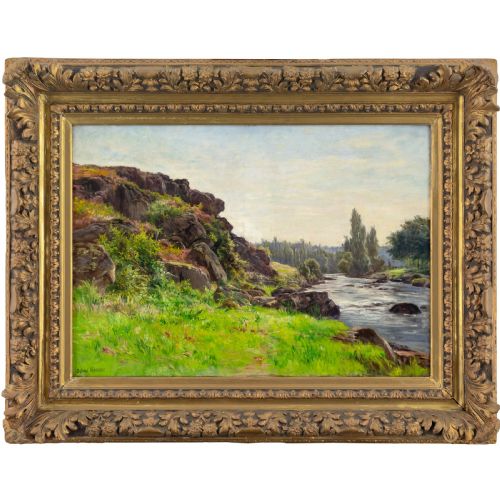
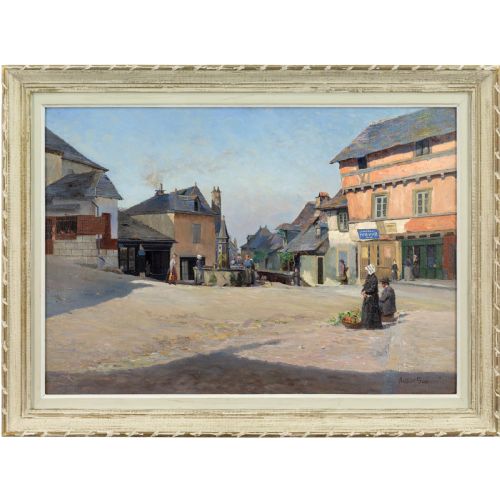
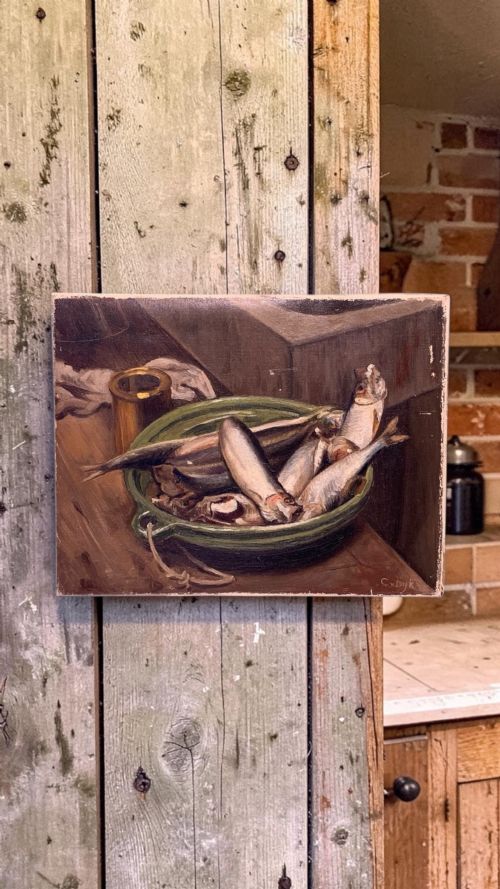
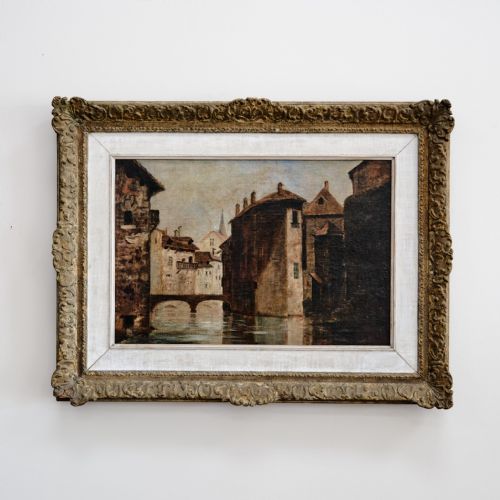
Original French Oil Artwork
An original french oil artwork brings centuries of European painterly tradition directly to the wall, offering rich textures and distinct regional character.
Original French Oil Artwork
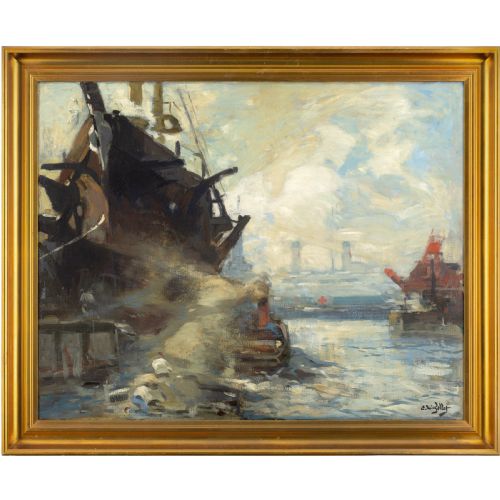
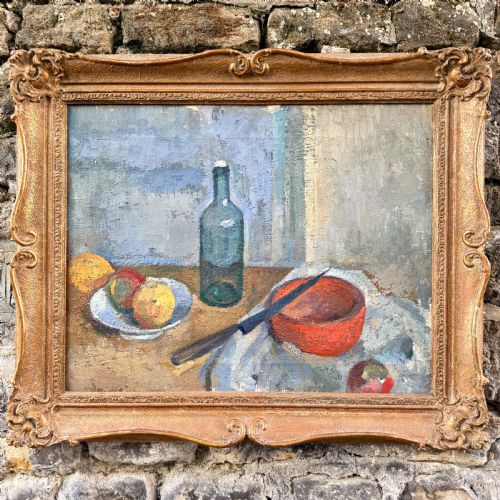
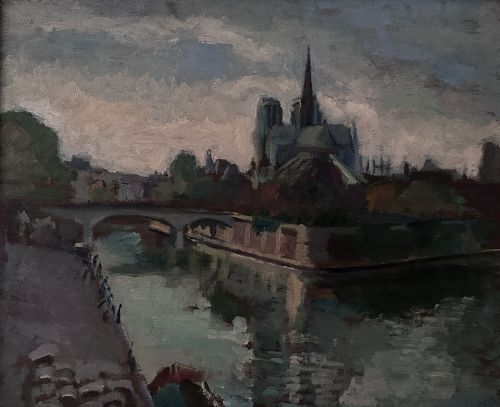
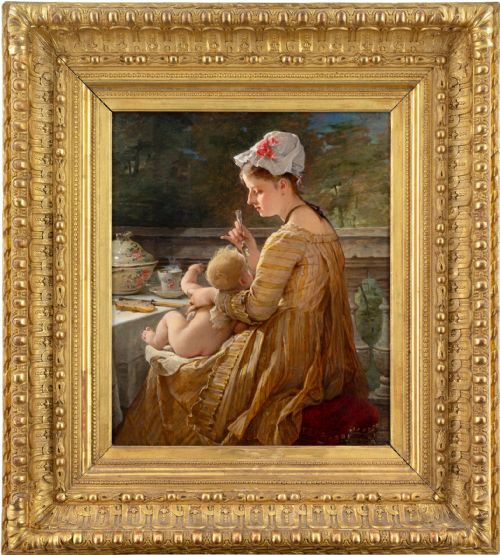
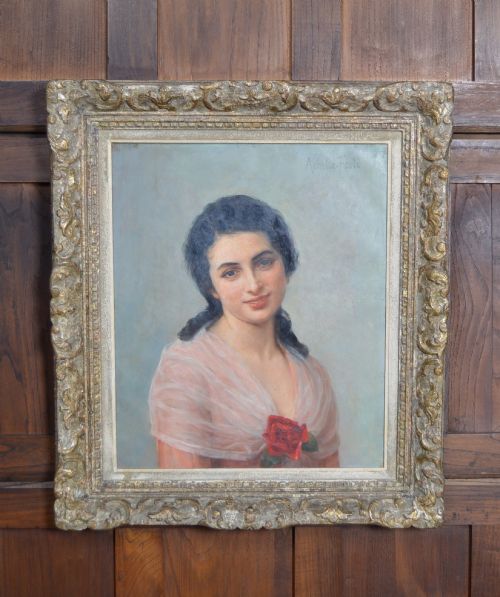
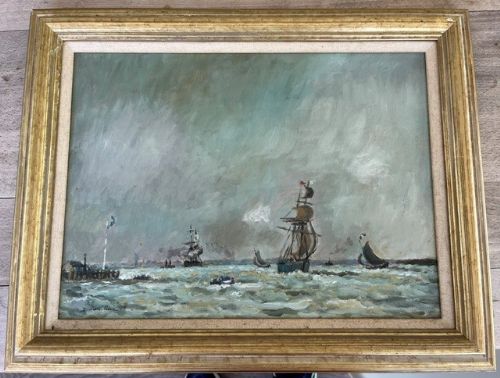
Original french oil artwork spans centuries of canvas and panel painting, capturing landscapes, portraits, and maritime scenes.
Buyers encounter everything from formal nineteenth-century academic and Barbizon School compositions to mid-century impressionist coastal views.
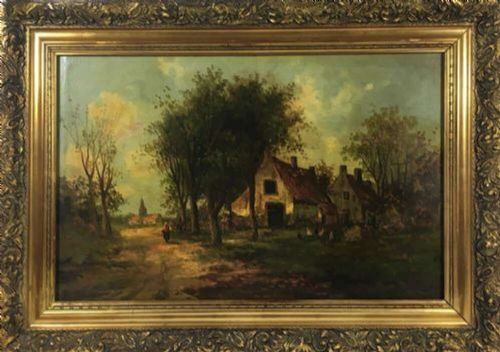
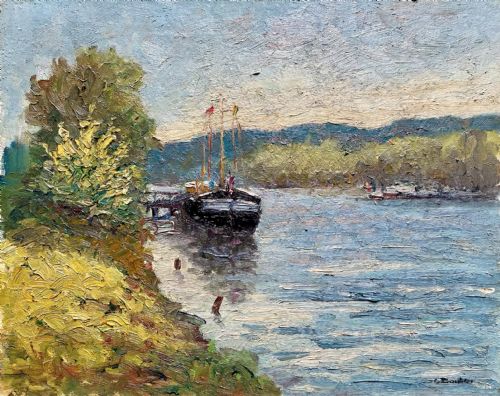
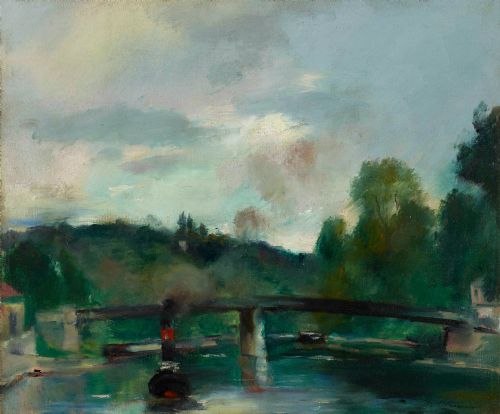
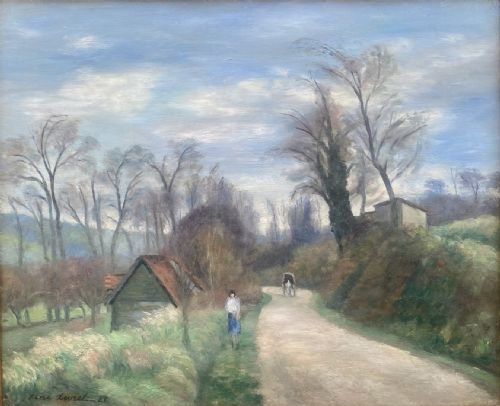
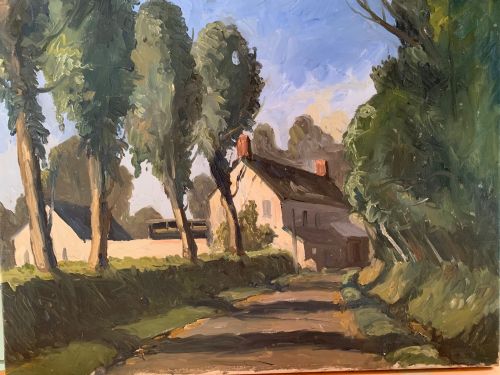
Works on this page range from intimate village streetscapes to expansive river vistas produced across various French provinces.
How they were made
Makers applied oil paint to woven canvas or rigid wood panels, building up colour through layered brushwork and impasto.
Many historical pieces retain their original gilt wood framing, which complements the pigmented surfaces and protects the edges.
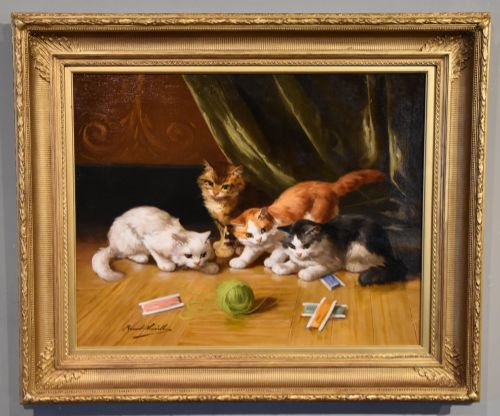
Feline subjects occasionally sneak into the academic studio, as demonstrated by kittens at play.
What varies in quality
Execution and brushwork control separate routine decorative canvases from works with confident draftsmanship and atmospheric depth.
The preservation of the original paint layer, stability of the support, and historical context of the signature or school dictate the standing of a piece.
Eugène-Louis Gillot·Adelaïde Salles-Wagner·Alfred Arthur Brunel de Neuville·Benjamin Eugene Fichel·Jean-Baptiste Olive
The Original French Oil Artwork Glossary
- Impasto
- Paint applied thickly to a canvas, standing out in relief so that the marks of the brush or palette knife remain visible.
- Barbizon School
- A mid-nineteenth-century French art movement towards realism in landscape painting, inspired by the village near the Fontainebleau Forest.
- Chiaroscuro
- An effect of contrasted light and shadow created by light falling sharply across the subjects within a composition.
- Post-Impressionism
- A predominantly French art movement that developed from about eighteen-eighty, extending impressionism while rejecting its limitations.
Original French Oil Artwork: Frequently Asked Questions
How do I care for an oil painting?
Keep paintings away from direct sunlight and dramatic fluctuations in temperature or humidity to protect the canvas and pigments.
Dust the surface gently with a soft, dry brush rather than using water or chemical cleaners.
Are these works signed by the artists?
Many pieces in the collection feature signatures or attribution to known academic, impressionist, or regional painters.
Some works remain unsigned or attributed to broader schools of French painting from the period.
What is the difference between canvas and panel?
Canvas provides a flexible woven textile support that often requires stretching over a wooden frame.
Panel refers to a rigid wooden board that holds the oil paint firmly without the give associated with fabric.
How can I tell the period of a painting?
Stylistic clues such as brushwork techniques, subject matter, and clothing styles in portraits help date the artwork.
Framing materials and the physical condition of the backing or support also offer historical indicators.