
Original Figurative Wall Art
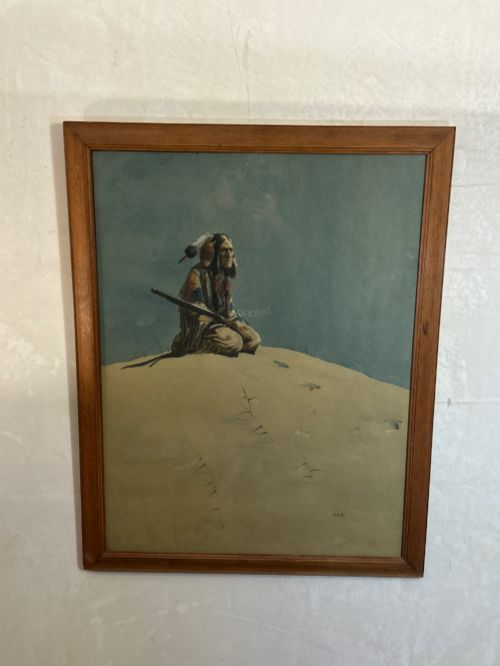
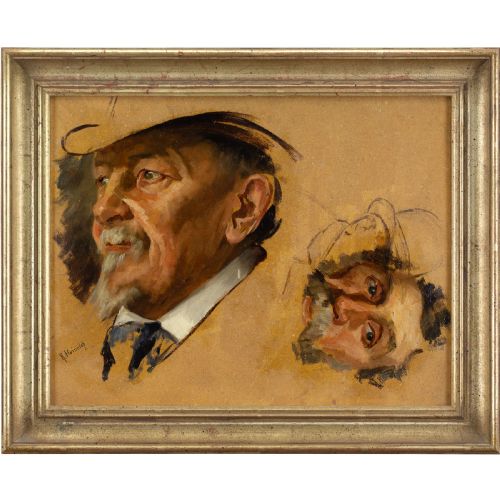
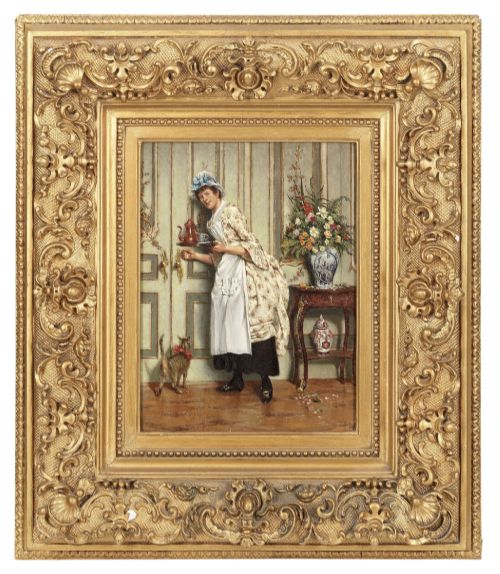
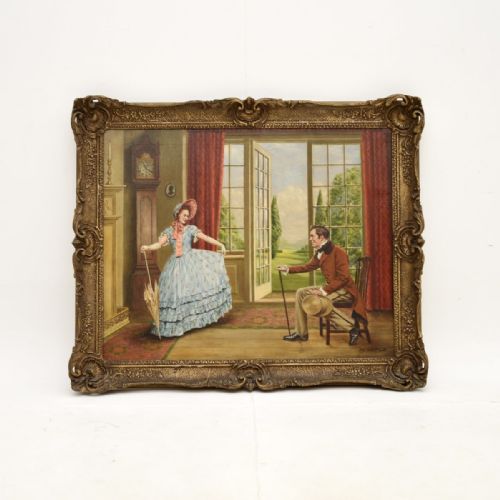
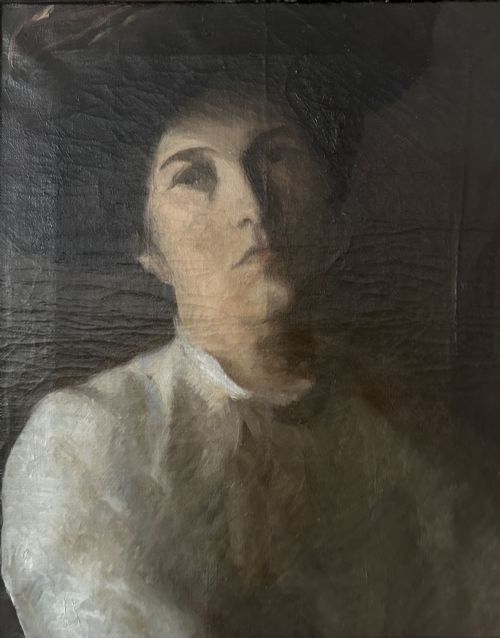
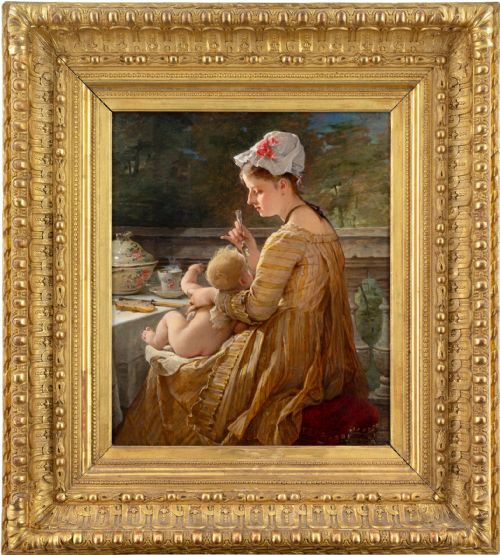
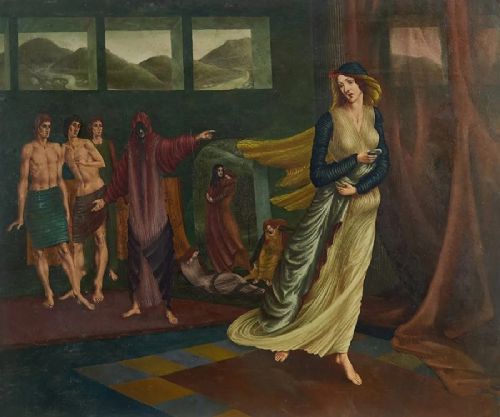
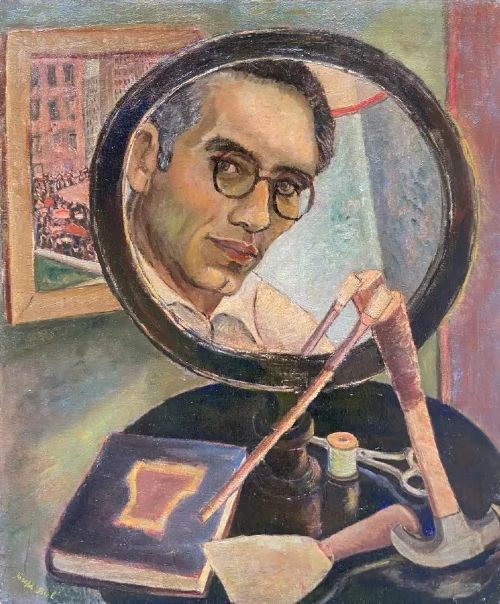
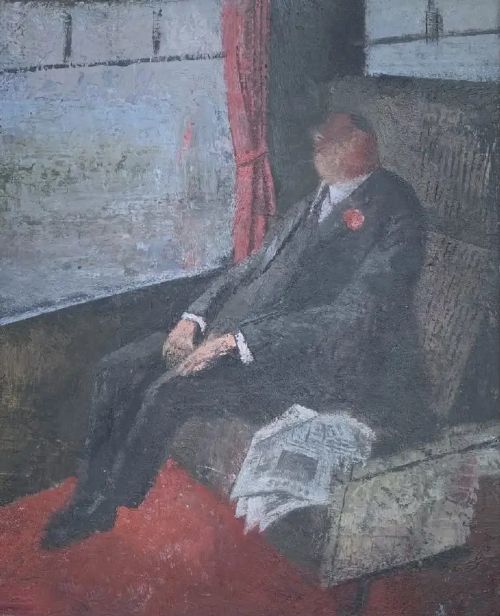
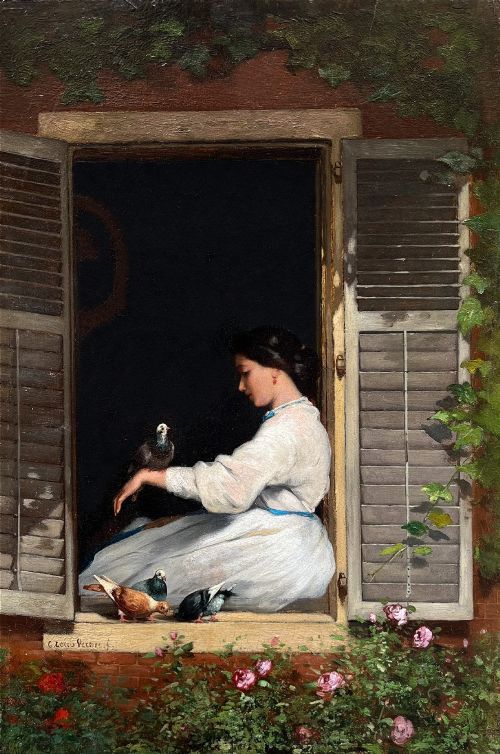
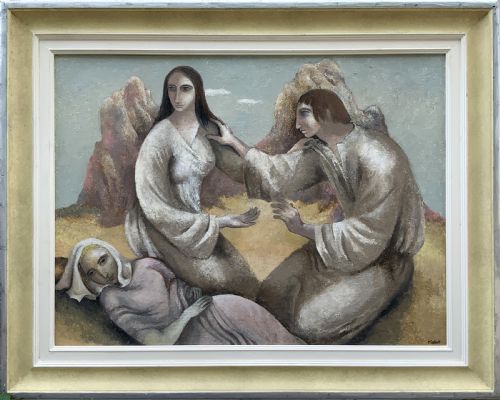
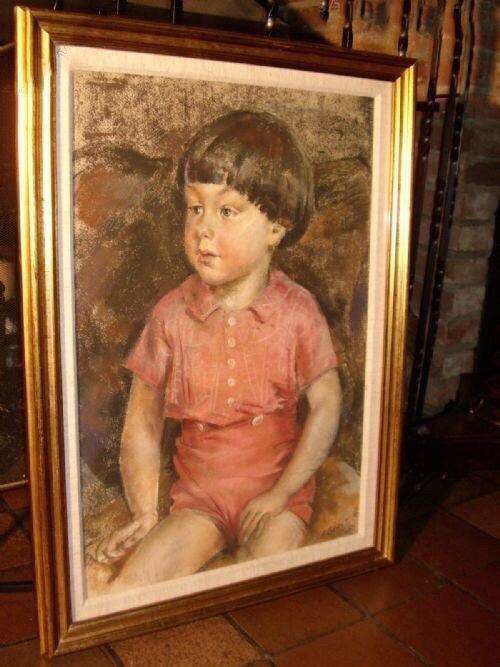
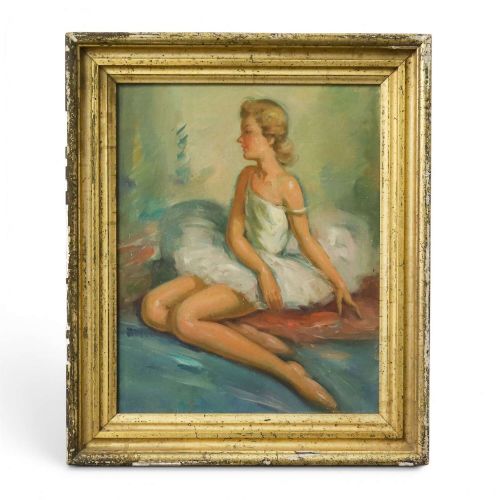
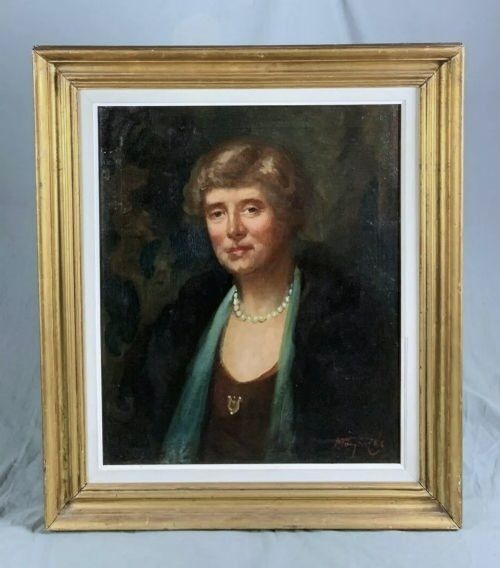
Original figurative wall art encompasses painted portraits and scene studies carrying human and animal subjects across canvas and paper.
Original Figurative Wall Art
Original figurative wall art brings together painted human and animal subjects, spanning portraiture, interior scenes and narrative compositions. When you search for original figurative wall art, you encounter works executed in oil, pastel, gouache and watercolour across the nineteenth and twentieth centuries.
The selection ranges from Victorian and Edwardian academic studies to Mid-Century Modernist and realist interpretations. Most pieces on this page are oil paintings on canvas or board, framed in wood or giltwood, reflecting the predominant mediums of their respective periods.
Materials and Techniques
Artists painted primarily with oil paint on stretched canvas, wooden board or paper, utilising brushes and palette knives to build texture and impasto. Supporting structures include wooden stretcher frames and decorative surrounds finished in giltwood.
Works on paper employ mediums such as watercolour, pastel and gouache, often protected beneath glass. Signatures, dates and inscriptions are frequently found directly on the painted surface or inscribed on the reverse.
Listings span the nineteenth and twentieth centuries, featuring canvases, wood panels and works on paper.
Evaluating Quality
Quality rests in the handling of brushwork, anatomical proportion and the psychological depth of the subject. Masterful tonal control and confident mark-making distinguish accomplished academic and modernist works from standard decorative pieces.
The integrity of the original paint layer and the compatibility of the frame influence the overall standard. Works displaying robust pigment retention and minimal historic restoration hold greater artistic merit.
John Hassall·Stephen Samuel Lewin·Adelaïde Salles-Wagner·Joseph Biel·James Stroudley·Louis Charles Verwee·Henry Windsor Fry·Christine Nesbit·Charles James McCall·Renato Moretti·William Watt Milne·Ronald Ossory Dunlop·Thomas Kent Pelham·Charles Edward Wilson·Raymond Moritz·Frans Gailliard·Attilio Toro·Gabriel Dauchot·Gertrude Halsband·Septimus Scott·John Sanderson Wells·Marc Chagall·Baruch Shalom Oskotsky·Philip Naviasky·Kershaw Schofield
The Original Figurative Wall Art Glossary
- Impasto
- Paint applied thickly to a canvas or board, leaving prominent brush or knife marks that stand out from the surface. This technique adds tactile depth and catches light across the composition.
- Triptych
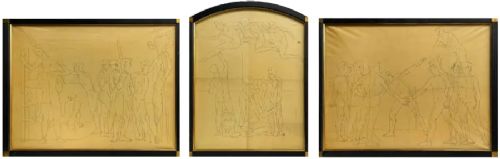
- A work of art divided into three sections or panels hinged or displayed together. Each panel contributes to a unified narrative or thematic sequence.
- Giltwood
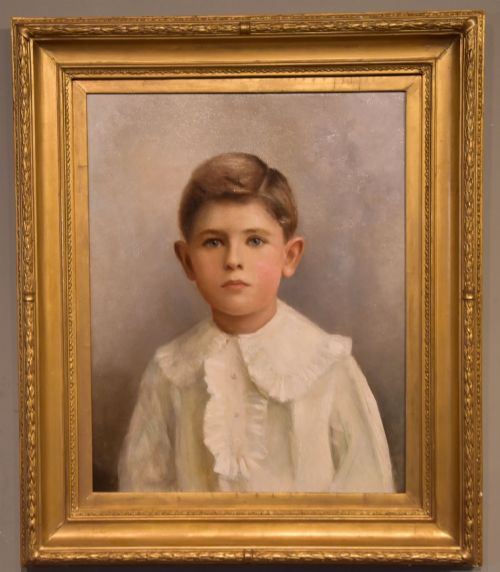
- Wood that has been coated with a thin layer of gold leaf or gilt paint. It is commonly found on traditional frames surrounding oil paintings.
- Luminism
- An American and European painting style focusing on the effects of light across landscapes and figures. It emphasises quiet atmospheres and detailed tonal gradations.
- Academic Realism
- A style of painting produced under the influence of European academies of art. It prioritises precise anatomical accuracy, polished surfaces and classical composition.
Original Figurative Wall Art: Frequently Asked Questions
What is figurative wall art?
Figurative wall art depicts recognizable human or animal forms rather than purely abstract shapes. It includes portraits, interior scenes, narrative compositions and landscape studies featuring people.
These pieces capture likenesses and moments in time, ranging from formal nineteenth-century portraiture to mid-century modernist interpretations.
How should I hang an oil painting?
Oil paintings on canvas require stable wall fixings suited to the combined weight of the stretcher and the frame. Hang them away from direct sunlight and excessive humidity to protect the paint and canvas.
Ensure the hanging height positions the centre of the artwork at eye level for comfortable viewing.
How do I identify the age of a painting?
Dating a painting involves examining the materials, including the type of canvas, stretcher construction and composition of the frame. Pigment analysis and artist signatures or dates inscribed on the reverse also provide chronological markers.
Stylistic conventions and clothing depicted in portraits offer further clues to the decade of creation.
What is the difference between oil and watercolour?
Oil paint uses pigments suspended in a drying oil, allowing for thick application, blending and reworking over an extended period. Watercolour uses water-soluble pigments applied in transparent washes onto paper.
Oil paintings are typically displayed without glass, whereas works on paper require glass protection.