
Original Figurative Oil Painting
An original figurative oil painting brings human presence into a room through the enduring weight of pigment and canvas.
Original Figurative Oil Painting
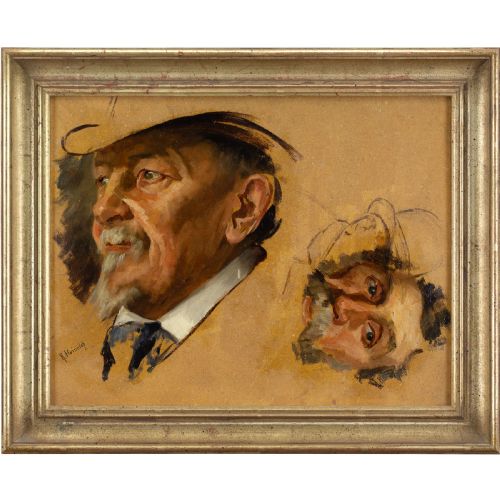
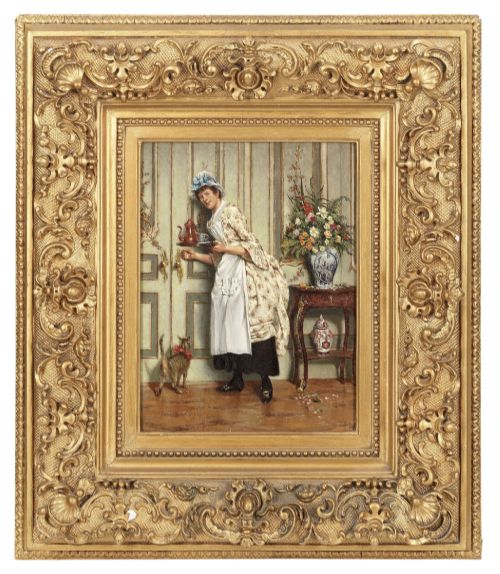
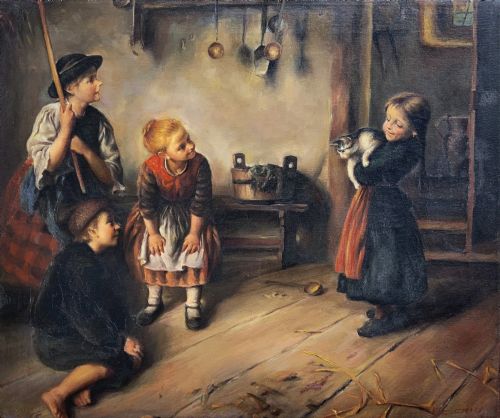
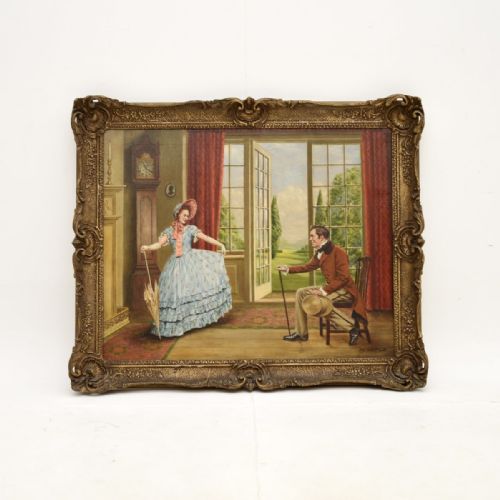
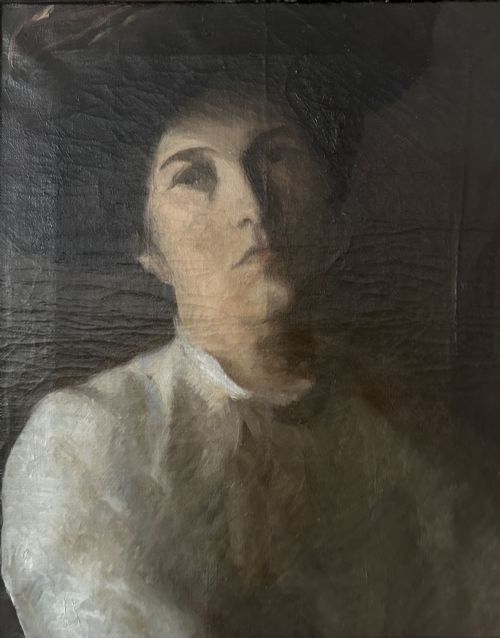
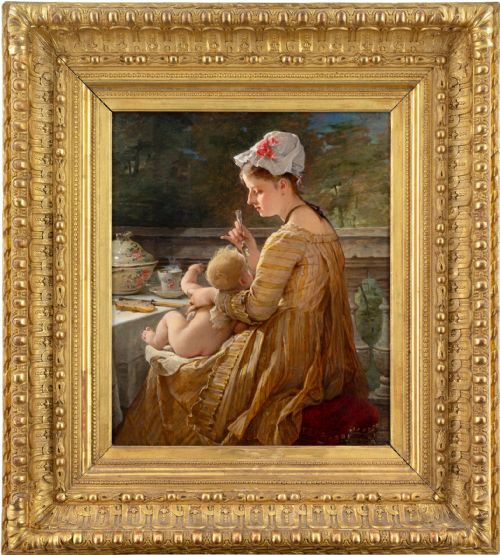
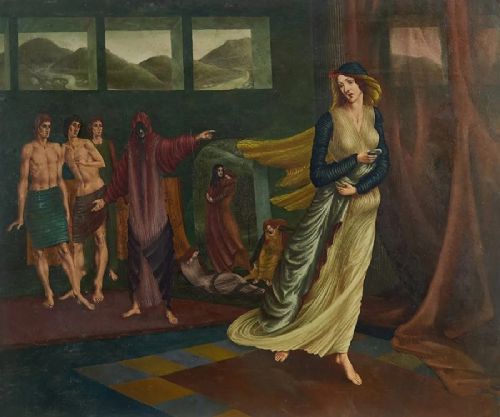
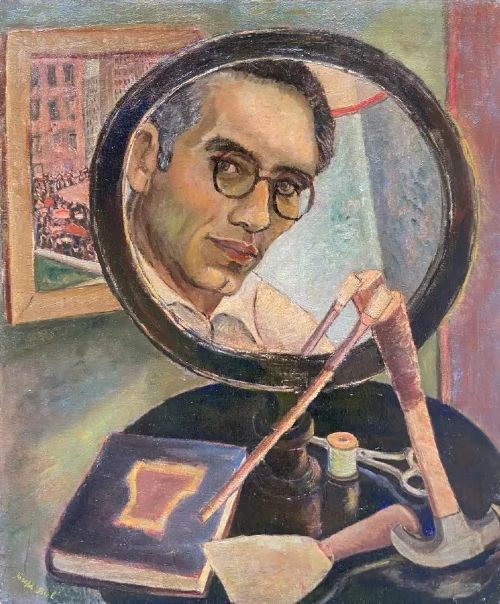
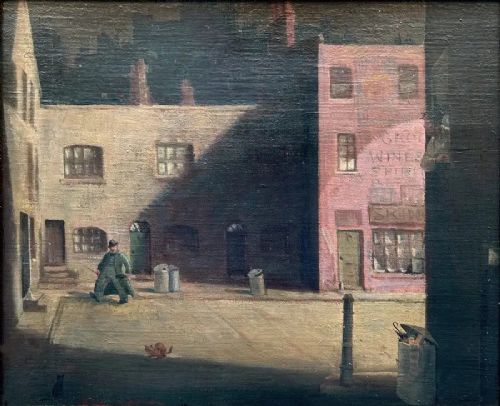
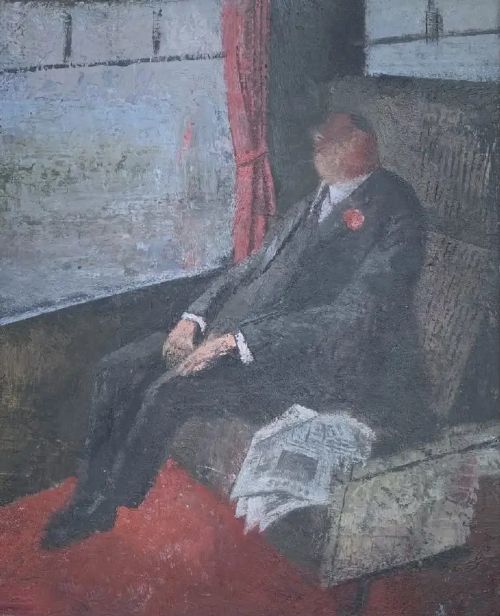
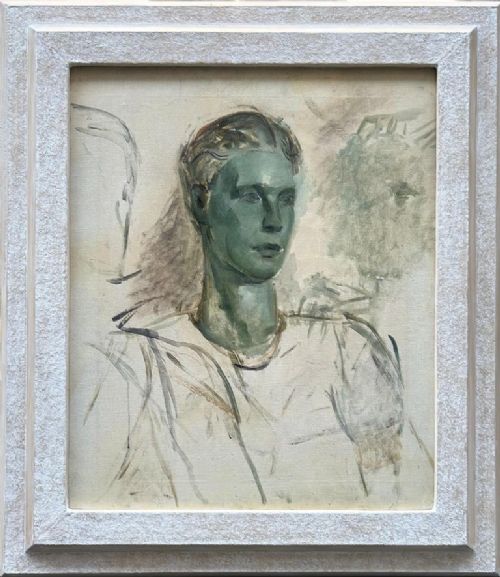
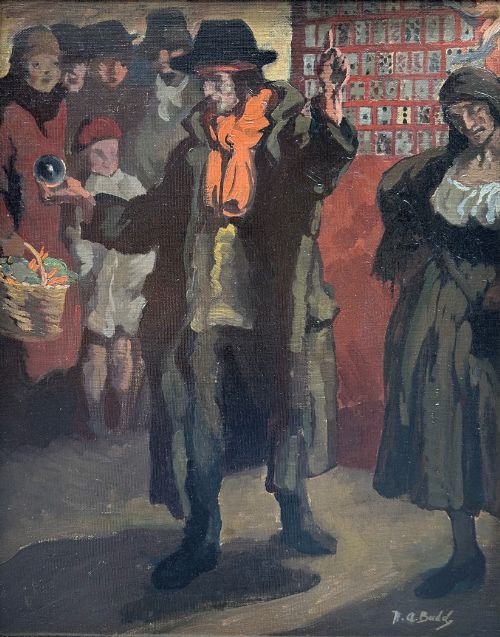
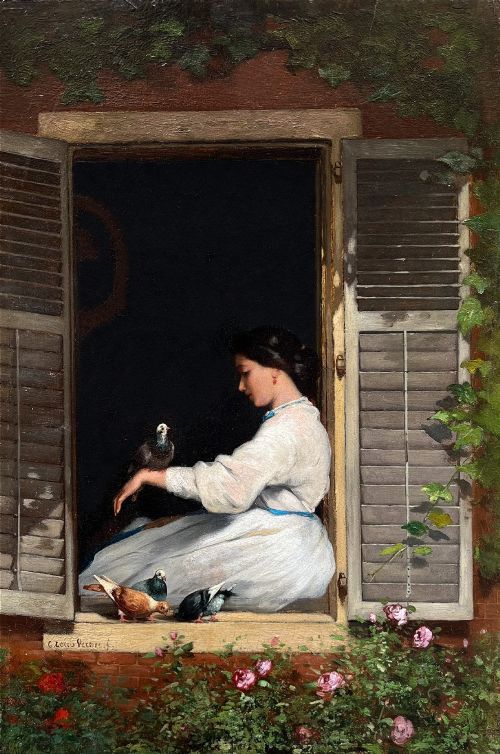
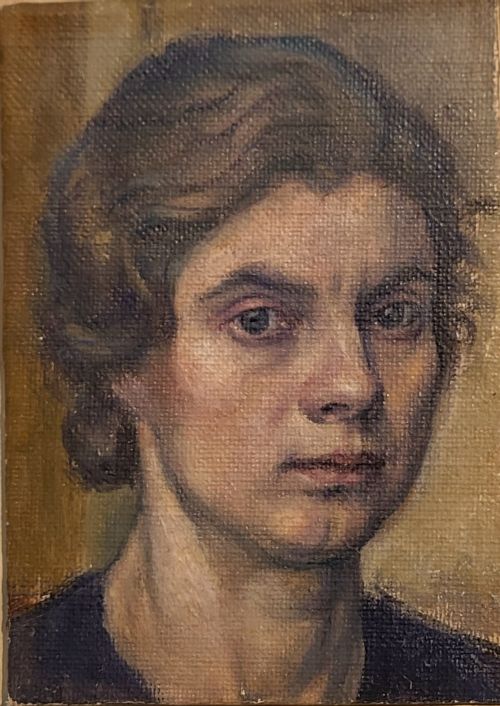
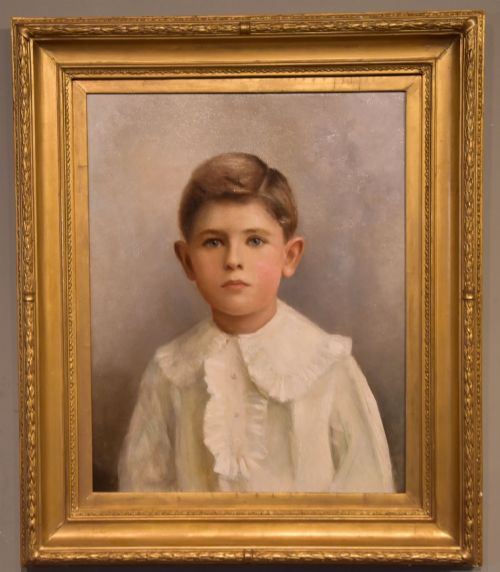
When you search for an original figurative oil painting, you encounter works spanning from the late nineteenth century through to the mid-twentieth century, encompassing portraits, domestic interiors, and narrative genre scenes. These works range from academic studies and Victorian character pieces to Post-Impressionist compositions and Modern British characterisations.
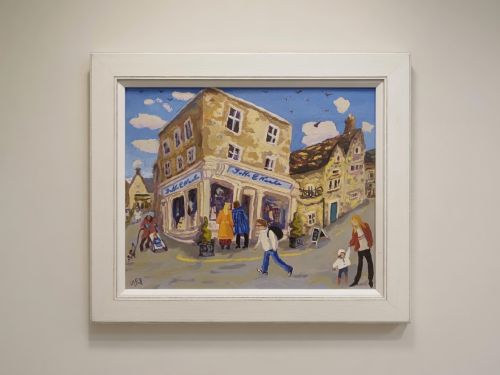
The pieces on this page are most frequently executed on canvas or board, framed in wood, giltwood, or gesso, and recorded by named artists of British, French, Italian, and Belgian origin. They capture subjects from intimate self-portraits and garden gatherings to figures at leisure and children in pastoral settings.
How they were made
The physical foundation of these works relies predominantly on oil paint applied to stretched canvas or wooden board, occasionally incorporating impasto for textural relief. Pigments are handled with varying brushwork, from the tight realism of the nineteenth-century academic tradition to the looser application seen in later Impressionist and Expressionist pieces.
Framing is an integral component of the construction, utilising carved wood, moulded gesso, and gilt finishes that match the period of the painting. These frames provide structural support and contextual framing for the panels and canvases within.
The listings on this site encompass works from the 1870s through to the 1960s, executed in oil on canvas or board.
What varies in quality
The distinction between works rests on the surety of the draughtsmanship, the handling of light and shadow, and the psychological depth of the human subject. A stronger piece demonstrates anatomical conviction and deliberate spatial harmony, whereas a weaker one relies on formulaic poses and flat application.
The integrity of the surface materials, the preservation of the original pigment layers, and the authenticity of the accompanying period frame further differentiate the tier of a work.
Stephen Samuel Lewin·Alfred Lyndon Grace·Adelaïde Salles-Wagner·Philip Naviasky·Attilio Toro
The Original Figurative Oil Painting Glossary
- Genre painting
- A representation of scenes from everyday life, typically depicting ordinary people engaged in common activities. These works focus on domestic interiors, market scenes, and social gatherings.
- Impasto
- The process of applying paint thickly on a canvas, leaving brush or palette knife marks standing proud of the surface. This technique adds tactile dimension and captures light dynamically.
- Gesso
- A paint mixture consisting of a binder mixed with chalk, gypsum, or pigment, applied to wooden panels or frames as a base for painting or gilding. It provides a smooth, stable ground.
- Post-Impressionism
- An art movement developing roughly between the late nineteenth century and the early twentieth century that extended Impressionism while rejecting its limitations. Artists prioritised expressive use of form and colour over naturalistic depiction.
Original Figurative Oil Painting: Frequently Asked Questions
How do I date an oil painting?
Dating relies on stylistic markers, framing techniques, and the physical composition of the canvas and backing boards. Examining the specific handling of pigment and the subject's attire often narrows the execution to a particular decade.
Signatures, inscriptions, and labels on the reverse provide further documentary evidence. Comparing these elements with documented works by known artists solidifies the timeline.
What is a genre painting?
A genre painting depicts everyday subjects and ordinary people in domestic or public settings rather than grand historical or mythological narratives. These scenes capture moments from social life, work, and leisure.
Popular subjects in this category include children at play, market stalls, and quiet interior gatherings. They offer a direct window into the social history of their era.
How should I display oil paintings?
Oil paintings require placement away from direct sunlight and fluctuating heat sources to prevent the canvas and pigment from drying out or cracking. Stable indoor humidity preserves both the support and the original frame.
Secure wall fixings suited to the weight of the frame and canvas ensure safety. Allowing sufficient wall space lets the composition breathe within the room.
What is impasto?
Impasto is a technique where oil paint is laid thickly onto the canvas, standing out from the surface so that texture remains visible. This method catches ambient light and adds physical depth to the depiction.
Artists employ this approach to emphasise movement, fabric folds, or highlights. It requires stable paint viscosity to hold its shape as it cures.