

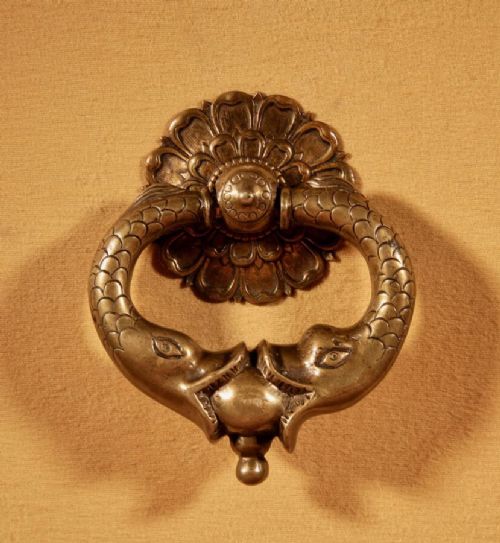

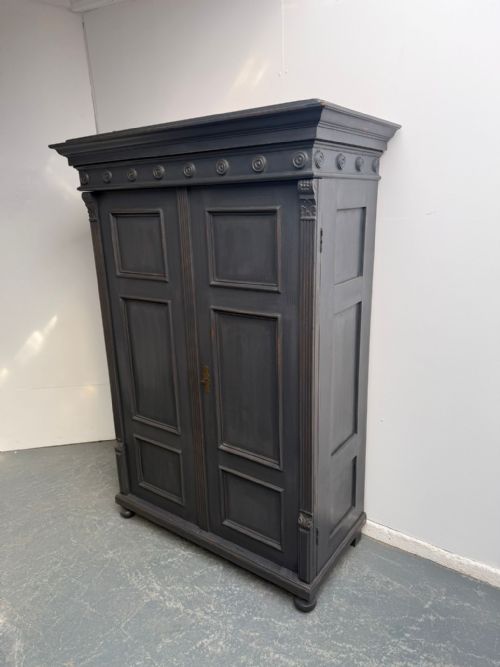


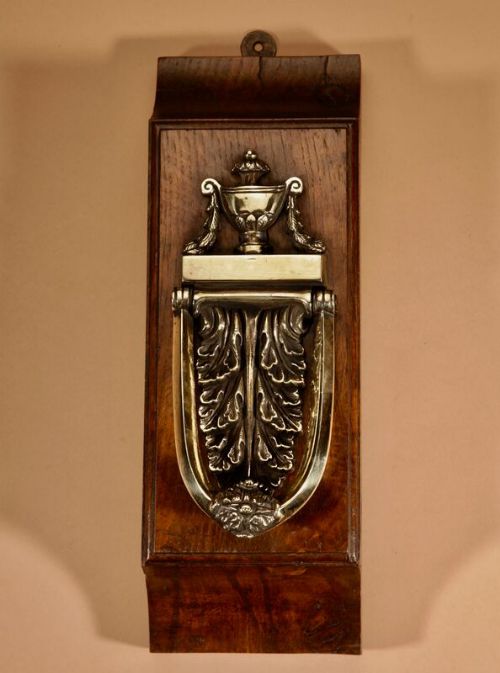

Original Door Furniture
Original door furniture brings tactile history to a room through genuine period knockers forged from brass and bronze.
Original Door Furniture
Original door furniture comprises historical architectural hardware designed for everyday domestic entryways and interior portals. The pieces found here include continental and Victorian door knockers fashioned in heavy metal alloys. These items anchor a period restoration by providing authentic physical interaction every time a door opens.
Most examples originate from the eighteenth and nineteenth centuries, spanning Georgian and Victorian eras alongside continental influences. Buyers encounter solid brass and bronze specimens shaped with period decorative motifs. These hardware elements serve as functional focal points for wooden doors.
The selection ranges from utilitarian iron items to ornate Louis Seize style brass knockers. Each piece reflects the manufacturing methods and aesthetic priorities of its specific decade. Choosing these items ensures that a restoration retains its historical integrity down to the smallest detail.
How original door furniture was made
Makers of original door furniture relied upon traditional metal casting techniques to shape durable alloys like brass and bronze. Molten metal poured into sand moulds created the substantial weight and robust structure expected of door knockers. Artisans then finished the rough castings by hand to sharpen the decorative details.
Surface treatments on these metal components developed naturally over centuries of handling and atmospheric exposure. Workshops also utilised applied finishes where specific regional decorative styles required colour or protection. This combination of cast metal and patinated surfaces defines the physical reality of surviving hardware.
Original Door Furniture Retail Price Guide 2026
Typical asking prices for original door furniture among the pieces listed under this phrase on Sellingantiques today, from the lower quarter to the upper quarter. They describe what is for sale here now, not the wider market.
What varies in quality in original door furniture
Quality in original door furniture rests upon the crispness of the cast detail and the integrity of the metal body. Superior examples retain their original striking plates and mounting points without modern structural replacements. The depth of the relief work on decorative brass and bronze indicates the skill of the original workshop.
Wear patterns also distinguish fine pieces, showing honest friction where hands engaged the metal over generations. Lesser items often suffer from excessive polishing that has worn away the intricate high points of the design. A superior knocker balances mechanical solidity with clear artistic expression.
Howard And Son S
The Original Door Furniture Glossary
- Louis Seize Style
- A neoclassical French design movement characterised by straight lines and symmetrical classical motifs. Items in this style often display restrained ornamentation derived from ancient Greek and Roman architecture.
- Brass
- An alloy of copper and zinc known for its bright golden appearance and resistance to corrosion. It became the primary material for decorative domestic hardware during the Victorian period.
- Bronze
- A copper alloy typically containing tin, valued for its strength and dark patination. It was frequently chosen for heavy architectural hardware subject to constant outdoor use.
- Patina
- The surface sheen and colour acquired by metal through age, handling, and oxidation. This natural layer provides evidence of an object's longevity and history.
- Strike Plate
- The metal plate affixed to a door or frame designed to receive the impact of a knocker. Original plates complete the functional assembly of the hardware.
Original Door Furniture: Frequently Asked Questions
How do I clean old brass?
Old brass benefits from gentle washing with warm soapy water and a soft cloth to remove surface grime without disturbing the underlying oxidation. Avoid harsh chemical cleaners that strip away the historical patina accumulated over centuries.
Preserving the aged surface maintains both the visual character and the historical value of the hardware. Light waxing can provide a protective barrier against further tarnishing in humid environments.
Are these knockers heavy?
Period door furniture is cast from solid metals like bronze and brass, giving each piece substantial physical weight. This heaviness ensured durability and produced a clear sound when striking the door.
When mounting these items, check that the door timber is strong enough to support the dense metal construction. The weight is a primary indicator of genuine period manufacture.
Can I use them outside?
Many of these pieces were engineered for exterior use on main entry doors, utilising corrosion-resistant alloys like bronze and brass. They withstand typical weather exposure while continuing to develop a deeper surface patina.
Sheltered placement helps preserve any finer surface details against relentless driving rain and frost. Regular inspection of the fixings ensures the heavy hardware remains secure.
How do I date a knocker?
Dating relies on comparing the decorative style, such as Louis Seize motifs or Victorian geometry, against known historical periods. The manufacturing technique, including the texture of the rear casting, also offers clues to the era.
Matching the alloy composition and wear patterns to documented examples helps narrow down the decade of production. Expert consultation confirms these stylistic indicators.