


Original Dog Oil Painting
When you search for an original dog oil painting, you encounter canvases and panels capturing canine character across centuries of fine art tradition.
Original Dog Oil Painting
An original dog oil painting brings together centuries of fine art and canine portraiture, capturing individual animals on canvas, panel, or board. These works span from meticulous Victorian studies of sporting hounds to intimate Edwardian and mid-century character portraits.
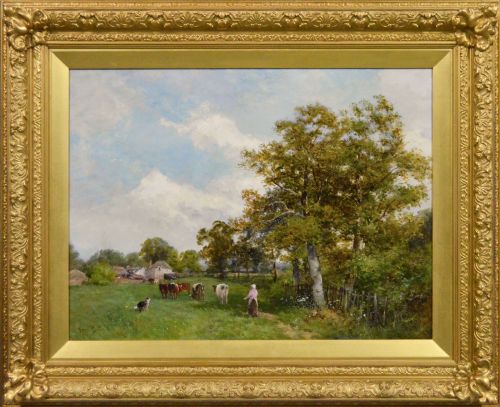
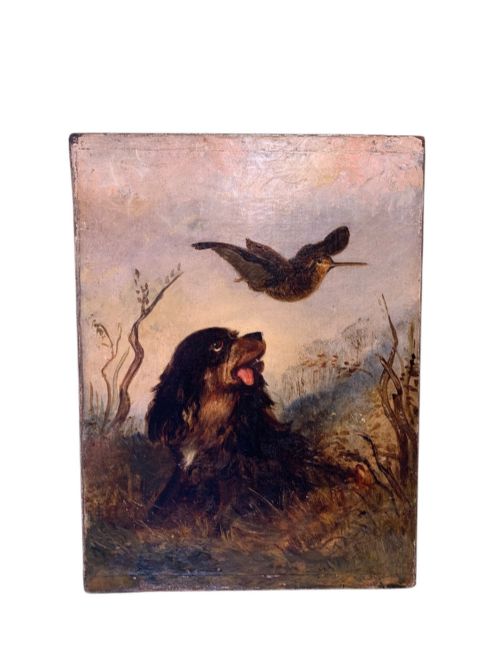
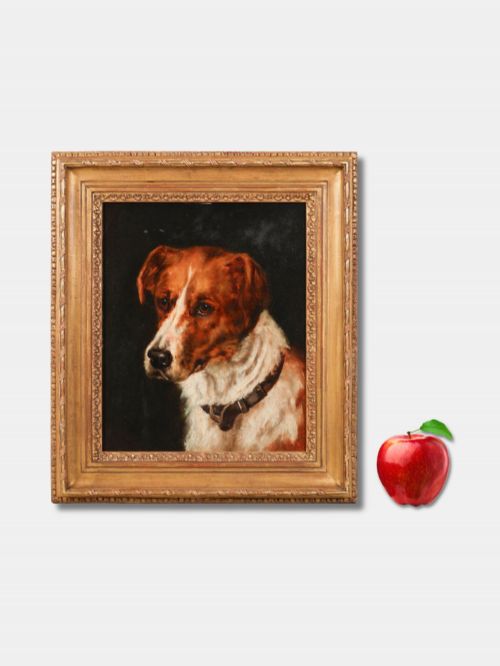
The pieces on this page range from grand pastoral landscapes featuring working gundogs and riders to focused character studies of terriers and spaniels. Whether rendered by named academic artists or skilled regional hands, each piece preserves a distinct moment in domestic or working animal history.
What Varies in Quality
The distinction between standard works and exceptional examples lies in the artist's command of anatomy, posture, and expression. Superior pieces convey the living weight and distinctive psychology of the animal rather than a mere record of its markings.
Compositional harmony and the handling of light across both the subject and the surrounding landscape also separate accomplished academic output from simpler decorative painting.
Listings feature works executed on canvas, wood panel, artist board, and tin plate across the 18th, 19th, and 20th centuries.
David Bates·Thomas Hicks·John Horsburgh·Michael Lyne·Henri Schouten·Thomas Beach·Florence Mabel Hollams·Edward Armfield·George Cole·Samuel Fulton·Charles Hunt Jnr·David W Haddon·William Howard Hardy
The Original Dog Oil Painting Glossary
- Canvas
- A heavy woven fabric stretched across a wooden frame to serve as a primary support for oil paint. It provides a slightly flexible surface that responds well to traditional layering techniques.
- Oil Paint
- A slow-drying medium composed of pigments suspended in a drying oil, typically linseed. This medium allows for smooth blending and rich depth of colour.
- Panel
- A flat wooden board used as a rigid alternative to canvas for painting. Panels offer a stable surface that resists sagging over long periods.
- Gilded Wood
- Wood treated with a thin layer of gold leaf or metallic gilt. This finish is frequently found on period frames designed to showcase fine artwork.
- Board
- A compressed wood or paper pulp base used as a rigid painting support. It provides a smooth, unyielding texture popular in twentieth-century works.
Original Dog Oil Painting: Frequently Asked Questions
How do I care for an antique oil painting?
Keep the artwork away from direct sunlight and sudden shifts in temperature or humidity. Avoid using water or chemical cleaners on the painted surface.
Dust the frame and canvas gently with a soft, dry brush on a regular basis. Professional conservation should be left to specialists when cleaning becomes necessary.
What periods do these paintings cover?
The works span from the eighteenth century through the Victorian and Edwardian eras into the mid-twentieth century. Each period brings distinct framing styles and handling of the oil medium.
Earlier pieces often focus on sporting and working dogs within pastoral landscapes, while later twentieth-century works frequently feature intimate character portraits.
Are these paintings signed by the artists?
Many pieces carry visible signatures, monograms, or attribution notes left by the painter. Others remain unsigned or indistinctly signed while still displaying clear regional school characteristics.
Documentation on the reverse or family provenance often helps connect an unsigned work to a specific period or maker.
What supports were commonly used?
Traditional woven canvas stretched over wooden frames appears frequently across the collection. Wood panels and rigid artist boards are also common, particularly in smaller studies and later works.
Each support material influences the texture of the brushwork and the preservation history of the individual piece.