


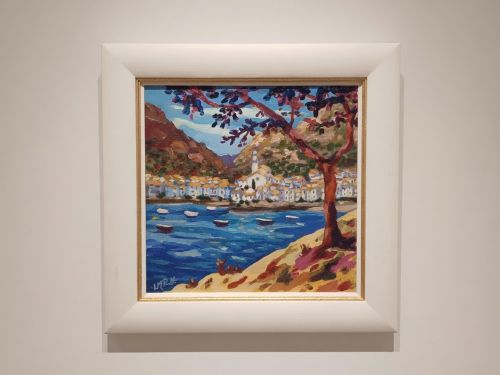
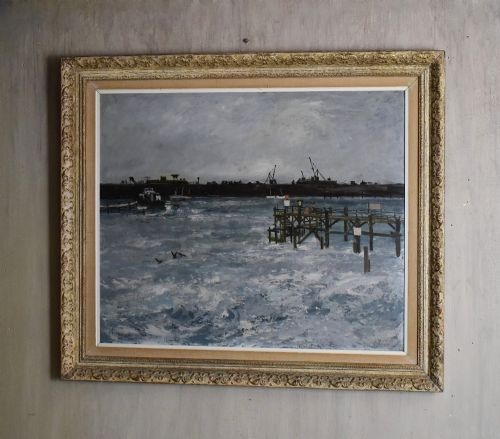
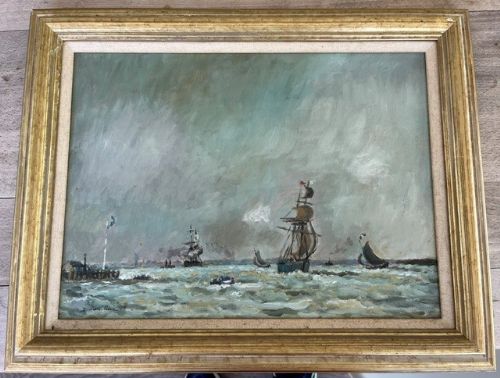
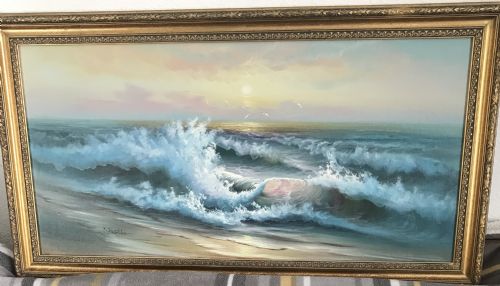
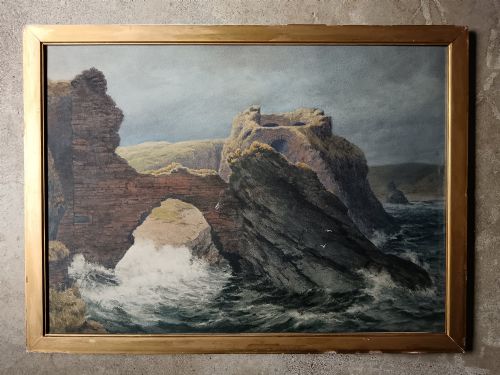


Original Coastal Ocean Painting
When you search for original coastal ocean painting, you are looking at maritime art capturing the sea, shorelines, and harbours.
Original Coastal Ocean Painting
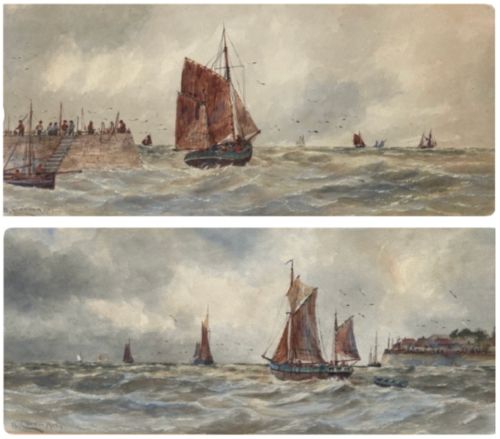
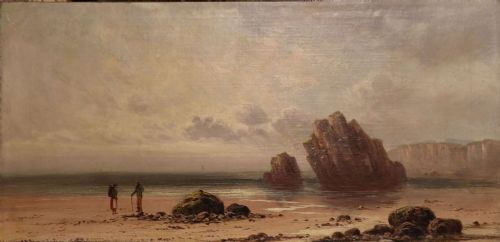
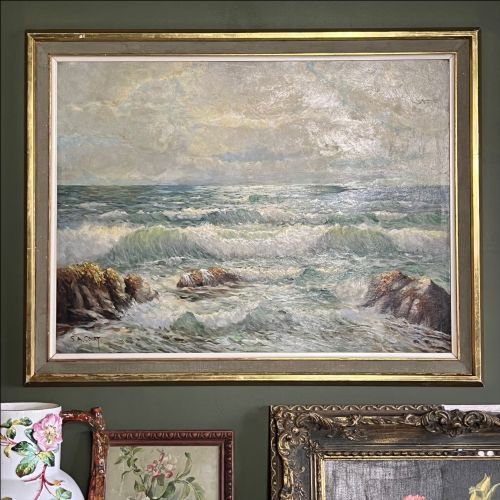
An original coastal ocean painting captures marine scenes, rocky shores, and busy harbours through historical periods. The works span Victorian depictions through to mid-twentieth-century interpretations, showing how artists recorded the changing character of the sea.
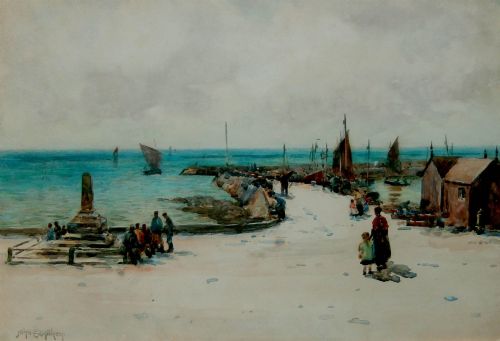
Watercolours and oil on canvas form the majority of the works seen on this page. Painters utilised these mediums to capture the light and atmosphere of coastal locations across Britain and continental Europe.
Common subjects include fishing boats in choppy seas, quiet Cornish harbours, and dramatic sea stacks along rocky coastlines. These pieces document specific coastal regions, from Yorkshire to the Isle of Man and the Mediterranean.
Materials and Techniques
Artists painted these seascapes using oil on canvas, oil on board, and watercolour on paper. Oil paint allowed for heavy impasto to render crashing waves and texture, while watercolour suited luminous skies and transparent water.
Many 19th-century and early 20th-century works were painted en plein air directly on location to capture changing weather conditions. Canvases were typically stretched on wooden frames and frequently housed in gilt or ebonised frames.
Original Coastal Ocean Painting Retail Price Guide 2026
Typical asking prices for original coastal ocean painting among the pieces listed under this phrase on Sellingantiques today, from the lower quarter to the upper quarter. They describe what is for sale here now, not the wider market.
Listings feature works created using paper, canvas, and wood, employing watercolour and oil paint.
Factors That Determine Quality
The skill of the brushwork and the artist's ability to render light, movement, and atmosphere separate standard topographical views from accomplished paintings. Strong compositions capture the weight of water and the openness of coastal air with confidence.
Provenance and documentation add context to a piece, with signed works by known regional painters commanding greater attention. The condition of the original paint layer and the presence of period framing also influence the appeal of an artwork.
William Cannon·Sidney A Court·John E Aitken·William Banks Fortescue·Peter Brannan·Gustave De Bréanski·Thomas Bush Hardy·William Greaves·Charles Malfroy·Roger de la Corbiere·Kate E Booth·Frederick Stuart Richardson·Frank Wood·Owen Bowen·H Hadfield Cubley·Joseph Newington Carter·S J Lamorna Birch·James Watson·Daniel Sherrin·Edward T Jones·Edmund Gouldsmith·Johan Jens Neumann
The Original Coastal Ocean Painting Glossary
- En plein air
- Painting outdoors to capture natural light and direct observations of the landscape. This method became popular in the nineteenth century for artists working along the coast.
- Impasto
- Paint applied thickly to a canvas, standing out from the surface. This technique creates a textured effect used by painters to show churning water and rough seas.
- Seascape
- A work of art depicting the sea, ocean, or coastal shoreline. These pieces focus primarily on marine environments rather than inland scenery.
Original Coastal Ocean Painting: Frequently Asked Questions
What periods do these paintings date from?
The works span from the nineteenth century through the Victorian era and into the mid-twentieth century. Painters from these periods documented changing maritime scenes using traditional techniques.
Most pieces belong to the late nineteenth and early twentieth centuries, reflecting a period of significant interest in marine and plein air painting.
How were these marine paintings created?
Artists utilised oil paint on canvas or board, and watercolour on paper, to record coastal conditions. Many works were painted outdoors on location to capture direct observations of light and weather.
Brushed details and pigment layers were chosen to render the movement of water and the atmosphere of specific shorelines.
Where do the depicted locations usually originate?
The scenes record coastlines across Britain, including Cornwall, Yorkshire, the Isle of Man, and Scotland. Other works depict European coastal areas such as France and Denmark.
Artists often travelled to active fishing harbours and rugged headlands to find their subjects.
How should I display a vintage painting?
These works suit traditional wall art placement in spaces away from direct sunlight and excessive moisture. Proper framing helps protect the paper or canvas from environmental changes.
Allowing sufficient wall space lets the composition of the seascape stand clearly within the room.