



Original Caricature Art
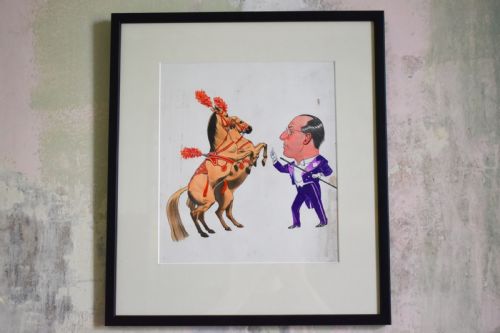
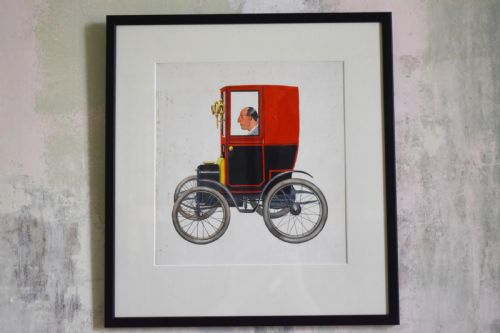
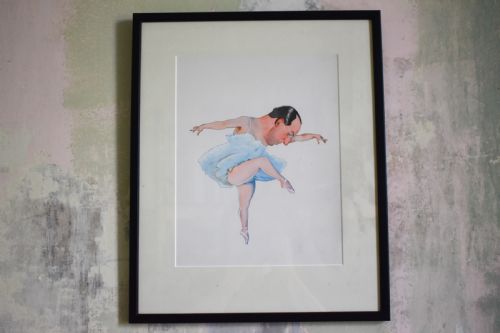
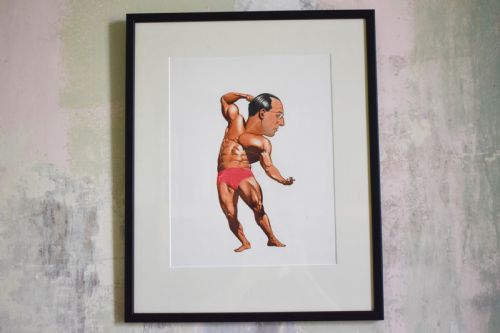
Original caricature art captures the wit of past centuries through ink, watercolour, and pastel.
Original Caricature Art
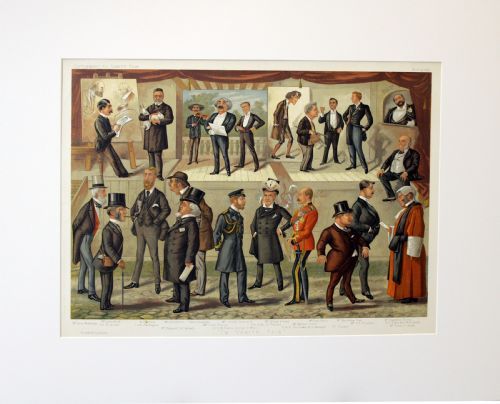
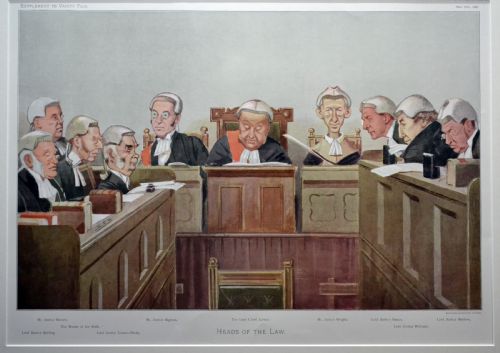
Original caricature art encompasses hand-drawn and painted satirical works ranging from the nineteenth century through the mid-century modern period. When searching for original caricature art, collectors encounter humorous ink sketches, watercolour paintings, and published chromolithographs from periodicals like Vanity Fair.
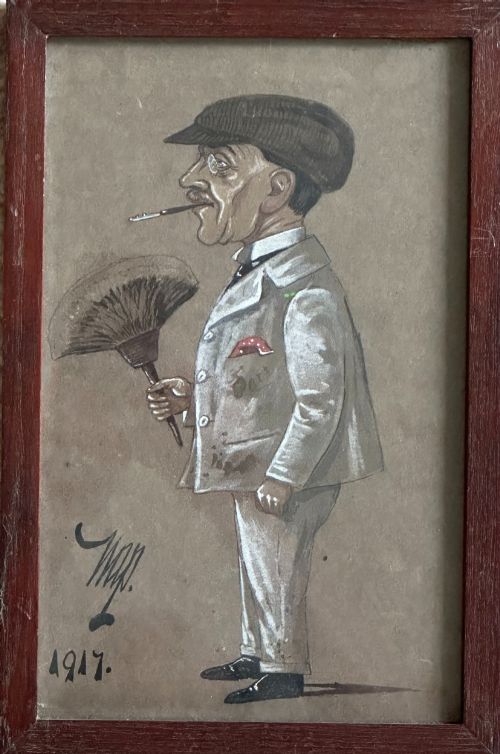
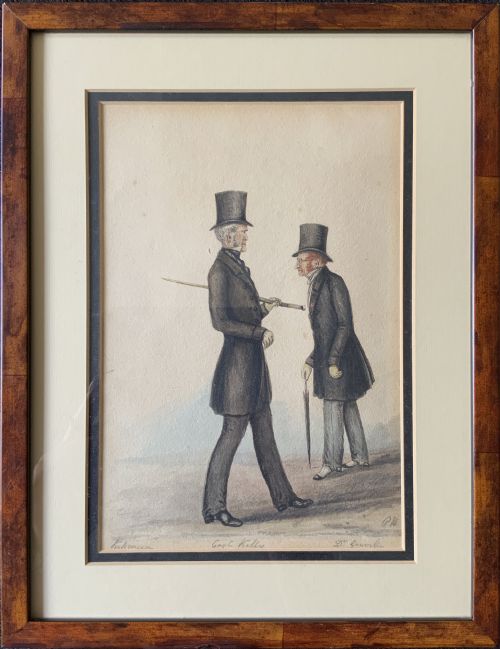
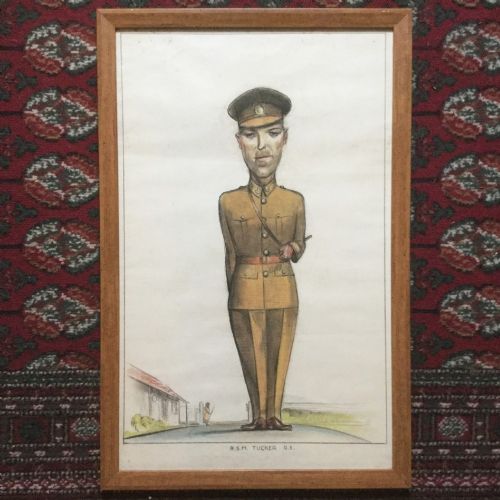
The material on this page spans framed artwork, wall art, and antique prints originating from Victorian, Edwardian, and wartime eras. These pieces capture historical figures, military officers, and social types through exaggerated portraiture and illustrative caricature.
How they were made
Artists created these works primarily on paper using watercolour, ink, gouache, and pastel. Pen and ink lines formed the foundation of many cartoons, often filled with fluid washes of watercolour or opaque gouache.
Some pieces utilise chromolithography for mass distribution while retaining the character of the original illustration. Framed pieces frequently pair these delicate works on paper with wood and glass protection.
Listings span the nineteenth century through the 1940s, featuring watercolour, ink, gouache, and pastel on paper.
What varies in quality
Quality rests upon the sureness of the draughtsmanship and the strength of the characterisation. Superior pieces demonstrate confident pen work and expressive watercolour handling that convey personality with minimal strokes.
Condition of the paper and vibrancy of the pigments also distinguish the collection. Works maintained away from direct sunlight retain their original pastel and gouache tones far better than exposed examples.
Thomas Rowlandson·Albert Guillaume·Snaffles
The Original Caricature Art Glossary
- Chromolithography
- A planographic printing process that uses multiple limestone blocks to produce coloured illustrations. Vanity Fair utilised this method for many of its double-page prints.
- Gouache
- An opaque watercolour paint containing pigment mixed with a binding agent and white filler. It provides heavier coverage than standard watercolour.
- Pastel
- A dry medium composed of powdered pigment and a binder, pressed into sticks. It creates soft, textured colour fields on paper.
Original Caricature Art: Frequently Asked Questions
How do I care for antique caricature art?
Keep works on paper away from direct sunlight to prevent the watercolour and pastel pigments from fading over time. Ensure framing uses acid-free materials to protect the paper.
Display the artwork in rooms with stable humidity levels. This prevents warping of the paper and deterioration of the wooden frames.
What is a Vanity Fair print?
Vanity Fair prints are satirical chromolithographs published in the British weekly magazine from the Victorian era onwards. They typically feature prominent public figures drawn by artists such as Spy.
These double-page plates are collected for their sharp social commentary and portraiture. They provide a visual record of late nineteenth and early twentieth-century society.
Are these drawings one of a kind?
Many items listed are unique hand-drawn pieces executed in watercolour, ink, or gouache. Artists produced these directly as preliminary sketches or finished works.
Other items consist of period chromolithographs printed in multiple copies for publication. Both categories hold distinct appeal for collectors of historical illustration.
How are different periods identified?
Stylistic clues and clothing details help date caricature art to specific eras like the Victorian or Edwardian periods. Military uniforms and civilian dress reflect the exact decade of creation.
Signatures, publication dates on prints, and framing styles provide additional chronological markers. Paper types also shift from heavy nineteenth-century stocks to mid-century sheets.