
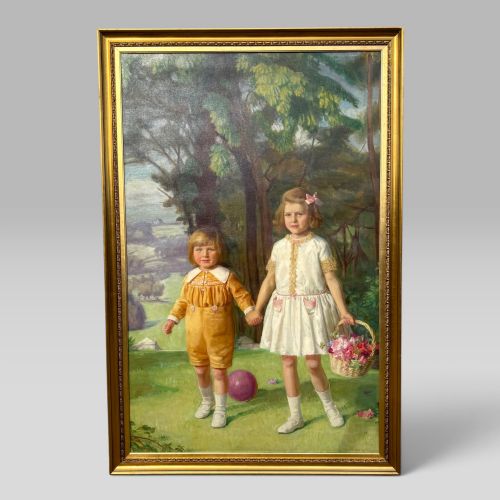
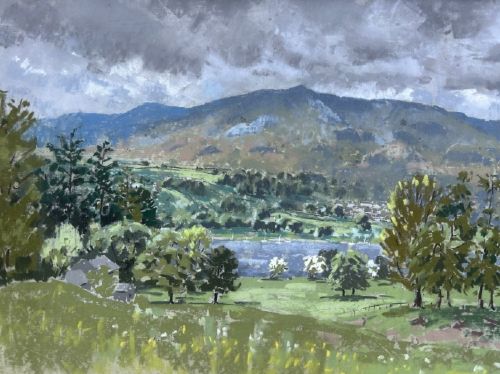
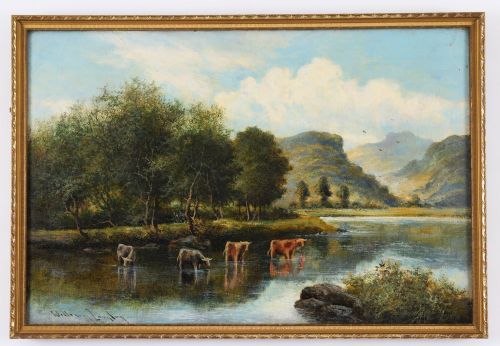
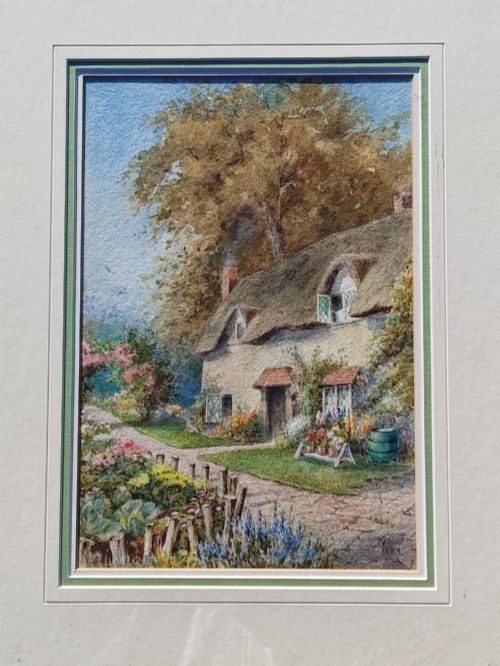

Original British Landscape Artwork
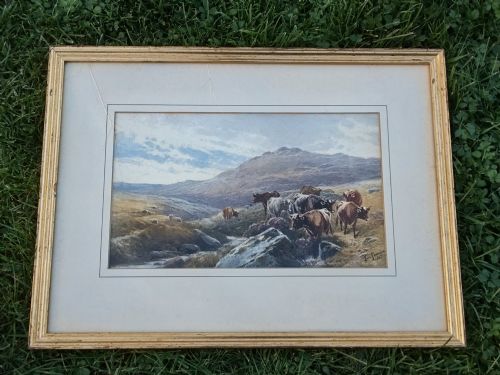
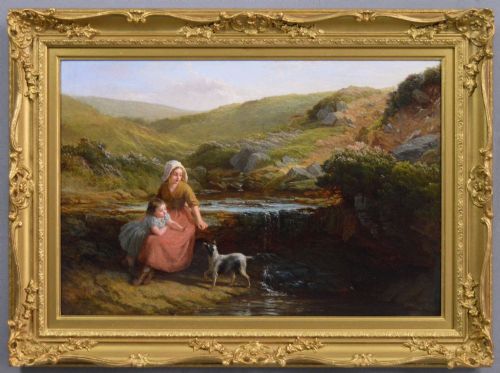
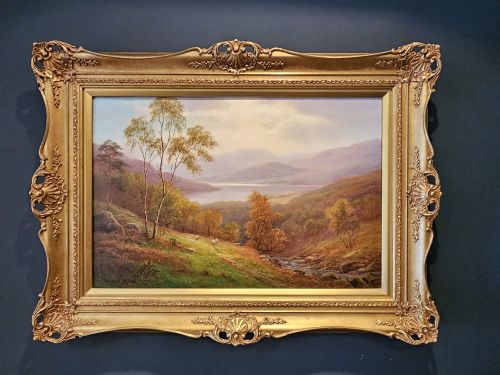
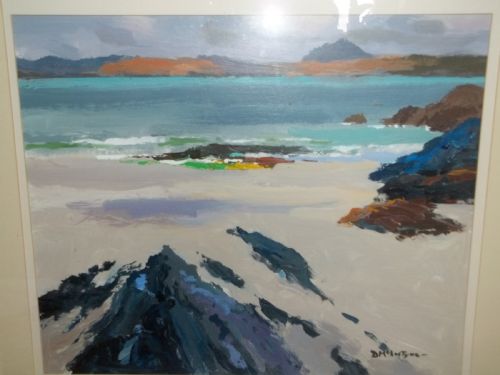
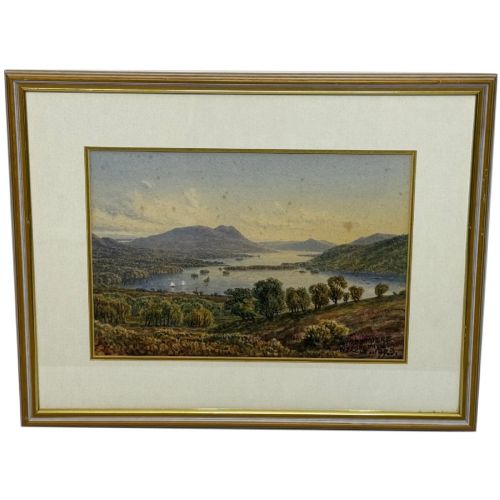
Original british landscape artwork captures the varied topography and changing light of the islands through centuries of observation.
Original British Landscape Artwork
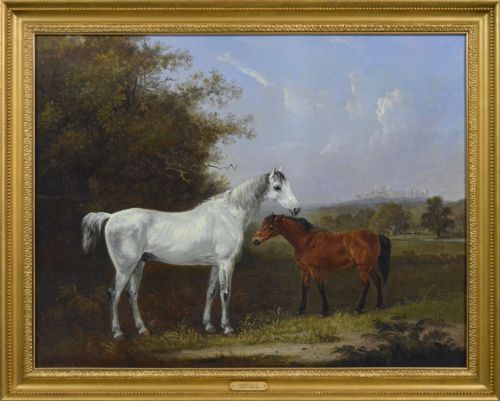
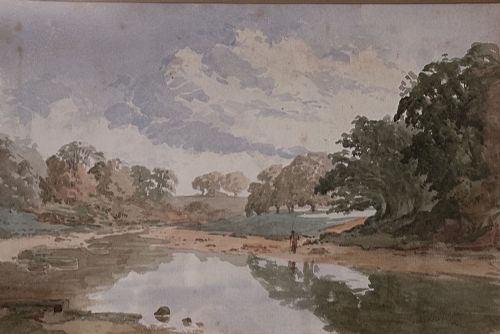
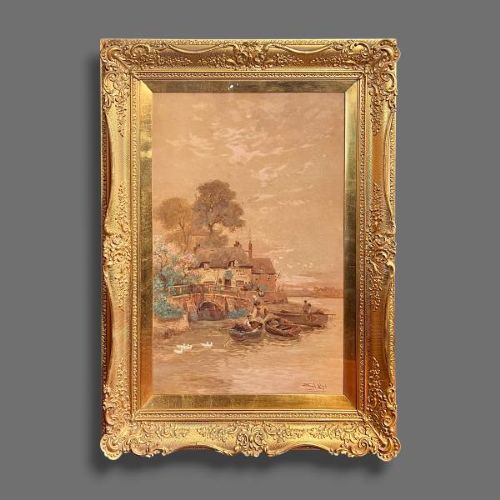
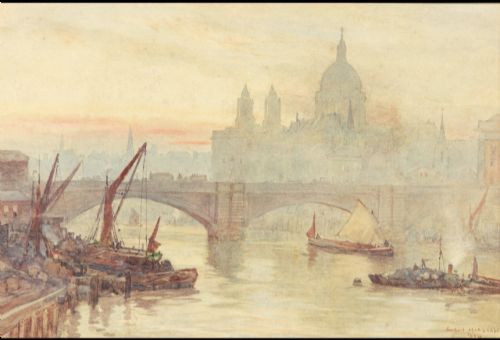
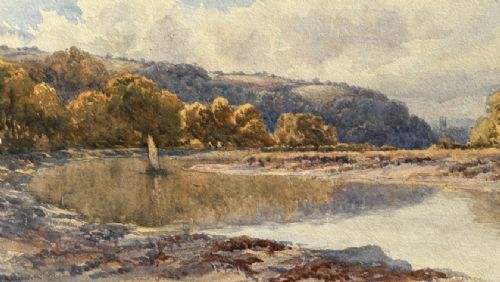
Original british landscape artwork comprises paintings, drawings and watercolours depicting rural, coastal and urban scenes across the British Isles. These works range from late nineteenth-century watercolours of coastal harbours to mid-century oil paintings on board capturing northern industrial or rural views.
Buyers frequently encounter Victorian and Edwardian watercolours alongside early twentieth-century oil paintings on wood panel or canvas. The selection spans distinct periods including the nineteenth century, the Edwardian era and post-war modern British developments.
How they were made
Artists utilised traditional media such as watercolour pigment on paper, oil paint on canvas and oil on wood panel or board. Many compositions were executed en plein air to capture immediate atmospheric effects and natural light.
Draftsmanship relied on pencil and charcoal for preliminary sketches before the application of pigment, occasionally incorporating impasto techniques to build physical texture within coastal and rural scenes.
The material selection is diverse, incorporating canvas, wood, glass, paper and specialised pigments.
What varies in quality
Quality rests upon the artist's command of perspective, the handling of natural light and the sensitivity of colour harmony within the composition. Stronger examples demonstrate confident brushwork and a distinct atmospheric presence rather than mechanical precision.
The relationship between the subject and the medium dictates the visual success of the piece, where fluid watercolour washes or rich oil applications reveal the individual hand of the painter.
George Fotherly Hargitt·James Orrock·Henry Percy Huggill·John R Prentice·William H Myers·Tom Campbell·Alfred Young Nutt·Clifford Hanney·Percy Lancaster·William Howard Hardy·Frederick Marriott·Arthur Wardle·John Horace Hooper·A Mitchell·William Joseph Shayer Senior·John McDougal·Alfred Fontville de Breanski Jr·Sidney A Court·EJ Letheren·Robert Leslie Howey·James E Aitken·Kershaw Schofield·John E Aitken·William Banks Fortescue·Robert Morson Hughes
The Original British Landscape Artwork Glossary
- Watercolour pigment
- A water-soluble colour medium applied in translucent washes to paper. It allows for delicate effects of light and weather.
- Oil on canvas
- A painting technique using pigment suspended in drying oil applied to a stretched fabric surface. This combination permits deep tonal blending and rich textures.
- En plein air
- The practice of painting outdoors directly from the subject. This method captures transient qualities of natural light and atmosphere.
- Impasto
- Paint applied thickly to a canvas or panel so that it stands proud of the surface. It introduces a tangible, three-dimensional texture to the artwork.
- Board
- A rigid flat support, often wood or compressed material, used instead of canvas for painting. It provides a firm foundation for direct application of oil paint.
Original British Landscape Artwork: Frequently Asked Questions
What periods do these landscapes cover?
The available works span from the nineteenth century through the Edwardian period and into the mid-twentieth century and later periods.
This broad chronology reflects changing artistic movements, from traditional topographical watercolours to post-war modern British expressions.
How should I care for a watercolour?
Watercolour paintings on paper require protection from direct sunlight to prevent the fading of delicate pigments.
Framing behind conservation glass with appropriate mount boards helps shield the paper from environmental moisture and pollutants.
What is the difference between oil and watercolour?
Watercolour uses water-soluble pigments on paper to create luminous, transparent effects of light and atmosphere.
Oil paint utilises drying oils on canvas or board, allowing for heavier texture, layering and deep tonal richness.
Where were these scenes typically painted?
Subjects include coastal harbours, river valleys, highland pastures and urban markets across England, Scotland, Wales and Belgium.
Artists frequently travelled to specific regions like Cornwall, the Lake District or the Thames Valley to record local topography.