
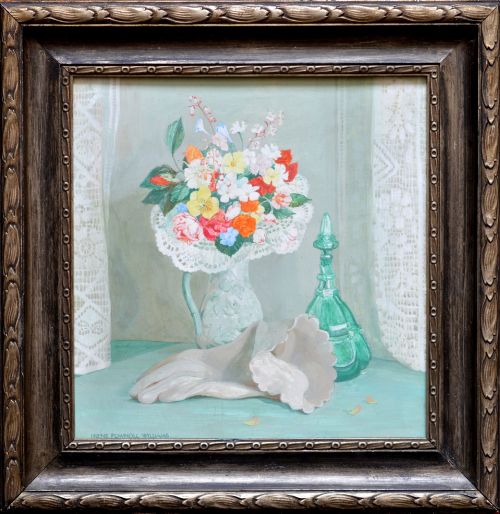
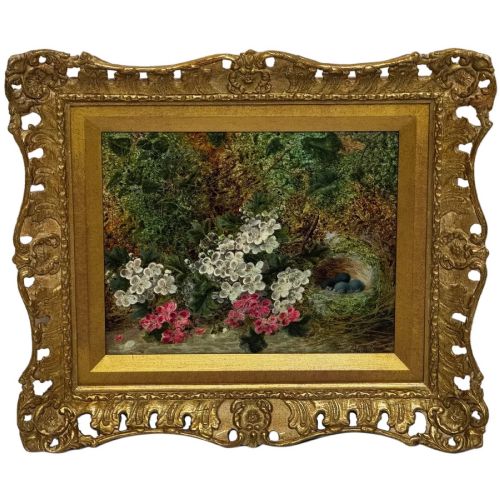
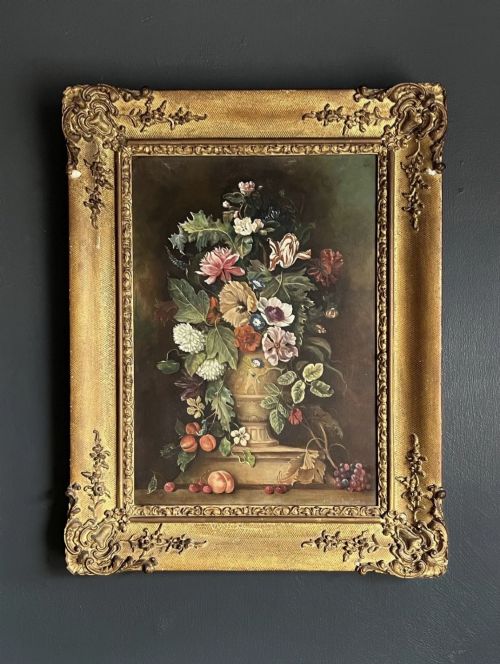
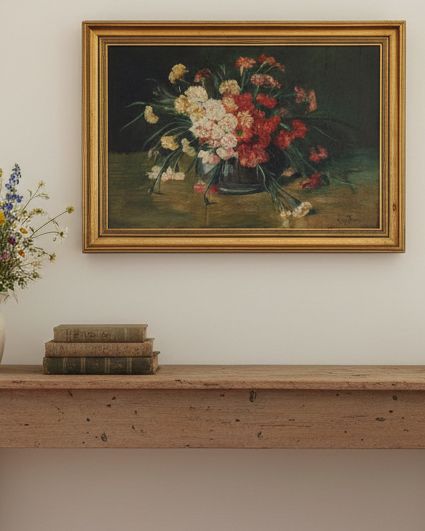
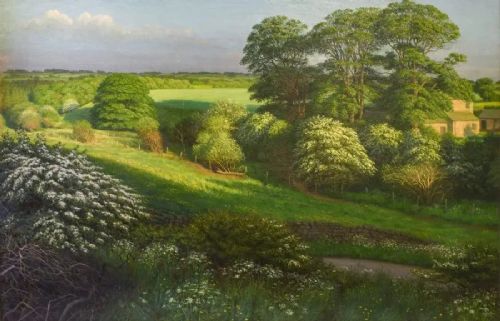
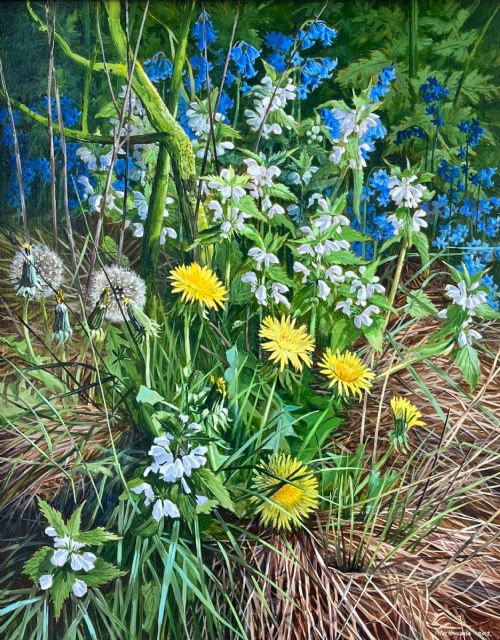
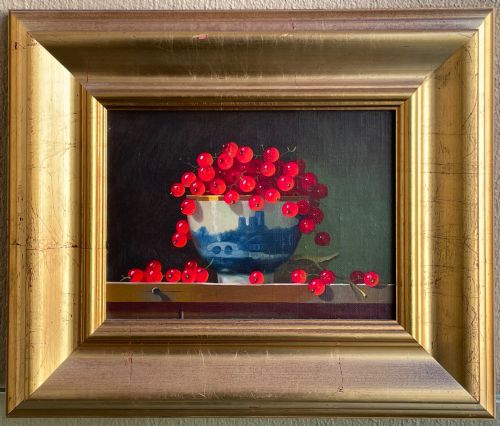
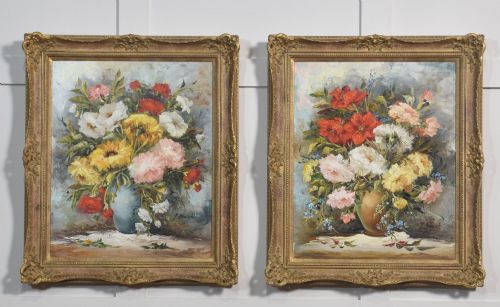
Original Botanical Painting
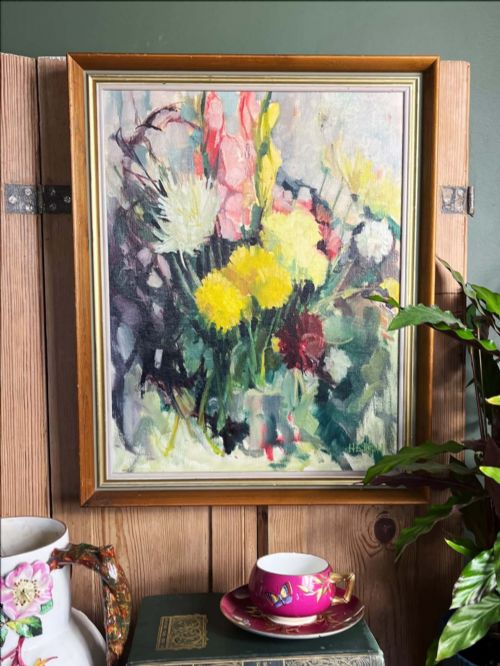
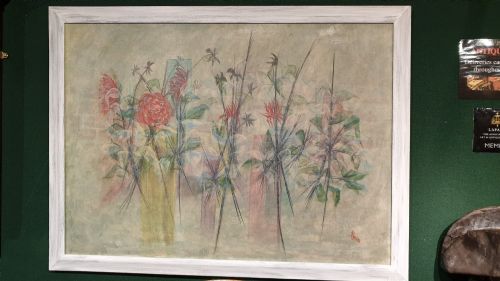
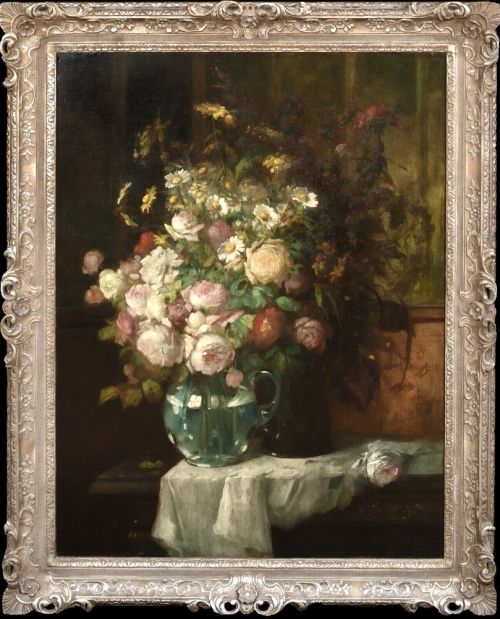
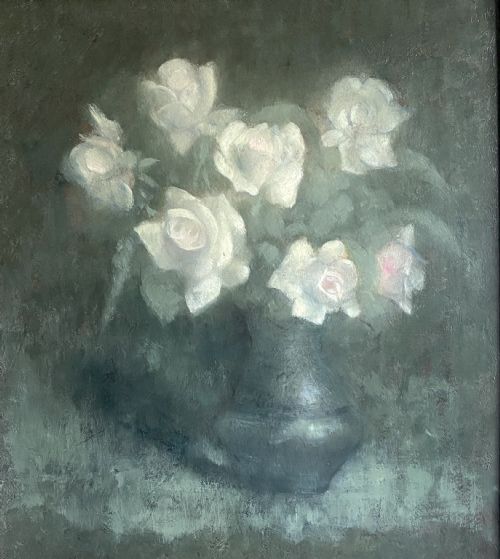
Original botanical painting captures flowers and fruit in oil or watercolour, bringing lasting garden detail to interior walls.
Original Botanical Painting
An original botanical painting spans centuries of floral and plant study, taking the form of detailed watercolours or rich oil paintings on canvas, panel, and board. Buyers encounter nineteenth-century works alongside mid-century interpretations.
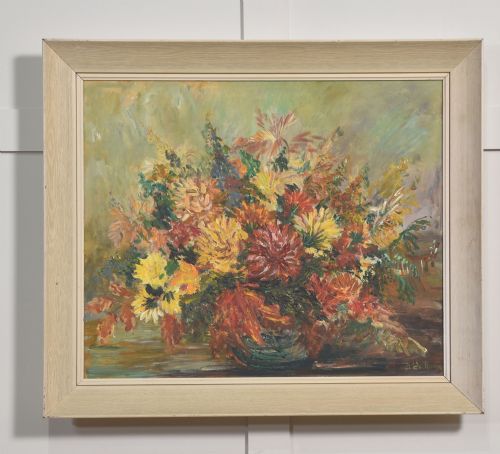
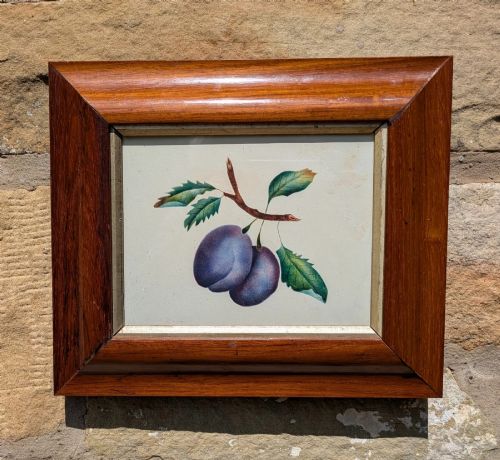
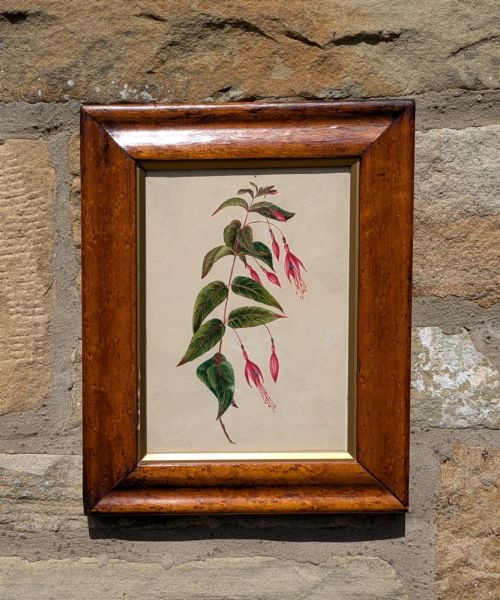
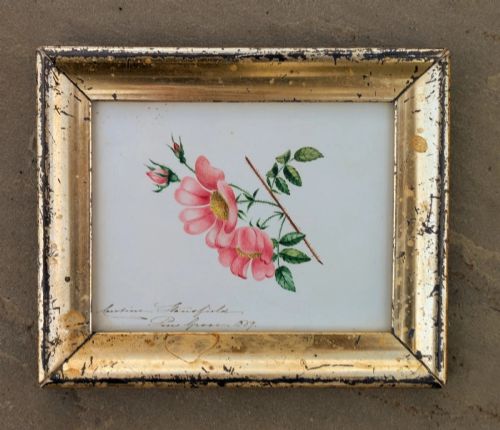
The pieces on this page range from Victorian watercolours in rosewood frames to twentieth-century oil paintings and impressionist still lifes. Creators render blossoms, fruit, and garden foliage across varied British and continental European schools.
Materials and Techniques
Artists apply oil paint or watercolour onto prepared canvas, paper, wood panels, or board, often framing the completed work in gilt gesso or timber. Pigments capture the tonal shifts of petals, stems, and leaves through direct brushwork or layered washes.
Supports vary from traditional woven canvas to sturdy wood boards and delicate paper sheets. Protective glass frequently houses the watercolours, whilst oil paintings remain open to the room.
Materials across the listings include canvas, wood, paper, oil paint, watercolour, and glass.
Distinctions in Quality
The fidelity of observation and sureness of brushwork separate accomplished botanical studies from generic decorative pieces. Stronger examples demonstrate precise botanical accuracy combined with confident handling of light and colour.
Condition of the support and pigment stability also influence the standing of a work. Intact original frames and clear artist signatures provide additional context for the painting.
Oliver Clare·Konstantin Stoitzner·James Tower·Owen Bowen·John Sherrin
The Original Botanical Painting Glossary
- Watercolour
- A paint consisting of water-soluble pigments that produce luminous, translucent washes on paper. This medium suits delicate floral studies.
- Gesso
- A plaster-like mixture applied to wood or canvas to prepare a smooth surface for painting, frequently gilt on antique frames.
- Impressionism
- A style of painting focusing on light and its changing qualities rather than minute detail. Artists working in this manner use visible brushstrokes.
- Still life
- A painting featuring inanimate subject matter, such as cut flowers, fruit in bowls, and jugs. These compositions dominate botanical works.
Original Botanical Painting: Frequently Asked Questions
How do I care for a watercolour painting?
Keep watercolours away from direct sunlight to prevent the pigments from fading over time. Ensure they remain behind protective glass in stable humidity conditions.
Check the backing periodically to protect the paper support from moisture and environmental damage.
What is the difference between oil and watercolour?
Oil paint uses drying oils to bind pigments, allowing for thick textures and rich, opaque layers on canvas or board. Watercolour relies on water-soluble binders on paper for translucent effects.
Oils generally require no glass protection, whereas watercolours need framing behind glass to safeguard the paper.
How can I date an antique painting?
Examine the materials of the support, such as the weave of the canvas or the type of paper and wood panel. Framing styles and handwritten inscriptions on the reverse often offer clues to the period.
Artist signatures and recorded exhibition histories provide further confirmation of a work's era.
Where should I hang botanical art?
Display these paintings on interior walls away from direct heat sources and strong sunlight to preserve the pigments. Dining rooms and studies suit traditional still life arrangements.
Pair framed works with adequate wall space to let the composition stand out clearly.