


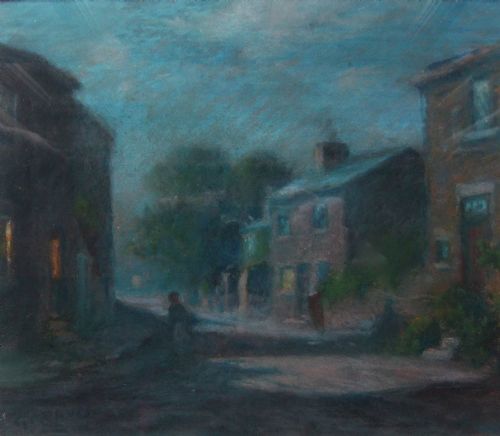


Original Artist Drawing
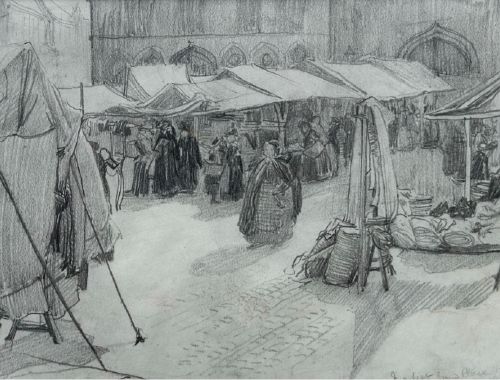
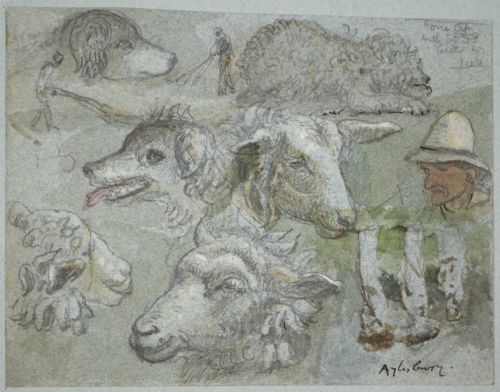
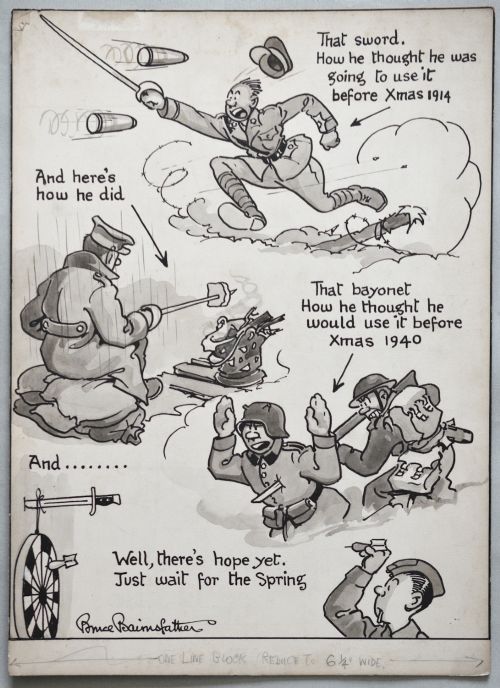
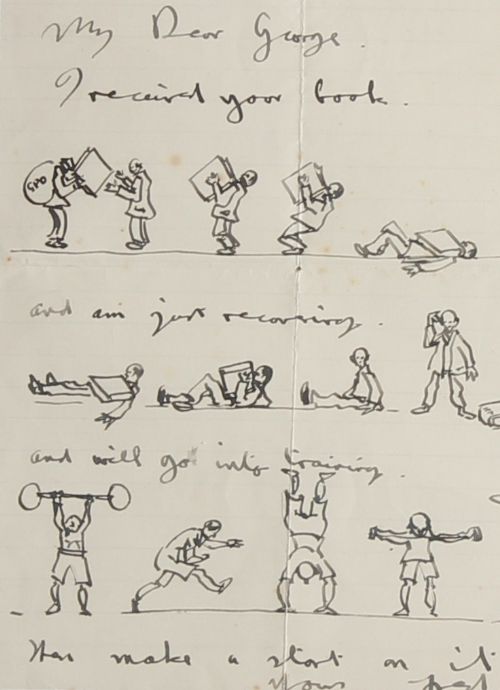
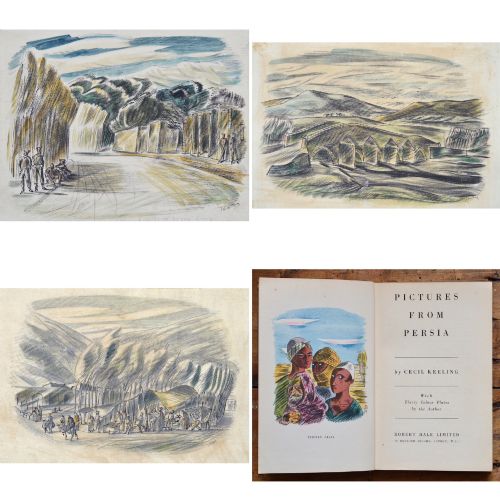
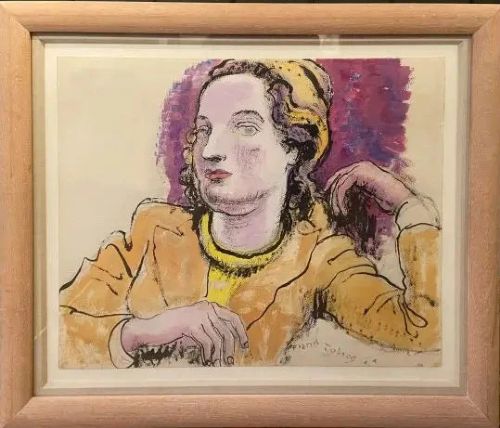
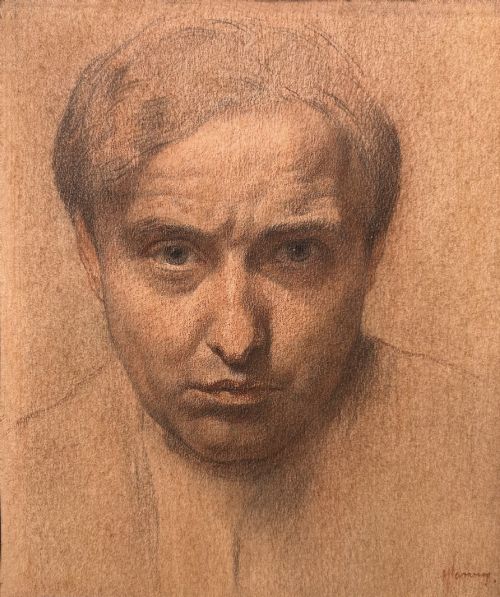
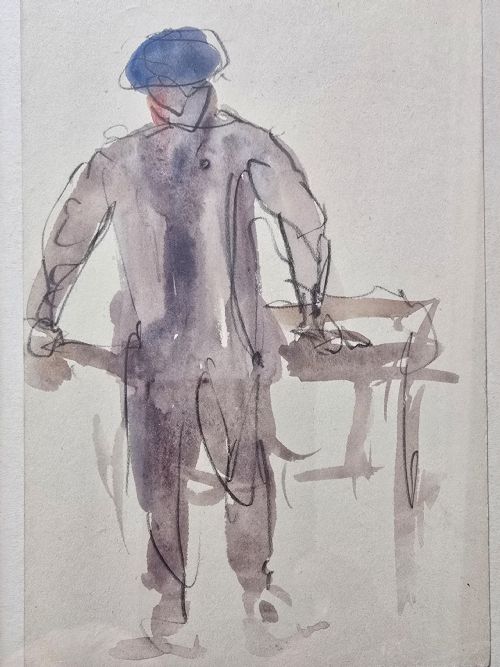
When you search for an original artist drawing, you encounter works on paper executed in graphite, ink, pastel, and watercolour across several centuries.
Original Artist Drawing
An original artist drawing comprises unique works on paper created by named practitioners using mediums such as pencil, charcoal, ink, and pastel. These pieces span the nineteenth century through the mid-twentieth century, encompassing periods like the Edwardian era, Art Deco, and Modern British movements.
The subjects on this page range from portraiture and figure studies to architectural renderings, coastal scenes, and surrealist compositions. Buyers searching for an original artist drawing typically encounter framed or unframed sheets bearing the direct hand of the draughtsman or painter.
Many items derive from specific studios, exhibitions, or publications, documenting working methods and preliminary studies rather than mass-produced prints. The origins stretch across Britain, Ireland, continental Europe, and beyond, reflecting varied regional artistic traditions.
Materials and techniques
The physical makeup of these works relies fundamentally on paper supports paired with dry or fluid drawing media. Graphite, charcoal, and pastel provide tonal gradation and line, while watercolour and ink introduce fluid colour and defined contours.
Makers utilised these materials directly on paper or card, occasionally combining media such as watercolour with coloured pencil or ink. Protective elements like glass and wooden frames frequently accompany the sheets to preserve the vulnerable surfaces.
Original Artist Drawing Retail Price Guide 2026
Typical asking prices for original artist drawing among the pieces listed under this phrase on Sellingantiques today, from the lower quarter to the upper quarter. They describe what is for sale here now, not the wider market.
Listings feature works from the nineteenth century through the 1960s, executed in graphite, ink, pastel, watercolour, and charcoal on paper.
Factors determining quality
Quality in these works rests upon the surety of the line, the sensitivity of the tonal handling, and the directness of the execution. A confident stroke and balanced composition distinguish a finished study or portrait from a casual sketch.
Provenance and documentation also shape the standing of a piece, particularly when connected to exhibited works, publications, or recognised makers. The preservation of the paper support and the clarity of the medium further influence the overall calibre.
Fred Lawson·Cecil Keeling·Henry Percy Huggill·James Smetham·Bruce Bairnsfather·Frank Dobson·Herbert Johnson Harvey·Emily Eyres·Michael Healy·William Greaves·John Hobson Nicholson·John Merrifield·J D Fergusson·Berthe des Clayes·Laura Knight·Francis Leggatt Chantrey·Jennifer Toombs·Mariette Lydis·Aubrey Sykes·Henry Bird·Irene Lagut·Faeq Hassan·Donald Wood·John Macallan Swan·George De Paris
The Original Artist Drawing Glossary
- Graphite
- A form of crystalline carbon used in pencils to produce grey or black lines and tonal shading. It allows for precise detail and soft smudging.
- Pastel
- A dry drawing medium composed of powdered pigment and a binder, formed into sticks. It creates velvety colours and rich textures on paper.
- Watercolour
- A paint consisting of pigment suspended in a water-soluble vehicle, applied in translucent washes. It provides luminous colour effects on paper supports.
- Charcoal
- A dry drawing material made from burnt organic matter, producing deep black marks. Artists utilise it for bold, expressive studies and rapid gesture drawings.
Original Artist Drawing: Frequently Asked Questions
What is an original artist drawing?
An original artist drawing is a unique, hand-drawn work on paper created directly by a named creator. These pieces are not reproductions or prints, capturing the immediate touch of the maker.
They encompass preliminary studies, finished portraits, and landscape sketches executed in graphite, ink, pastel, or watercolour.
How should I frame a drawing?
Drawings on paper require careful framing to protect them from environmental damage and direct contact with glass. Conservation materials and acid-free mounts prevent discoloration over time.
Keeping works out of direct sunlight preserves the fugitive pigments found in watercolours and pastels.
How do I identify the period?
Periods are often identified through stylistic markers, signatures, dated inscriptions, or documented exhibitions associated with the maker. Victorian, Edwardian, and mid-century aesthetics each display distinct technical approaches.
Paper types and framing methods can also offer clues regarding the approximate age of the work.
Are these works signed?
Many of the drawings feature artist signatures, studio stamps, or inscriptions that identify the creator and occasionally the location or sitter. Unsigned studio pieces are also common, representing works retained in personal collections.
Documentation, labels on the reverse, and stylistic comparison help attribute unsigned works to specific hands.