

Original Animal Artwork
Original animal artwork brings together centuries of detailed observation, capturing horses, hounds, birds and farmyard livestock across canvas, paper and panel.
Original Animal Artwork
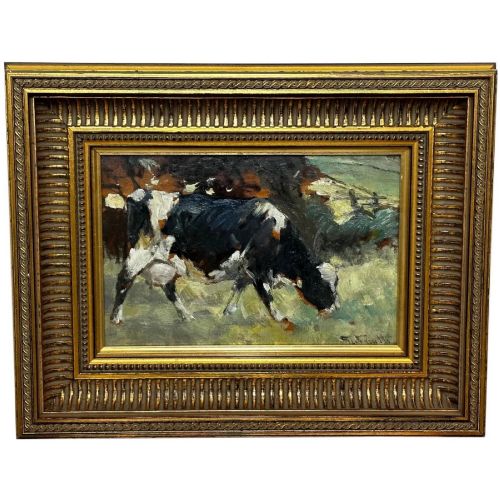
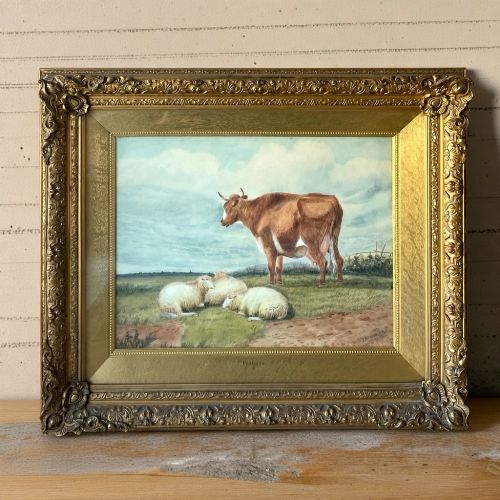
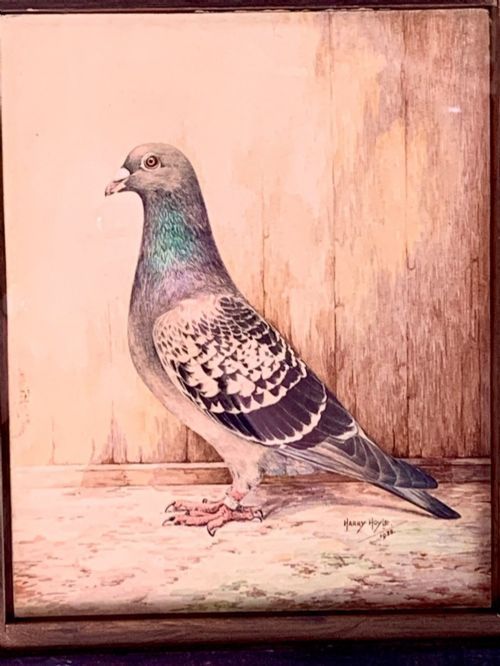
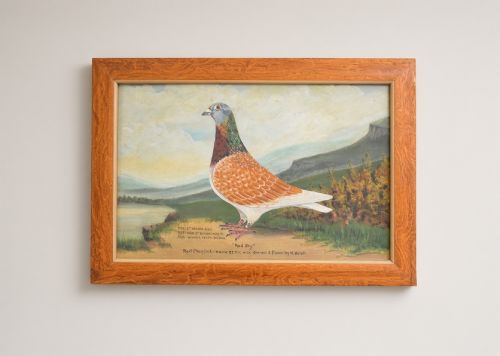
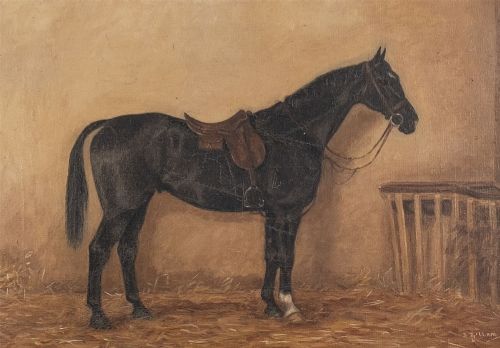
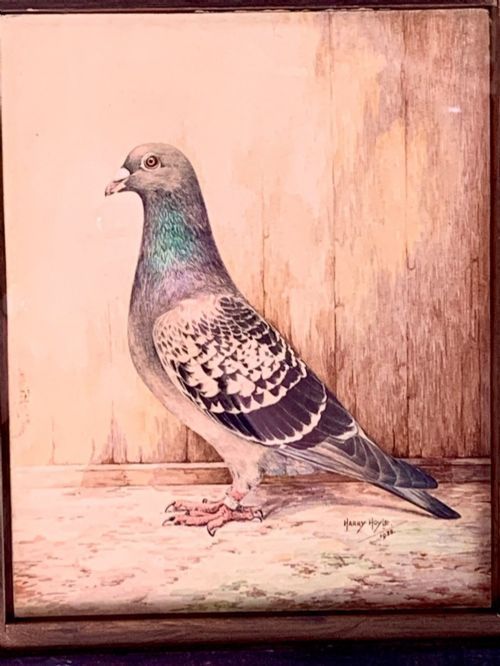
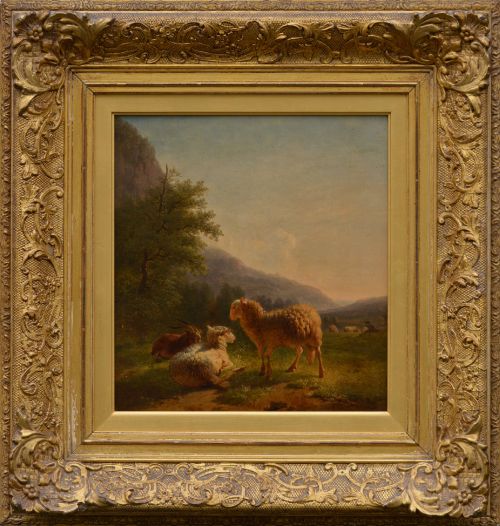
Original animal artwork encompasses a diverse range of subjects, from working dogs and farmyard livestock to racing pigeons and wild cats. When searching for original animal artwork, collectors encounter everything from intimate portraiture of individual pets to sweeping sporting scenes set in the British countryside.
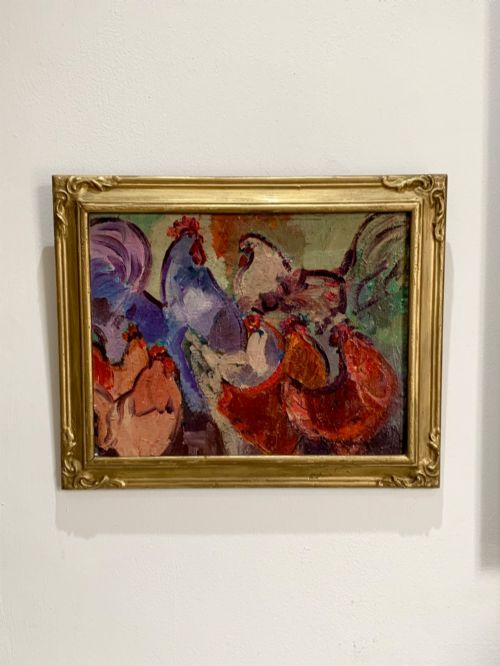
The pieces span multiple centuries, reflecting changing attitudes towards domestic animals and wildlife. Earlier examples lean heavily into Victorian realism and sporting art, while mid-century works introduce bolder compositions on board and canvas.
Materials and Techniques
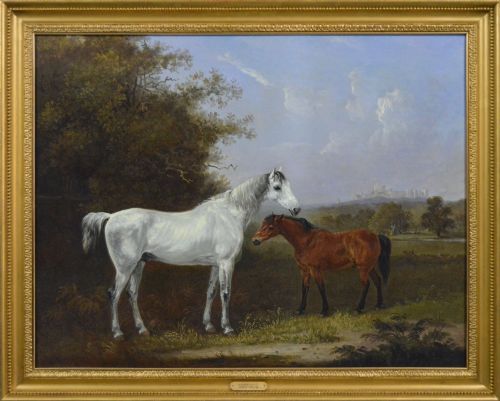
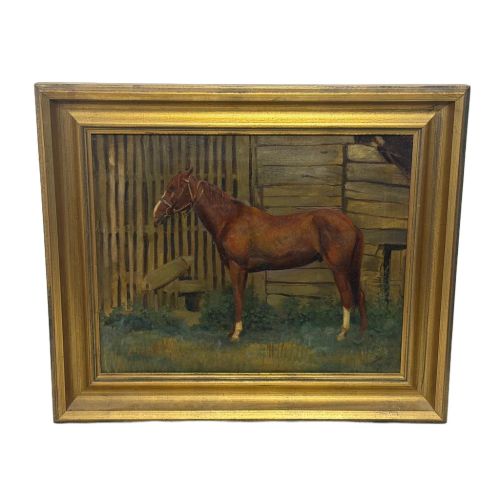
Artists working in this genre relied primarily on oil paint applied to canvas or wood panel to build rich textures in fur, feathers and hides. These oil paintings often capture the play of light across a horse's coat or the dense plumage of game birds with remarkable fidelity.
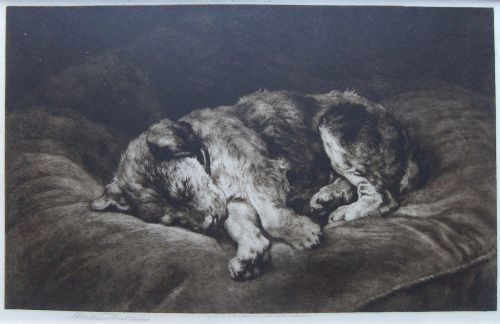
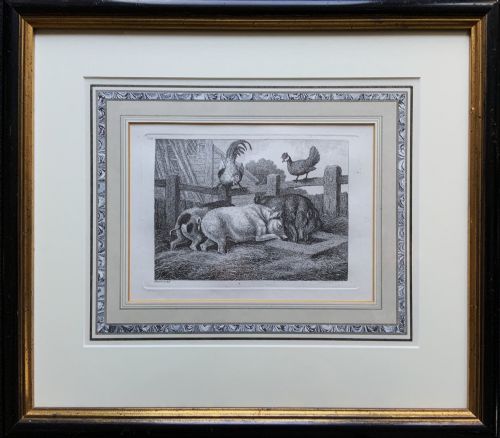
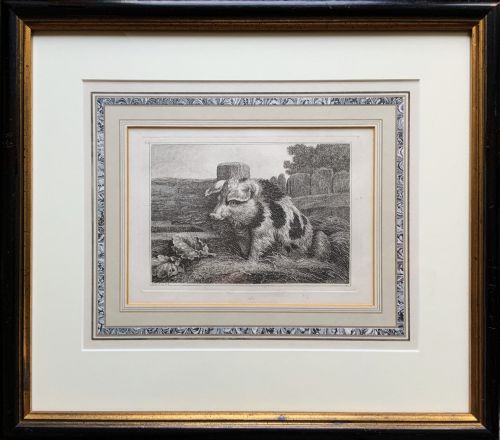
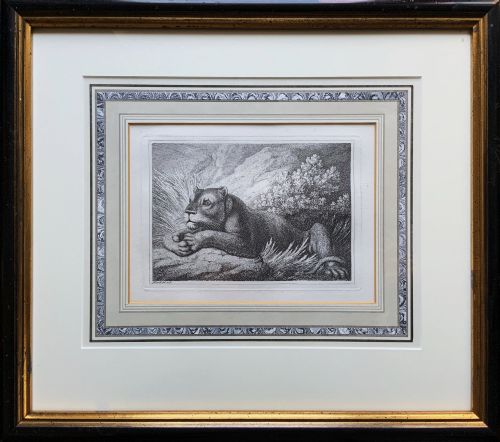
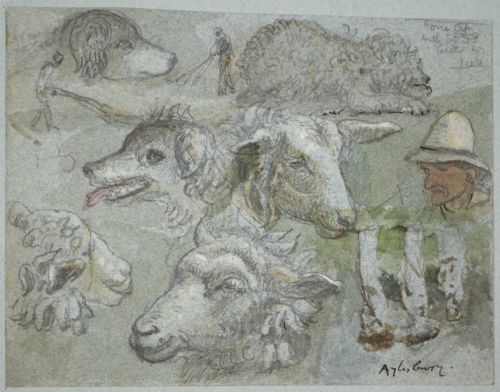
Works on paper utilise watercolour, gouache, pastel and ink to achieve finer linear detail. Etchings and drypoint prints on paper and vellum provide a different method of production, allowing artists to create multiple impressions while retaining sharp anatomical precision.
Original Animal Artwork Retail Price Guide 2026
Typical asking prices for original animal artwork among the pieces listed under this phrase on Sellingantiques today, from the lower quarter to the upper quarter. They describe what is for sale here now, not the wider market.
Materials documented across the works include oil on canvas, watercolour, gouache, etching on vellum and pastel.
Markers of Quality
Quality in these pieces rests heavily upon the artist's grasp of animal anatomy, posture and expression. Superior works convey weight, movement and temperament with conviction, whereas lesser examples can appear stiff or disproportionate.
The handling of surrounding light and habitat also distinguishes finer compositions. Skilled painters integrate the animal seamlessly into its landscape or interior setting rather than treating the subject as an isolated study.
Samuel Howitt·Edmund Bristow·Eugène Verboeckhoven·James Smetham·Kurt Meyer Eberhardt·Edgar Hunt·Herbert Dicksee·Carl Whitfield·William Watson Jnr·Alfred Arthur Brunel de Neuville·Dame Laura Knight·David Orr Kerr·Arthur Wardle·Helena Maguire·Samuel Spode
The Original Animal Artwork Glossary
- Etching
- A printmaking process where lines are bitten into a metal plate with acid before being inked and pressed onto paper. This technique allows for fine, intricate linework.
- Drypoint
- A printmaking method where an artist scratches directly into a metal plate with a sharp needle, producing a velvety burr that holds ink during printing.
- Vellum
- A fine parchment prepared from calfskin, often utilised for premium print editions to give a smooth and durable surface.
- Gouache
- An opaque water-based paint that dries to a matte finish, frequently combined with pencil or ink on paper for heightened contrast.
Original Animal Artwork: Frequently Asked Questions
What periods do these pieces cover?
The available selection spans from the eighteenth century through the Victorian and Edwardian eras into the mid-twentieth century. These periods showcase shifting artistic approaches to domestic and wild animals.
Earlier pieces often reflect traditional sporting art and detailed realism, while later works embrace mid-century modern sensibilities and bolder painting techniques.
How should I care for works on paper?
Works on paper, including watercolours, pastels and etchings, require protection from direct sunlight to prevent fading. Framing with acid-free mounts helps preserve the integrity of the paper over time.
Keeping them away from damp environments ensures the pigments and paper stock remain stable and undamaged.
How are dogs represented in these works?
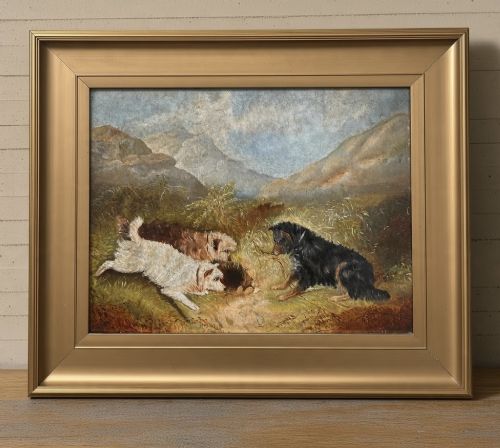
Dogs appear frequently across various mediums, ranging from individual portraits of terriers and spaniels to working packs of hounds in the field. Artists captured both their domestic companionship and their roles in sporting life.
These portrayals highlight distinct breeds and often emphasise the close bond between the animal and its owner.
Are prints considered original artwork?
Original etchings and drypoints created and signed by the artist are classified as original prints rather than mechanical reproductions. Each impression is pulled from the artist's plate, often in limited numbered editions.
These pieces bear the hand of the maker through the printing and signing process.