
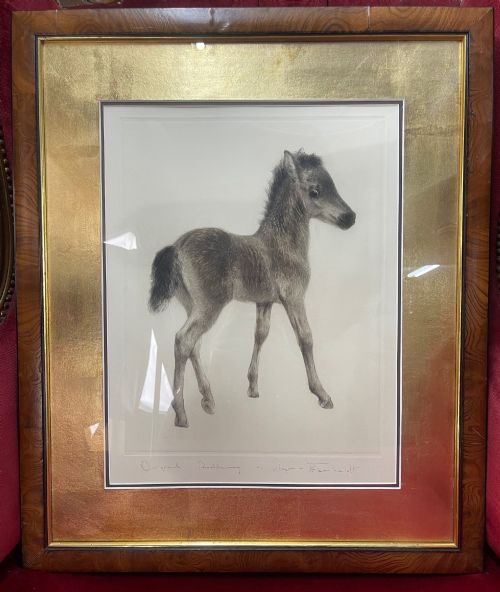
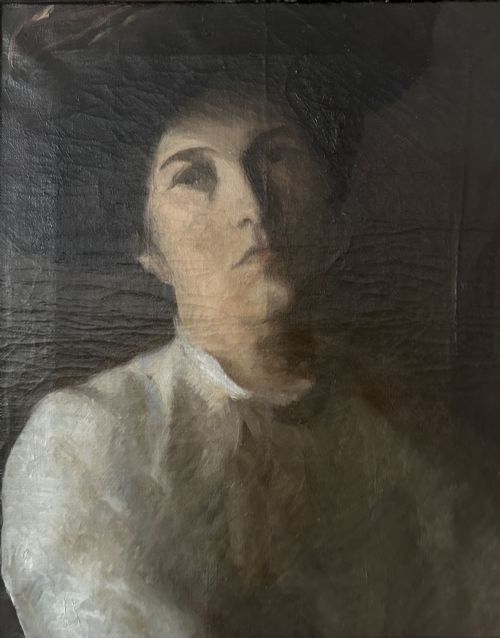
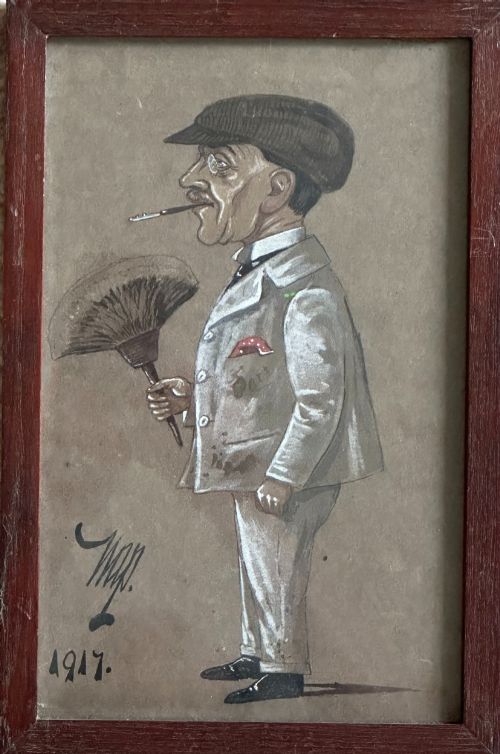
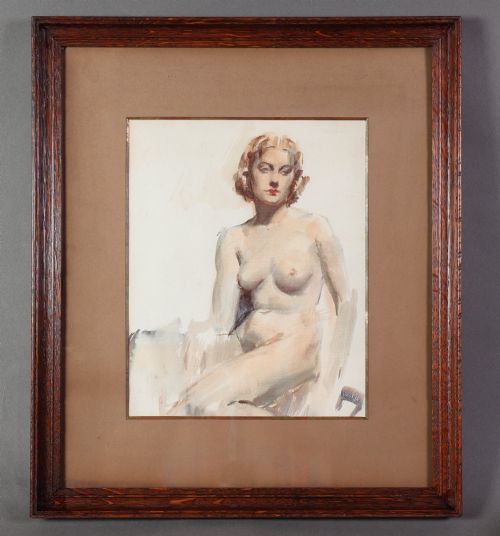
Original 20th Century Portrait
When buying an original 20th century portrait, you invite personality, social history and direct artistic expression into your living space.
Original 20th Century Portrait
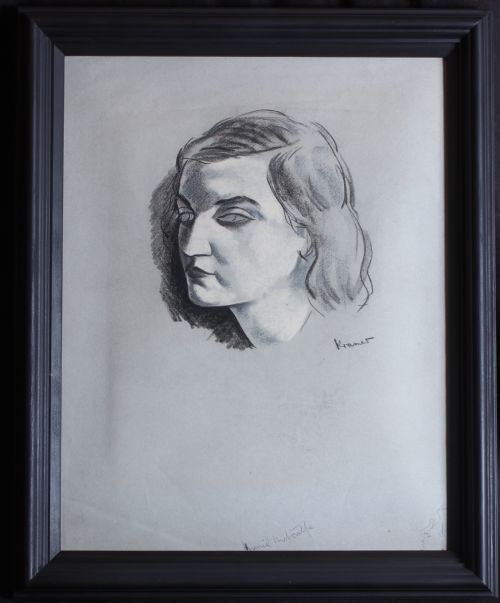
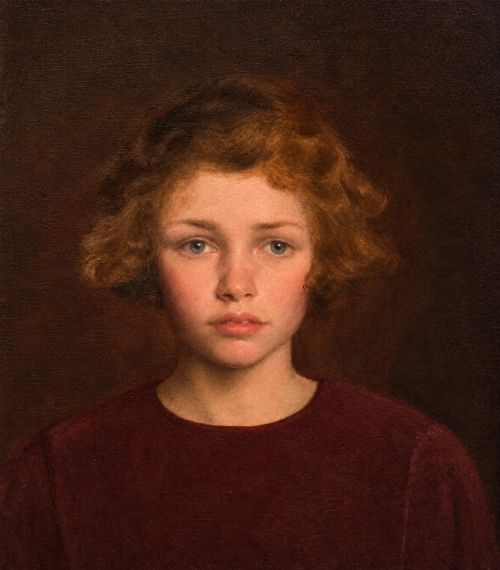
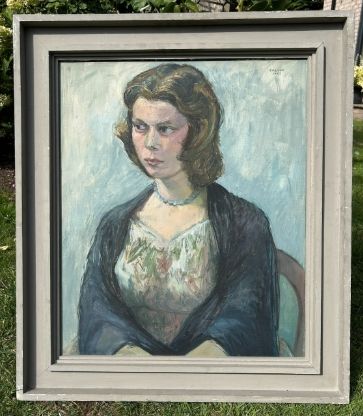
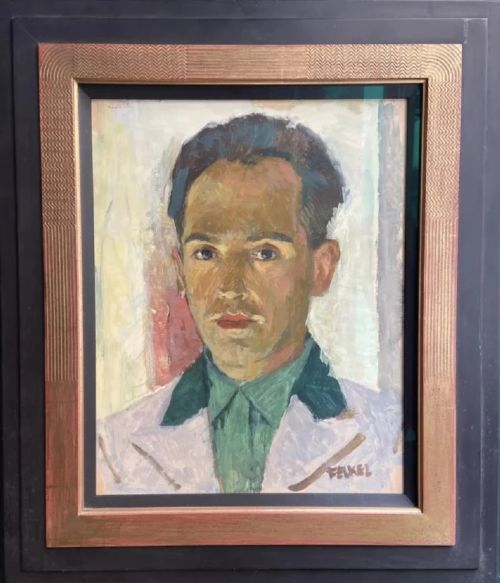
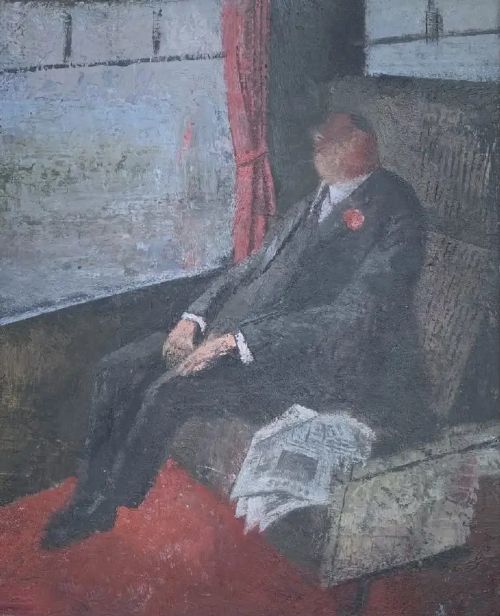
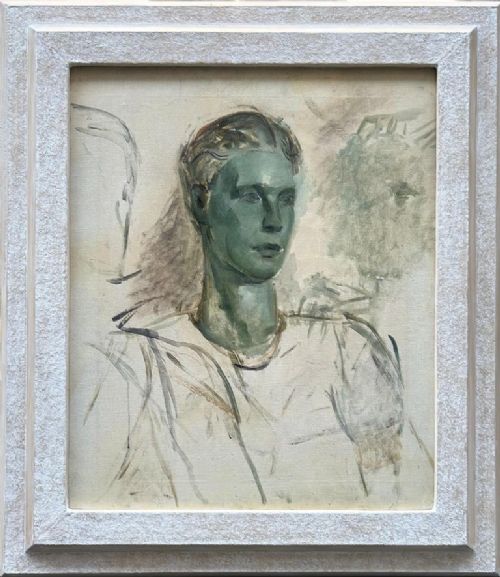
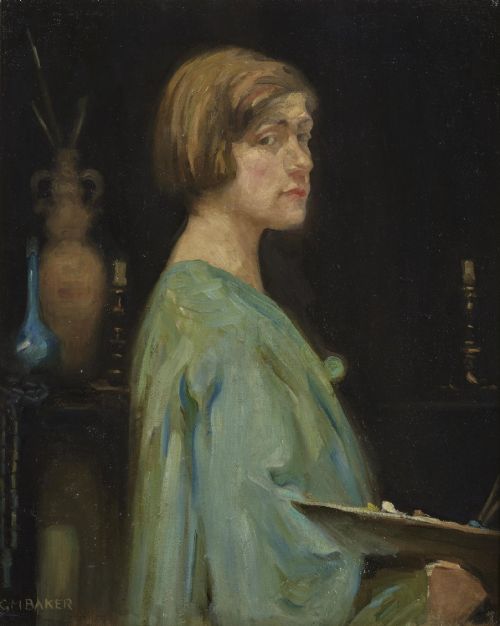
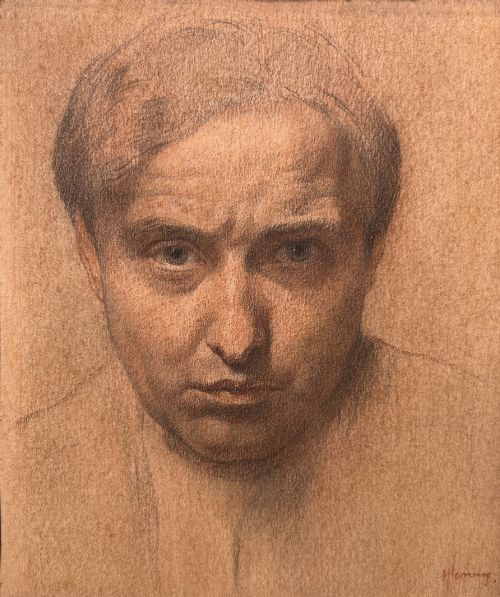
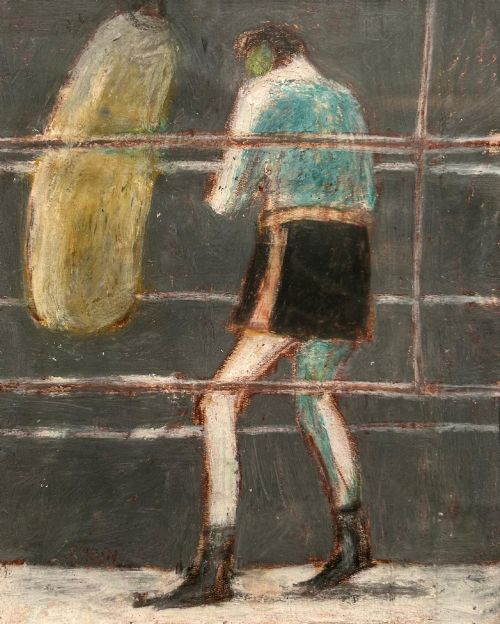
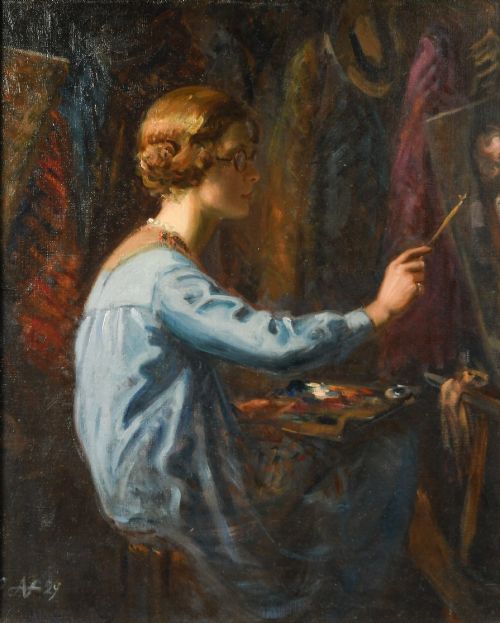
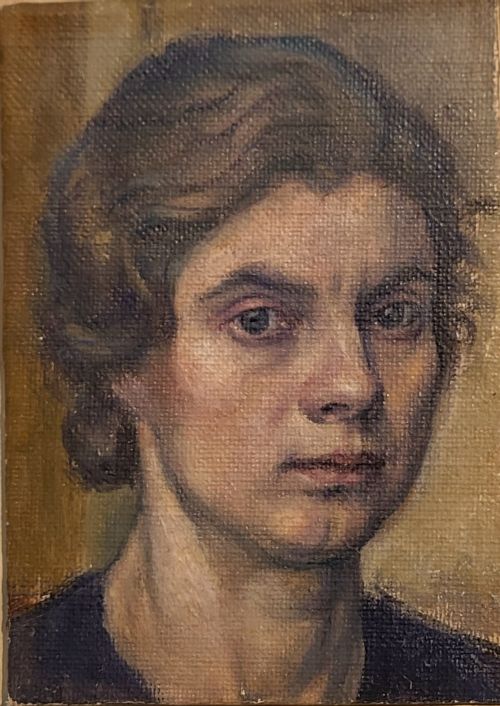
An original 20th century portrait captures the likeness, character and social context of individuals through the evolving artistic lenses of the nineteen-hundreds. Buyers encounter everything from formal oil paintings of ladies in historical clothing to intimate charcoal sketches, atmospheric pastels and modernist studies.
The selections range across distinct decades, reflecting rapid shifts in society, fashion and artistic philosophy from Edwardian elegance through wartime documentation to mid-century abstraction. Most pieces on this page originate from British and European schools, spanning professional commissions, informal self-portraits and expressive life studies.
How They Were Made
Artists utilised traditional oil paint applied to stretched canvas, wooden boards or heavy paper, building rich textures through impasto or smooth glazes depending on the desired mood. Draughtsmen relied on pencil, charcoal, chalk and pastel to capture rapid line work and subtle tonal gradations in preparatory life studies.
Support materials varied widely according to availability and immediate intent, seeing artists work on canvas laid onto board, heavy watercolour paper or framed card. Protective glass commonly covered works on paper and pastels, whilst oil paintings remained unglazed to display the direct brushwork of the maker.
Several sitters share the frame with unexpected companions, including pipes, yellow roses, blue necklaces and even a model boat.
What Varies in Quality
The strength of an original 20th century portrait lies in the confidence of the draughtsmanship and the psychological depth captured by the artist. Masterful handling of light, shade and anatomy elevates a work from a mere likeness to a compelling psychological study.
Execution and material stability also distinguish the range, as pieces created by formally trained painters or established academicians display superior preservation of pigment and structural integrity. The expressiveness of brushstrokes and the authenticity of the sitter's rendered personality separate standard commercial outputs from enduring fine art.
John Hassall·Harold Knight·Augustus John·Harry Epworth Allen
The Original 20th Century Portrait Glossary
- Drypoint
- A printmaking process where an artist scratches a design directly onto a metal plate using a sharp needle-like implement. The resulting burr of metal creates a velvety, rich line when inked and pressed onto paper.
- Post-Impressionism
- An artistic movement following impressionism that rejected strict naturalism in favour of bolder colours, distinct brushstrokes and symbolic content. Works in this style emphasise emotional response over photographic replication.
- Gouache
- An opaque water-based paint that combines pigments with a binding agent and white filler, producing a flat, matte finish. It allows artists to build rich, solid colour blocks and sharp highlights on paper.
- Provenance
- The documented history of ownership surrounding a work of art, tracing its journey from the artist's studio to current collections. Clear records often include exhibition labels, gallery stamps and artist signatures.
Original 20th Century Portrait: Frequently Asked Questions
What defines an original 20th century portrait?
An original 20th century portrait is a unique, hand-drawn or hand-painted depiction of a person created between nineteen hundred and nineteen ninety. These works rely on direct artistic creation using mediums such as oil, pastel, watercolour or pencil rather than mechanical reproduction.
Such pieces capture the individual likeness of sitters alongside the distinct aesthetic movements of the era, ranging from traditional academic portraiture to experimental modernist interpretations.
How do I identify the period of a portrait?
Dating often relies on the clothing, hairstyles and accessories worn by the sitter, which shifted rapidly across the decades from Edwardian high collars to wartime uniforms and mid-century fashions. Signatures, dates inscribed on the reverse, framing styles and artist biographies provide further chronological markers.
Examining the backing materials, canvas types and stretcher frames also helps narrow down the timeframe when direct dates are absent from the composition.
Where should I hang a portrait at home?
Portraits bring a strong human presence to domestic spaces, making them effective focal points in living rooms, hallways or above fireplace mantels. Placing them at eye level allows viewers to engage directly with the gaze and expression of the sitter.
Care should be taken to avoid hanging delicate works on paper, pastels or unglazed watercolours in direct sunlight, which can cause fading and deterioration of the pigments over time.
What is the difference between oil and pastel portraits?
Oil portraits utilise pigment suspended in drying oils applied to canvas or board, offering deep colour saturation, visible brushwork and durable unglazed surfaces. Pastel portraits use compressed pigment sticks on paper, creating a soft, velvety texture and luminous tonal blending that requires protective glass.
Both mediums offer high levels of detail, but oils generally present a heavier structural presence while pastels provide immediate, chalky immediacy.