
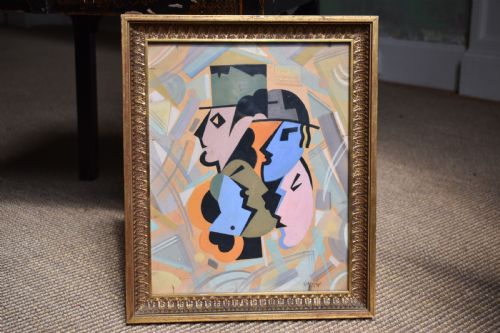


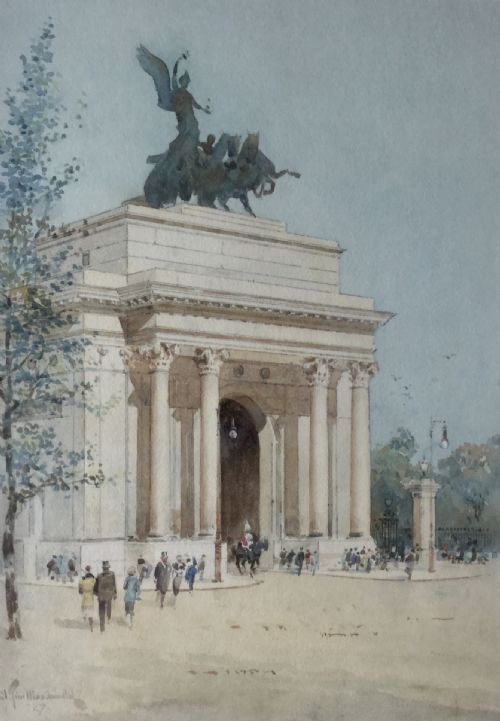


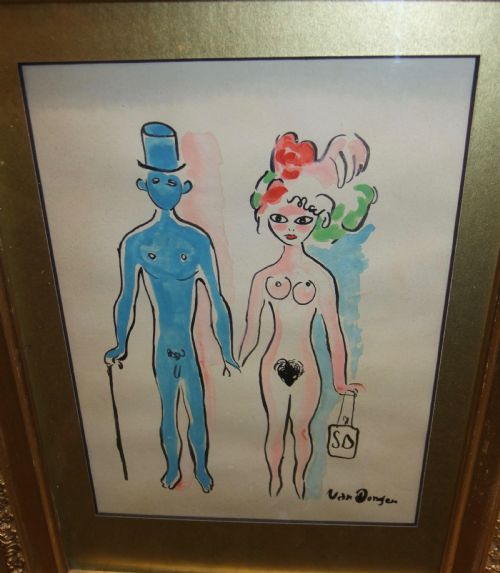
Original 1920s Watercolour
An original 1920s watercolour brings the distinct atmosphere of the interwar years directly to your wall through pigment and paper.
Original 1920s Watercolour
When you search for an original 1920s watercolour, you encounter unique works on paper created during a vibrant period of artistic output. These paintings capture landscapes, townscapes, theatrical scenes and portraits from artists working across Britain and continental Europe.
You are most likely to meet works executed around 1920 to 1930, presented as framed artwork ready for display. The selections range from detailed architectural studies of places like Lincoln to evocative character portraits and coastal views.
The subjects reflect diverse stylistic approaches including early twentieth-century British art, post-impressionism and interwar realism. Each piece offers a direct connection to the hand of the artist through visible brushwork and preparatory pencil lines.
How these watercolours were made
Artists typically applied water-based pigments onto paper support, sometimes combining watercolour with gouache or ink to build opacity and contrast. Pencil underdrawing is frequently visible beneath the paint surface, revealing the initial composition layout.
Many surviving examples are preserved behind glass within wooden or gilt wood frames that protect the fragile paper from environmental damage. The integration of paper, pigment and protective framing ensures the longevity of these delicate works.
Listings feature paper, watercolour, ink, pencil and glass, housed within wood and gilt wood frames.
What varies in quality among these watercolours
Quality in an original 1920s watercolour rests upon the sureness of the brushwork and the clarity of the composition. Accomplished artists handle pigment and water with confidence, creating luminous washes and expressive details that weaker hands miss.
The strength of provenance and attribution also elevates certain pieces, particularly those bearing the signature of a recognised painter or possessing a documented exhibition history. Condition remains vital, as paper stored away from damp and excessive light retains its original vibrancy.
Owen Bowen·Edward Horace Thompson·Edith E Caswall·Fred Lawson·Maurice Asselin·Dame Laura Knight·George Graham·Leo Klin
The Original 1920s Watercolour Glossary
- Watercolour
- A painting method in which the paints are made of pigments suspended in a water-based solution. It is traditionally applied to paper to achieve translucent effects.
- Gouache
- An opaque water-based paint often used alongside watercolour to create highlights and solid areas of colour. It adds body and a matte finish to works on paper.
- Works on paper
- A collective term for art created on a paper support, including watercolours, drawings and prints. This category emphasises the primary medium of the substrate.
- Post-Impressionism
- An art movement extending the impressionist rejection of rigid academic standards while continuing to use vivid colours and distinct brushstrokes. Artists in this tradition prioritized emotional expression over strict optical realism.
- Framed and glazed
- Enclosed within a frame and fitted with a protective glass front. This presentation shields the delicate paper and water-soluble pigments from dust and moisture.
Original 1920s Watercolour: Frequently Asked Questions
How do I identify a 1920s watercolour?
Look for paper stocks, framing styles and stylistic markers characteristic of the interwar period. Signatures, dates and artist records often help confirm the exact decade of creation.
Examining the backing boards and framing materials can also provide additional clues to the age of the artwork.
Were these watercolours meant for framing?
Yes, works on paper from this era were routinely framed behind glass to protect the surface from humidity and handling. Original framing often utilises wood or gilt wood mouldings suited to the period.
Proper framing remains essential for the ongoing preservation of watercolour paintings.
What subjects are most common?
The selections frequently include British and European townscapes, architectural landmarks, portraits and coastal scenes. Artists recorded everyday life as well as theatrical performances and pastoral landscapes.
Regional views, such as scenes around Lincoln or the Lake District, appear alongside continental European village settings.
How should I care for a watercolour?
Keep the artwork away from direct sunlight to prevent the watercolour pigments from fading over time. Maintaining stable indoor humidity protects the paper support from warping or foxing.
Displaying the piece behind protective glass ensures it remains safe from airborne pollutants and physical contact.