




Original 1900 Painting
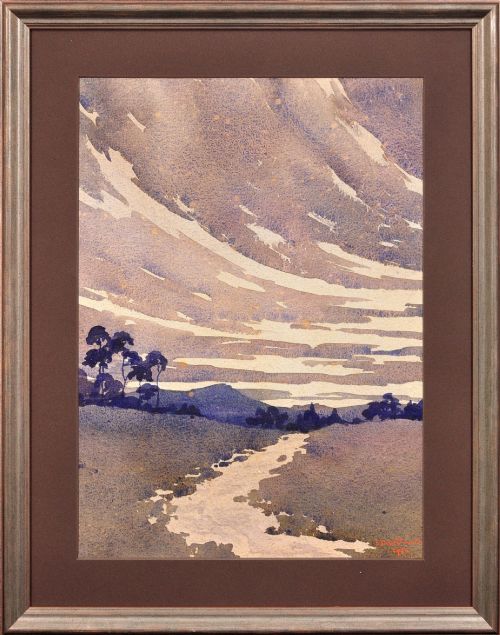
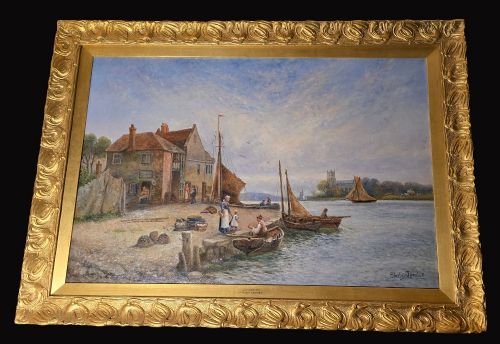
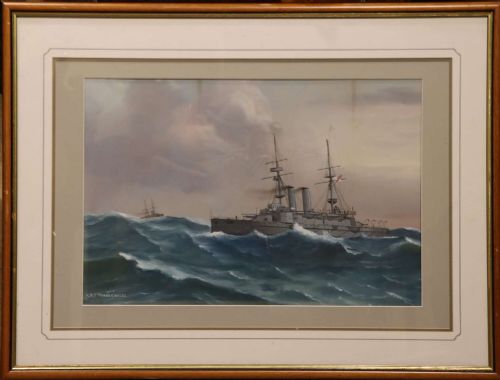
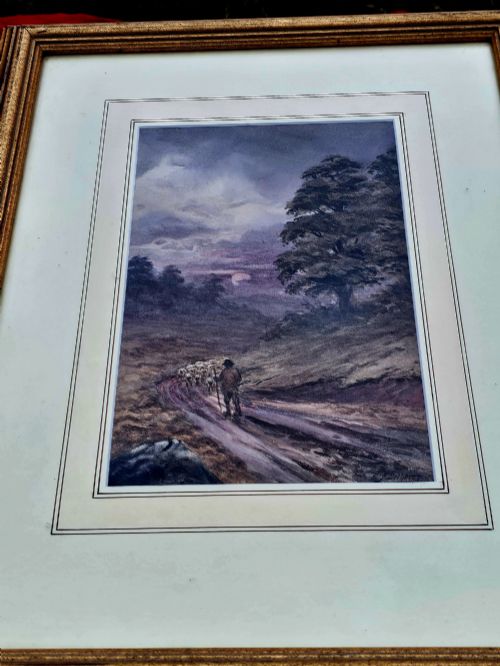
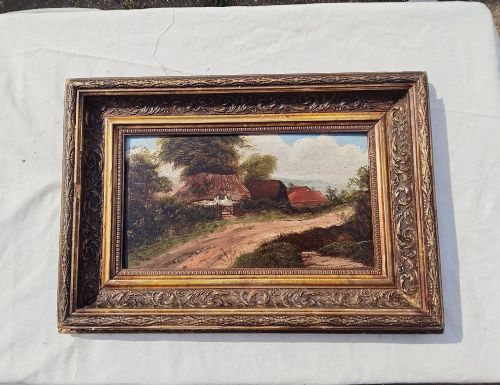
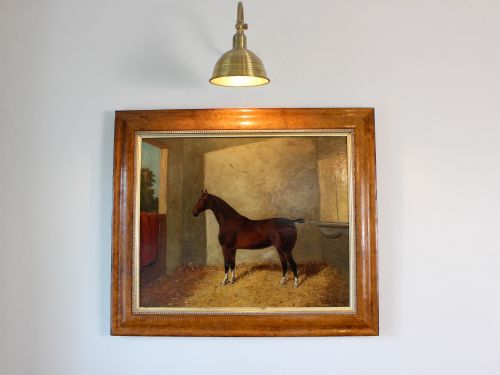
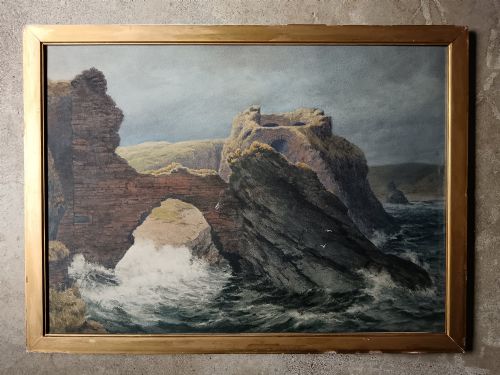
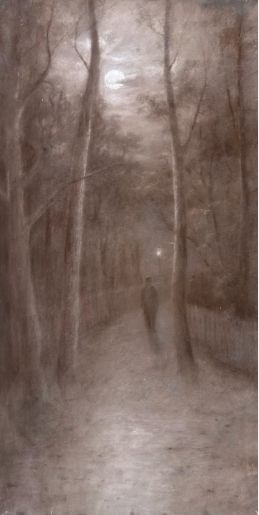
An original 1900 painting captures the precise artistic temperament of the turn of the twentieth century on canvas and paper.
Original 1900 Painting
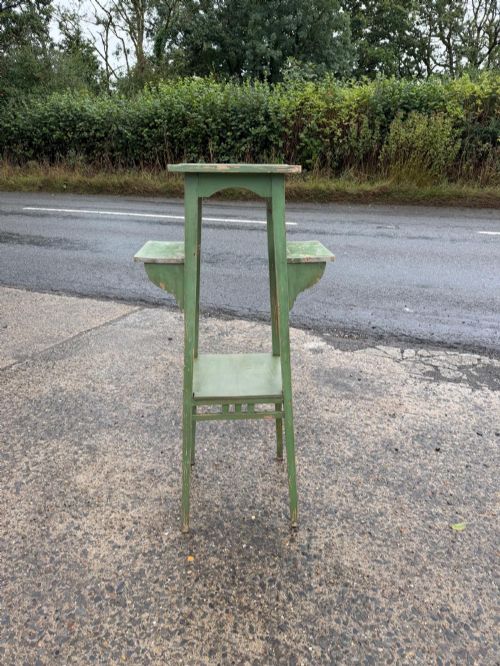
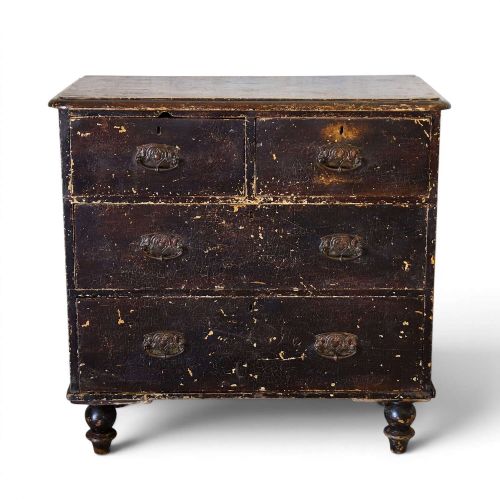
Beyond traditional wall art, the selection occasionally extends to domestic furnishings retaining their original surface treatments from the same chronological anchor. Items such as painted pine chests of drawers and plant stands demonstrate how period aesthetics applied to utilitarian household objects. These varied forms reflect the broad decorative output recorded around nineteen hundred.
How they were made
Makers utilised traditional mediums including oil paint applied to stretched canvas, sturdy card, or wood panels, alongside watercolours and gouache worked on heavy paper. Pigments were brushed, washed, or layered with impasto technique to capture light and atmosphere in landscapes and portraits. Scumble paint finishes on wooden furniture utilised specific glazing methods to create textured, aged surface patterns.
Framing materials typically involved moulded wood, sometimes accented with gilt details or housed within stepped oak surrounds carrying period presentation plaques. Supports were prepared using historical mounting and stretching methods appropriate to the early twentieth century workshop traditions.
Original 1900 Painting Retail Price Guide 2026
Typical asking prices for original 1900 painting among the pieces listed under this phrase on Sellingantiques today, from the lower quarter to the upper quarter. They describe what is for sale here now, not the wider market.
Sheep, hounds, and even an entire railway station roof dismantling make unexpected appearances in this painted gallery.
What varies in quality
The degree of artistic execution and handling of light separates individual works, visible in the confident brushwork of established painters versus stiffer compositions by anonymous hands. Masterful tonal control, particularly in skies and water, creates depth that distinguishes superior historical examples.
Originality of surface preservation dictates worth in both canvases and painted furniture. Pieces retaining untouched scumble finishes or period frames demonstrate higher integrity than those subjected to modern interventions.
G. J. S. Bary·Paul Désiré Trouillebert·John Moxon·Alfred George Morgan·Edward Matthew Elliott·Helen Layfield Bradley·Samuel Timmins·Arthur Wardle·Edward Henry Eugene Fletcher·Jules Evarist van Biesbroeck·William Joseph Boyes·Frederick William Booty·Paul Jean Clays·Henri Therme·Kershaw Schofield·Henry J Neave·Robert Winchester Fraser·Walter Henry Goldsmith·Henry Charles Fox·Charles A Bool·John Dobby Walker·W H Rooke·Thomas Faed·Issaac Mitchine
The Original 1900 Painting Glossary
- Watercolour
- A painting method where fine pigment is suspended in a water-based, translucent solution. Artists applied these mixtures to paper to achieve luminous washes.
- Impasto
- Paint applied thickly to a canvas so that it stands out distinctly from the surface. This technique gives texture and catches physical light within the composition.
- Scumble
- A thin, opaque layer of light paint passed lightly over a darker dry background. This method creates a broken, textured colour effect on wooden furniture.
- Gouache
- An opaque water-based paint featuring added white pigment for denser coverage. It allows for solid blocks of colour and sharp linear details.
- Barbizon School
- A nineteenth-century French art movement focusing on realistic, moody landscape painting. Practitioners favoured direct observation of nature and tonal subtlety.
Original 1900 Painting: Frequently Asked Questions
How do I identify a nineteen hundred watercolour?
Examine the paper substrate, framing materials, and the characteristic pigments used by artists working at the turn of the century. Signatures and dates often corroborate the period context.
Compare the stylistic handling with documented regional British and European schools from the late Victorian or Edwardian eras to confirm authenticity.
Were these artworks framed originally?
Many surviving pieces retain period wooden or gilt frames that complement the aesthetic of the painting. These surrounds often show historical wear consistent with age.
Original framing provides valuable contextual clues regarding the history and display of the artwork since production.
What subjects are most common?
Landscape, maritime, and portrait subjects dominate the selection, reflecting popular tastes of the period. Scenes of coastal harbours, rural rivers, and domestic animals appear frequently.
Artists frequently documented local British scenery alongside continental European views during travels.
How should I care for a painted wood piece?
Keep painted chests and stands away from direct sunlight and fluctuating heat sources to protect the fragile historical surface. Gentle dusting with a dry cloth preserves the finish.
Avoid chemical cleaning products that might strip original scumble paint or destabilise the aged wooden structure.