







Orientalist Canvas Art
Orientalist canvas art brings the light, people, and architecture of distant lands straight into a room through oil paint and fine art.
Orientalist Canvas Art
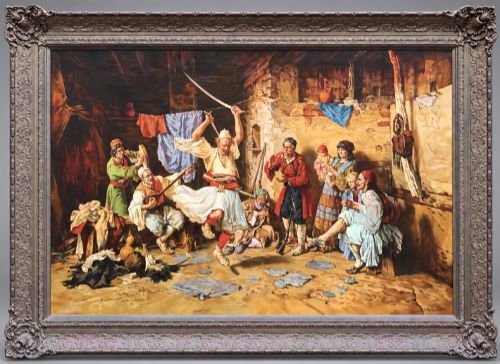
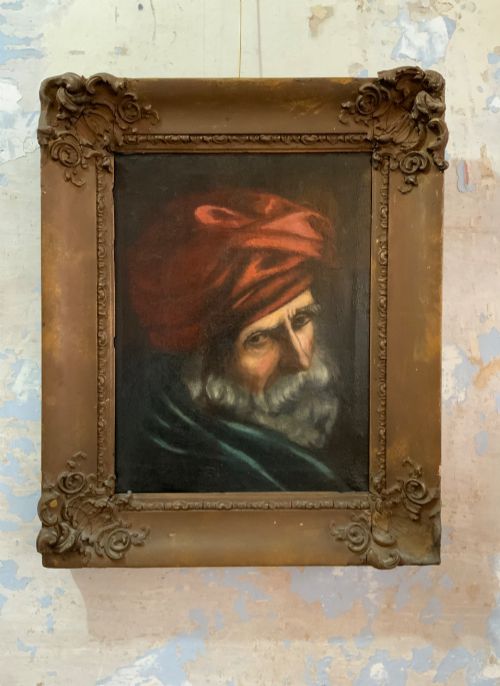
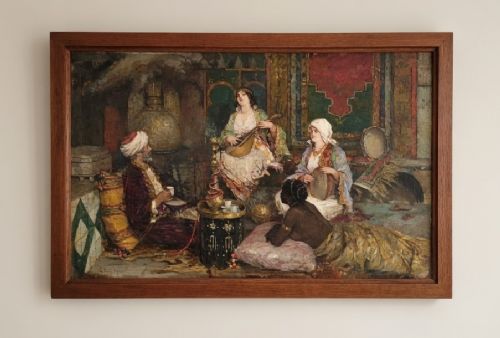
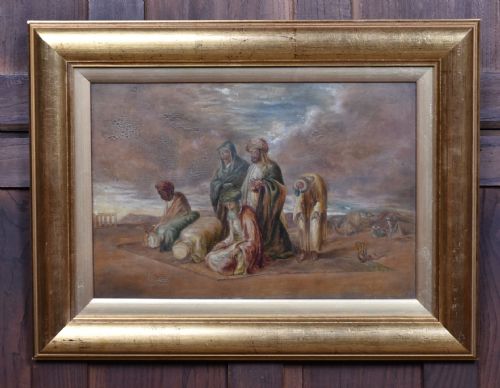
Orientalist canvas art captures scenes of Middle Eastern life, desert landscapes, and ornate interiors through 19th-century and mid-century oil paintings. Buyers seeking orientalist canvas art find portraits of gentlemen, desert scenes with camels, and architectural views painted with striking detail.
The pieces on this page span from the 19th century up to 1960, including works after established painters and avant-garde compositions. Forms range from standard oil paintings on canvas and board to French Chinoiserie wall panels and pastels on canvas.
Subjects draw heavily from travels and artistic interpretations of Persian, Arab, and North African cultures. These works function as striking wall art that brings historical depth and narrative richness to any interior space.
Materials and Techniques
Canvas serves as the primary support for these works, stretched across wooden frames or integrated into rigid panels. Artists applied oil paint, encaustic, and pastel to build up rich textures, tonal depth, and atmospheric lighting.
Giltwood, gesso, and gold leaf frequently frame or accent these pieces, adding traditional decorative weight to the painted surface.
Orientalist Canvas Art Retail Price Guide 2026
Typical asking prices for orientalist canvas art among the pieces listed under this phrase on Sellingantiques today, from the lower quarter to the upper quarter. They describe what is for sale here now, not the wider market.
Listings feature works executed in oil paint, pastel, and encaustic on canvas, spanning the 19th century up to 1960.
Judging Quality and Execution
Quality rests in the handling of light, shadow, and human expression within the oil paint. Superior works demonstrate confident brushwork and anatomical accuracy in figures and animals.
The integrity of the canvas support, the preservation of the original paint layer, and the quality of the associated wooden framing contribute significantly to a piece's overall standing.
Paja Jovanović·Gabriel Puig Roda·Frederick Goodall·William James Muller·R.A Bartlett·Abraham Cooper·Hugo Vogel·Abdul Kadir Al Rassam·Alexandre Decamps·K. Schubert
The Orientalist Canvas Art Glossary
- Oil paint
- A slow-drying paint made by combining pigment grains with drying oils such as linseed. This medium allows artists to achieve subtle tonal gradations and rich surface textures.
- Encaustic
- A technique involving heated beeswax mixed with coloured pigments applied to a canvas or panel. The result is a durable surface with distinct luminosity.
- Chinoiserie
- A European style that reflects Chinese and East Asian artistic traditions, often applied to decorative panels and canvases. It uses ornate motifs and imaginative landscapes.
- Fauvism
- An early twentieth-century movement characterised by strong colours and painterly qualities rather than realistic or conservative values. Fauve works prioritize expressive brushwork.
- Pastel
- A medium consisting of powdered pigment and a binder, worked directly onto a canvas surface to create velvety, matte colour effects.
Orientalist Canvas Art: Frequently Asked Questions
What is orientalist canvas art?
Orientalist canvas art consists of paintings executed on canvas that depict scenes, people, and landscapes from the Middle East and North Africa. These works were predominantly produced during the 19th and early 20th centuries by European and regional artists.
The genre encompasses formal portraits, desert vistas, and architectural studies. Artists sought to record the distinct light, costume, and atmosphere of distant regions for viewers at home.
How should I hang oil paintings?
Oil paintings on canvas require stable wall spaces away from direct sunlight and excessive humidity. Proper hanging protects the canvas tension and prevents the oil paint from fading or cracking over time.
Ensure the wall fixings match the weight of the canvas and its wooden frame. Period frames often carry significant weight and need secure support.
How do I identify 19th-century paintings?
Nineteenth-century paintings often show specific characteristics in the preparation of the canvas and the formulation of the oil paints. Signatures, dates, and stretcher frame construction provide clear clues to the era.
Examining the reverse of the canvas can reveal historical dealer stamps, artist inscriptions, and the ageing of the wood and fabric.
What is the difference between oil and pastel on canvas?
Oil paint uses drying oils to bind pigments into a flexible, glossy or satin paint layer that withstands cleaning and handling. Pastel relies on dry pigment sticks applied directly to a prepared canvas surface.
Pastel works require protective glass or careful placement to avoid disturbing the delicate pigment powder. Oil paintings offer a more resilient surface.
Where were Chinoiserie panels used?
Chinoiserie panels were designed to decorate grand domestic interiors, often integrated into wall panelling or hung as decorative art. They brought imaginative interpretations of Asian aesthetics into European homes.
These canvas panels served to create immersive, exotic decorative schemes within period rooms.