




Oriental Wooden Lamp
An oriental wooden lamp brings hand-carved detail and rich grain into a room, offering warm illumination rooted in distant traditions.
Oriental Wooden Lamp
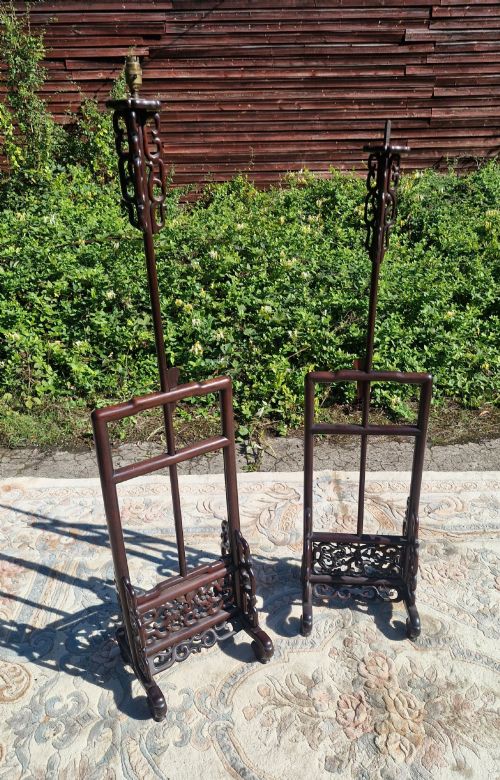
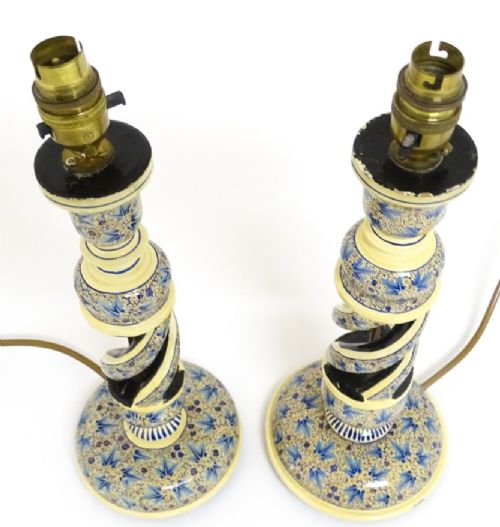
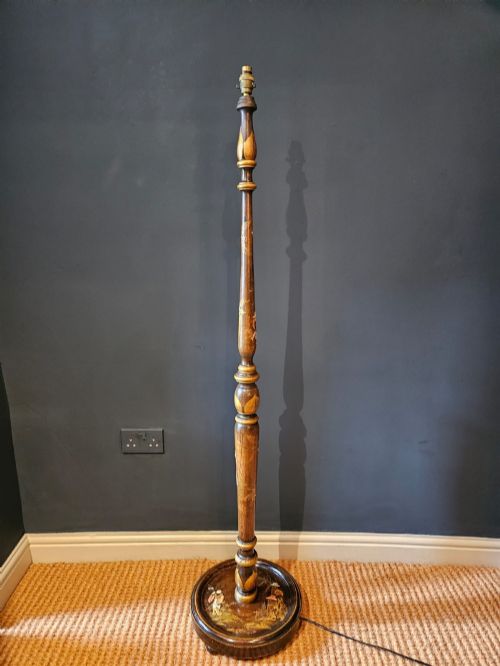
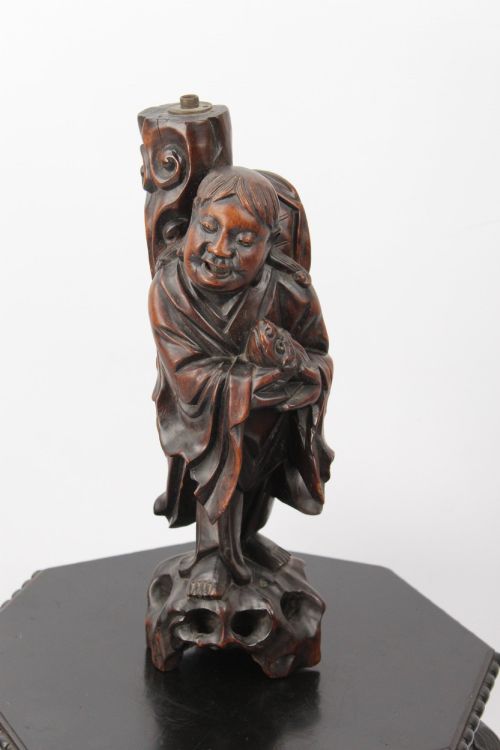
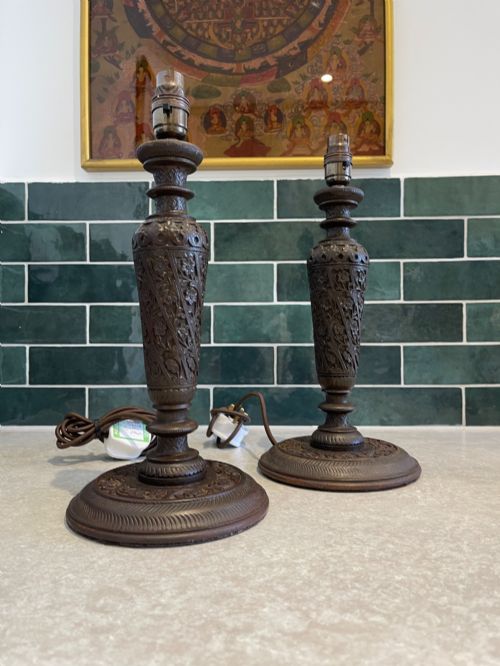
When you search for an oriental wooden lamp, you encounter items shaped from hardwood, padauk, and root wood, spanning the nineteenth century through the early decades of the twentieth century. These pieces encompass table lamps, standard lamps, and lamp standards adapted from earlier furnishings like lantern stands and vases.
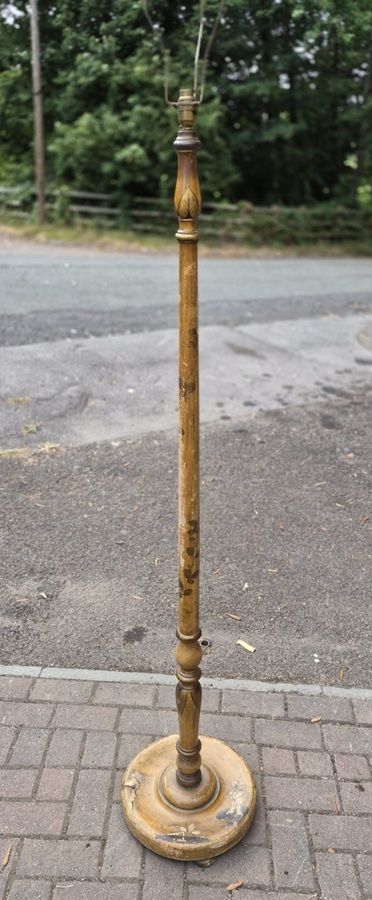
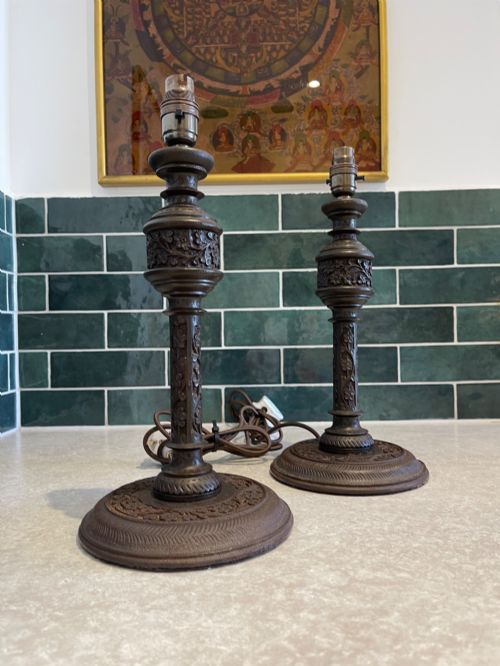
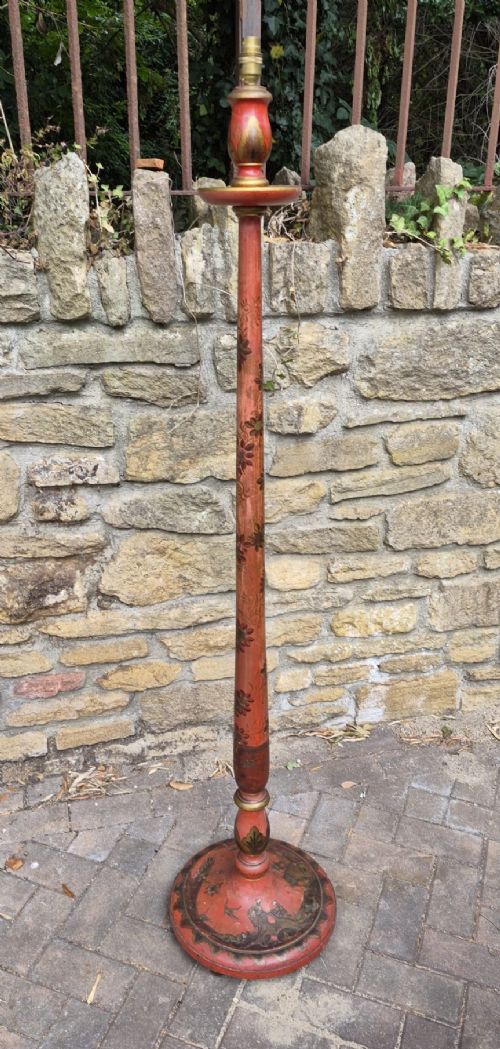
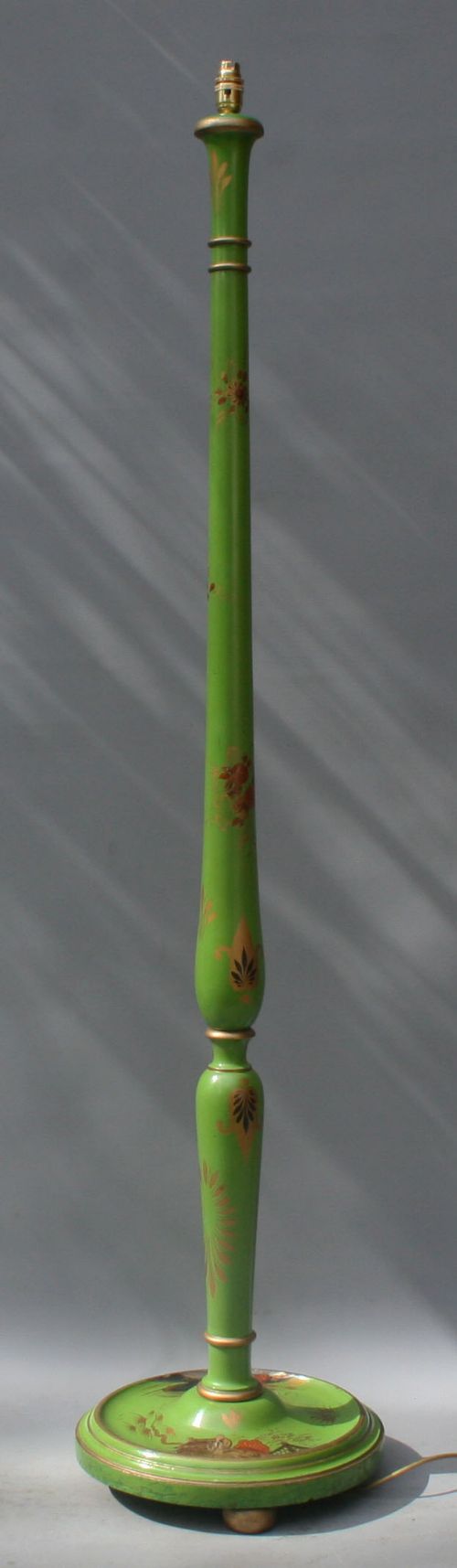
The most common examples on this page are standard lamps and table lamps reflecting Chinoiserie, Anglo-Indian, and Japanese Meiji designs. Makers utilised regional carving traditions, resulting in standard lamps and smaller table models that integrate carved dragons, floral motifs, and painted surfaces.
Origins stretch across China, Kashmir, Japan, and India, with many pieces originating in the Victorian and Edwardian periods as European households embraced imported craftsmanship. These lights frequently combine native timber bodies with fabric shades or repurposed porcelain vessels.
Materials and Construction
Craftsmen built these lamps using dense timbers such as teak, padauk, ebonised elm, and root wood, often selecting woods capable of supporting intricate, deep-relief carving. Structural elements frequently incorporate brass fittings and marble inserts to add weight and stability to tall standard lamps.
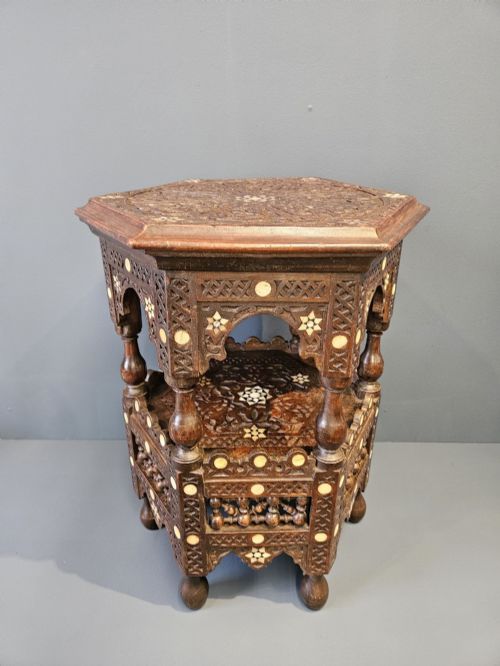
Decoration relied on hand-painting, lacquer work, and mother-of-pearl inlay embedded into the timber grain. Artisans shaped standard lamp shafts from single turned posts or assembled them from sections, integrating carved dragons and panels reflecting Qing Dynasty or regional aesthetic principles.
Oriental Wooden Lamp Retail Price Guide 2026
Typical asking prices for oriental wooden lamp among the pieces listed under this phrase on Sellingantiques today, from the lower quarter to the upper quarter. They describe what is for sale here now, not the wider market.
Listings feature woods including teak, padauk, and root wood, alongside materials such as brass, marble, and porcelain.
Assessment of Quality
The standard of carving sets the better pieces apart, distinguishing fluid, deeply undercut dragon motifs and crisp floral relief from shallow, mechanical work. Superior examples display careful timber selection, where the natural grain of padauk or root wood enhances rather than distracts from the form.
Integrity of construction defines the upper tier, seen in stable joinery on tall lamp standards and well-preserved lacquer or hand-painted surfaces. Pieces that retain their original proportions without excessive alteration to accommodate modern wiring demonstrate higher desirability among collectors.
The Oriental Wooden Lamp Glossary
- Chinoiserie
- European decorative style reflecting Chinese artistic traditions. It appeared frequently on standard lamps and furniture during the Victorian and Edwardian eras.
- Meiji Period
- Era of Japanese history dating from eighteen sixty-eight to nineteen twelve. Pieces from this time often feature meticulous woodworking and mother-of-pearl inlay.
- Padauk
- Heavy, reddish-brown tropical hardwood used for furniture and lamp standards. Its durable nature suited substantial turned shafts and carved bases.
- Root wood
- Gnarled timber sections shaped by natural growth patterns. Chinese artisans utilised these irregular forms to create distinctive table lamp bases and stands.
- Famille Verte
- Chinese porcelain classification dominated by green enamels. Such ceramic vessels occasionally form the body of an antique table lamp.
Oriental Wooden Lamp: Frequently Asked Questions
What periods do these lamps come from?
The selection spans the nineteenth century through the early twentieth century, encompassing Victorian and Edwardian pieces alongside nineteen-twenties productions.
Dates draw from specific historical windows including the Meiji period and late Qing Dynasty influences.
How were these lamps originally used?
Many standard lamps and table models served to illuminate formal reception rooms in British homes influenced by oriental design tastes.
Some items began as lantern stands, jardiniere supports, or vases before conversion into functional lighting fixtures.
Are standard lamps and table lamps different?
Standard lamps are tall floor-standing fixtures designed to illuminate a wider area, while table lamps sit on occasional tables, side tables, or pedestals.
Both categories utilise similar carved wooden techniques and regional stylistic motifs.
How do I care for an antique wooden lamp?
Maintain the timber and lacquer surfaces by dusting with a soft, dry cloth and avoiding direct sunlight or excessive moisture.
Ensure any electrical components comply with current safety standards while preserving the original wooden structure.