


Oriental Wood Chair
An oriental wood chair brings profound sculptural presence and centuries of refined craftsmanship into a room, offering both functional seating and arresting visual art.
Oriental Wood Chair
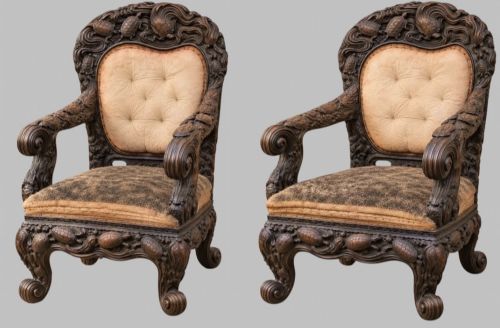
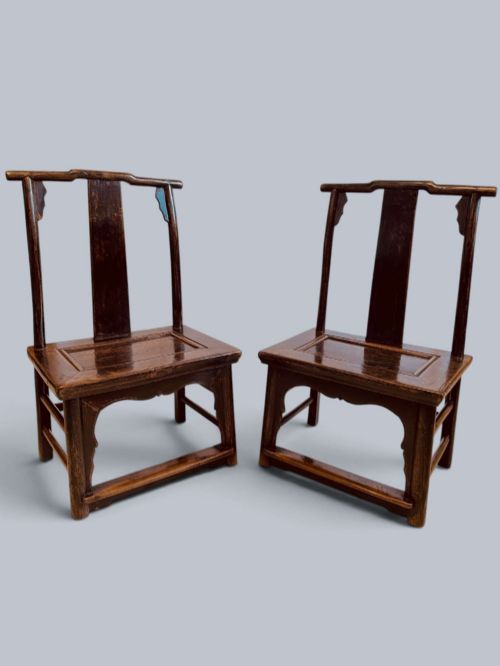
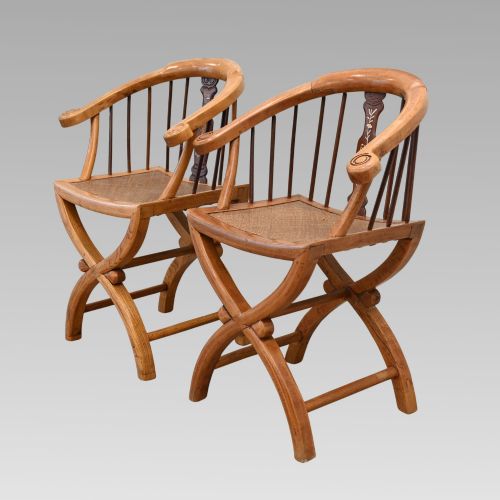
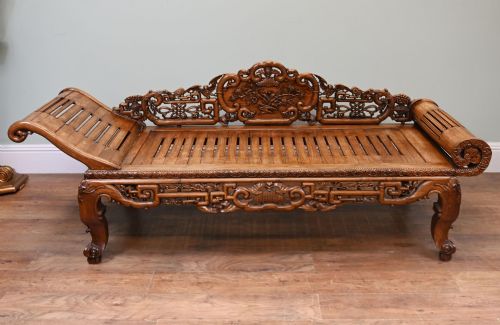
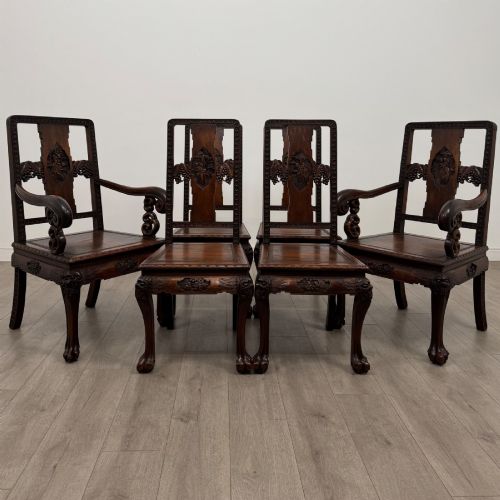
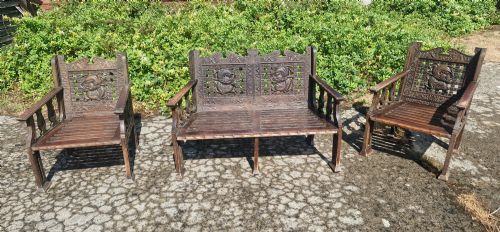
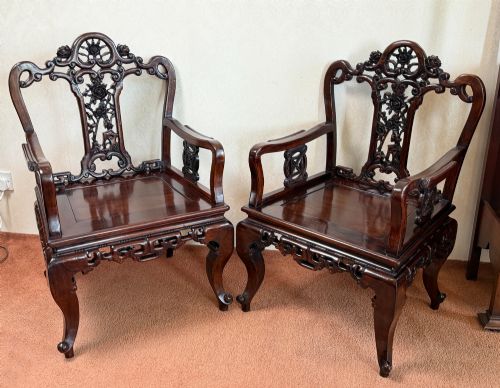
An oriental wood chair encompasses seating forms originating from China, Burma, and India, ranging from simple elm side seats to elaborate throne chairs. These items include horseshoe-back armchairs, yoke-back designs, and substantial hardwood benches built for domestic or ceremonial use.
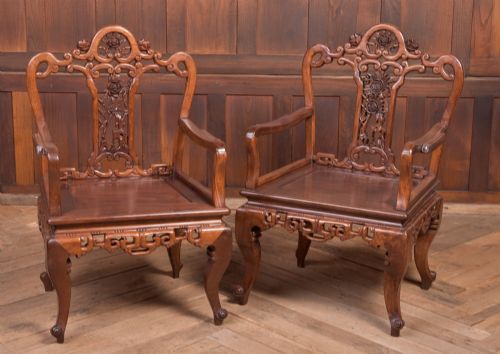
The varieties met most frequently span the nineteenth century and the Edwardian period, often constructed from dense native hardwoods or elm. Examples frequently arrive as pairs or matched dining sets, reflecting traditional Asian domestic arrangements.
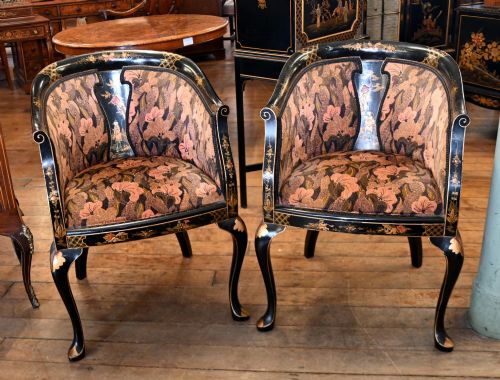
Forms extend from low opium benches and folding camp seats to tall throne chairs and lacquered hall seating. Buyers encounter distinct regional traditions, notably Chinese export pieces alongside Anglo-Indian and Burmese creations.
Materials and construction methods
Joinery relies on sophisticated interlocking wood joints that dispense with metal nails or screws, allowing the dense timber to expand and contract naturally. Hardwoods such as rosewood and hongmu provide immense structural strength, while elm and blonde wood offer contrasting grain and flexibility.
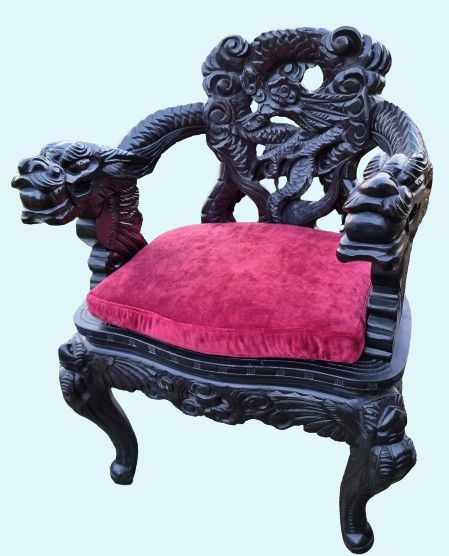
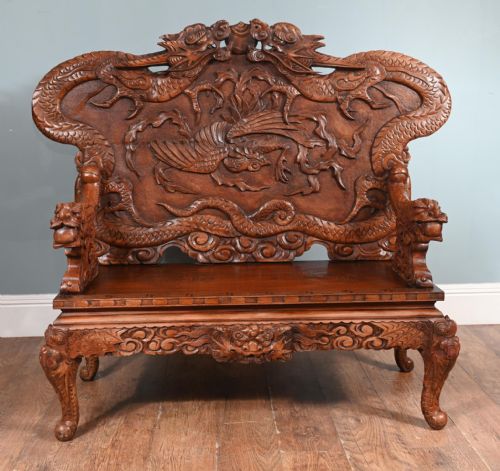
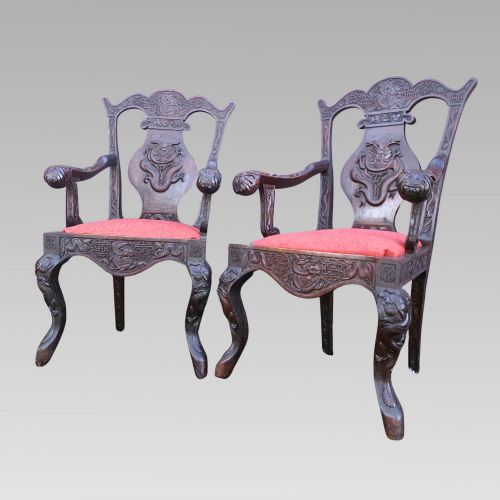
Carving technique defines much of the surface detail, utilising deep relief work to depict dragons, foliage, and daily scenes into the solid wood. Finishes range from natural waxed patinas to layers of red lacquer and cinnabar, preserving the timber while adding rich colour.
Oriental Wood Chair Retail Price Guide 2026
Typical asking prices for oriental wood chair among the pieces listed under this phrase on Sellingantiques today, from the lower quarter to the upper quarter. They describe what is for sale here now, not the wider market.
Listings feature seating constructed from rosewood, teak, elm, and cane, spanning the eighteenth century through the Edwardian era.
Evaluating craftsmanship and condition
Quality rests primarily on the crispness of the wood carving and the integrity of the traditional joinery. Superior examples retain original lacquer finishes and develop a deep, rich patina across the hardwood surfaces over generations.
Proportion and balance distinguish finer workshop output from more utilitarian pieces, with authoritative yoke-backs and horseshoe curves displaying harmonious geometry. The presence of brass inlay, cane work, or integrated carving elevates the sculptural impact of the seating.
The Oriental Wood Chair Glossary
- Yoke-back
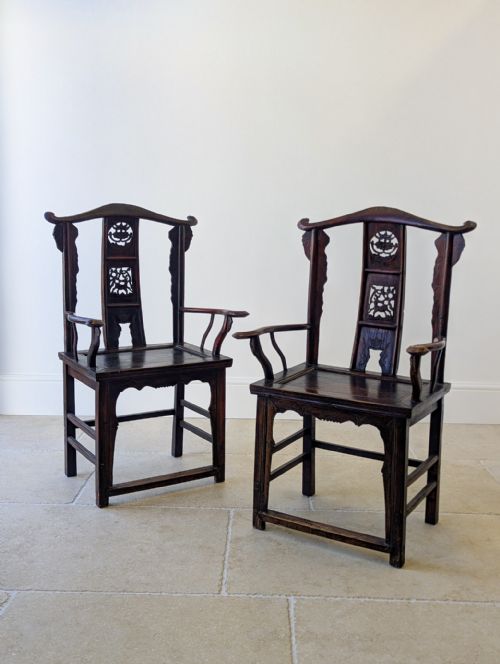
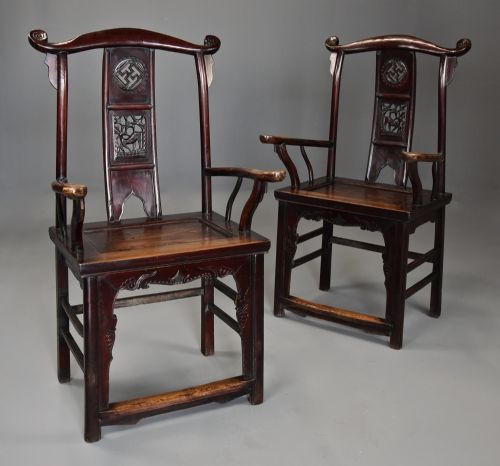
- A chair design featuring a top rail resembling a traditional ox yoke, curving gracefully for head support. This form dates back centuries in Chinese furniture design.
- Horseshoe-back
- A continuous curved backrest and armrest shaped in a single sweeping arc. It provides ergonomic comfort through its flowing circular geometry.
- Hongmu
- A translation meaning red wood, referring to various dense, heavy Asian hardwoods akin to rosewood. It forms the structure of many high-status antique chairs.
- Cinnabar
- A red mineral pigment used in thick layers of lacquer on fine decorative surfaces. Carving through these coloured strata reveals intricate patterns.
- Bergere
- An enclosed upholstered armchair with exposed wooden framing and woven cane panels. This style appears in cross-cultural adaptations from the early twentieth century.
Oriental Wood Chair: Frequently Asked Questions
Where were oriental wood chairs placed historically?
Historically, these chairs served formal reception rooms, ancestral halls, and domestic studies, where seating arrangement reflected social hierarchy. Throne chairs and heavy armchairs occupied prominent positions of authority.
Smaller side chairs and elm benches accommodated dining, daily work, or hallway placement, while folding variants served travelling scholars or officials.
How should I care for antique hardwood seating?
Maintenance requires keeping timber away from direct heat sources and sudden humidity fluctuations to prevent wood splitting. Regular dusting with a soft, dry cloth preserves the finish.
Applying a traditional wax polish occasionally helps nourish exposed hardwoods and maintains the natural patina developed over the centuries.
What distinguishes yoke-back chairs?
Yoke-back chairs are defined by their distinctive upper crestrail, which curves upward and outward like an agricultural ox yoke. This shape provides comfortable shoulder and head support.
Originating in classical Chinese cabinetmaking, this form relies on subtle tapering and clean lines to balance structural rigidity with visual lightness.