




Oriental Wood Cabinet
These oriental wood cabinet selections span nineteenth and twentieth century Asian and European interpretations, offering practical storage with distinct cultural artistry.
Oriental Wood Cabinet
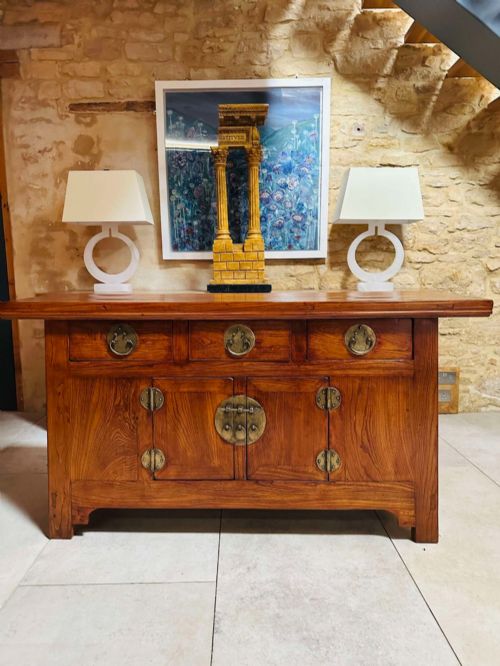
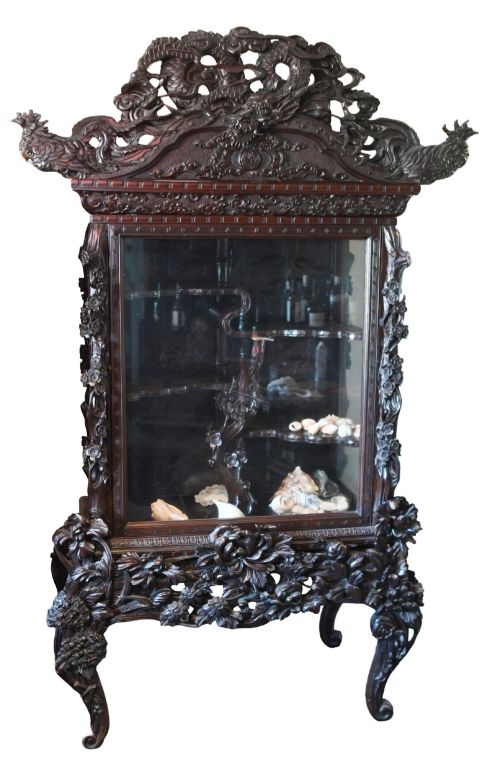
When buyers search for an oriental wood cabinet, they encounter a diverse range of forms including apothecary chests, wedding coffers, display cabinets, and tall storage cupboards. These pieces originate from various traditions across China, Japan, Korea, and Tibet, alongside European interpretations influenced by Eastern design.
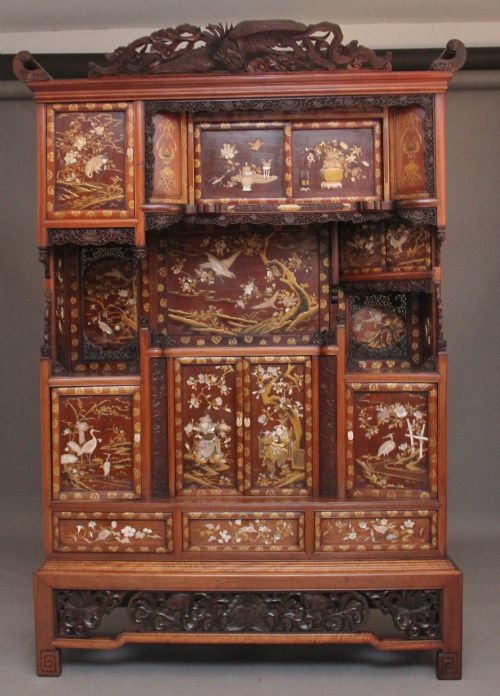
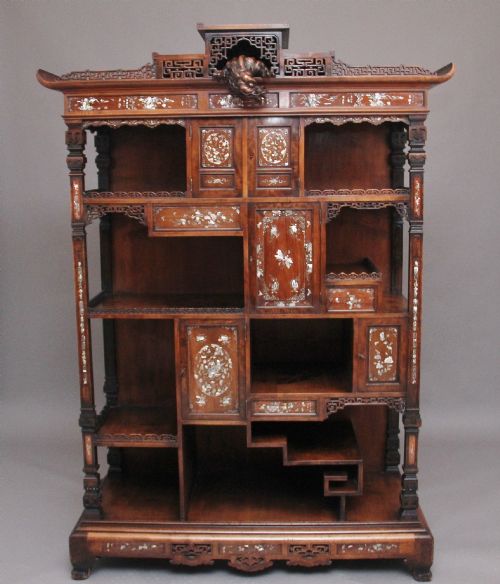
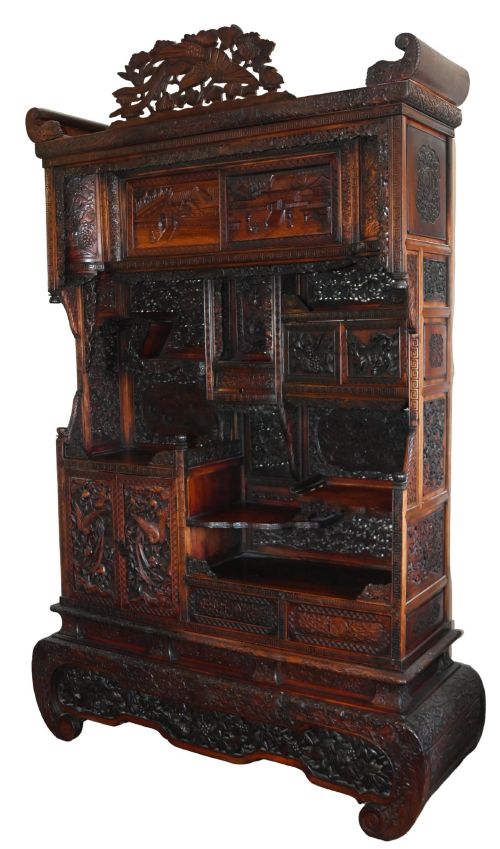
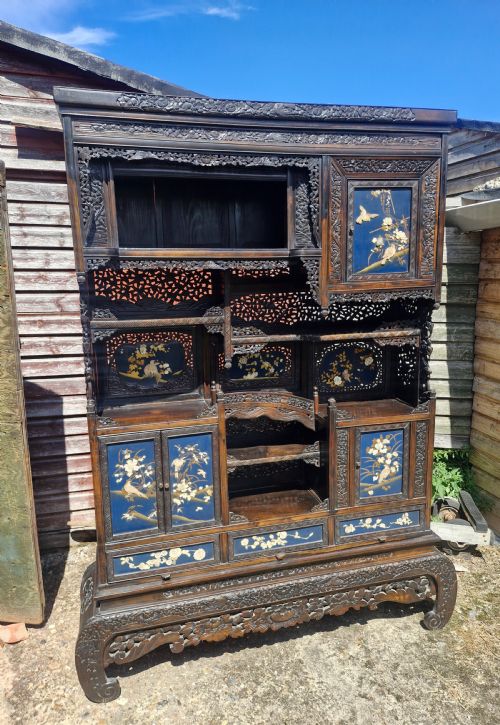
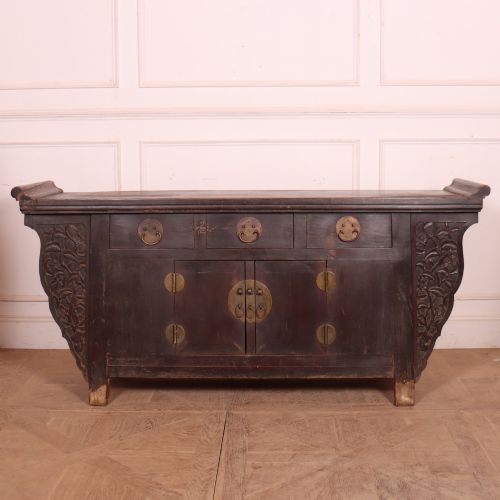
The most common examples on this page are nineteenth century Japanese shodona cabinets and Chinese elm storage pieces. These forms range from compact table cabinets and sideboards to large freestanding cupboards and multi-drawer apothecary chests.
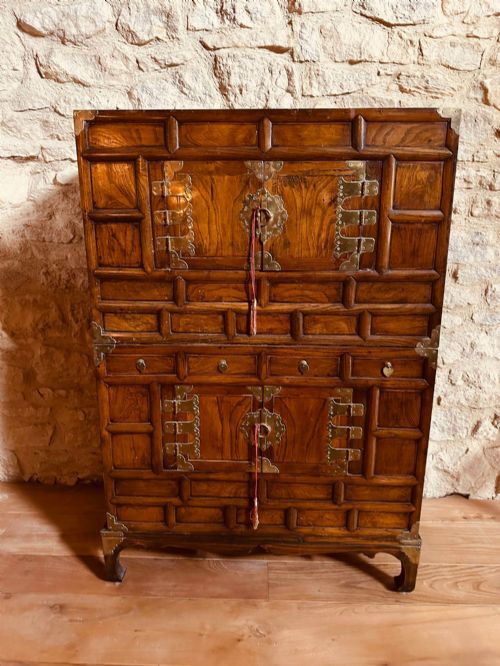
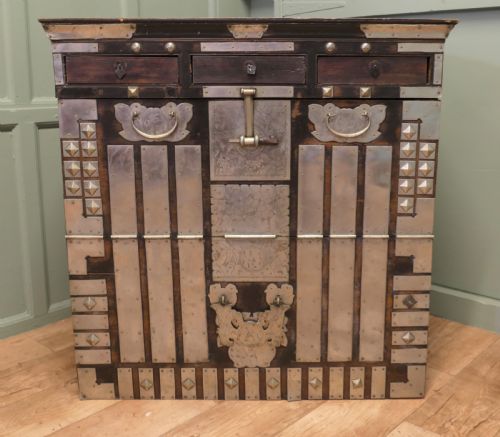
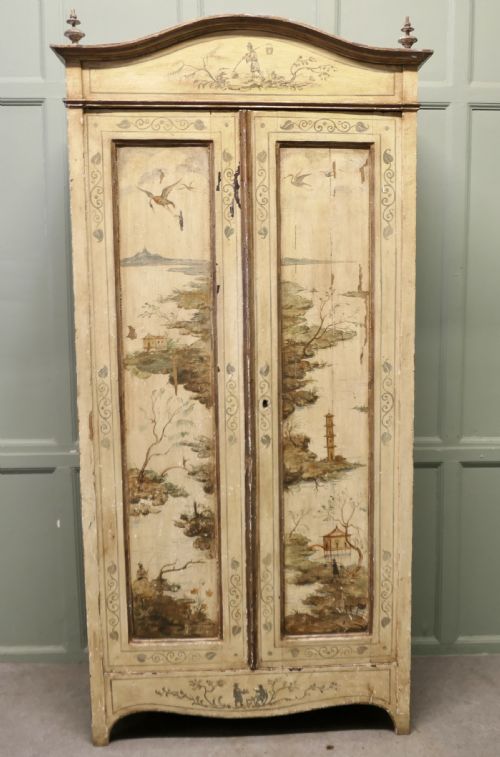
Regional variations define the selection, showing distinct construction methods from Shanxi province chests to traditional Japanese kitchen tansu and Korean bandaji marriage trunks. European makers also contributed pieces styled in Chinoiserie and Japonisme using padauk, hardwood, and lacquer.
Materials and construction
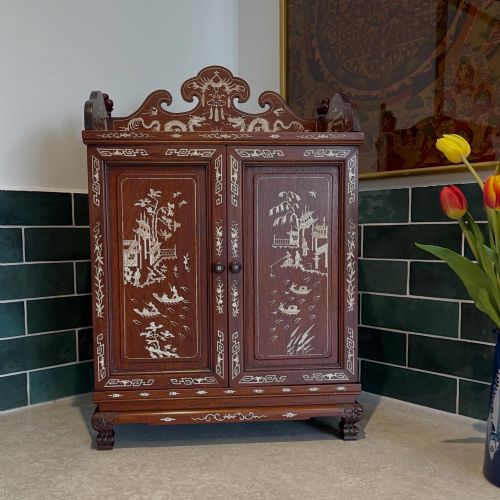
Makers utilised dense regional timbers such as Chinese elm, locust wood, and padauk, often pairing them with brass hardware, iron fittings, and mother of pearl inlay. Elm and hardwood provided structural stability for large marriage chests and sideboards while remaining receptive to carved ornamentation.
Surface treatments involved layered red or black lacquer, hand-painted floral decorations depicting outdoor scenes, and intricate carved relief work. Many examples combine exposed natural grain with polished lacquer panels and hand-painted motifs.
Oriental Wood Cabinet Retail Price Guide 2026
Typical asking prices for oriental wood cabinet among the pieces listed under this phrase on Sellingantiques today, from the lower quarter to the upper quarter. They describe what is for sale here now, not the wider market.
Assessing craftsmanship and condition
Superior examples demonstrate meticulous joinery in the framework of heavy elm and hardwood chests, ensuring drawers and doors operate smoothly despite shifts in humidity. The crispness of the hand-carved relief work and the depth of the lacquer finish distinguish master workshops from standard production.
Original surface finishes and surviving hardware, such as brass lockplates and hinges, carry significant weight in evaluating authenticity. Pieces retaining their original painted decoration or untouched lacquer layers offer greater historical integrity than later restorations.
Gabriel Viardot·Harrods
The Oriental Wood Cabinet Glossary
- Shodona
- A Japanese display cabinet featuring asymmetrical shelving, sliding doors, and small compartments designed for ornaments. These pieces date predominantly from the Meiji period.
- Tansu
- A traditional Japanese mobile storage chest built for various domestic uses, including clothing, kitchen utensils, and documents. They frequently feature robust iron handles and strapwork.
- Bandaji
- A large Korean wooden storage chest used for bedding and garments, traditionally reinforced with extensive brass or iron decorative plates. Elm veneer is a common material in these marriage chests.
- Chinoiserie
- A European artistic style reflecting Chinese aesthetic motifs, popular in furniture decoration through painted lacquer and gilt scenes. This style appears frequently on twentieth century cupboards and cocktail cabinets.
- Apothecary chest
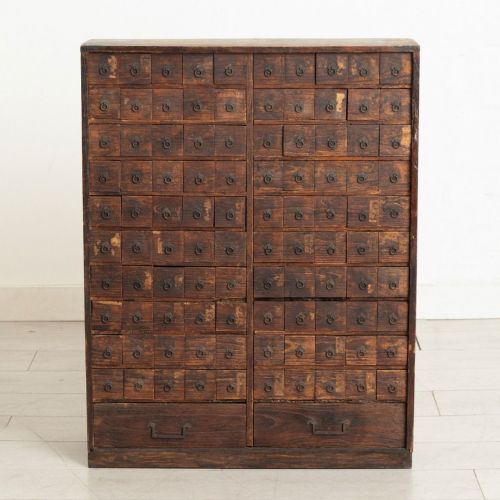
- A multi-drawer cabinet originally constructed for sorting medicinal herbs and powders in traditional pharmacies. These pieces often feature dozens of small labelled drawers.
Oriental Wood Cabinet: Frequently Asked Questions
What is a Japanese shodona used for?
A shodona served as a display piece for precious objects, ceramics, and scholar's items in traditional Japanese interiors. The asymmetrical shelving arrangement allowed for the balanced presentation of various decorative items.
Today, these cabinets function well in modern living spaces for displaying small collections, glassware, or books while adding architectural interest to a room.
How do I care for an antique lacquer cabinet?
Antique lacquer surfaces require gentle treatment using a soft, dry microfiber cloth to remove dust. Avoid chemical polishes, excessive moisture, and direct sunlight, which can fade painted outdoor scenes and crack the lacquer.
Maintaining a stable room temperature helps protect the underlying wood and prevents the lacquer layers from lifting or crazing over time.
Where were apothecary chests placed?
Apothecary chests originated in traditional medical shops and herbalist stores, where pharmacists sorted hundreds of dried roots, barks, and minerals into rows of small drawers. Their dense configuration of compartments maximised storage space for numerous ingredients.
In contemporary homes, these multi-drawer chests provide practical organisation for smaller household items, jewellery, or stationery while serving as a striking focal point.
What distinguishes Chinese elm furniture?
Chinese elm offers a pronounced grain pattern and high durability, making it the primary timber for vernacular furniture, sideboards, and marriage cabinets across multiple dynasties. The wood responds well to carving and accepts traditional red and black lacquer finishes.
Over centuries, elm develops a rich patina that highlights the natural figuring of the timber, particularly on pieces originating from northern provinces like Shanxi.