



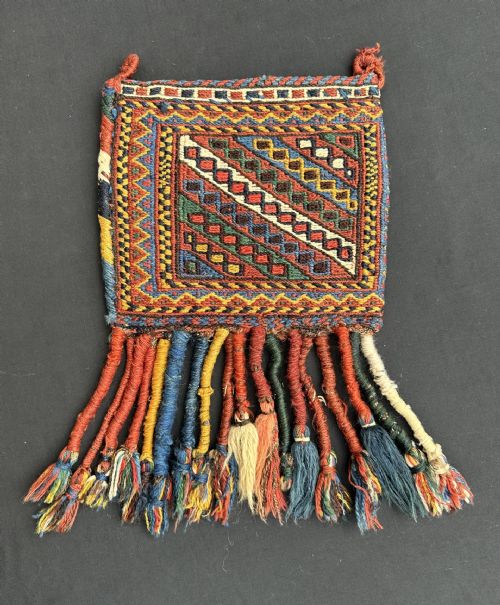

Oriental Wall Textile
When searching for an oriental wall textile, buyers encounter tribal bags, Chinese embroideries, and silk panels that bring rich historic pattern into domestic spaces.
Oriental Wall Textile
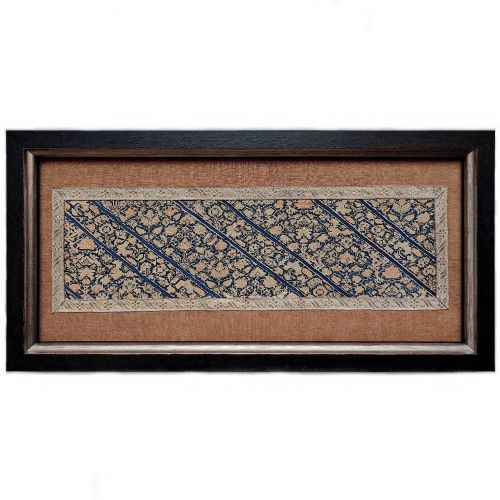
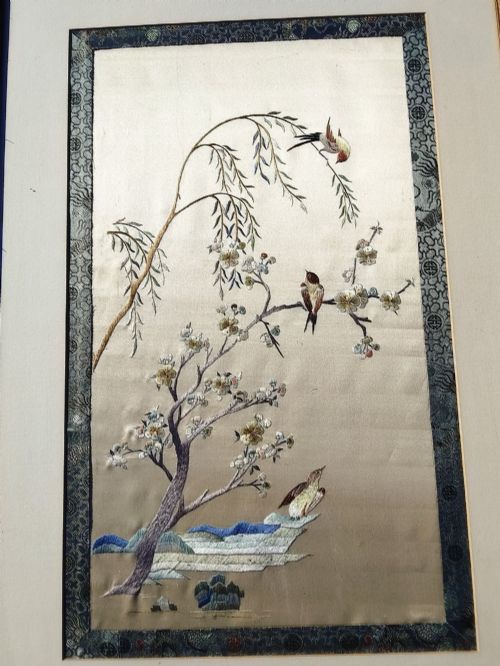
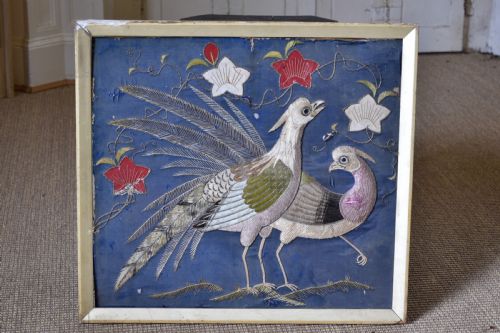
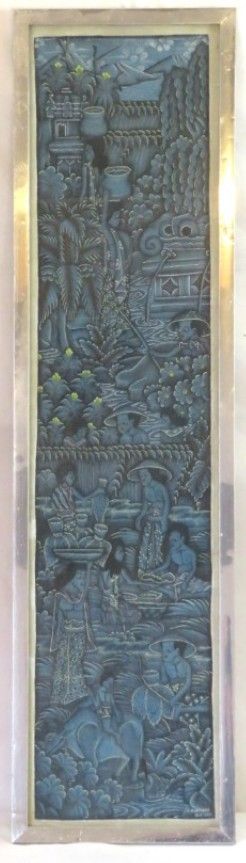
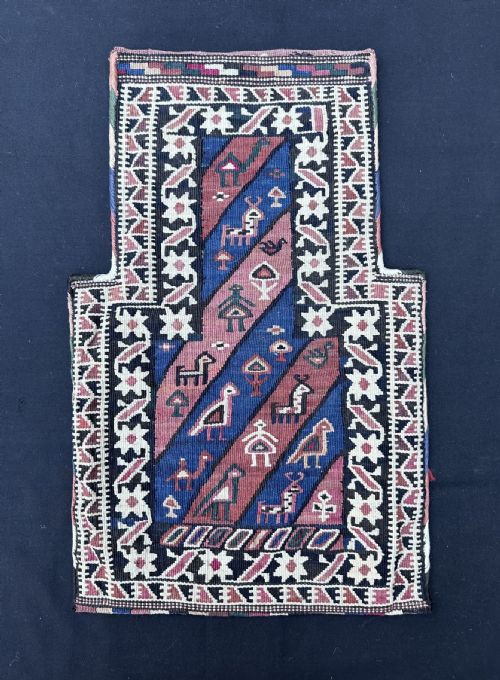
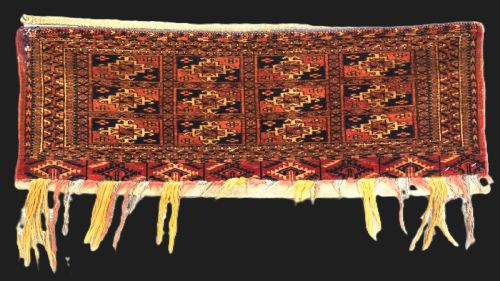
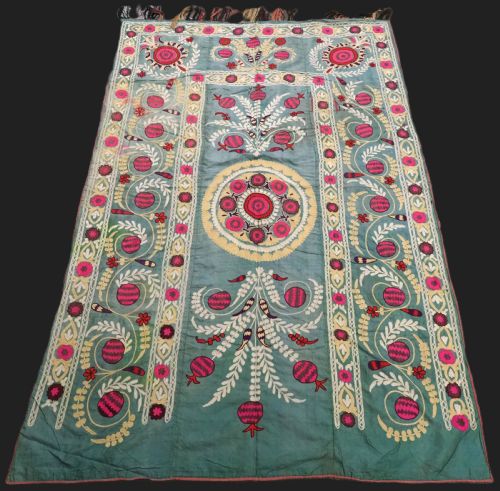
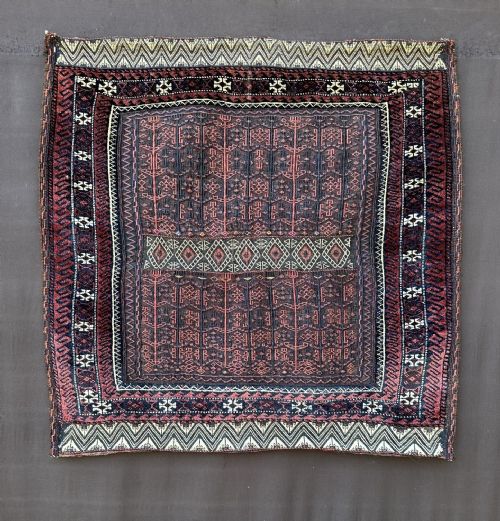
An oriental wall textile encompasses various woven and embroidered nomadic bags, silk panels, and framed paintings produced across Central Asia, Persia, and China.
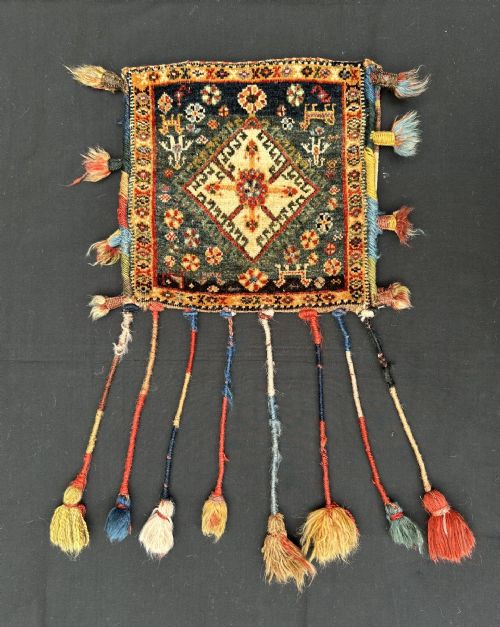
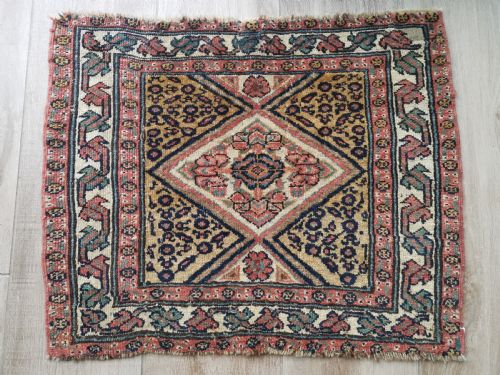
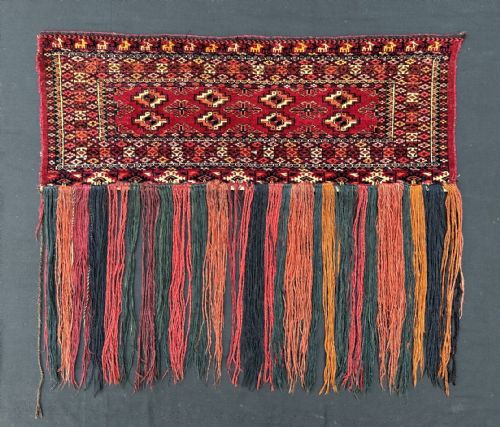
The selection on this page frequently includes Turkmen torbas, Yomut bagfaces, Uzbek suzanis, and Chinese silk embroideries originating from the nineteenth and early twentieth centuries.
Many of these pieces began as functional items such as storage bags, saddlebags, and bed covers before finding a second life as decorative wall art.
How They Were Made
Artisans utilised natural dyes alongside hand-spun wool, silk, cotton, and metallic thread to construct these textiles.
Techniques range from intricate silk embroidery and felt applique work on Rasht panels to tribal pile weaving and flat-woven sumac structures.
Oriental Wall Textile Retail Price Guide 2026
Typical asking prices for oriental wall textile among the pieces listed under this phrase on Sellingantiques today, from the lower quarter to the upper quarter. They describe what is for sale here now, not the wider market.
Listings feature textiles from nineteenth-century Persia, Central Asia, and China, spanning wool, silk, cotton, and metallic thread.
What Varies In Quality
The sophistication of the tribal guls, the precision of the needlework, and the clarity of the design motifs govern the distinction between ordinary and exceptional examples.
Condition, completeness including original backs and hanging loops, and the depth of natural dye palettes significantly influence the character of each piece.
The Oriental Wall Textile Glossary
- Gul
- A medallion or primary repeating motif characteristic of Turkmen and Central Asian carpet and textile design. These octagonal or gabled forms identify the specific tribe or sub-group.
- Suzani
- A large, embroidered textile from Uzbekistan and Tajikistan featuring floral and architectural designs. Women traditionally stitched these panels as part of a bride's dowry.
- Torba
- A small Turkmen storage bag utilised within the yurt for household possessions. Collectors frequently display the decorative face as a wall hanging.
- Khorjin
- A traditional tribal saddlebag woven in one piece and folded for transport. Surviving fragments often retain intricate geometric flat-weaving.
- Rasht embroidery
- A traditional Persian textile technique involving colourful silk and felt applique work stitched onto a wool backing. Workshops in Gilan province produced these bold pictorial panels.
Oriental Wall Textile: Frequently Asked Questions
How were oriental wall textiles originally used?
Many items began as utilitarian objects created by nomadic tribes for storage, transport, and domestic life. Storage bags, bread sophres, and saddlebags held household goods inside tents before later conversion into decorative hangings.
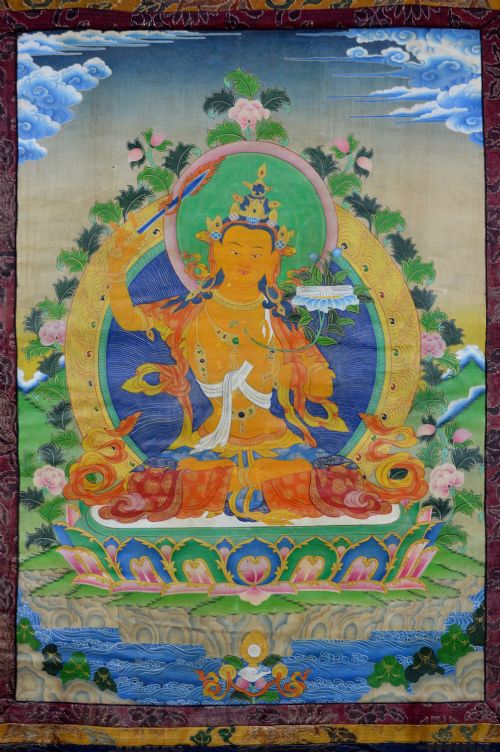
Other textiles like Chinese silk embroideries and Tibetan paintings served aesthetic, symbolic, or religious purposes from their inception. These diverse origins mean modern display methods often adapt pieces away from their initial functions.
How do I care for an antique textile?
Keep textiles away from direct sunlight to prevent natural dyes from fading over time. Gentle vacuuming through a mesh screen helps remove dust without damaging fragile silk or wool threads.
Mounting should be handled carefully to distribute weight evenly across the backing fabric. Professional consultation ensures appropriate framing methods for delicate embroideries.
How can I tell different tribal designs apart?
Tribal attribution relies heavily on specific repeating motifs known as guls, alongside the colour palette and structural weave. Tekke, Yomut, Ersari, and Saryk groups each employed distinct geometric arrangements.
Geographic regions such as Khorassan, Fars, or the Merv Oasis also imparted regional characteristics to the wool and dyes. Comparing published tribal corpora helps clarify these subtle stylistic variations.
Are these pieces mounted for hanging?
Many listed textiles arrive ready for display with fabric sleeves, backing cloths, or hanging loops already attached by previous owners. Some smaller bagfaces and fragments require custom mounting or framing under glass.
Unmounted flat-weaves and embroideries can be secured to stiffened boards or hung using non-damaging textile conservation techniques. The mounting approach generally depends on the weight and rigidity of the specific piece.