



Oriental Vase Rug
An oriental vase rug brings centuries of woven artistry into a room, offering rich floral motifs and deep historical roots.
Oriental Vase Rug
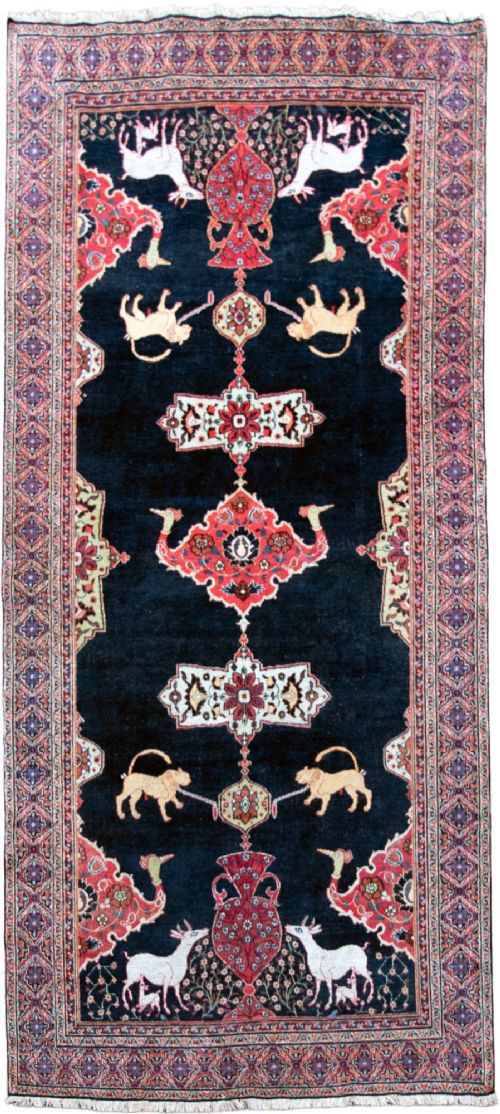
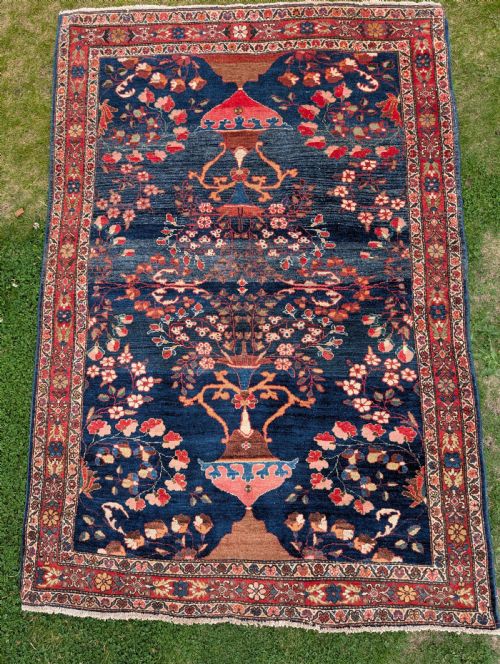
When you search for an oriental vase rug, you encounter hand-knotted floor coverings that feature traditional urn and botanical motifs. These textiles originate from classic weaving centres across Persia and India, carrying centuries of design heritage.
On this page, the pieces you meet most frequently date from the early decades of the twentieth century. They include room-sized carpets, area rugs, and prayer rugs created in styles such as Kashan, Kirman, Isfahan, and Afshar tribal traditions.
How they were made
Weavers constructed these textiles using foundational warps andwefts of cotton, which provided a stable grid for intricate knotting. Skilled hands tied dense piles using natural wool and occasional fine silk to achieve detailed pictorial patterns.
The construction methods reflect regional traditions, from the tightly packed knots of urban Kashan workshops to the robust nomadic weaves of south Persian tribal makers.
Oriental Vase Rug Retail Price Guide 2026
Typical asking prices for oriental vase rug among the pieces listed under this phrase on Sellingantiques today, from the lower quarter to the upper quarter. They describe what is for sale here now, not the wider market.
The listings span the decades from 1910 to 1930, utilising wool, cotton, and silk materials across Persian, Mughal, and tribal styles.
What varies in quality
Knot density dictates the crispness of the floral vase designs, with finer examples showing sharper botanical outlines and more complex colour shading. The choice of pile material also alters the character, as silk introduces a luminous surface that wool alone cannot match.
Design execution separates standard production from exceptional pieces, particularly in the balance of the central vase composition and the symmetry of the surrounding borders.
The Oriental Vase Rug Glossary
- Prayer rug
- A small textile featuring a mihrab or arch design, traditionally used for individual daily prayers. These pieces often incorporate vase and floral motifs within the central field.
- Kashan
- A historic city in central Persia renowned for producing fine knotted carpets and rugs. Pieces from this origin frequently display elaborate floral and vase compositions.
- Afshar
- A tribal weaving group from southern Persia known for geometric interpretations and distinctive room-size or area carpets. Their work often utilises strong wool foundations and striking ivory grounds.
- Kirman
- A major carpet-weaving centre in south-east Persia famous for room-size and large format floor coverings. These textiles typically feature expansive floral schemes.
- Warp
- The longitudinal threads stretched tightly on the loom that form the structural skeleton of the rug. Cotton is the standard material found in these twentieth-century pieces.
Oriental Vase Rug: Frequently Asked Questions
How do I date an oriental vase rug?
Dating relies on stylistic markers, dye palettes, and structural analysis typical of the early twentieth century. Comparing the knotting technique to known examples helps narrow down the period.
Examining the wear patterns and edge finishes also provides clues regarding the age and origin of the woven piece.
Where were these rugs made?
These textiles originate primarily from historical weaving regions in Persia, including Kashan, Kirman, Isfahan, and Malayer. Some examples also stem from Indian workshops influenced by classic Persian designs.
Each region employed distinct colour combinations and structural methods that distinguish urban workshops from tribal production.
What materials are used in their construction?
The foundations are built from sturdy cotton warps and wefts that support the pile. The surface pile consists predominantly of wool, with select pieces incorporating fine silk.
These natural materials contribute to the durability and tactile quality of the carpets.
How should I care for an antique rug?
Protect the textile by placing it in areas with moderate foot traffic and avoiding direct, harsh sunlight. Regular gentle vacuuming without a beater bar keeps dust from settling into the wool pile.
Professional cleaning tailored for antique wool and silk should be used when deep maintenance is required.