

Oriental Tripod Censer
An oriental tripod censer brings ritual form and intricate metalwork or ceramic detail into a room, standing on three feet to burn incense safely.
Oriental Tripod Censer
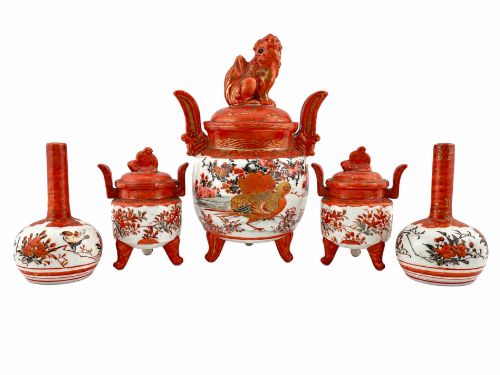
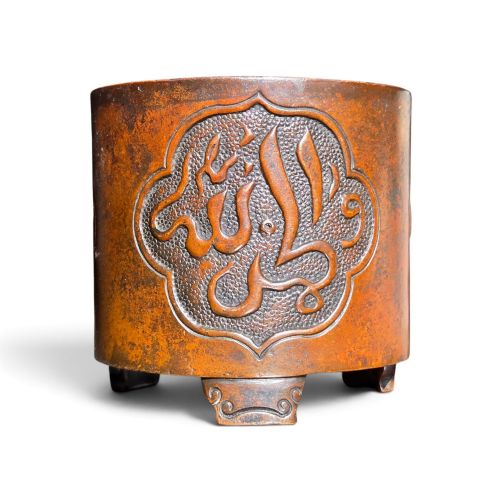
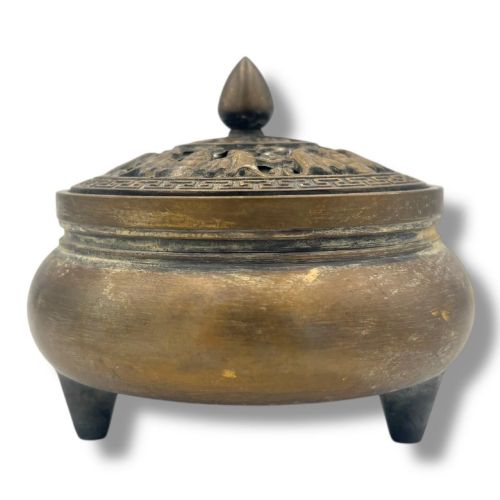
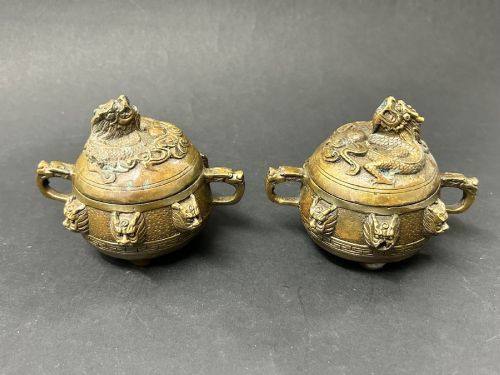
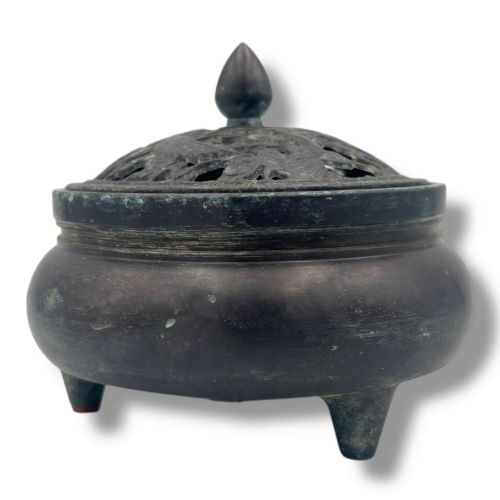
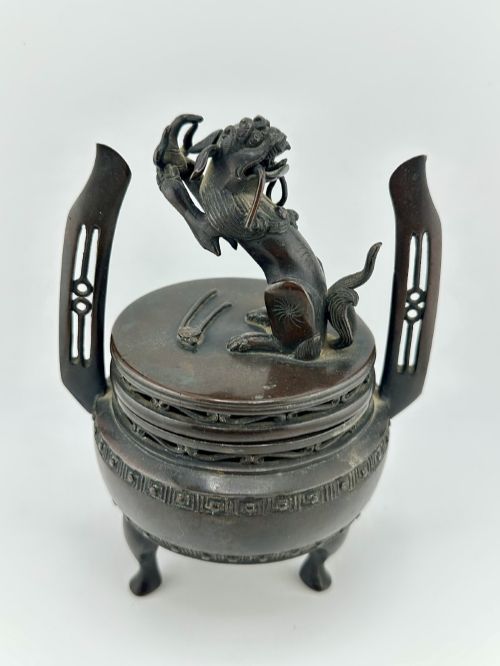
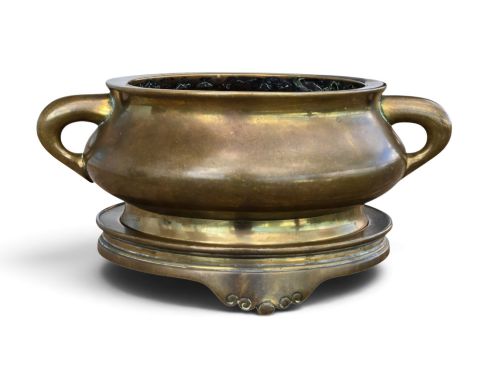
When you search for an oriental tripod censer, you encounter vessel forms designed for burning incense, supported by three distinct feet and frequently topped with a matching cover. These pieces originate primarily from Chinese and Japanese workshops, spanning periods from the eighteenth century through to the early twentieth century.
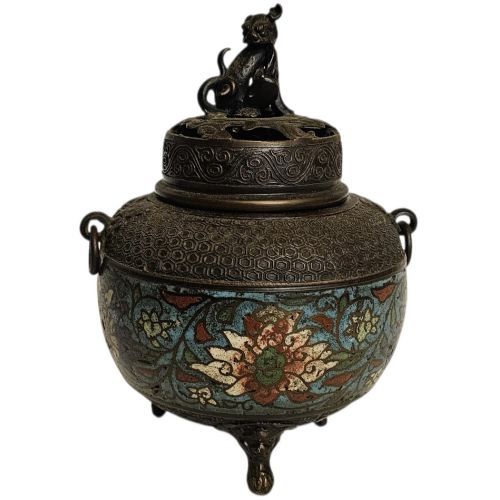
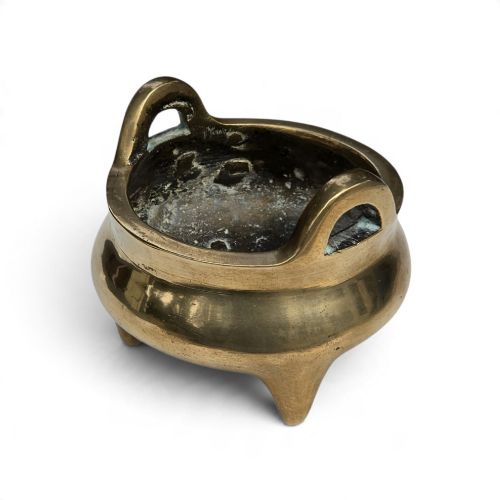
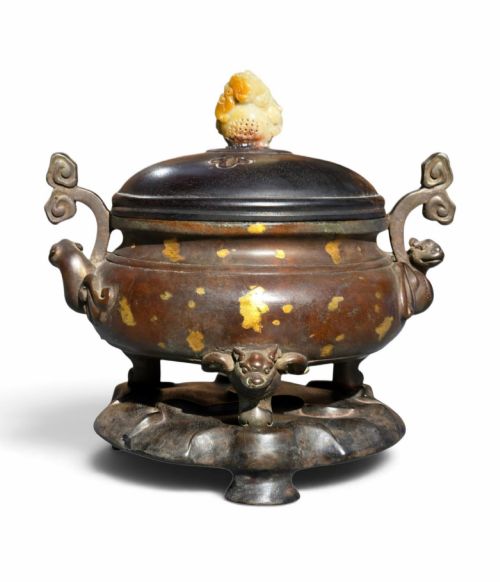
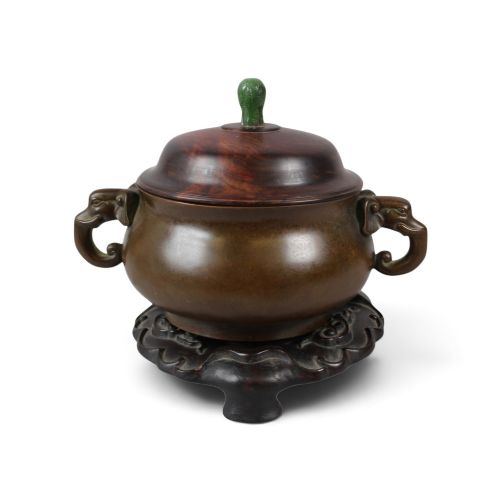
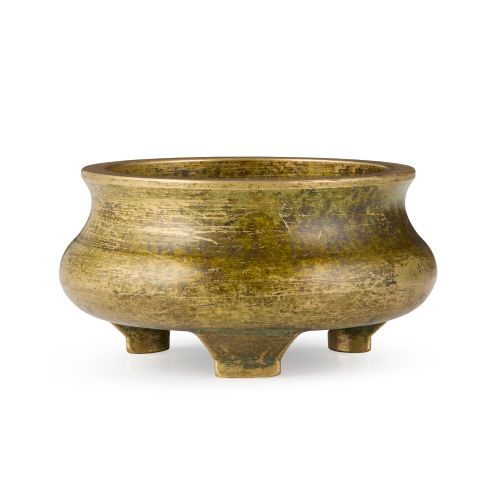
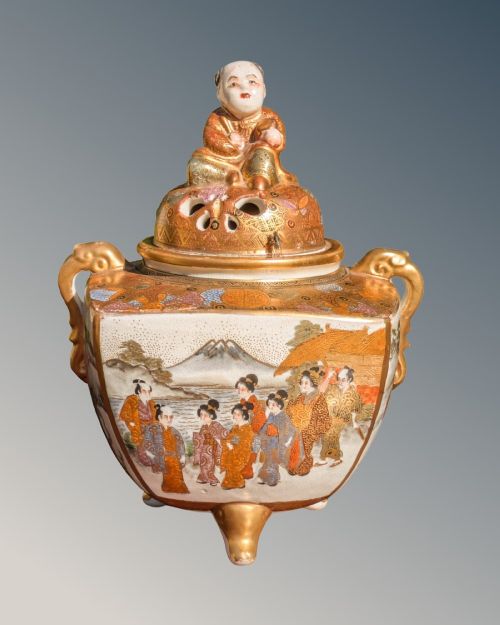
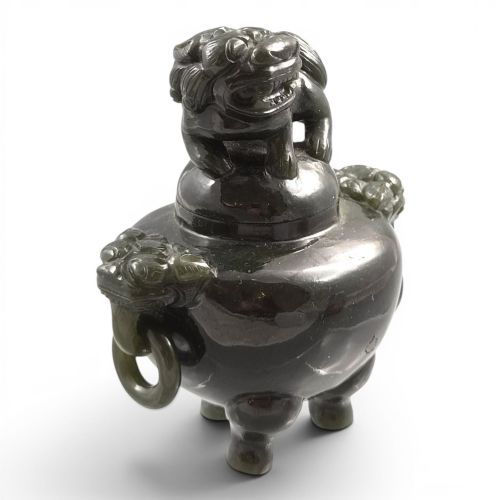
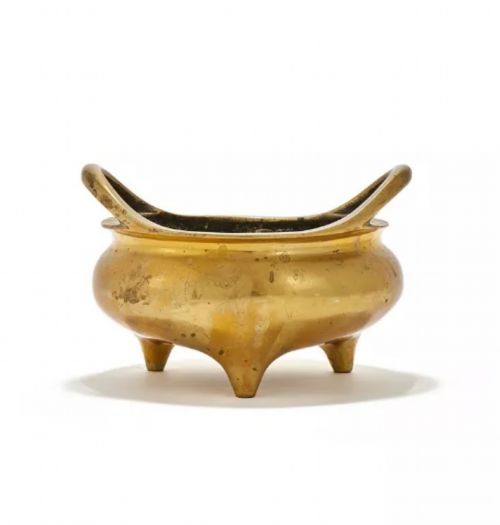
The most common examples on this page are cast in bronze or brass with archaic motifs, alongside ceramic alternatives such as Japanese Satsuma earthenware and Imari porcelain. Many incorporate handles shaped like dragons, elephant heads, or mythical beasts, often accompanied by pierced lids featuring qilin or lion finials.
Materials and construction
Metal censers rely on bronze and brass casting techniques, often employing lost-wax methods to achieve heavy walls and detailed surface decoration like taotie masks and lotus patterns. Artisans also applied cloisonné enamel wires to bronze bodies, firing coloured vitreous pastes within the resulting cells.
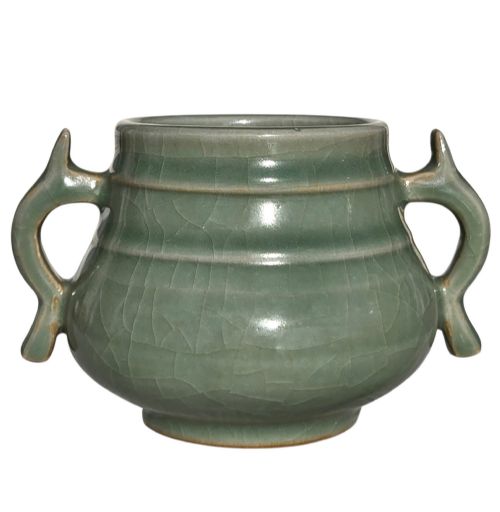
Ceramic equivalents utilise porcelain and earthenware bodies, shaped on the wheel or in moulds before receiving hand-painted underglaze blue, polychrome enamels, and heavy gilding. Skilled makers incorporated silver elements or jade finials to complete the composition.
Oriental Tripod Censer Retail Price Guide 2026
Typical asking prices for oriental tripod censer among the pieces listed under this phrase on Sellingantiques today, from the lower quarter to the upper quarter. They describe what is for sale here now, not the wider market.
Some miniature scholar censers weigh barely over one hundred grams, designed for intimate desk contemplation rather than grand temple halls.
Judging quality
The distinction between ordinary production and superior work rests on the crispness of the casting and the depth of the metal patina. Heavier bronzes with sharply defined scholar marks or archaistic reliefs show greater care from the foundry.
In ceramics, quality emerges in the precision of the enamel work, the control of the gilding, and the balance of the proportions between the body, the three feet, and the cover. Pieces signed by known makers or bearing complex figural decoration sit at the upper end of the range.
Ippo
The Oriental Tripod Censer Glossary
- Koro
- A Japanese incense burner, typically fitted with a cover and three legs. These vessels were produced in both ceramic and metal formats.
- Cloisonne
- A decorative metalwork technique where flat metal wires are soldered to a base to form compartments, which are then filled with enamel paste and fired.
- Archaistic
- A style that deliberately mimics the decorative motifs and vessel forms of ancient dynasties, particularly early Chinese ritual bronzes.
- Qilin
- A mythical hooved Chinese creature associated with good omens and prosperity, frequently modelled as a finial atop a censer lid.
- Imari
- A style of Japanese porcelain featuring a palette of underglaze blue, iron red, and gold, named after the port of export.
Oriental Tripod Censer: Frequently Asked Questions
What is a tripod censer used for?
These vessels served to burn aromatic incense in domestic rooms, scholar studios, and ritual spaces. The three legs elevated the hot bowl above surfaces while allowing smoke to rise through pierced covers.
Over time, many functioned purely as decorative objects or scholar's desk items rather than active burners.
How do I date a bronze censer?
Dating relies on surface patina, weight, casting style, and any reign or studio marks cast into the base. Eighteenth-century examples often display heavier, deep-toned metal and archaistic motifs.
Nineteenth and early twentieth-century pieces tend to show sharper machine finishing or different styles of regional Japanese and Chinese production.
What is a Satsuma koro?
A Satsuma koro is a Japanese earthenware incense burner characterised by an ivory-crackled glaze decorated with polychrome enamels and raised gold. These pieces frequently feature figural scenes or mythical beasts.
They were largely produced during the Meiji period for both domestic use and export markets.
Are these censers made of solid bronze?
Many of the metal pieces consist of solid cast bronze or brass, contributing to their substantial weight. Some variations combine bronze foundations with applied silver wire or cloisonne enamel panels.
Others use ceramic bases made of porcelain or earthenware rather than metal.