

Oriental Tribal Weaving
Oriental tribal weaving encompasses hand-woven carpets, rugs and bags carrying the distinct geometric and pictorial motifs of village and nomadic makers.
Oriental Tribal Weaving
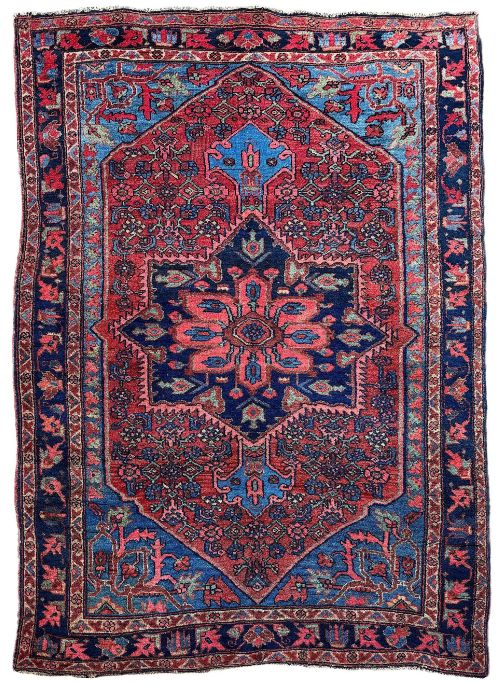
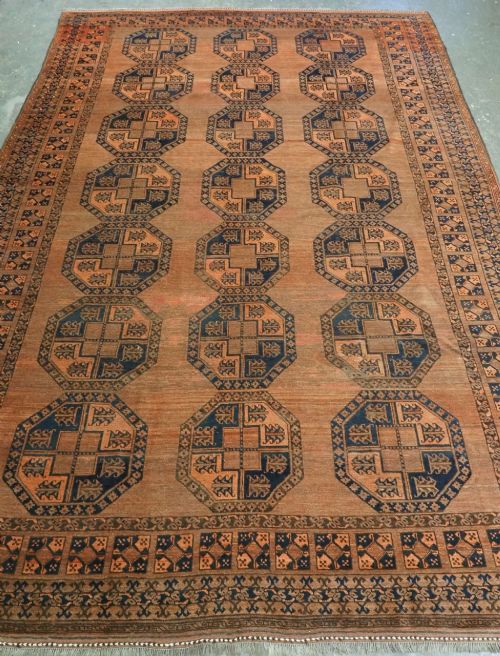
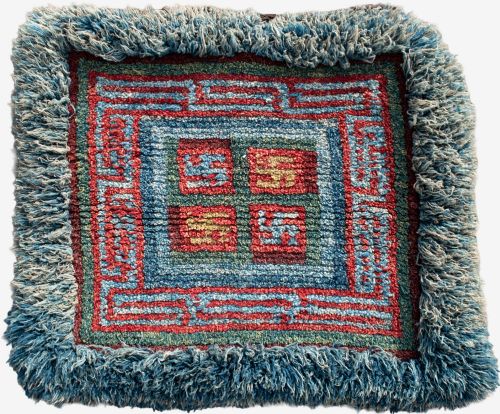
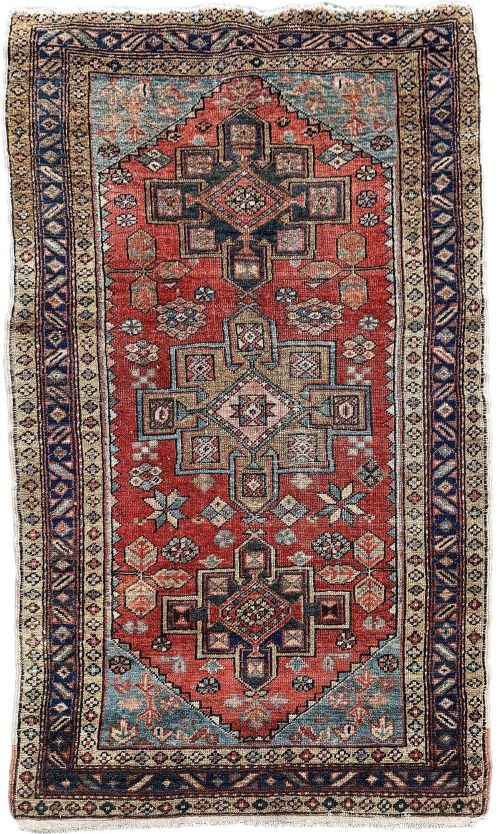
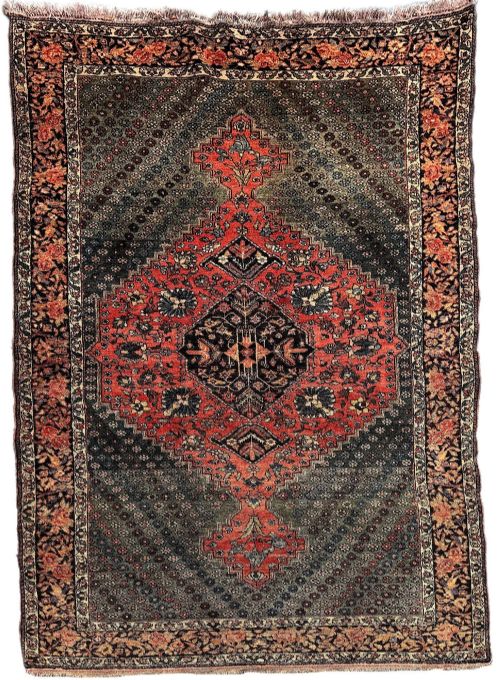
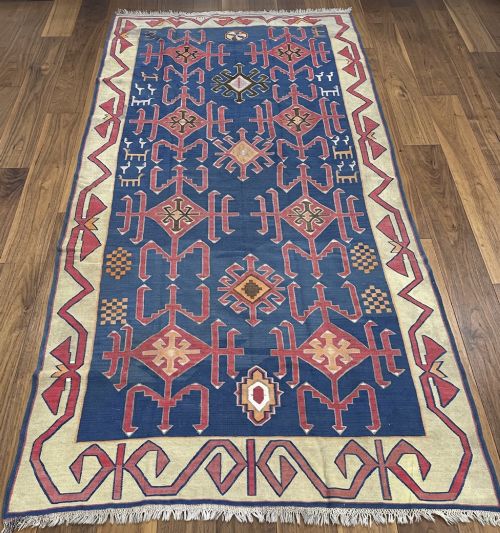
When you search for oriental tribal weaving, you encounter hand-knotted carpets, flatwoven kilims, and utilitarian bags originating from Persian, Caucasian, Turkish, and Tibetan communities. These pieces span from the nineteenth century into the twentieth century, reflecting the specific regional aesthetics of nomadic and village weavers.
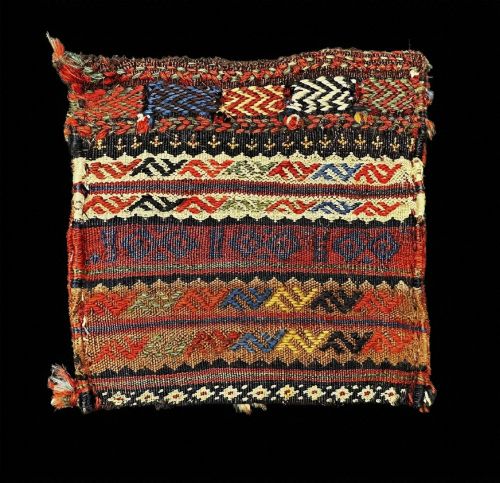
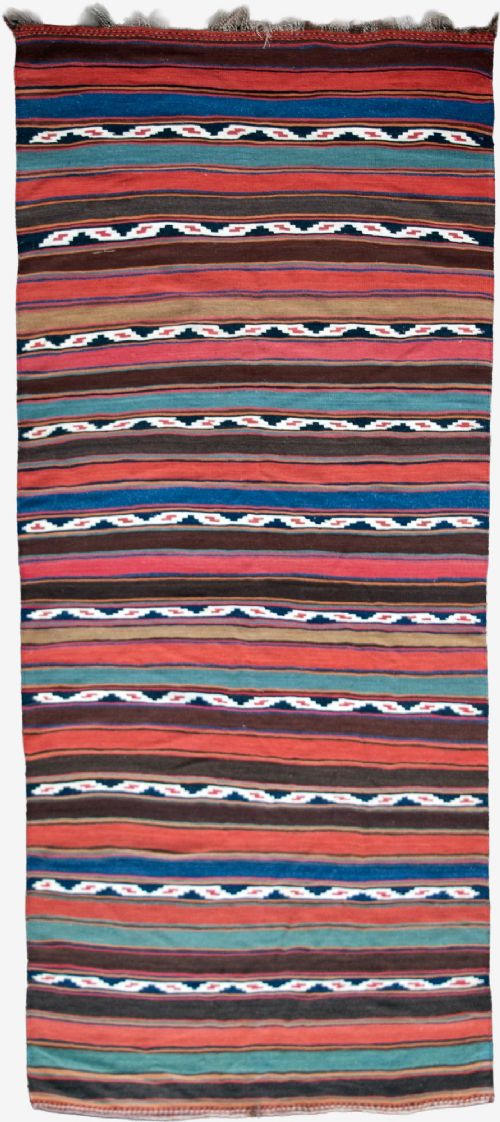
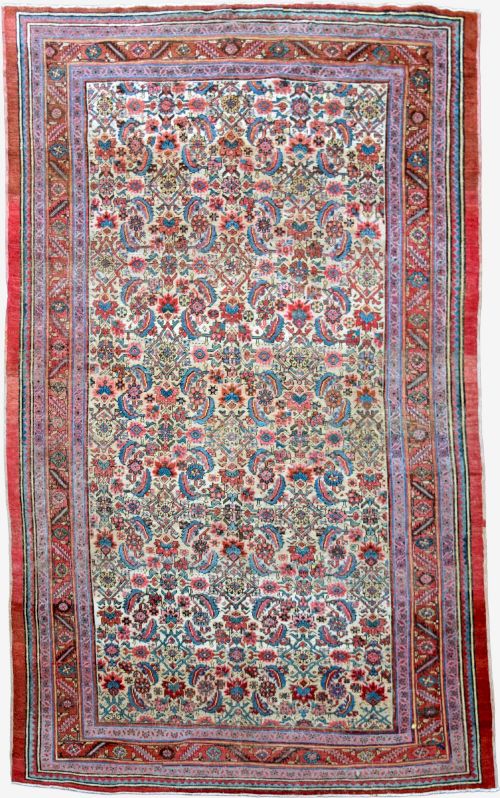
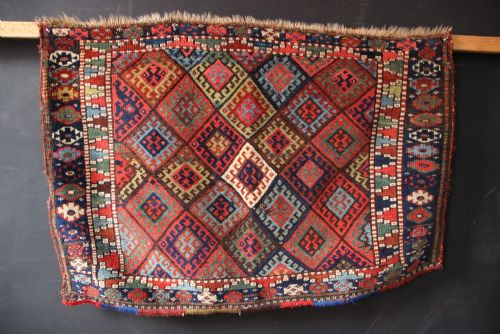
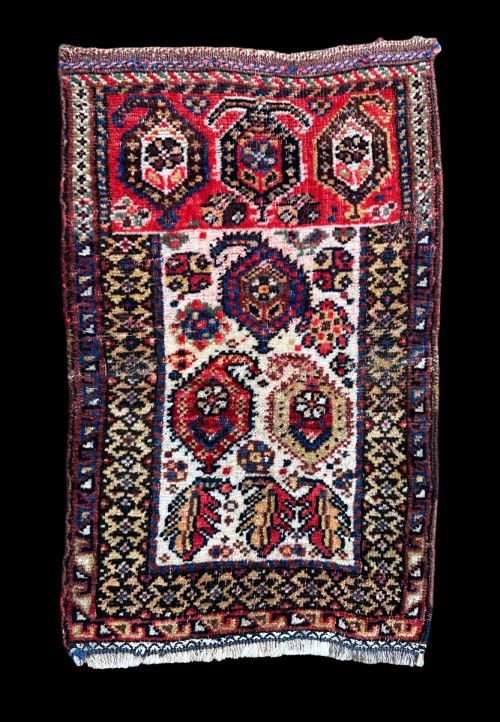
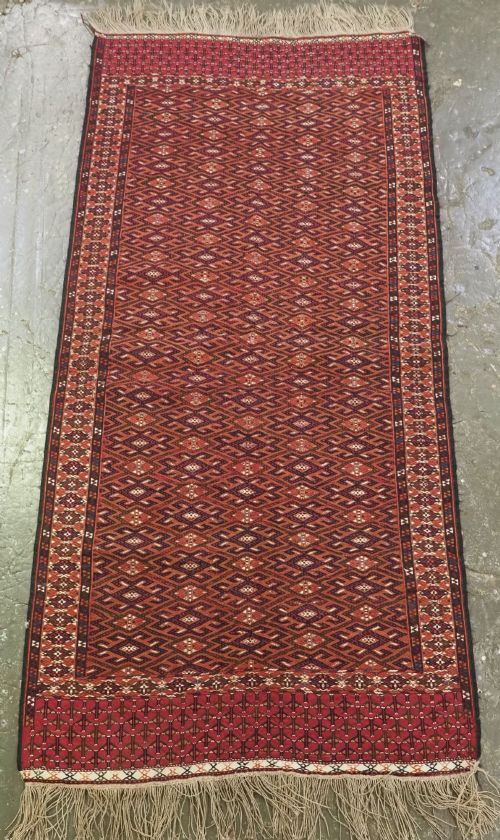
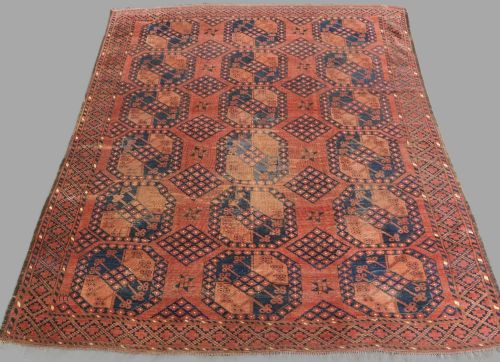
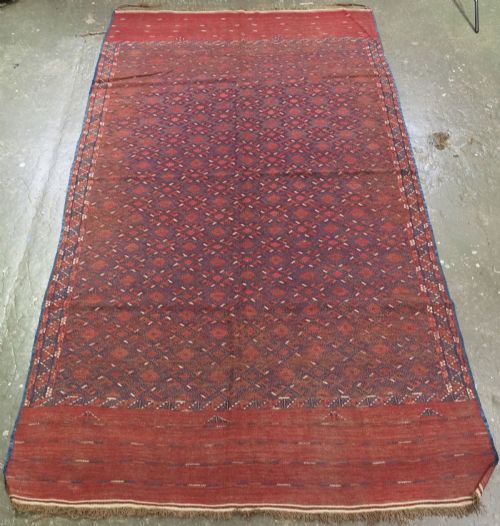
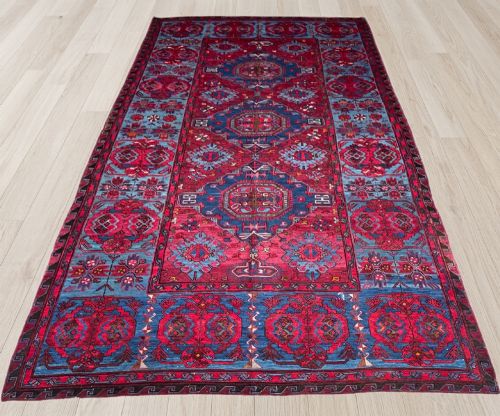
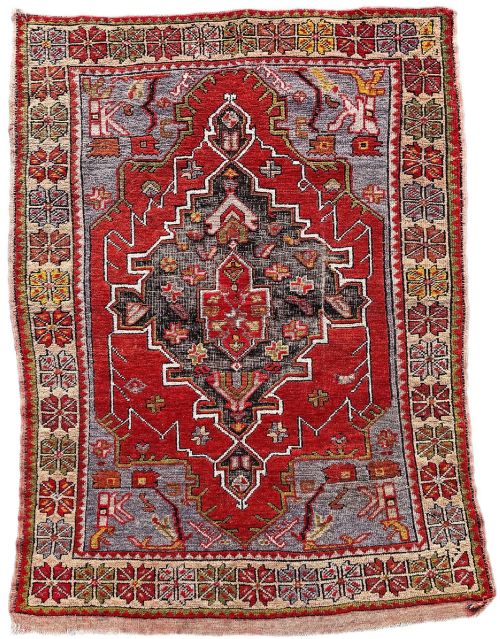
The selections on this page predominantly include room-size carpets, runners, prayer rugs, and smaller household textiles such as grain sacks, saddle bags, and vanity bags. Each object format demonstrates how traditional patterns were adapted for both daily nomadic use and floor covering in country houses.
Geographic attribution runs from the Caucasus and Anatolia through to Western and Southern Persia, as well as Central Asia and Tibet. Pieces carry the designated markers of groups such as the Qashqai, Baluch, Khamseh, and Ersari Turkmen.
Materials and Construction Techniques
The primary materials recorded in these textiles are wool, hand-spun wool, and cotton, utilised across pile carpets and flatweaves alike. Weavers relied on locally sourced animal fleece, often spinning it by hand to create durable yarns capable of withstanding heavy daily use.
Construction methods vary between pile knotting, utilised for thick rugs and carpets, and flatweaving techniques seen in kilims and storage bags. Structural foundations rely on wool or cotton warps and wefts, binding the pile and flat surfaces into resilient textiles.
Oriental Tribal Weaving Retail Price Guide 2026
Typical asking prices for oriental tribal weaving among the pieces listed under this phrase on Sellingantiques today, from the lower quarter to the upper quarter. They describe what is for sale here now, not the wider market.
Object types range from large carpets and runners to prayer rugs, kilims, saddle bags, grain sacks, and vanity bags.
Judging Quality in Tribal Textiles
Quality in oriental tribal weaving rests upon the handle and density of the wool, alongside the precision and clarity of the regional design. Finer spinning and tighter knotting yield a more durable textile that holds its shape and structure over decades of foot traffic or display.
Colour saturation and the harmonious balance of natural dyes separate standard examples from superior ones. Pieces displaying depth in the ground colour and crisp delineation of tribal motifs demonstrate superior workshop or nomadic execution.
The Oriental Tribal Weaving Glossary
- Kilim
- A flatwoven carpet or rug produced without a pile, traditionally utilised for floor coverings, wall hangings, and functional storage covers. These textiles rely on interlocking weft techniques to form sharp geometric patterns.
- Prayer rug
- A small rug featuring a distinct mihrab or niche design at one end, historically oriented toward Mecca during daily prayers. These pieces often display specific regional iconography associated with Caucasian or Anatolian weaving groups.
- Khorjin
- A traditional double-compartment saddle bag woven by nomadic tribes for transporting belongings on animals. Surviving examples frequently retain their original structure or are preserved as smaller decorative cushions and mats.
- Soumak
- A supplementary weft-wrapping technique that creates a durable, textured surface resembling embroidery on the reverse side of the rug. This method is particularly characteristic of eastern Caucasian weaving traditions.
- Main carpet
- A large-format floor covering produced for domestic use within a tribal household or tent, distinct from smaller utility bags and runner formats. These expansive pieces display the complete compositional vocabulary of the weaving group.
Oriental Tribal Weaving: Frequently Asked Questions
How do I identify a tribal rug?
Tribal rugs are recognised by their geometric patterns, reliance on symbolic motifs, and village or nomadic attributions. They often feature asymmetric designs passed down through generations within specific regional confederacies.
Examination of the wool, fringe construction, and dye palette helps connect a piece to traditions in Persia, the Caucasus, Anatolia, or Turkmenistan.
What is the difference between a kilim and a carpet?
A kilim is a flatwoven textile made without any raised pile, resulting in a lighter, tapestry-like fabric. Carpets incorporate a knotted pile that provides a thick, cushioned surface underfoot.
Both forms utilise wool and cotton foundations, but their structural construction and handling characteristics differ entirely.
How should I care for an antique wool rug?
Antique wool rugs require gentle maintenance, regular vacuuming without a rotating brush roll, and occasional professional cleaning tailored to natural fibres. Keeping them out of direct, harsh sunlight prevents the fading of natural dyes.
Allowing air circulation underneath the textile helps preserve the integrity of the hand-spun wool and cotton foundations.
Where were these tribal textiles made?
These textiles originated across a vast geographic expanse encompassing modern-day Turkey, Iran, the Caucasus, Afghanistan, and Tibet. Nomadic confederacies and settled village communities each developed distinct regional weaving styles.
Design elements and material choices point directly to specific tribal groups, such as the Qashqai, Baluch, or Ersari Turkmen.