

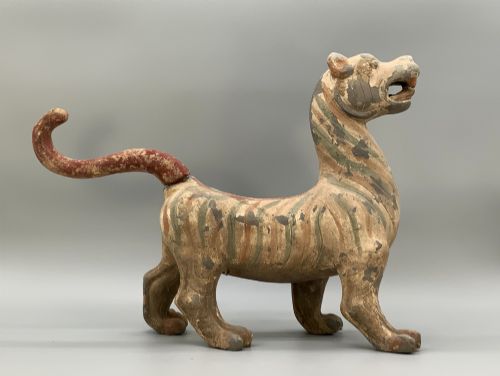
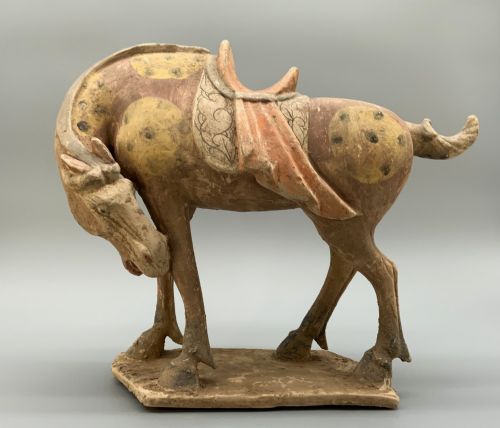
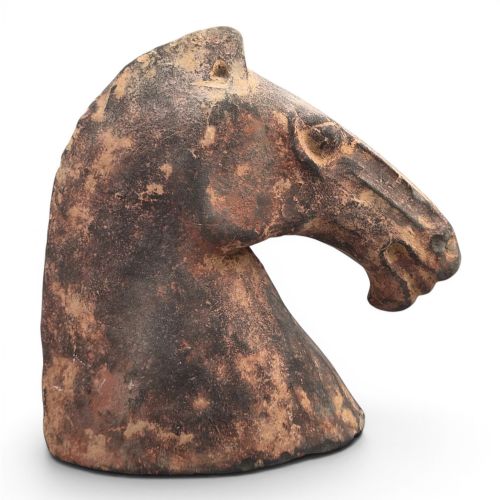


Oriental Terracotta Sculpture
Oriental terracotta sculpture brings ancient tomb figures, roof ornaments and decorative statues into a room, offering tactile earthen charm and centuries of history.
Oriental Terracotta Sculpture
When you search for oriental terracotta sculpture, you encounter figures and statues shaped from clay and earthenware across multiple periods. The selection spans pre-sixteenth century Chinese dynasties, nineteenth-century Japanese ceramics, and twentieth-century interpretations.
Most pieces on this page comprise tomb figures, roof ornaments, and decorative sculptures. You meet dancers, horses, mythical beasts, and temple guardians modelled in earthenware and pottery.
The origins stretch from ancient China through the Meiji period in Japan and Southeast Asia. These forms reflect centuries of burial traditions, architectural decoration, and domestic craft.
What varies in quality
Quality rests in the precision of the modelling and the preservation of original pigment or glaze. Stronger pieces show confident lines in animal forms and human figures like dancers or tomb attendants.
The integrity of the material and the clarity of the period style determine the character of each piece. Surface wear and pigment survival distinguish early ritual objects from later decorative works.
Oriental Terracotta Sculpture Retail Price Guide 2026
Typical asking prices for oriental terracotta sculpture among the pieces listed under this phrase on Sellingantiques today, from the lower quarter to the upper quarter. They describe what is for sale here now, not the wider market.
Ancient guardians and mythical beasts keep a watchful glass-eyed vigil over modern living rooms.
The Oriental Terracotta Sculpture Glossary
- Terracotta
- A porous reddish-brown earthenware clay used for sculptural and architectural pieces. It hardens upon firing and accepts pigments or glazes.
- Mingqi
- Burial goods and tomb figures placed in Chinese tombs to accompany the deceased. These figures include attendants, animals, and guardians.
- Sancai
- A traditional type of Chinese three-colour glaze used on pottery. It typically combines amber, green, and creamy white tones.
- Foo Dog
- A mythical lion guardian traditionally placed outside temples and palaces. These figures act as symbolic protectors in Chinese sculpture.
Oriental Terracotta Sculpture: Frequently Asked Questions
How do I care for terracotta sculpture?
Keep terracotta pieces in stable indoor conditions away from excess moisture and direct sunlight. Dust them gently with a dry, soft brush.
Avoid using liquid cleaners or water on porous earthenware surfaces to protect any surviving pigment.
What does Sancai glazed mean?
Sancai refers to a traditional three-colour ceramic glaze technique common in Chinese pottery. The glazes typically mix amber, green, and creamy white.
These colours run and mingle during the firing process to create distinctive patterns on pottery figures.
Where were roof ornaments placed?
Roof ornaments were mounted on the ridges and eaves of traditional Asian buildings. They served both architectural and protective functions.
These ceramic pieces guarded structures against fire and misfortune while decorating the skyline.