




Oriental Style Runners
When choosing oriental style runners, you select narrow carpets that bring regional patterns and varied wool textures into long hallways.
Oriental Style Runners
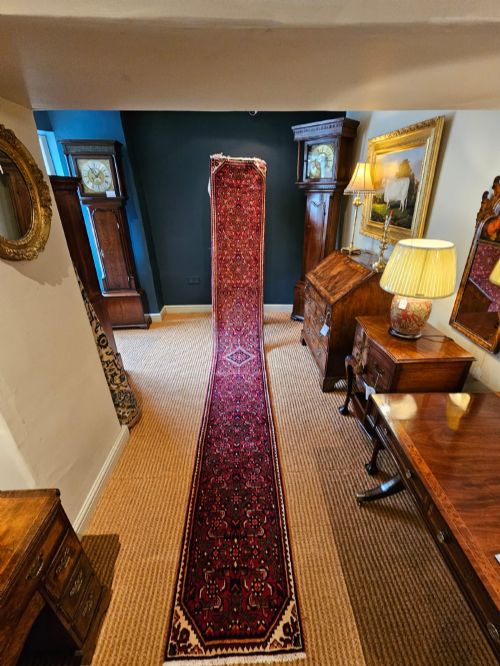
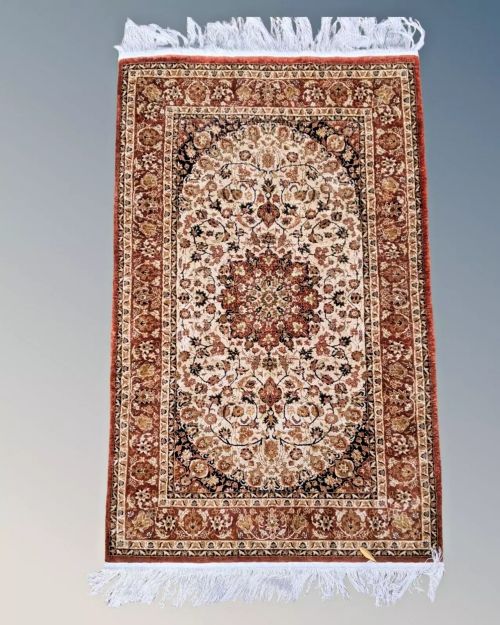
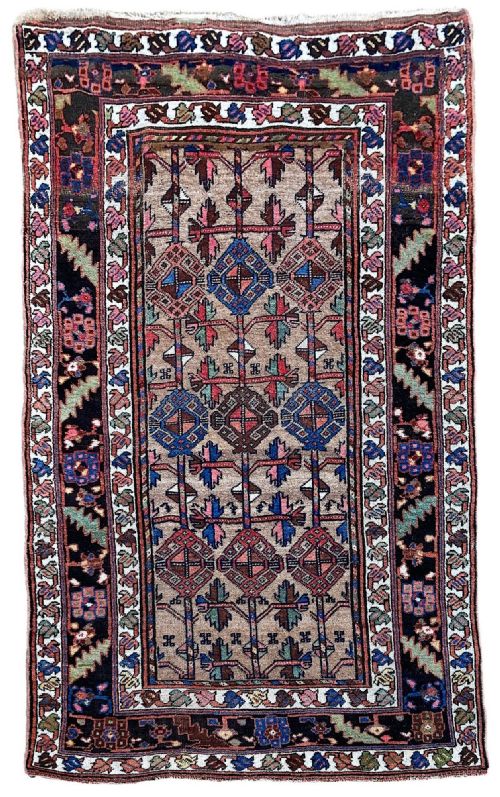
Oriental style runners appear as elongated carpets designed for corridors and narrow spaces, drawing upon traditional designs from regions such as Persia, the Caucasus, and Afghanistan. These floor coverings span periods from the mid-nineteenth century through the early twentieth century, encompassing various tribal and village workshops.
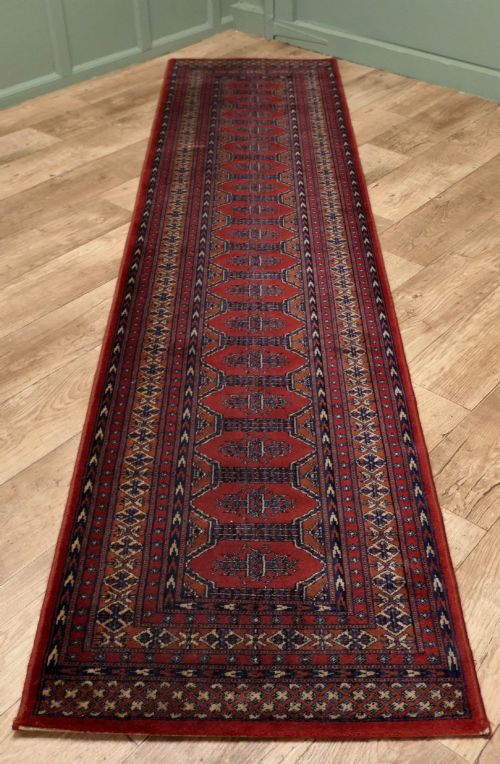
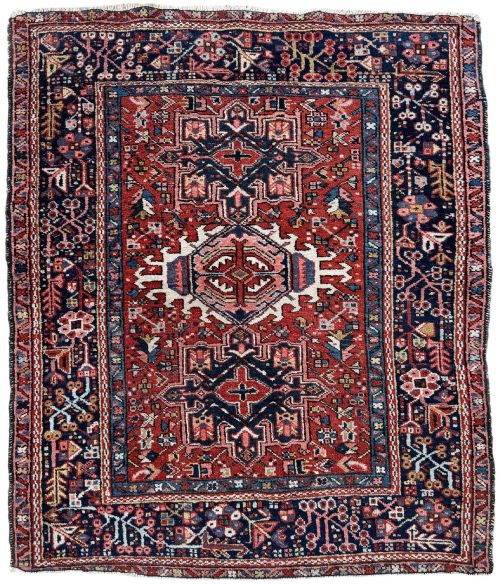
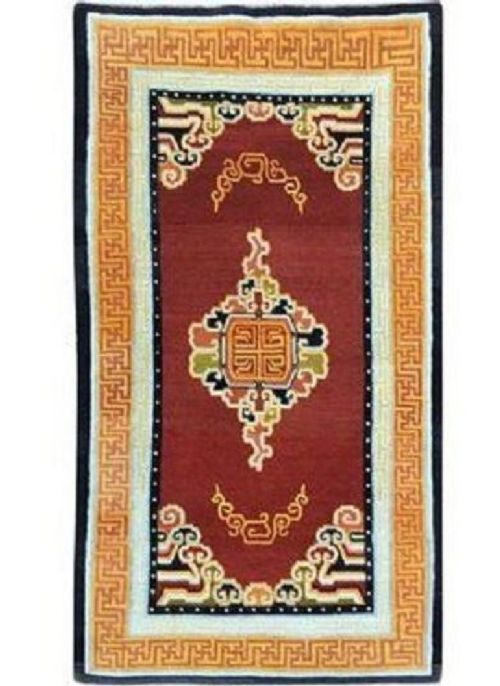
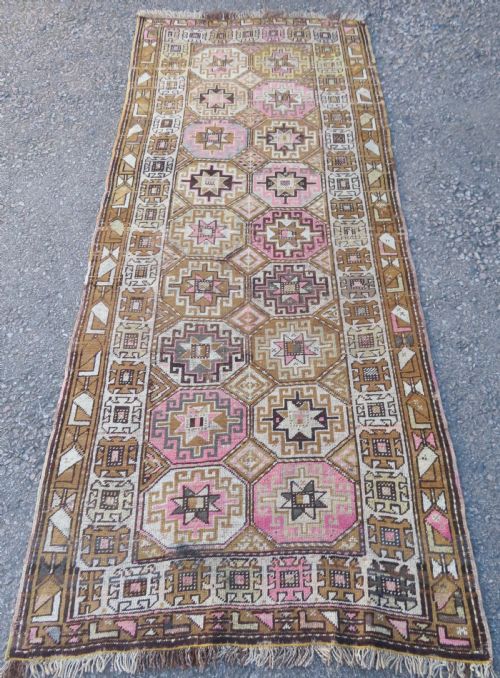
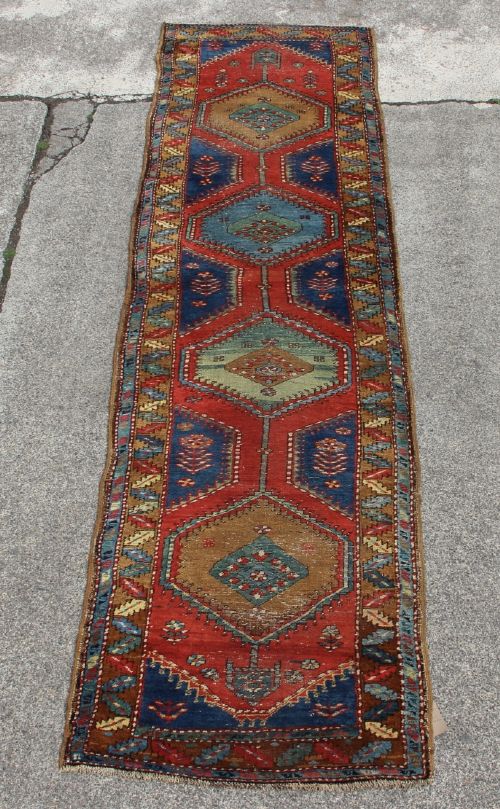
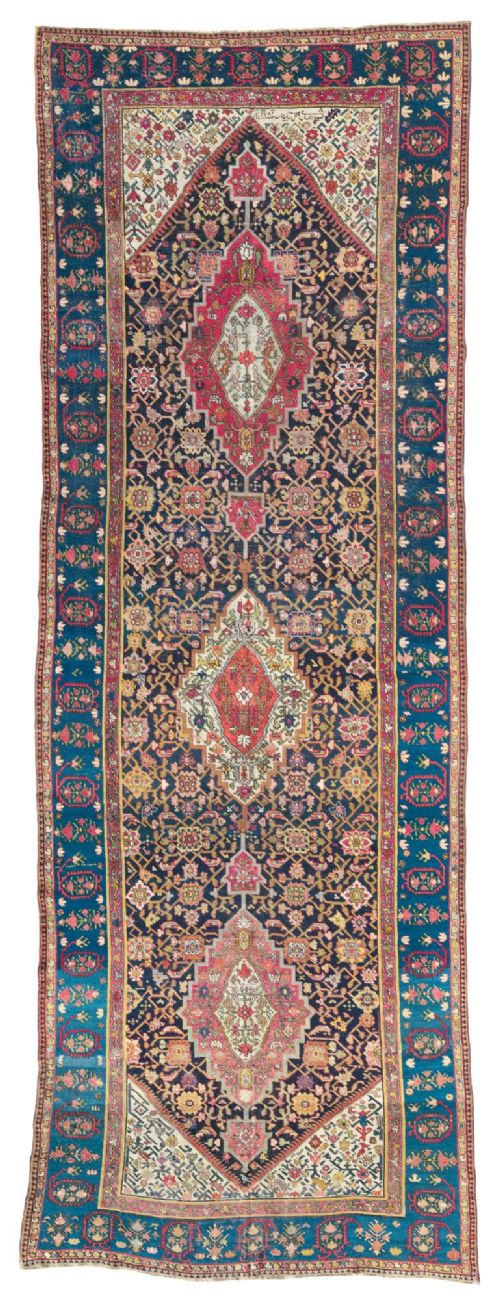
The most common formats on this page include antique and vintage room dividers and long hallway pieces originating from Northwest Persia or tribal weaving traditions. They incorporate characteristic narrow proportions suited for corridors, alongside geometric medallions, boteh motifs, and repeating field patterns.
Materials and construction
These textiles rely principally on wool, hand-spun wool, and cotton foundations, occasionally incorporating camel hair or silk. Artisans tied pile knots by hand across these natural fibre foundations to build durable floor coverings.
Natural dyes provide the palette for the older examples, producing the softened tones and varied hues seen across the woven surfaces.
Oriental Style Runners Retail Price Guide 2026
Typical asking prices for oriental style runners among the pieces listed under this phrase on Sellingantiques today, from the lower quarter to the upper quarter. They describe what is for sale here now, not the wider market.
One listed runner cheerfully admits to being crooked, proving that human hands guided every knot long ago.
Quality factors
The grade of wool and the consistency of the hand-spinning process determine the resilience and tactile character of the pile. Denser knotting and finer handling of the foundation threads separate superior village and tribal pieces from standard commercial weaving.
The integrity of natural dye formulas and the precision of geometric or figurative layout dictate the visual depth of the design. Variations in pile retention across the length of a runner reflect its historical use and subsequent preservation.
The Oriental Style Runners Glossary
- Runner
- A long, narrow carpet format specifically proportioned for corridors, hallways, and staircases. It guides movement through domestic spaces.
- Boteh
- A stylised almond, pear, or floral motif with a curved upper end, frequently repeated across tribal and village carpets. This ancient symbol appears widely in regional weaving.
- Heriz
- A style of carpet originating from the Northwest Persian town known for bold geometric medallions and durable construction. These pieces often feature large-scale corner spandrels.
- Kelleh
- A large format rectangular carpet, typically longer than it is wide but broader than a standard runner. It serves as an intermediate size between area rugs and full carpets.
- Natural Dyes
- Colourants extracted from plants, insects, and minerals rather than synthetic chemical compounds. They yield harmonious, mellow patinations as the textile ages.
Oriental Style Runners: Frequently Asked Questions
Where should I place an oriental style runner?
These narrow carpets suit corridors, hallways, and entrance spaces where traditional proportions balance the room.
Their elongated format directs foot traffic while introducing colour and regional pattern to transitional areas of a home.
How do I care for an old wool runner?
Gentle vacuuming without a rotating brush roll helps remove grit from the wool pile without straining the hand-spun foundation.
Professional cleaning suited for antique textiles preserves the natural dyes and structural integrity of the piece.
What is the difference between tribal and traditional persian designs?
Tribal designs display geometric motifs, memory-woven patterns, and asymmetrical touches originating from nomadic or village groups.
Traditional Persian styles typically follow structured, balanced layouts with defined central medallions and intricate floral borders.
How can I tell the age of these runners?
Examination of the materials, such as hand-spun wool and natural dye variations, points toward specific production periods.
Structural characteristics like weave density and edge finish provide further clues to whether a piece dates to the nineteenth or early twentieth century.