



Oriental Scene Painting
These oriental scene painting works bring narrative landscapes and figures into interiors through watercolour, porcelain and lacquer.
Oriental Scene Painting
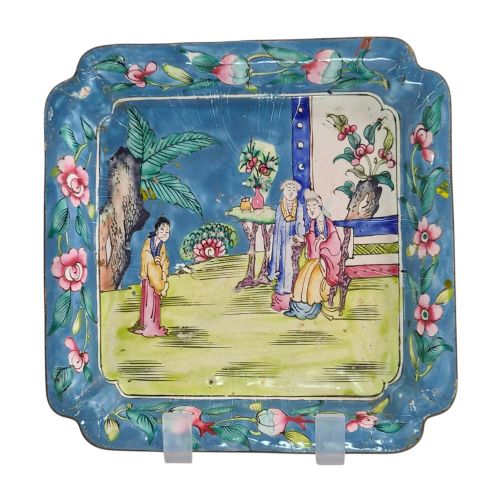
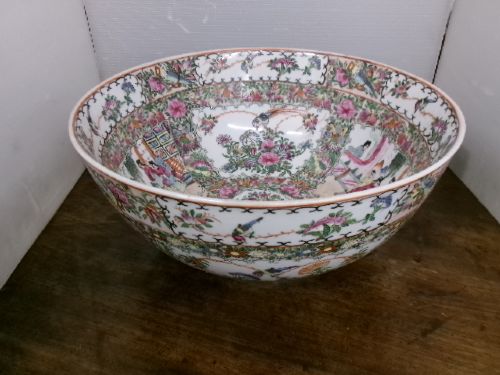
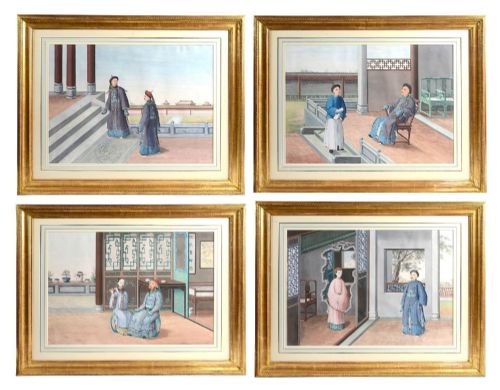
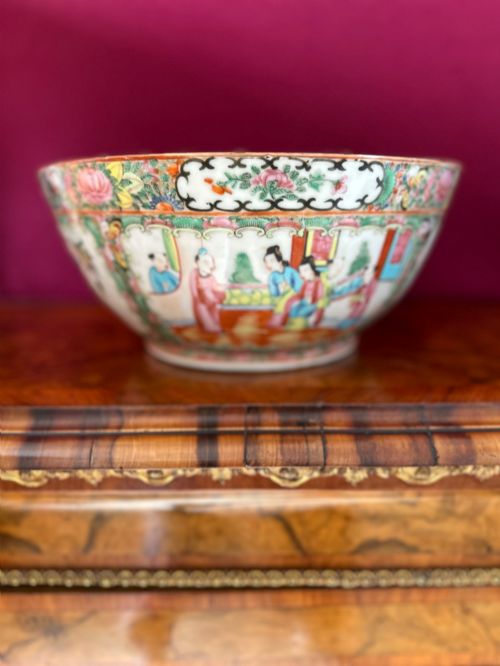
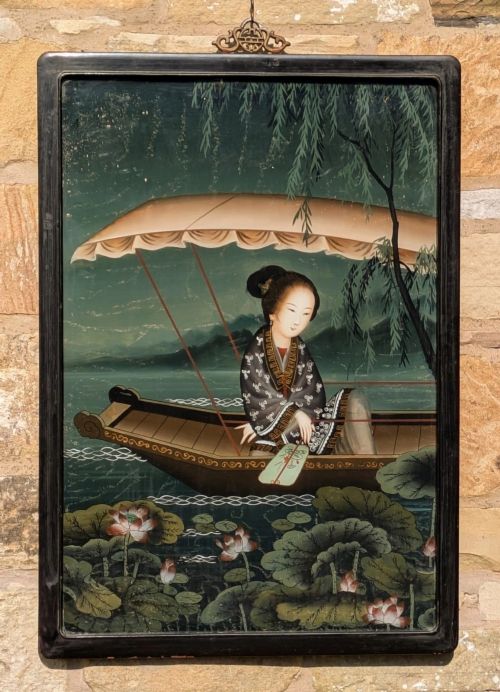
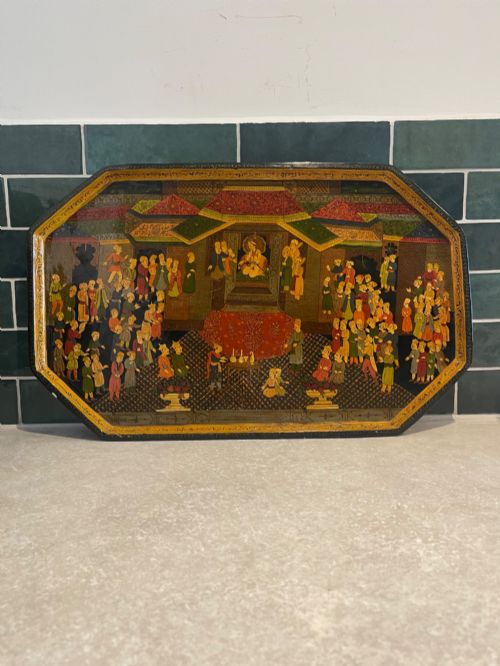
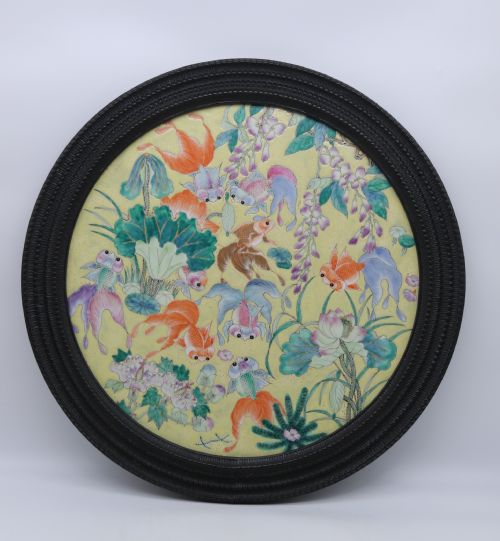
Oriental scene painting encompasses works on paper, canvas, porcelain and lacquer spanning multiple centuries and regions. Buyers encounter pieces ranging from Chinese Canton watercolours and Famille Rose bowls to Japanese Satsuma vases and Kashmiri papier-mâché items.
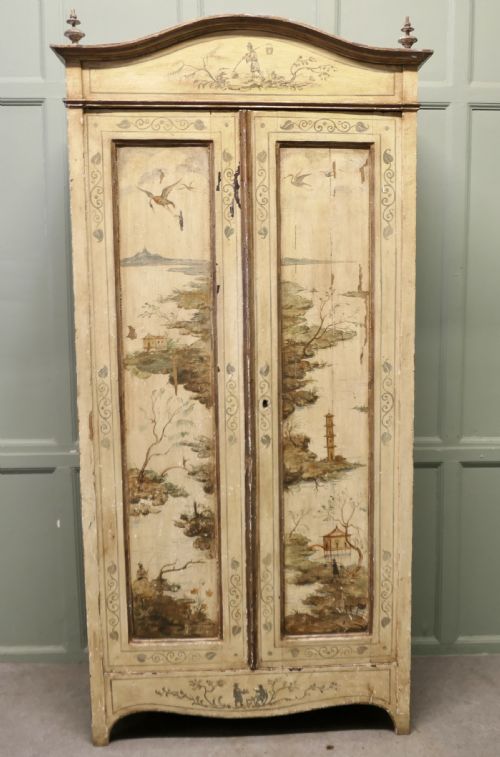
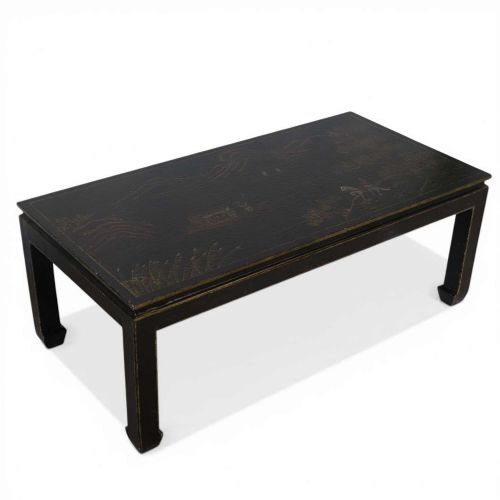
The selection on this page leans heavily toward nineteenth-century Chinese export porcelain and watercolours, alongside Japanese Meiji period ceramics and twentieth-century regional works. Forms vary widely from flat wall art and scroll paintings to three-dimensional vases, cupboards and coffee tables.
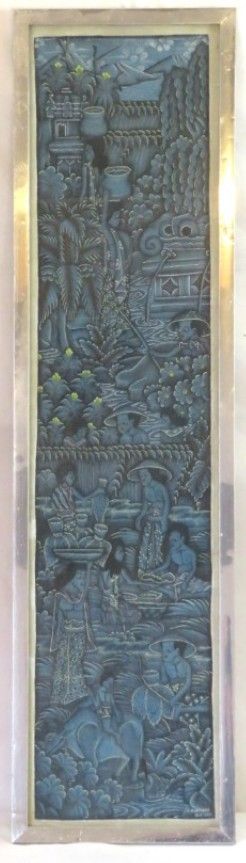
These objects reflect diverse traditions including Qing Dynasty export goods, Balinese watercolours and English Japanned furniture. Each piece captures specific regional narratives, figures and landscapes through distinct local techniques.
Materials and construction
Makers utilised paper, fabric, porcelain and wood as bases, applying watercolour, gouache, enamel and gold leaf by hand. Ceramics received detailed hand-painted overglaze decoration, while lacquer pieces required multiple layered coats on timber or papier-mâché.
Pigments and enamels were carefully built up to render figures, foliage and narrative scenes with high precision. Frames, panels and furniture structures integrate traditional joinery with surface painting or reverse painting on glass.
Oriental Scene Painting Retail Price Guide 2026
Typical asking prices for oriental scene painting among the pieces listed under this phrase on Sellingantiques today, from the lower quarter to the upper quarter. They describe what is for sale here now, not the wider market.
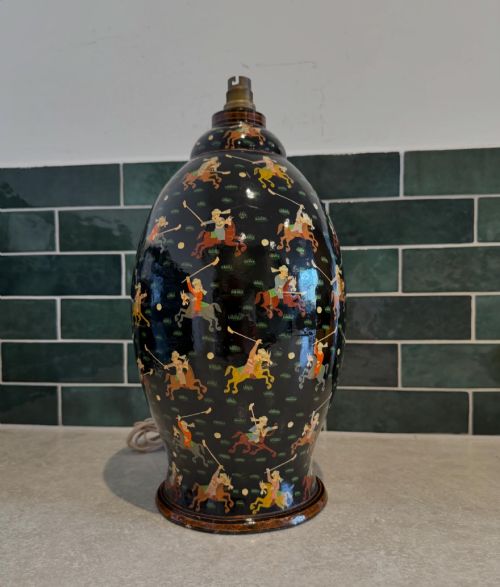
A Kashmiri papier-mâché lamp sits quietly ready to illuminate your room with centuries-old narrative artwork.
Standards of execution
Quality rests in the precision of the brushwork, the clarity of the enamel colours and the balance of the composition. Finer examples display meticulous control over facial expressions, robes and architectural details within the painted scene.
The depth of the glaze on porcelain and the richness of the gilding separate standard production items from exceptional pieces. Superior furniture and lacquer items show careful preparation of the wooden ground and smooth, durable surface finishes.
Chosei·Hayakawa·Takashi Nakayama·Richard Wilson·Ya Ming
The Oriental Scene Painting Glossary
- Famille Rose
- A major palette of Chinese porcelain enamels introduced in the Qing Dynasty, distinguished by opaque pink and rose colours. It replaced earlier green-dominant families and allowed for subtle tonal shading in figurative scenes.
- Satsuma
- Japanese earthenware pottery with a crackled ivory glaze, decorated with elaborate polychrome enamels and gold. It was widely produced in Kyoto and other centres for export during the Meiji period.
- Chinoiserie
- European artistic style reflecting Chinese motifs and decorative techniques, popular in furniture and wall art. Artisans applied these imagined Eastern scenes to items like cabinets and coffee tables.
- Papier-mâché
- A composite material made of paper pulp or reinforced paper layers, shaped and then painted or lacquered. It provided a lightweight base for trays, lamps and small decorative objects in Kashmiri production.
- Canton
- A style of Chinese export porcelain and painting characterised by crowded panels of figures, birds and flowers. These export works were produced specifically for Western markets during the nineteenth century.
Oriental Scene Painting: Frequently Asked Questions
What periods do these pieces come from?
The inventory spans the eighteenth, nineteenth and twentieth centuries, including Regency, Victorian, Meiji and Republican eras.
Most items date from the nineteenth century, reflecting active trade and artistic exchange during that period.
Where were papier-mache items made?
Papier-mâché lamps, trays and boxes on this page originate from Kashmiri workshops.
These objects combine moulded paper pulp foundations with intricate hand-painted surface decoration.
How should I care for painted lacquer furniture?
Keep painted lacquer cupboards and tables away from direct sunlight and excessive humidity to protect the surface.
Dust gently with a dry, soft cloth and avoid chemical polishes that can damage the delicate painted scenes.