




Oriental Porcelain Serving Bowl
An oriental porcelain serving bowl brings centuries of artistry to the table, offering robust utility and striking hand-painted display value.
Oriental Porcelain Serving Bowl
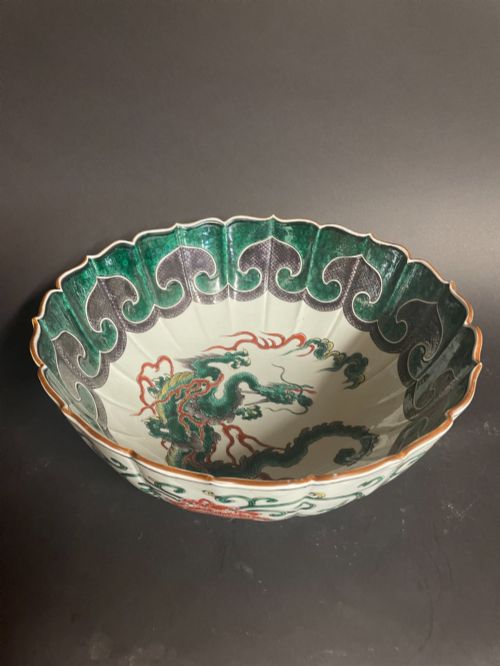
When you search for an oriental porcelain serving bowl, you encounter a variety of forms including large punch bowls, tureens, scalloped dishes, and boat-shaped vessels. These items bridge decorative arts and functional table service, originating from traditional Asian kilns and export markets.
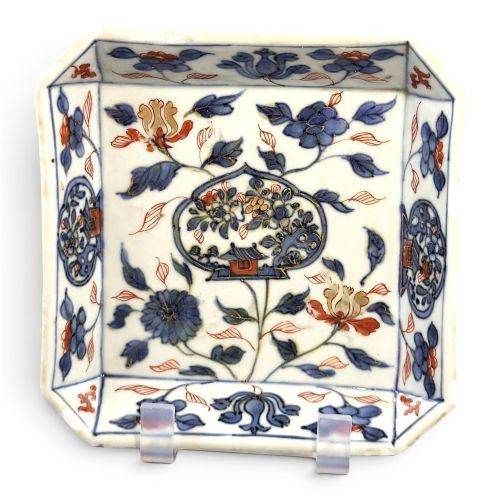
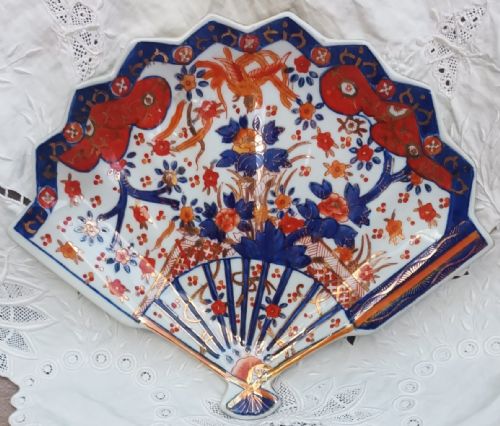
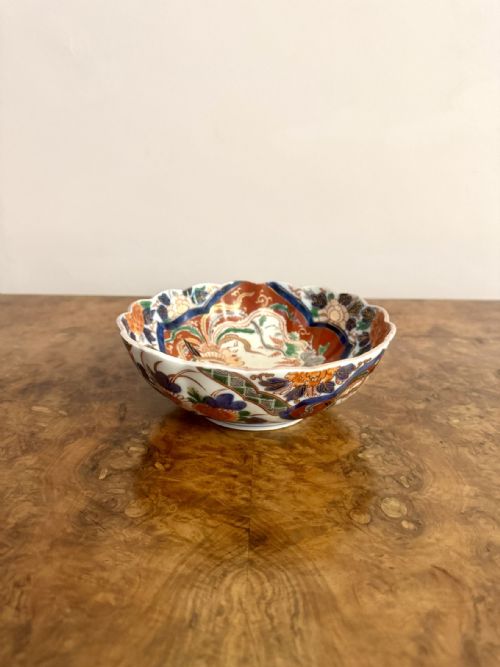
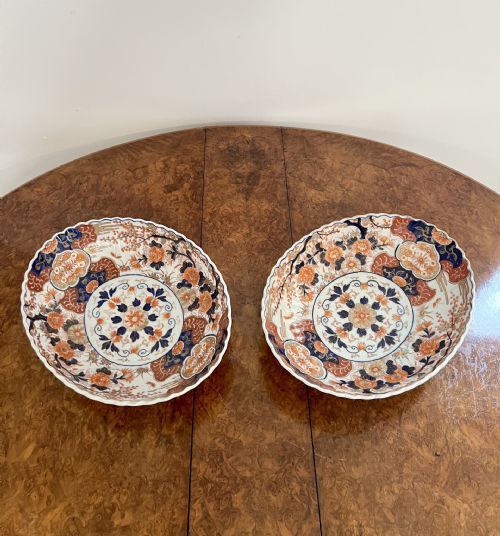
The pieces you meet on this page span several centuries, featuring Ming blue and white, Kangxi period Chinese export pieces, and intricate Japanese Imari items from the Edo and Meiji periods. Forms range from simple circular bowls to chamfered squares and scalloped edges designed for presentation.
Dating ranges from the late sixteenth century through the nineteenth century, capturing distinct shifts in aesthetic preference and ceramic production. Buyers find both Chinese canton works and Japanese Arita wares shaping the category.
How they were made
These pieces rely on high-fired porcelain clay bodies finished with vitreous glaze. Artisans applied cobalt blue underglaze pigments before the final firing to achieve deep, permanent blue motifs.
Overglaze enamels and gilding or gold leaf were frequently added in subsequent low-temperature firings to introduce rich reds, golds, and secondary colours. Hand painting ensures each vessel bears individual brushwork and distinct pictorial narratives.
Listings feature porcelain pieces spanning from the sixteenth century to the early twentieth century, incorporating blue and white and enamelled styles.
What varies in quality
Quality rests primarily in the crispness of the hand-painted execution and the complexity of the cobalt underglaze or enamel application. Finer examples display precise brush control and well-balanced compositions across complex surfaces like scalloped or boat-shaped rims.
The refinement of the porcelain body and the preservation of overglaze gilding dictate the upper tier of the range. Pieces showing superior potting technique and sophisticated decorative schemes command greater appreciation among collectors.
The Oriental Porcelain Serving Bowl Glossary
- Imari
- A style of Japanese porcelain featuring a distinctive palette of underglaze blue, iron red, and gilt highlights. These wares were heavily produced for both domestic use and Western export.
- Cobalt Underglaze
- A blue pigment applied directly to the raw porcelain body prior to glazing and firing. This technique protects the pigment beneath a glassy protective layer.
- Punch Bowl
- A large, deep vessel originally designed for mixing and serving alcoholic punch at social gatherings. Their generous capacity made them centrepieces of Georgian and earlier dining tables.
- Tureen
- A deep covered serving vessel used historically for soups, stews, or sauces. They combine utilitarian function with elaborate ornamental design.
- Chamfered
- Having a sharp edge or corner cut off to form a symmetrical bevel. This geometric shaping appears frequently on square export bowls.
Oriental Porcelain Serving Bowl: Frequently Asked Questions
How do I use an antique bowl?
These vessels suit dry presentation or careful serving during special occasions. Their historical surfaces require gentle handling rather than heavy daily service.
Display them on sideboards or open shelving where the painted interior and exterior motifs remain visible. Avoid abrasive cleaning agents to protect the original glazes.
How do I date Chinese export porcelain?
Dating relies on stylistic shifts in painting techniques, floral motifs, and the clarity of the cobalt blue or enamel colours. Examining the paste and footrim offers further clues regarding the era of production.
Comparing pieces to documented examples from periods like the Kangxi reign helps establish a reliable timeframe. Minor variations in potting reflect the hand methods of the period.
What is the difference between Imari and Canton?
Japanese Imari typically combines cobalt blue, iron red, and gold in dense, structured patterns. The style originated in Arita and gained immense popularity across Europe.
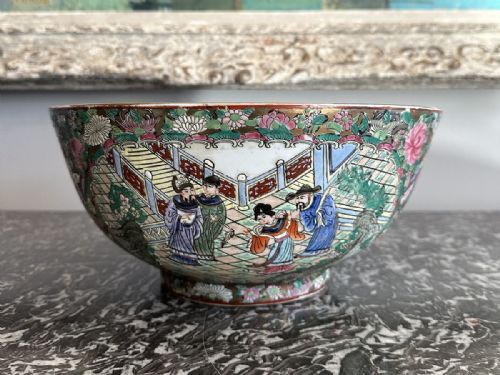
Chinese Canton wares often feature vibrant polychrome enamels depicting figures, landscapes, and floral borders. The palette and brushwork styles help distinguish the geographic origin.
Are these bowls dishwasher safe?
Antique porcelain must be washed by hand in lukewarm water using mild soap. Modern dishwashers expose fragile overglaze enamels and antique gilding to damaging thermal and chemical stress.
Protecting the original surface preserves both the aesthetic integrity and the historical value of the piece. Dry them thoroughly with a soft cloth after washing.