



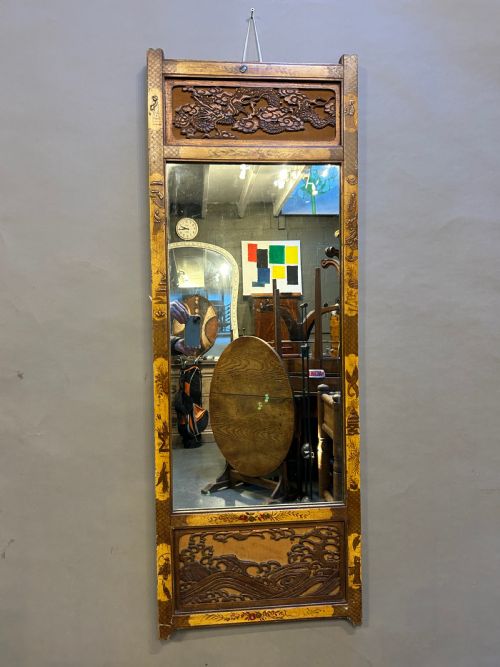

Oriental Mirror Frame
An oriental mirror frame brings rich lacquer, intricate carving, and global trade history directly onto the wall.
Oriental Mirror Frame
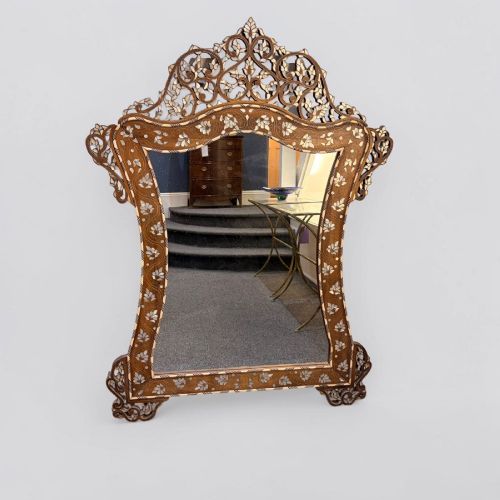
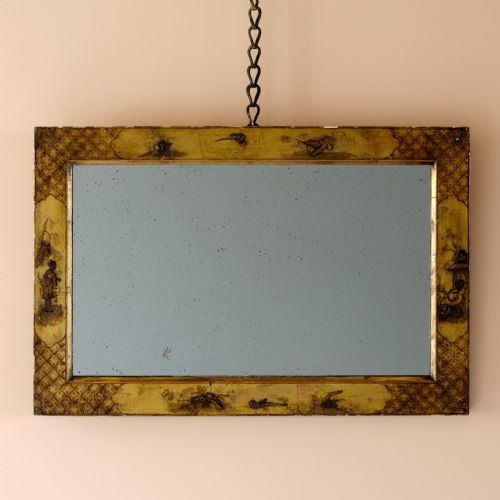
When searching for an oriental mirror frame, you encounter a diverse group of wall and dressing table pieces spanning the nineteenth and early twentieth centuries. These pieces reflect distinct global aesthetics, ranging from Chinese export items and Qing Dynasty Chinoiserie to intricate Anglo-Indian and Syrian craftsmanship.
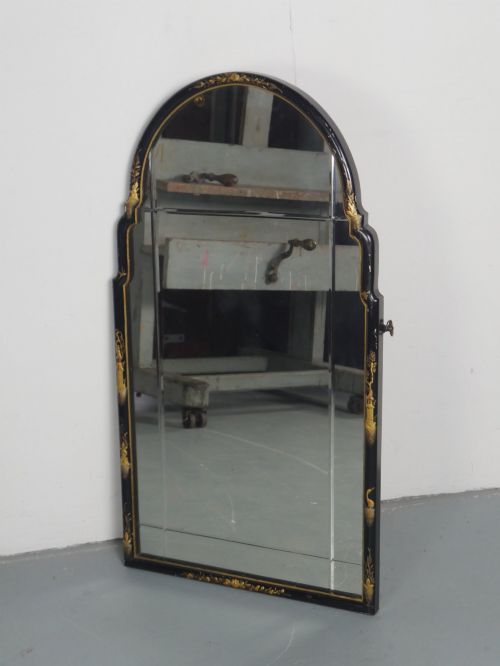
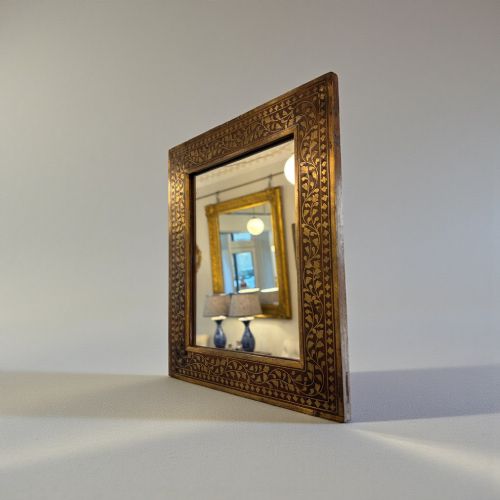
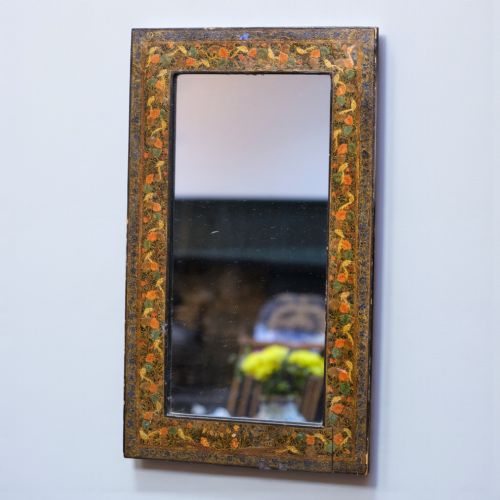
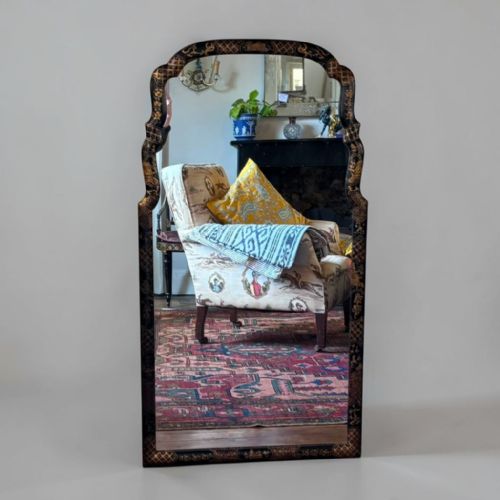
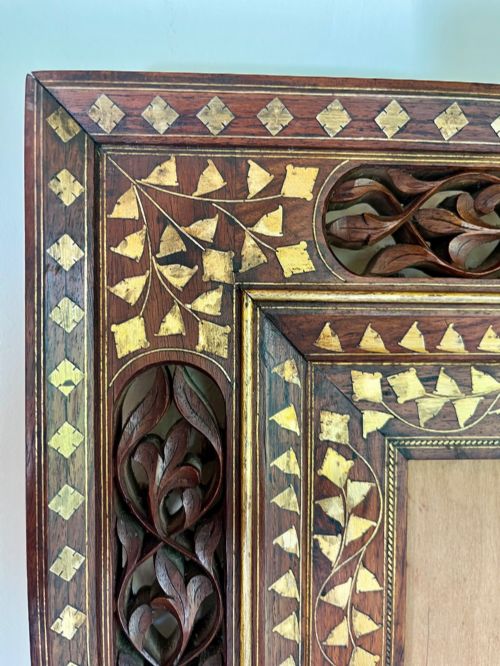
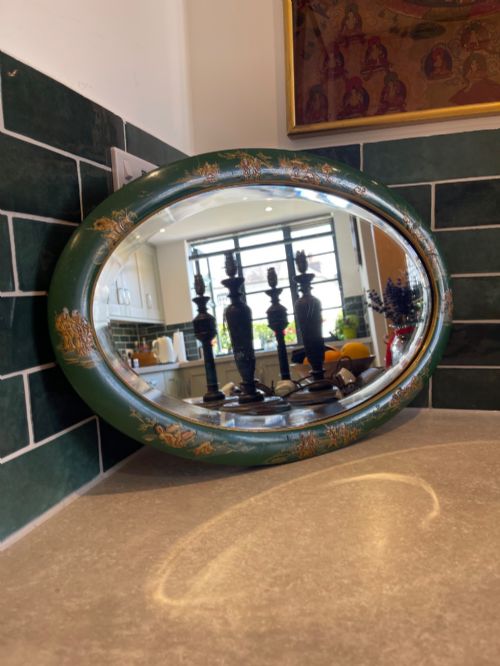
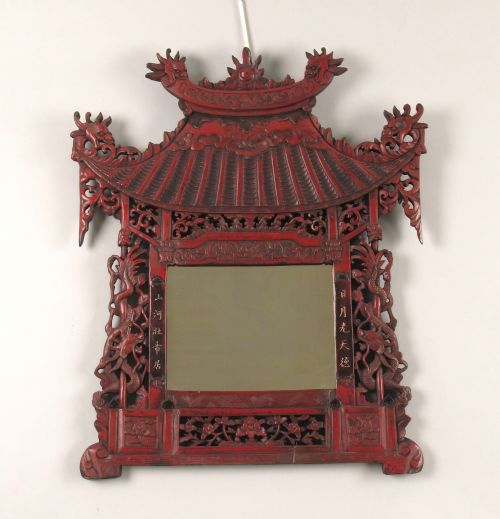
The most common examples on this page are Chinoiserie wall mirrors finished in black, red, or scarlet lacquer, alongside inlaid woodwork from Kashmiri and Syrian workshops. Forms vary from simple ovals and small squares to elaborate pagoda designs and tall pier mirrors.
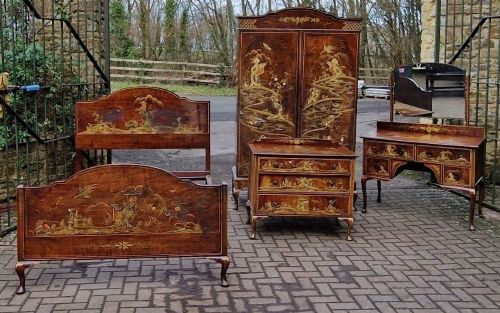
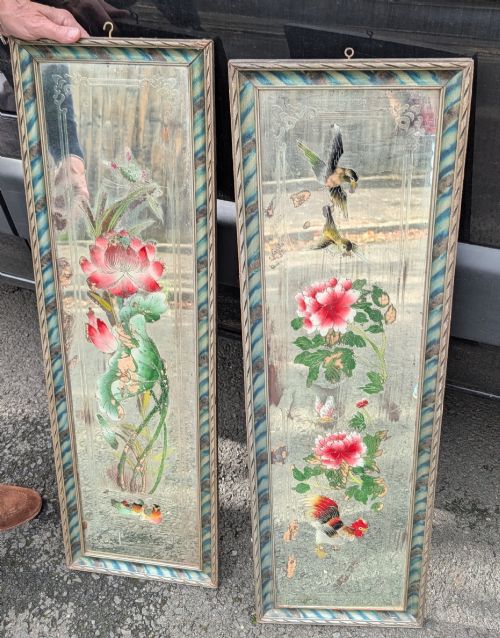
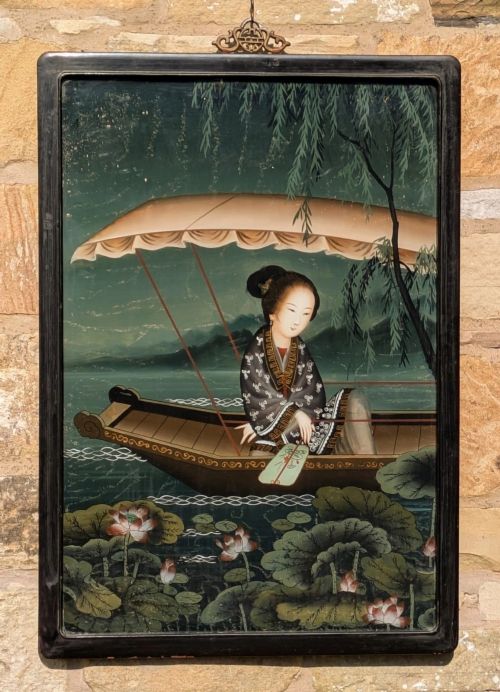
Beyond standalone frames, the selection encompasses reverse glass paintings and complete bedroom suites that incorporate matching mirror work. Each piece demonstrates the heavy influence of Eastern decorative arts on British and European interior design across multiple decades.
Materials and Construction Techniques
Wood serves as the structural foundation for these pieces, utilising traditional timbers such as walnut, cherrywood, and ebonised bases. Artisans shaped these woods into carved frames or flat panels ready for decorative surface treatments.
Surface ornamentation relies heavily on applied lacquer, gold leaf, and paint to achieve the classic Chinoiserie sheen. In other regional traditions, workers integrated brass wire inlay and pierced metal edges directly into the wooden framework.
Glazing typically involves mirror glass, occasionally paired with reverse glass painting techniques where imagery is applied directly to the rear of the glass panel. This requires precise hand-painting skills to maintain clarity and depth.
Oriental Mirror Frame Retail Price Guide 2026
Typical asking prices for oriental mirror frame among the pieces listed under this phrase on Sellingantiques today, from the lower quarter to the upper quarter. They describe what is for sale here now, not the wider market.
Materials across the selection consistently include reverse glass paintings, gilt, and carved cherrywood.
Factors That Distinguish Quality
The refinement of the carved details and the depth of the lacquer layers dictate the overall standard of the frame. Skilled execution in the Chinoiserie motifs or intricate geometric wood inlay separates standard decorative items from finer works.
The preservation of the original gilt, paintwork, and mirror glass heavily influences the character of the piece. Subtle variations in hand-painting, particularly on reverse glass panels and japanned surfaces, show the individual touch of the maker.
The Oriental Mirror Frame Glossary
- Japanning
- A type of European varnish finish that emulates East Asian lacquerware. This technique involves layering dark varnishes and curing them before applying painted or gilt decorations.
- Reverse glass painting
- An art form where the painting is executed on the back of a piece of glass and viewed from the front. This method preserves the lustrous shine of the glass surface over time.
- Pier mirror
- A tall mirror designed specifically to hang on the wall between two windows. These pieces often feature elaborate frames to complement the architectural proportions of a room.
- Inlay
- A decorative technique where small pieces of contrasting materials such as brass or light wood are inserted into recesses in the wooden base. This creates flat, patterned surface designs across the frame.
Oriental Mirror Frame: Frequently Asked Questions
What is an oriental mirror frame?
An oriental mirror frame is a decorative looking glass featuring design influences from East Asia, India, or the Middle East. These pieces range from British Chinoiserie items to authentic imports and colonial-era woodwork.
They serve as focal points in hallways, living rooms, and bedrooms, bringing distinct colour and texture to interior schemes.
How do I date an antique mirror frame?
Dating relies on examining the construction timbers, the backing boards, and the characteristics of the mirror glass itself. Styles also provide clear clues, linking pieces to specific periods like the Victorian era or the Edwardian years.
Changes in manufacturing techniques and decorative motifs help narrow down the decade of production.
What is Chinoiserie style?
Chinoiserie is a European aesthetic movement that borrows heavily from Chinese artistic motifs. It typically displays scenes of figures, pavilions, and natural elements rendered in lacquer and gold leaf.
This style flourished across various periods, resulting in mirrors with deep black, red, or scarlet japanned finishes.
Where were Kashmiri and Syrian mirrors made?
Kashmiri mirrors originate from the Kashmir region, known for intricate woodwork and brass wire inlay. Syrian pieces typically feature complex geometric inlays using various woods and metal threads.
These regional pieces reflect the rich craft traditions of their respective local workshops.
How should I hang a heavy wall mirror?
Hanging a heavy wall mirror requires securing the fixture directly into wall studs or using appropriate heavy-duty cavity fixings. Ensuring the weight is evenly distributed protects both the frame and the wall.
Professional installation is often recommended for large or particularly substantial wooden frames.