

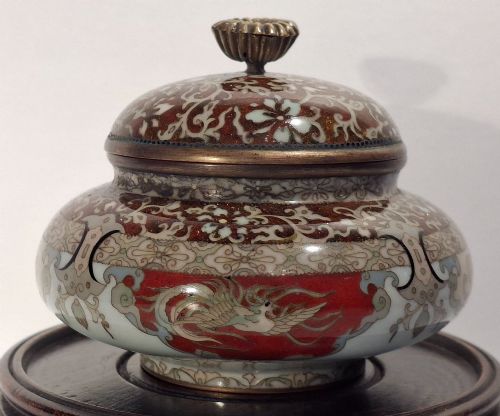


Oriental Metalwork Censer
An oriental metalwork censer brings centuries of ritual craft into a room through cast bronze and cloisonne enamel.
Oriental Metalwork Censer
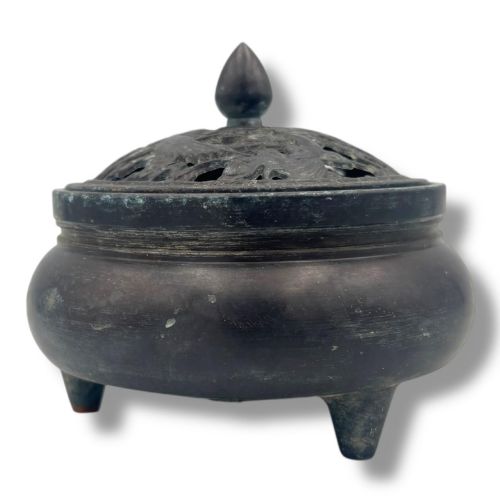
When you search for an oriental metalwork censer, you encounter incense burners and lidded koro vessels originating from Chinese and Japanese workshops. The selection on this page spans the eighteenth century through the early twentieth century, taking the form of tripod vessels, bombé bowls, and large decorative containers.
Chinese examples from the Qing Dynasty frequently display archaic styles, taotie decoration, and Xuande or scholar studio marks. Japanese pieces from the Meiji period and Edo era often utilise bronze, silver, and intricate cloisonne enamel work.
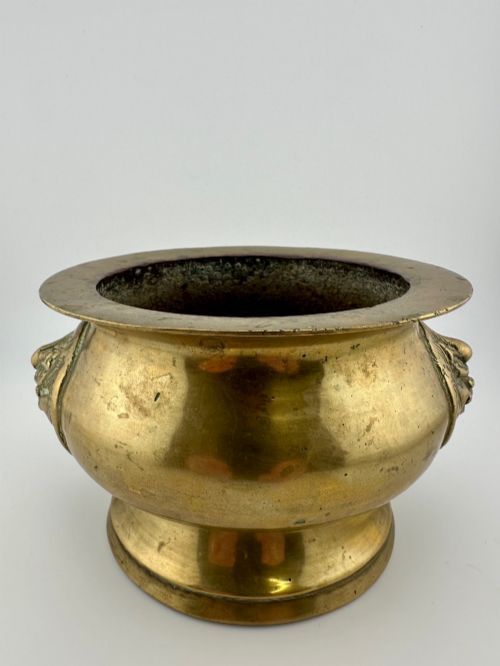
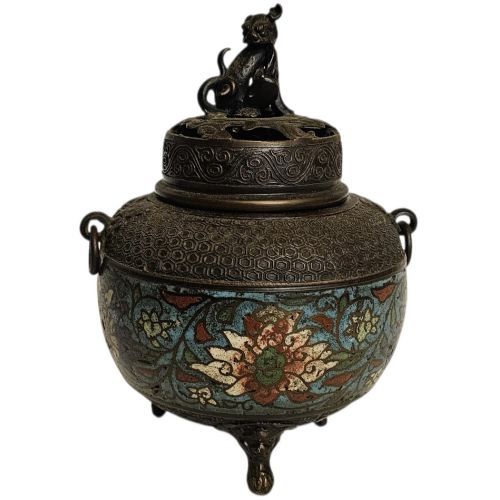
Tripod forms supported by three feet dominate the offerings, frequently accompanied by pierced lids featuring qilin, fu lion, or dragon finials. Handled variations display lion mask or beast motifs cast directly into the body.
Materials and construction methods
Foundry workers shaped these vessels primarily from bronze and brass, utilising casting techniques that produced heavy, durable walls. Patinated bronze finishes provide deep surface tones, while antimony and copper appear in specific regional productions.
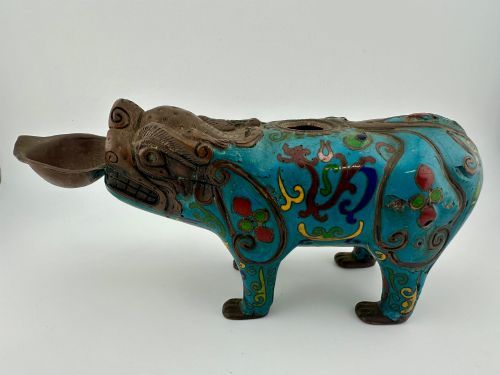
Cloisonne enamel pieces incorporate soldered wire partitions on a metal base, filled with vitreous enamel pastes and fired to create colourful decorative patterns. Silver accents and pierced metal lids demonstrate advanced metalworking skill.
Oriental Metalwork Censer Retail Price Guide 2026
Typical asking prices for oriental metalwork censer among the pieces listed under this phrase on Sellingantiques today, from the lower quarter to the upper quarter. They describe what is for sale here now, not the wider market.
Several mythical beasts guard these lids, ready to release scented smoke through their jaws.
Discerning quality in metalwork
Superior weight and balance distinguish heavier cast vessels from lighter productions, where thick walls provide a substantial feel in the hand. The precision of the casting determines whether decorative elements like taotie masks and dragon details remain sharp and clear.
Enamel work varies according to the regularity of the wire cells and the smoothness of the polished surface. Well-executed pieces display crisp maker or studio marks cast or engraved into the base, grounding the object in its historical period.
Tsukamoto Hikokichi·Wu Bangzuo
The Oriental Metalwork Censer Glossary
- Censer
- An incense burner designed to hold burning material during ritual or domestic use.
- Koro
- A Japanese incense burner, frequently fitted with a decorative lid.
- Cloisonne
- A metalwork technique using wire compartments filled with enamel paste and fired.
- Tripod
- A vessel supported by three feet, common in bronze casting.
- Taotie
- A stylised zoomorphic mask motif found on archaic Chinese bronzes.
Oriental Metalwork Censer: Frequently Asked Questions
How do I use an antique censer?
These vessels were originally made to burn aromatic incense during ritual or scholarly pursuits. Today, many collectors display them as decorative objects rather than burning incense inside them.
If you do burn incense, place heat-resistant material inside the bowl to protect the historic metal surface from direct heat damage.
What is the difference between Chinese and Japanese censers?
Chinese pieces often draw on archaic bronze forms, featuring tripod legs, taotie decoration, and imperial or studio marks from the Qing Dynasty. Japanese examples from the Meiji or Edo periods frequently incorporate silver accents and colourful cloisonne enamel.
Form and surface ornamentation usually reveal the geographic origin of the workshop.
How do I date an antique bronze censer?
Dating relies on stylistic clues, casting characteristics, and any reign or studio marks stamped or engraved on the base. Eighteenth-century pieces often display heavy, refined casting with specific scholarly marks.
Late nineteenth and early twentieth-century examples tend to show industrial influences and different patination techniques.
What does a Xuande mark mean?
A Xuande mark refers to the Ming Dynasty emperor under whom Chinese bronze casting reached a celebrated standard of excellence. Later Qing Dynasty workshops frequently placed these marks on their own pieces to honour that tradition.
Such marks indicate a style and homage rather than proving production during the actual Xuande reign.