



Oriental Medicine Cabinet
These oriental medicine cabinet examples are traditional apothecary chests built for herbs and roots, offering deep drawers and striking hardware for modern homes.
Oriental Medicine Cabinet
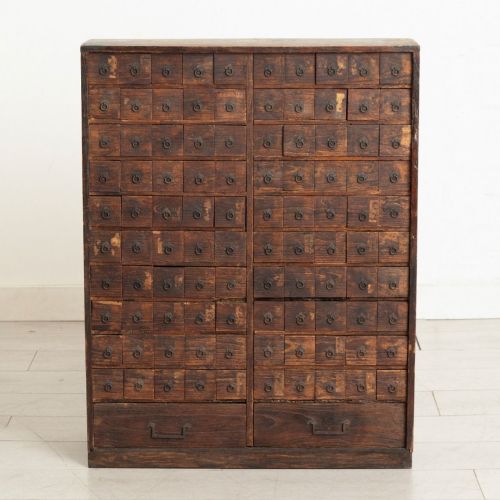
An oriental medicine cabinet is typically a multi-drawer apothecary chest designed for storing dried herbs, roots, and traditional remedies in Chinese, Japanese, or Korean households and pharmacies. Most examples seen here originate from the nineteenth and early twentieth centuries, spanning traditional Chinese provincial workshops, Qing Dynasty outputs, Meiji Period Japanese studios, and Korean Joseon Dynasty traditions.
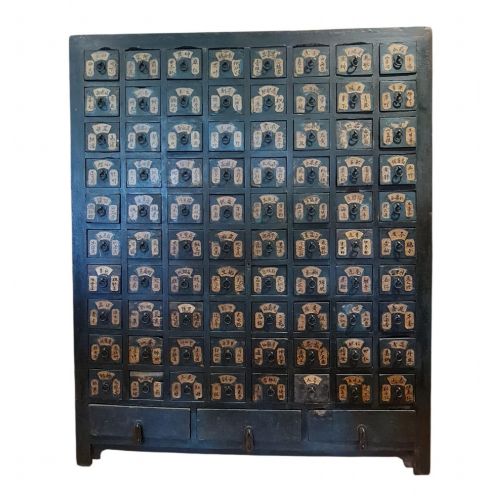
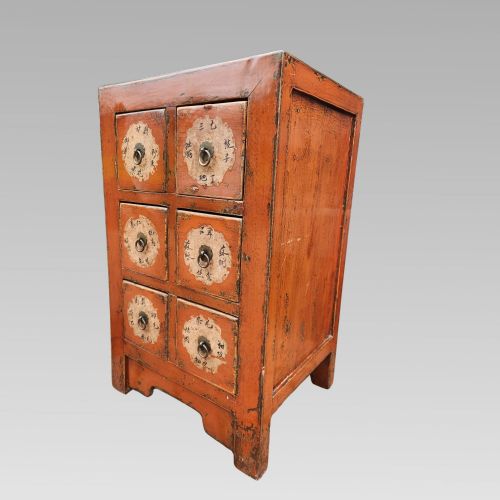
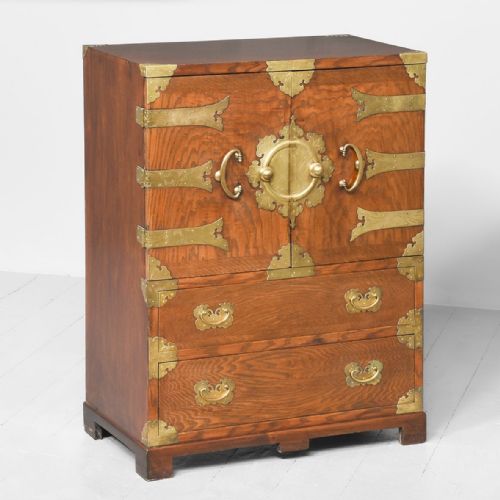
The primary forms on this page include apothecary chests featuring numerous small drawers, along with side cabinets, floor or table cabinets, and storage coffers. These pieces range from substantial Shanxi Province elm chests containing eighty drawers down to smaller Korean burr elm or cedar cupboards fitted with brass hardware.
Buyers encounter a geographical spread encompassing Chinese, Japanese, and Korean cabinet-making traditions, each utilising regional timbers and distinct drawer layouts. The surviving pieces bridge utilitarian apothecary storage and decorative domestic furniture.
How they were made
Carpenters constructed these cabinets using native hardwoods such as elm, burr elm, and cedar, selected for structural stability across numerous small compartments and drawer frames. Wood surfaces were often finished with lacquer or left natural to highlight the grain of the timber.
Hardware played a central functional and decorative role, with blacksmiths forging brass and iron plates, hinges, and drawer pulls that secured the numerous small compartments. Paper was sometimes applied internally or within construction layers for lining and reinforcement.
The listings span the eighteenth through the early twentieth centuries, featuring elm, cedar, brass, iron, and lacquer across Chinese, Japanese, and Korean traditions.
What varies in quality
Quality rests in the precision of the joinery across dozens of small drawer compartments and the integrity of the primary timber frame, such as figured elm. Superior examples exhibit tightly fitted drawer banks that remain functional and sound over generations.
The originality and substance of the metal hardware, whether brass or iron plates and pulls, differentiate finer workshop output from standard utility pieces. The complexity of the drawer configuration, seen in multi-tier apothecary banks, also marks higher tier production.
The Oriental Medicine Cabinet Glossary
- Apothecary chest
- A multi-drawer cabinet originally designed to hold medicinal herbs, powders, and roots in traditional dispensaries. These pieces are characterised by banks of numerous small drawers.
- Joseon Dynasty
- The dynastic period of Korean history spanning from the late fourteenth to the early twentieth century, known for distinctive wooden furniture featuring prominent metal mounts.
- Shanxi Province
- A northern Chinese region renowned for its production of traditional elm furniture and historic apothecary storage chests. Cabinets from this area frequently feature numerous small labelling drawers.
- Meiji Period
- The era of Japanese history lasting from eighteen sixty-eight to nineteen twelve, encompassing various traditional craft developments including modular drawer banks.
- Elm
- A resilient hardwood utilised extensively in traditional Chinese and Korean cabinet making for its toughness and distinctive grain patterns.
Oriental Medicine Cabinet: Frequently Asked Questions
What is an oriental medicine cabinet?
An oriental medicine cabinet is a traditional apothecary chest or drawer bank built to store medicinal herbs, roots, and powders. These cabinets originate from China, Japan, and Korea, featuring numerous small compartments.
Surviving examples date from the eighteenth to the early twentieth centuries, reflecting regional joinery traditions and utilitarian pharmacy storage needs.
How were these cabinets used?
Apothecaries and practitioners used the numerous small drawers to organise specific dried herbs, minerals, and animal components required for traditional remedies. Each compartment kept ingredients separated and protected from moisture.
In modern settings, these pieces function as accent storage furniture, display cabinets, or organizational chests for smaller household items.
How do I identify Chinese versus Korean cabinets?
Chinese apothecary cabinets frequently feature extensive banks of small labelled drawers, often originating from provinces like Shanxi and utilising elm timber. Qing Dynasty and provincial pieces emphasise functional storage architecture.
Korean cabinets from the Joseon tradition often highlight figured burr elm timbers paired with prominent brass strapwork, hinges, and circular lock plates.
What woods were used in these cabinets?
Cabinet makers utilised native Asian hardwoods, with elm and burr elm being particularly common for their strength in supporting complex drawer grids. Cedar and other local timbers also appeared depending on the regional workshop.
Surviving surfaces often feature traditional lacquer applications or natural wood finishes paired with forged iron and brass hardware.
How do I live with a medicine cabinet?
These cabinets suit entryways, living rooms, or studies where their multiple small drawers provide practical storage for collections, stationery, or household accessories. Their distinctive hardware and timber grains make them strong focal points.
Positioning them away from direct heat sources helps preserve the antique timber and traditional lacquer or polished finishes.