





Oriental Lacquer Stool
These oriental lacquer stool examples bring rich, hand-finished colour and texture into a room, offering versatile low seating or display.
Oriental Lacquer Stool
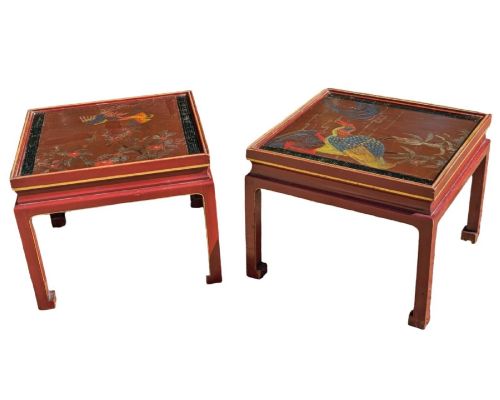
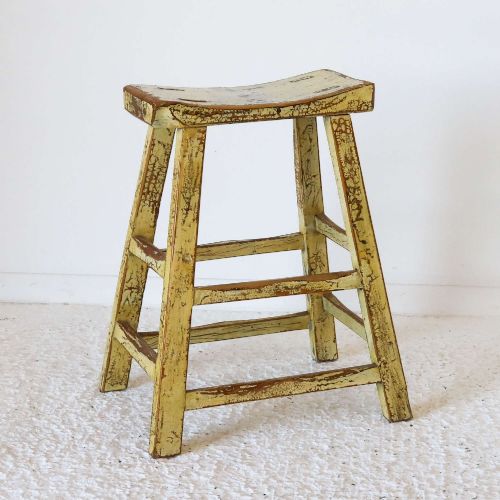
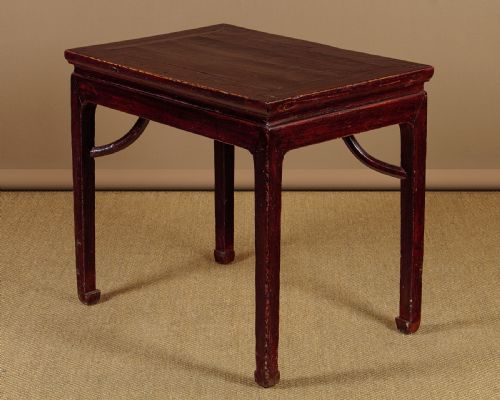
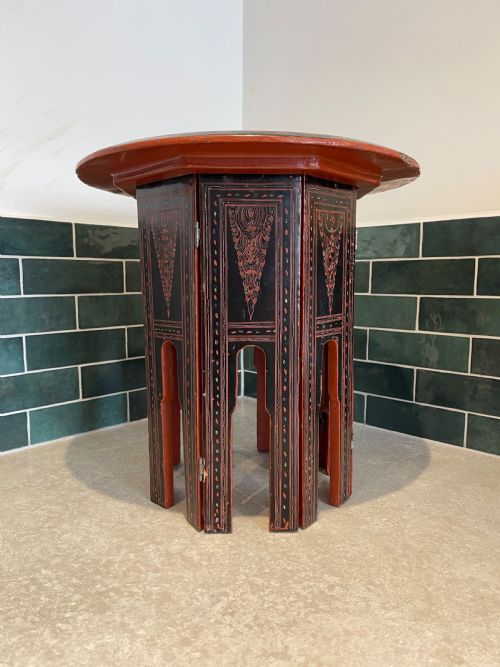
When you search for an oriental lacquer stool, you are looking at low seating, plant stands, and small tables finished with layered resinous coatings. The pieces available range from Edwardian chinoiserie interpretations to Chinese provincial elm examples and Indian or Burmese forms.
You are most likely to meet pieces dating from the nineteenth and early twentieth centuries, including the Edwardian period. They take forms from simple wooden stools to benches, footstools, and low tables with painted or gilt details.
How they were made
These pieces rely on timber foundations, frequently utilising elm or general hardwoods alongside rootwood. Artisans built up surfaces using natural lacquer, pigment, and gilt to create durable, lustrous finishes.
Decorative elements often incorporate painted chinoiserie motifs or contrasting materials such as cloisonne enamel panels. Construction methods combine traditional joinery with surface carving.
Oriental Lacquer Stool Retail Price Guide 2026
Typical asking prices for oriental lacquer stool among the pieces listed under this phrase on Sellingantiques today, from the lower quarter to the upper quarter. They describe what is for sale here now, not the wider market.
Listings feature items spanning from eighteen-sixty through the Edwardian era to nineteen-twenty, incorporating lacquer, elm, timber, textile, pigment, gilt, and cloisonne enamel.
What varies in quality
The distinction between standard and superior pieces rests on the depth of the lacquer layers and the fineness of the hand-painted or gilt details. Pieces that retain their original finish show a richer integration of pigment and timber.
Design complexity also separates the ranges, from simple provincial elm work to elaborate Edwardian chinoiserie or pieces incorporating cloisonne enamel. The integrity of the underlying wood structure dictates the longevity of the object.
Whytock and Reid
The Oriental Lacquer Stool Glossary
- Cloisonne
- Enamelwork technique where thin wire partitions form compartments to hold vitreous paste before firing. This decorative method appears alongside lacquer on select side tables.
- Elm
- A resilient hardwood commonly used in Chinese provincial furniture construction. Its visible grain accepts lacquer finishes effectively.
- Lacquer
- A durable resinous coating applied in multiple layers and polished to a smooth finish. It protects the underlying timber while providing a canvas for pigments and gilt.
Oriental Lacquer Stool: Frequently Asked Questions
How do I use an oriental lacquer stool at home?
These pieces function well as low occasional seats, footstools, or compact side tables in a living space.
Their decorative surfaces also make them suitable for displaying plants or small objects of interest.
What is Edwardian chinoiserie?
Edwardian chinoiserie refers to early twentieth-century British furniture that adopted East Asian decorative motifs and black lacquer finishes.
This style reinterprets traditional forms with a lighter touch suited to Edwardian interiors.
How should I care for lacquered wood?
Keep lacquered items out of direct sunlight and away from extreme temperature fluctuations to prevent the surface from drying.
Dust gently with a soft cloth and avoid chemical polishes that might damage the original finish.
Are these pieces strictly for seating?
Many examples are versatile enough to serve as plant stands, low tables, or display pedestals rather than furniture for sitting.
Examining the structure and top surface of each piece reveals its intended historical function.