


Oriental Lacquer Light
Oriental lacquer light designs bring rich hand-painted figures, gilt details and deep coloured finishes into a room.
Oriental Lacquer Light
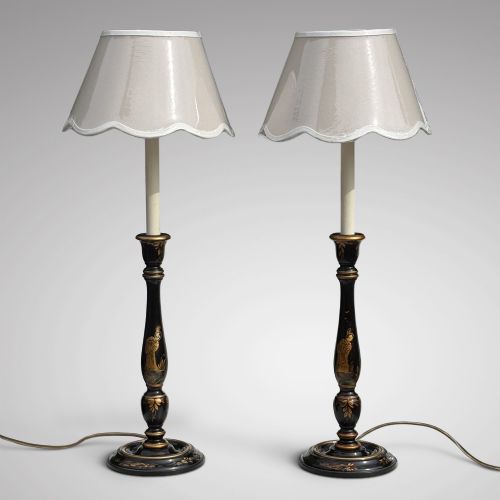
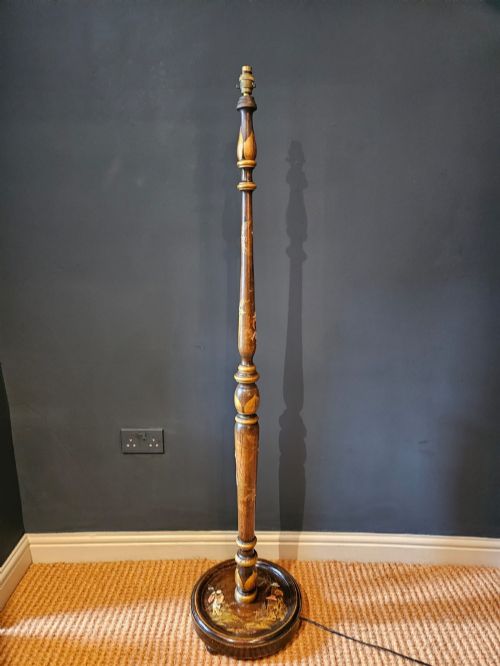
When you search for an oriental lacquer light, you encounter decorative lighting fixtures built from wood, papier-mache and lacquered surfaces. These range from small table lamps to tall standard and floor lamps.
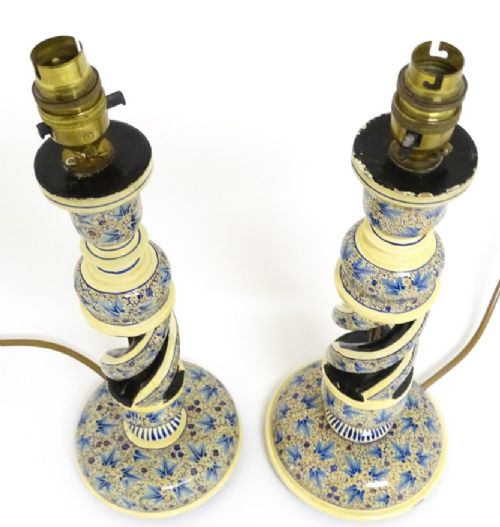
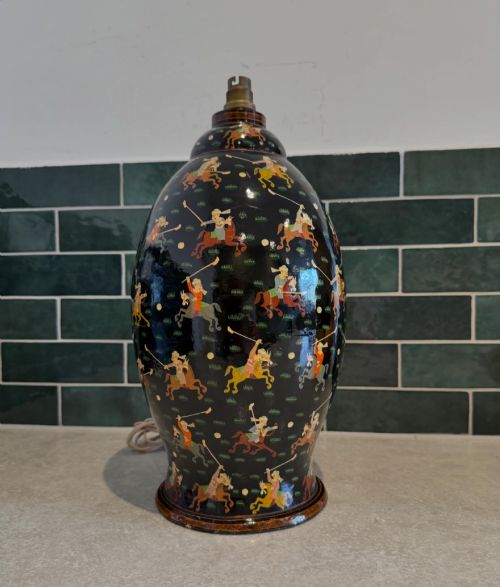
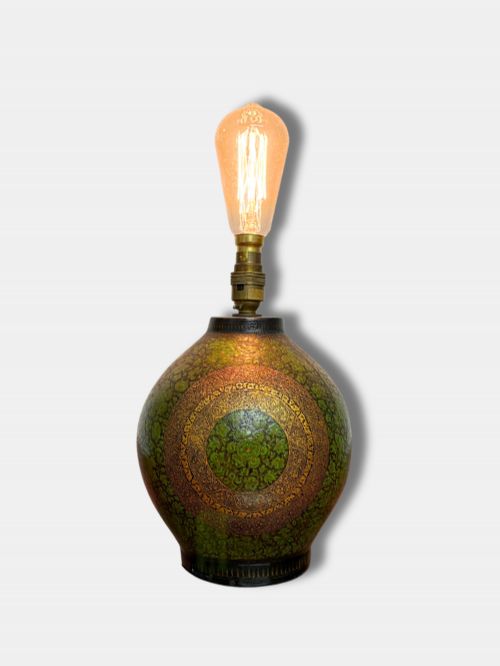
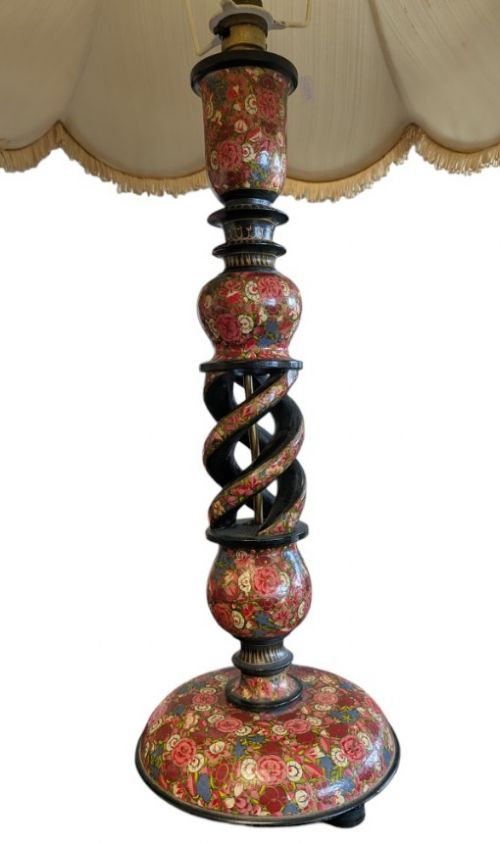
The most common examples on this page date from the Edwardian period, the 1910s and the 1920s, heavily featuring Chinoiserie styles and Kashmiri folk art traditions. You also find occasional nineteenth-century pieces converted from objects like tea canisters.
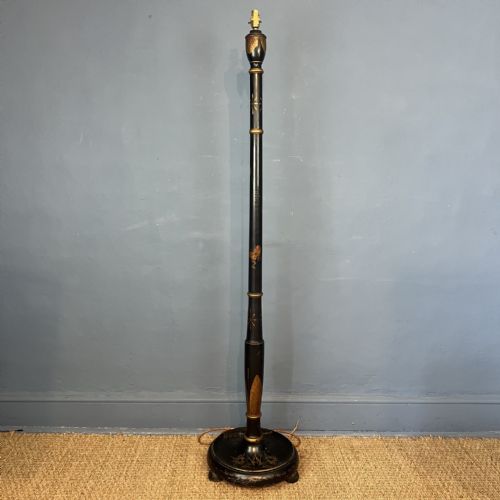
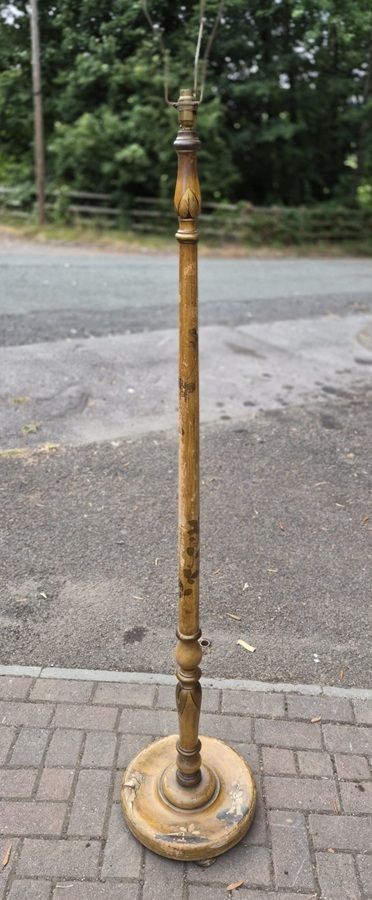
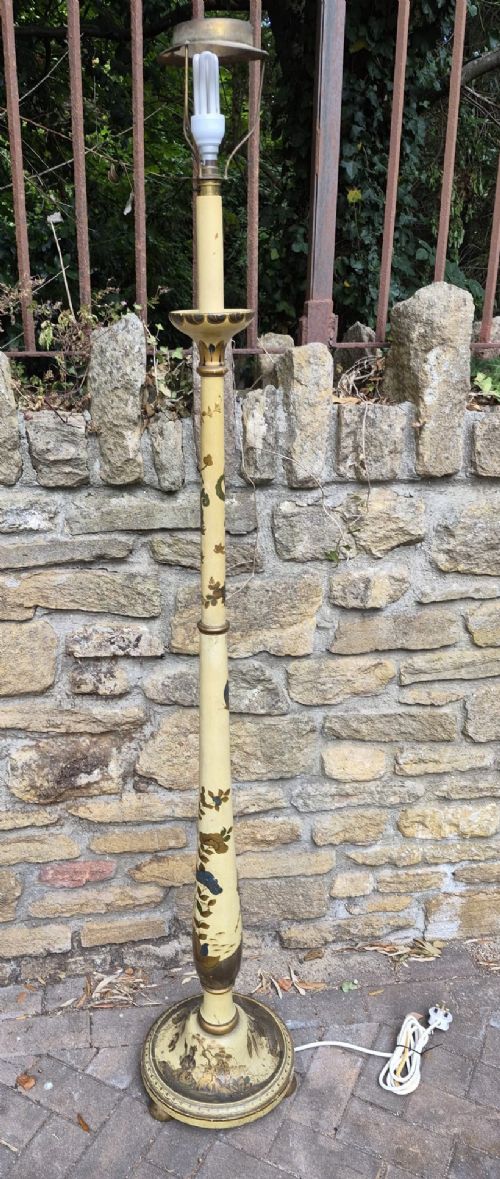
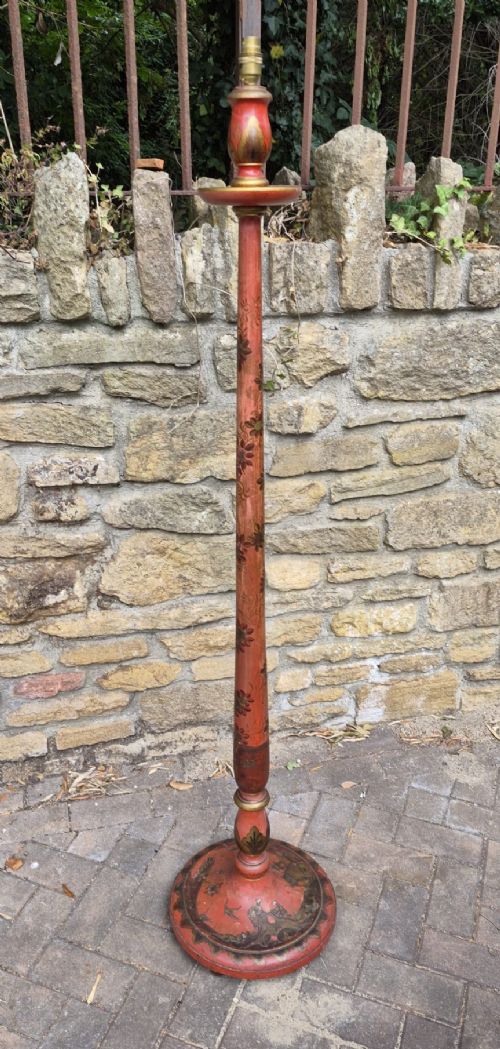
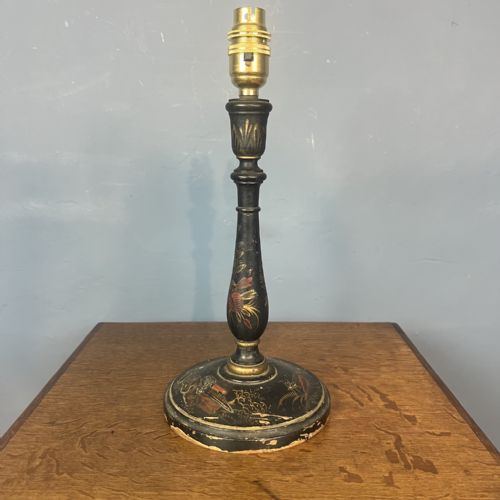
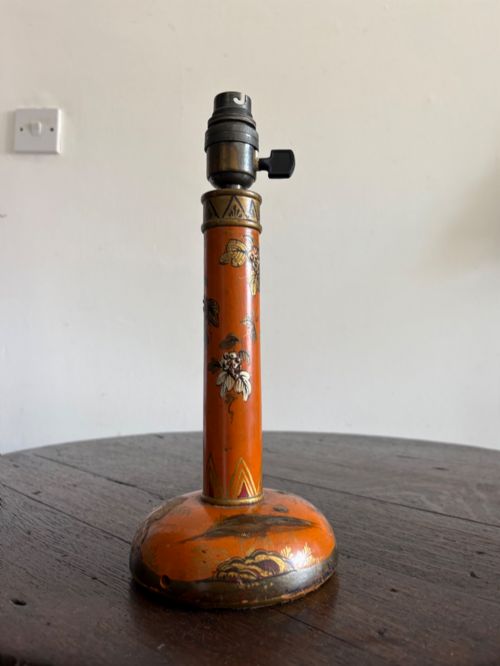
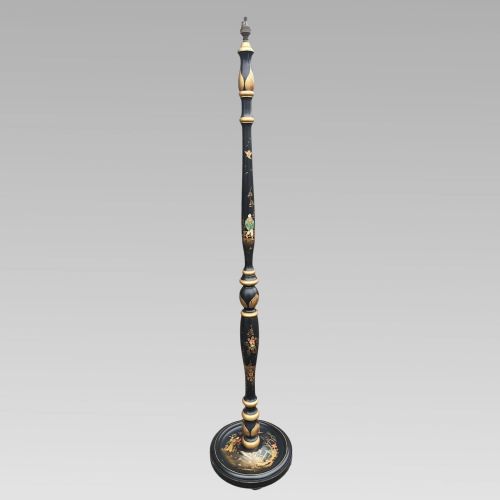
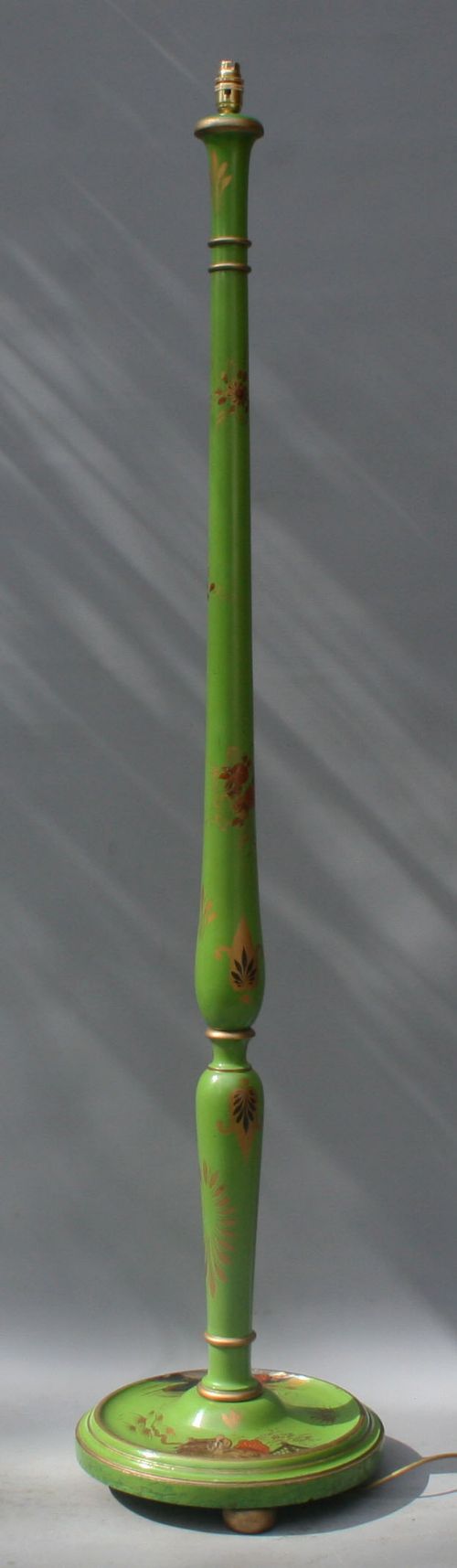
Forms span both slender table lamps and substantial floor-standing standard lamps finished in black, crimson, mandarin orange or green lacquer with gilt accents.
How they were made
Makers built these pieces using wood, papier-mache and brass, applying successive layers of lacquer to create a smooth, hardwearing base. Artisans then hand-painted intricate motifs directly onto the surface, often using gilt gold and vibrant colours.
Many standard and table lamps incorporate turned wooden structures or papier-mache bodies, sometimes pairing painted decoration with brass fittings. Individual pieces reflect regional techniques ranging from British Edwardian Chinoiserie workshops to traditional Kashmiri hand-painting.
Materials documented across the inventory include brass, lacquer, wood, fabric, papier-mache, gilt, and painted wood.
What varies in quality
Quality depends upon the depth of the lacquer finish and the precision of the hand-painted detailing. Superior examples display crisp, clear brushwork and rich gilt layers that have survived decades of use without heavy cracking.
The choice of base material and structural stability also set pieces apart, with solid turned wooden standards and well-preserved papier-mache bodies holding greater decorative presence than simpler constructions.
The Oriental Lacquer Light Glossary
- Chinoiserie
- European theatrical interpretation of Chinese and East Asian artistic traditions. It appears frequently on early twentieth-century lacquer lamps.
- Kashmiri
- Pertaining to decorative arts from Kashmir, known for hand-painted papier-mache and wooden objects. These lamps often feature distinct floral and foliate patterns.
- Standard Lamp
- A tall floor-standing lamp designed to illuminate a room from a standing position. They appear often in Edwardian lacquer finishes.
- Toleware
- Painted or lacquered metalware, occasionally adapted into lamps. Pieces often utilise black and gold lacquer schemes.
- Papier-mache
- A composite material made of paper pulp reinforced with glue or resin, moulded into solid forms. It serves as a lightweight base for hand-painted Kashmiri lamps.
Oriental Lacquer Light: Frequently Asked Questions
How do I identify an Edwardian lacquer lamp?
Edwardian examples usually date from around 1910 and display characteristic Chinoiserie motifs on black, red, or crimson lacquered wood.
They often take the form of tall standard lamps featuring hand-painted oriental scenes and gilt detailing.
What is the difference between Kashmiri and Chinoiserie lamps?
Chinoiserie lamps reflect European interpretations of East Asian design, typically showing figures, pagodas, and landscapes in gold on dark lacquer.
Kashmiri lamps focus more on intricate hand-painted floral or folk art patterns executed on wood or papier-mache.
Are these lamps made of real lacquer?
The listings include pieces built from lacquered wood, painted wood, and papier-mache coated in protective finishes.
Techniques vary from British Chinoiserie workshops to traditional Indian hand-painting methods.
How should I place a standard lamp in a room?
Standard lamps provide height and ambient lighting, making them suitable for corners or beside seating areas where they can cast light downwards.
Their decorative lacquer columns add vertical colour and pattern to an interior scheme.