



Oriental Kazak Rug
An oriental kazak rug brings bold geometric motifs and rich natural dyes directly from the Caucasus into your living space.
Oriental Kazak Rug
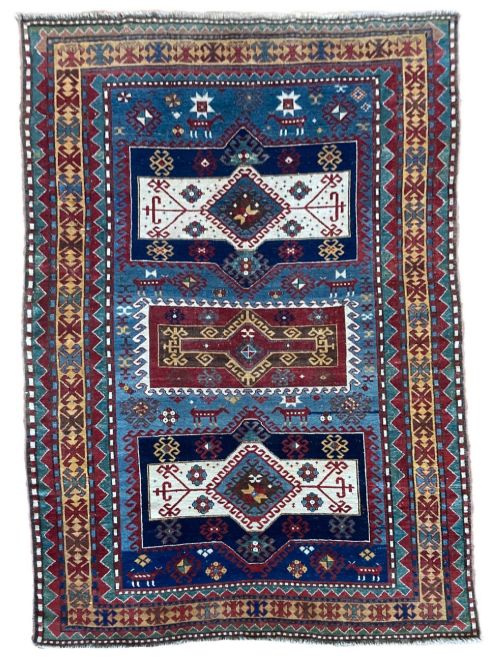
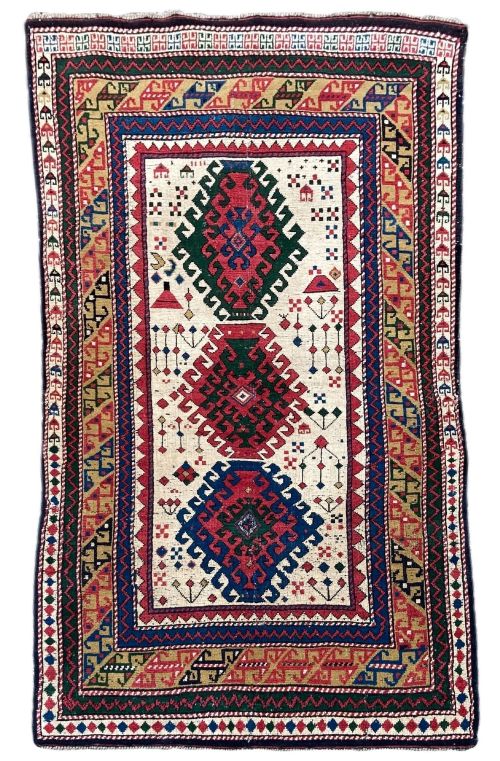
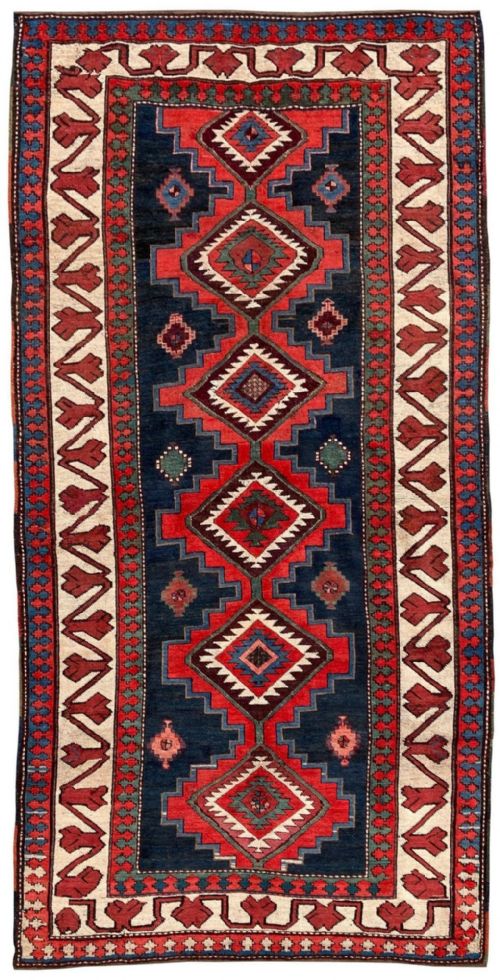
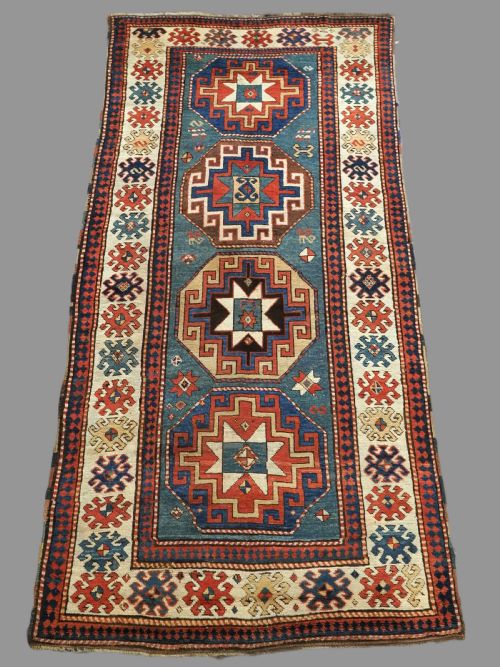
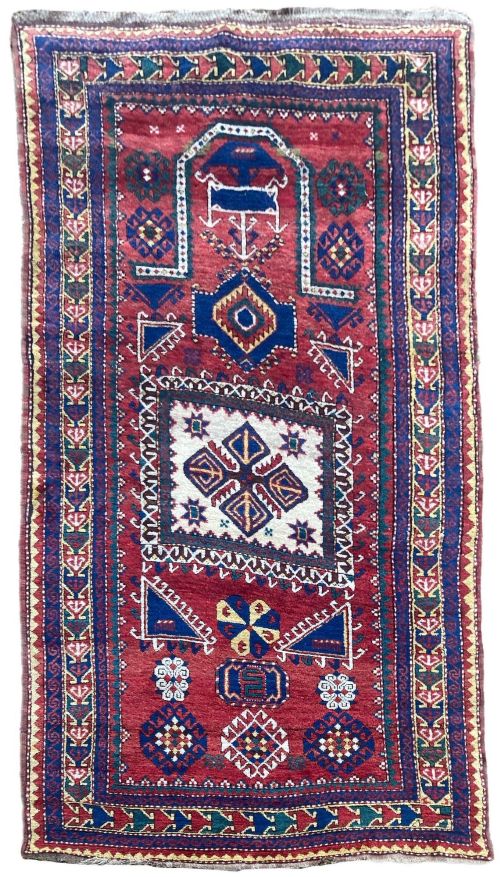
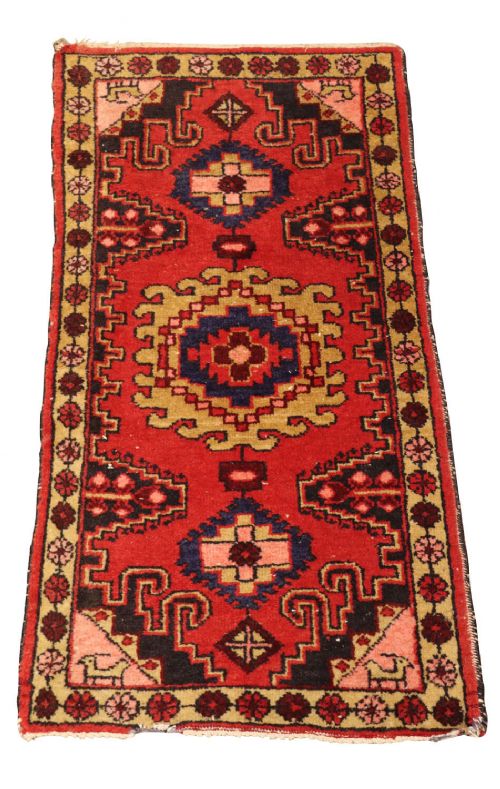
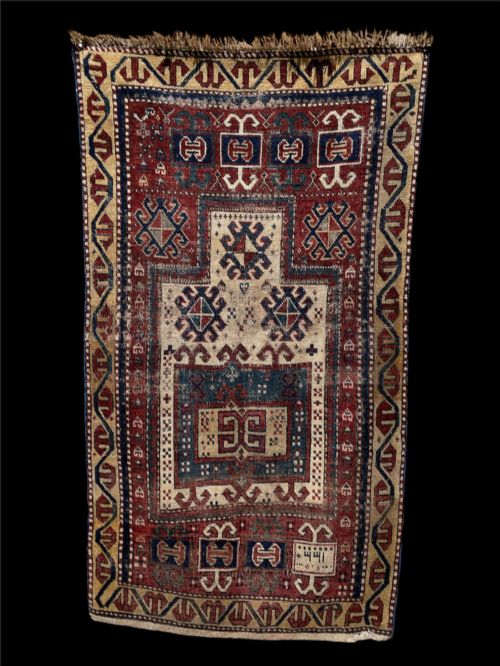
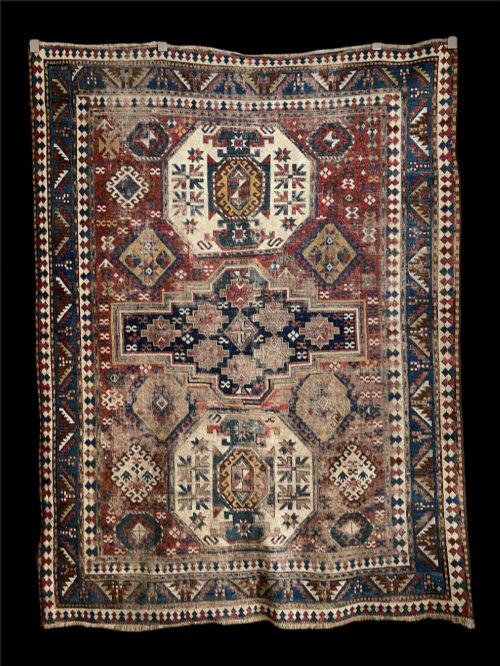
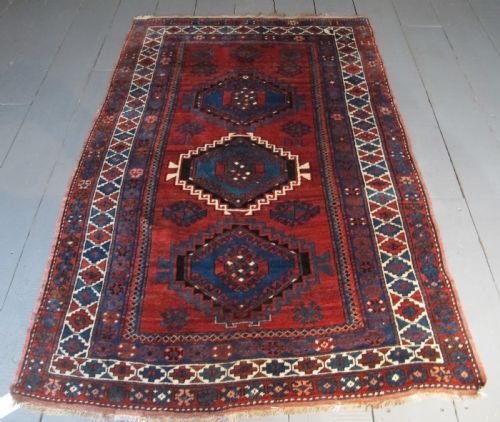
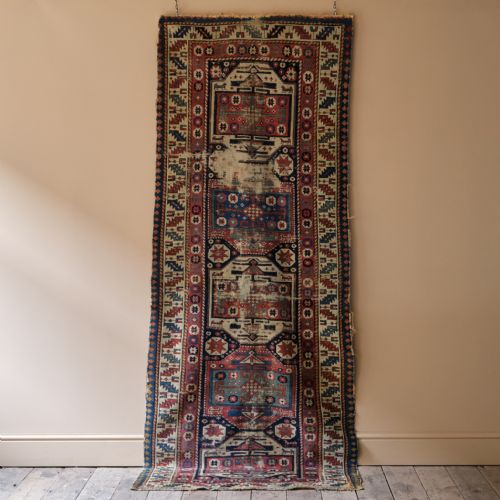
An oriental kazak rug is a hand-knotted textile originating from the Caucasus region during the nineteenth and early twentieth centuries. These pieces display strong geometric patterns, medallions, and animal motifs created by tribal weavers.
Buyers frequently encounter formats ranging from standard area rugs and long runners to specific prayer rugs featuring architectural mihrab designs. Regional variants such as Fachralo, Bordjalou, Karachov, Moghan, and Gendje appear across the selection.
Most surviving examples date from the second half of the nineteenth century up to the early decades of the twentieth century. They serve as functional floor coverings or decorative wall hangings that anchor a room with saturated colour.
Materials and construction
Weavers constructed these rugs using wool for the pile, often hand-spun to produce a varied texture and irregular absorption of colour. Foundation warps and wefts typically consist of wool or cotton, holding the dense knotting firmly together.
Makers relied primarily on natural dyes to colour the yarn, yielding rich reds, greens, blues, and yellows that age with character. The use of hand-spun wool and natural dyestuffs accounts for the distinct tactile quality and depth seen in these textiles.
Oriental Kazak Rug Retail Price Guide 2026
Typical asking prices for oriental kazak rug among the pieces listed under this phrase on Sellingantiques today, from the lower quarter to the upper quarter. They describe what is for sale here now, not the wider market.
Listings span periods from the 1850s through to the 1930s, utilising hand-spun wool, cotton, and natural dyes across Caucasian tribal styles.
Quality and execution
The sophistication of the geometric design and the precision of the tribal motifs distinguish individual pieces. Variations in wool quality and the depth of natural dye palettes contribute significantly to the visual impact of the rug.
The integrity of the foundation and the preservation of the original edges and borders dictate the overall condition. Pieces that retain their full length and original kilim ends hold greater integrity for collectors.
The Oriental Kazak Rug Glossary
- Kazak
- A term applied to rugs woven in the southwestern region of the Caucasus, known for bold geometric designs and saturated primary colours.
- Prayer rug
- A small format rug featuring a central arched niche or mihrab design, traditionally used for personal prayer.
- Medallion
- A central ornamental motif, often hooked or polygonal, placed symmetrically in the field of the rug.
- Mafrash
- A storage bag or panel from which flatwoven kilims are sometimes constructed, featuring distinctive Caucasian patterns.
- Boteh
- A recurring teardrop-shaped motif with a curved upper end, representing a floral spray or cypress tree.
Oriental Kazak Rug: Frequently Asked Questions
How do I clean an antique kazak rug?
Vacuum gently using a suction-only attachment without a rotating brush bar to protect the hand-knotted wool pile. Avoid shaking or beating the rug, as this stresses the old wool foundations.
Professional specialist cleaning is recommended for heavier washing to prevent dye bleeding or structural damage. Keep the rug out of direct, prolonged sunlight to preserve the natural dyes.
Where should I place a runner rug?
Runners suit narrow hallways, corridors, and galley kitchens where foot traffic benefits from a durable wool floor covering. They also work well alongside beds or in entryways.
Use a breathable, non-slip underlay beneath the rug to prevent shifting and reduce friction against hard flooring. This protects the structure of the piece over years of daily use.
How do I identify a prayer rug?
Look for a distinct architectural arch, known as a mihrab, woven into one end of the field. This pointed or stepped niche directs the orientation of the design.
These formats are typically smaller than standard area rugs, designed for individual use. The field beneath the arch often contains geometric hooks or floral motifs.
What makes regional types different?
Regional subtypes like Fachralo, Karachov, and Bordjalou feature specific medallion arrangements and distinct colour dominance. Karachov types typically showcase large central square medallions with hooked outlines, while Fachralo pieces often display distinctive double square blocks.
Gendje variations frequently incorporate repeated diagonal lattices or boteh motifs across the field. Studying these structural patterns helps differentiate the production of various Caucasian communities.