

Oriental Floral Painting
Oriental floral painting brings together delicate botanical motifs across porcelain, lacquer, and enamel from Asian and Anglo-Indian traditions spanning multiple centuries.
Oriental Floral Painting
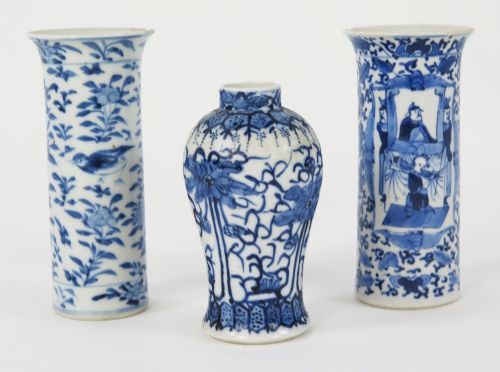
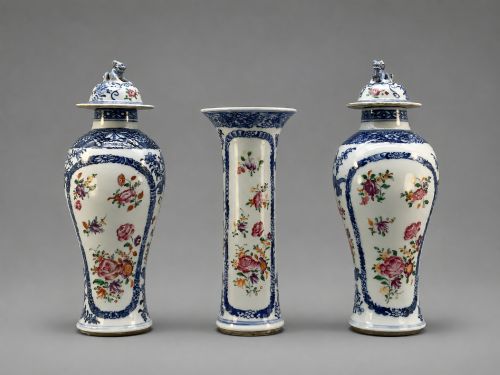
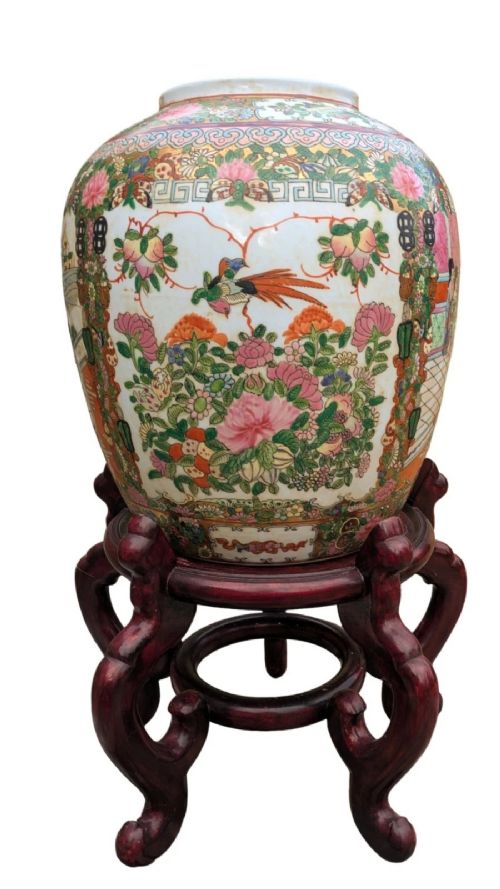
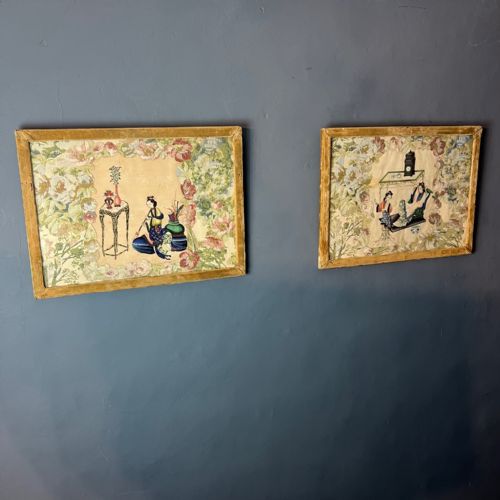
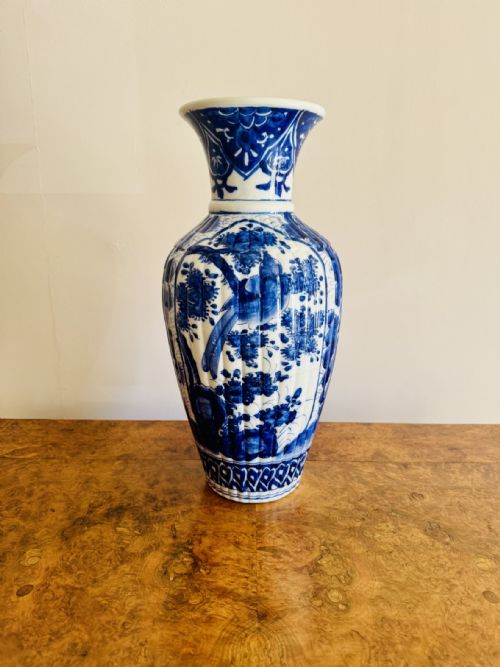
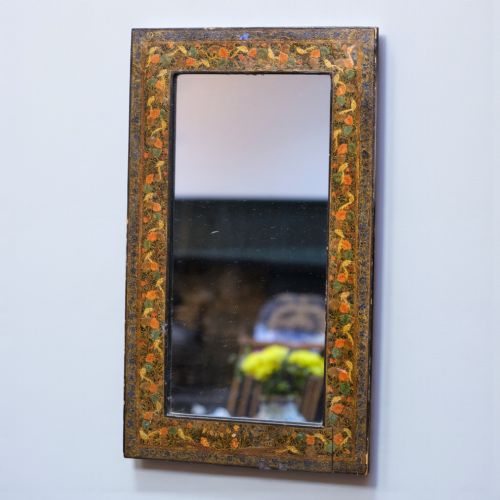
When you search for oriental floral painting, you encounter a diverse array of decorative objects including vases, chargers, plates, bowls, lamps, and mirrors. These pieces showcase intricate hand-painted botanicals executed across centuries of craftsmanship.
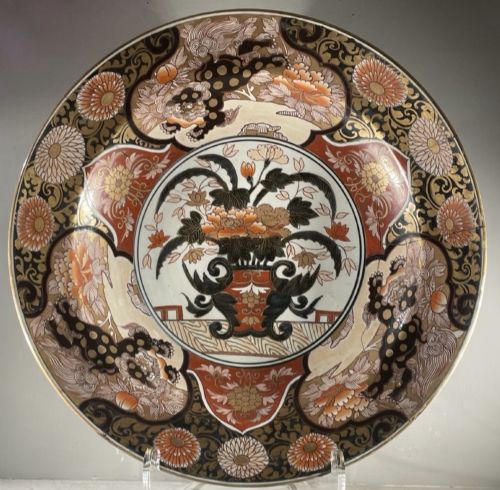
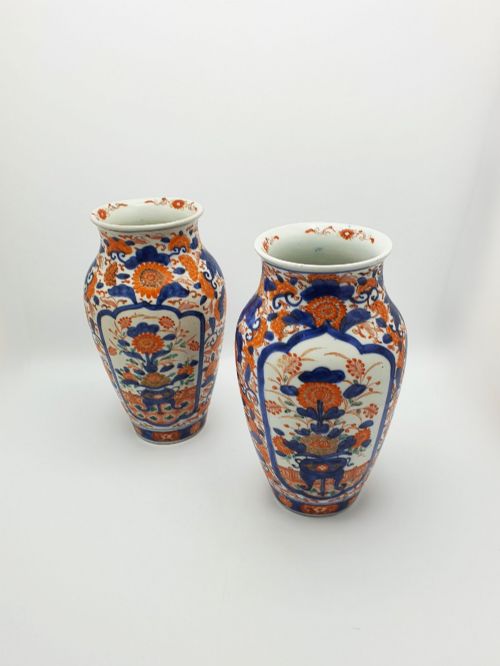
The most common version you will meet on this page is Japanese Imari porcelain from the Meiji period and the around-1900 era, characterised by distinct blue and white or polychrome floral patterns. Alongside these, Chinese export porcelains and Kashmiri lacquered pieces appear frequently.
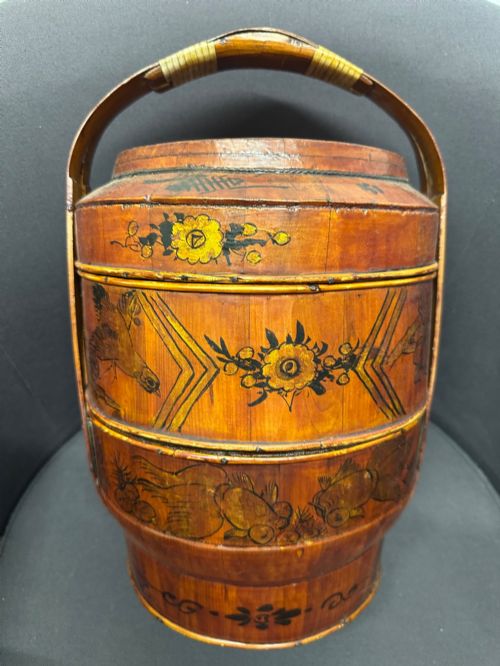
The selection extends from eighteenth-century Qianlong period plates to early twentieth-century table lamps and rice carriers. Each object type carries traditional motifs rendered through regional artistic conventions.
Materials and Technique
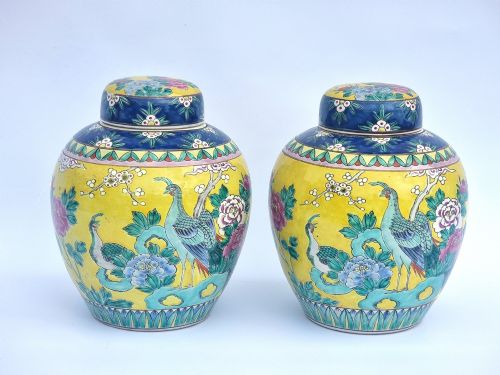
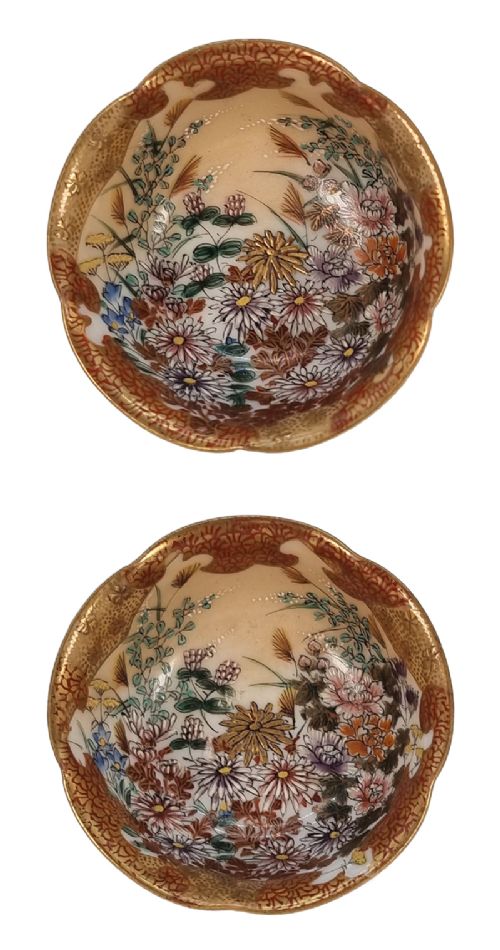
Porcelain serves as the primary ground for many pieces, decorated with underglaze blue and overglaze enamel colours fired in kilns. Artisans applied pigments by hand to create detailed floral arrangements on bowls, plates, and vases.
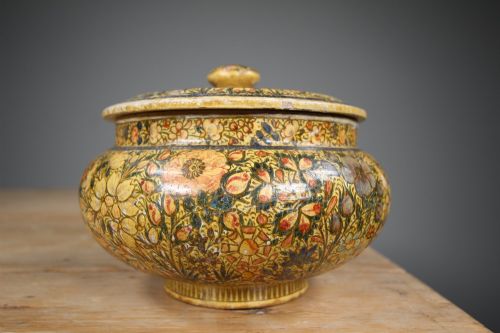
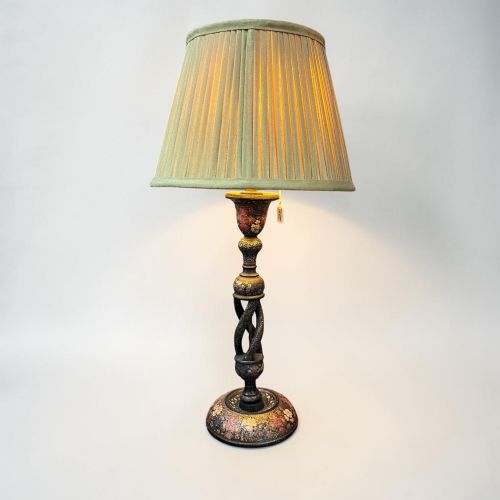
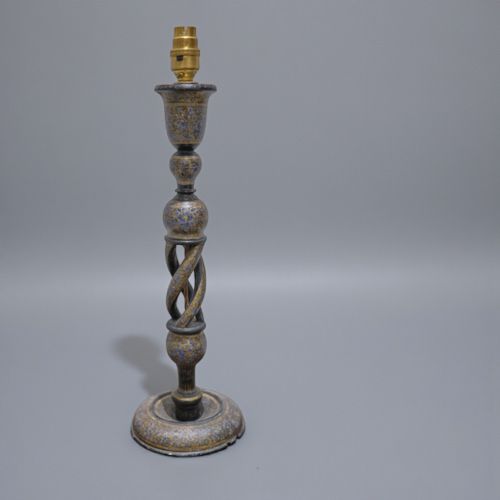
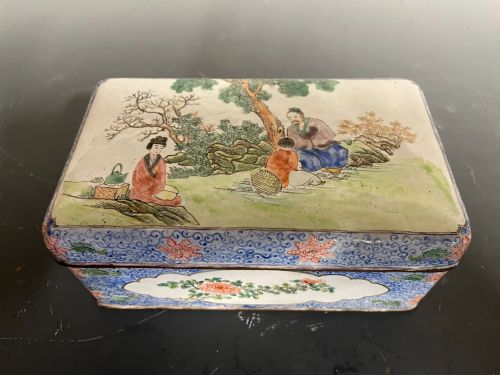
Wood and papier-mache receive layers of lacquer, sometimes enhanced with gold leaf and hand-painted details as seen in Kashmiri trunks, bookends, and table lamps. Brass and enamel components also feature in smaller decorative boxes and fittings.
Oriental Floral Painting Retail Price Guide 2026
Typical asking prices for oriental floral painting among the pieces listed under this phrase on Sellingantiques today, from the lower quarter to the upper quarter. They describe what is for sale here now, not the wider market.
Judging Quality
Quality rests upon the precision of the brushwork and the clarity of the painted floral details. Superior items exhibit confident, fluid lines and well-balanced composition across the surface of the porcelain or lacquer.
The depth of colour, richness of enamel or glaze, and preservation of gold leaf separate standard decorative items from finer works. The crispness of moulded edges on scalloped dishes and the stability of the underlying material further distinguish the range.
Shozo
The Oriental Floral Painting Glossary
- Imari
- A style of Japanese porcelain featuring a palette of underglaze blue, iron red, and gilt, often decorated with floral panels.
- Famille Rose
- A palette of Chinese porcelain enamels dominated by opaque pink or rose colours, introduced during the Qing dynasty.
- Canton
- A style of Chinese porcelain decoration originating from the port city, characterised by dense panels of flowers, birds, and figures.
- Meiji Period
- The era in Japanese history spanning from 1868 to 1912, noted for significant export of decorative arts.
- Qianlong Period
- The reign of the Qianlong Emperor from 1735 to 1796, associated with high standards in Chinese ceramic production.
Oriental Floral Painting: Frequently Asked Questions
What is oriental floral painting?
Oriental floral painting encompasses hand-painted botanical motifs found on antiques originating from China, Japan, and Kashmir. These decorative designs appear on media ranging from porcelain vessels to lacquered wooden furniture.
Items span several centuries, reflecting distinct regional aesthetics and traditional painting techniques employed by Asian artisans.
How were Japanese Imari pieces used?
Japanese Imari dishes, bowls, and chargers served primarily as decorative display pieces within European and domestic interiors. Their vibrant palettes made them focal points for tables and cabinets.
Over time, many of these durable porcelain items transitioned from functional vessels to collectable works of art admired for their intricate floral compositions.
Where were Kashmiri lacquered items made?
Kashmiri items including table lamps, trunks, and bookends originated in the Kashmir region, combining local woodwork traditions with detailed hand painting. Artisans applied bright lacquers and gold leaf to create distinctive floral surfaces.
These objects often date from the late nineteenth and early twentieth centuries, reflecting the aesthetic exchange of the period.
How do I date Chinese export porcelain?
Dating Chinese export porcelain involves examining the characteristics of the glaze, the style of the painted floral motifs, and the form of the vessel. Reign marks, when present, provide a specific period of manufacture.
Comparing the potting weight and enamel colours against known eighteenth and nineteenth-century examples helps establish the correct timeframe for each piece.