



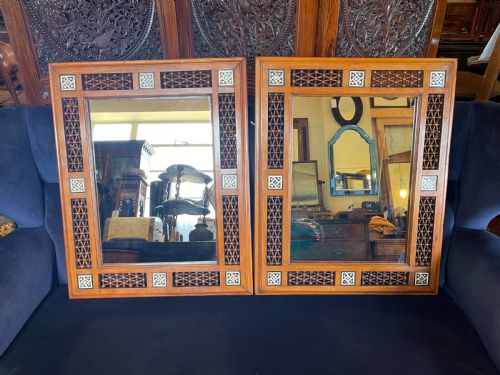


Oriental Decorative Mirror
An oriental decorative mirror brings distinct cultural motifs and rich finishes into a room, offering both practical reflection and striking visual interest.
Oriental Decorative Mirror
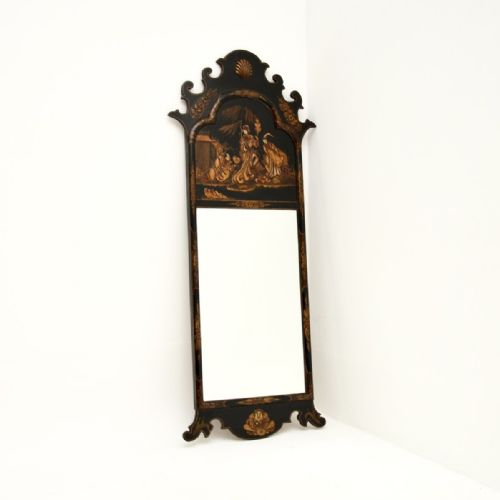
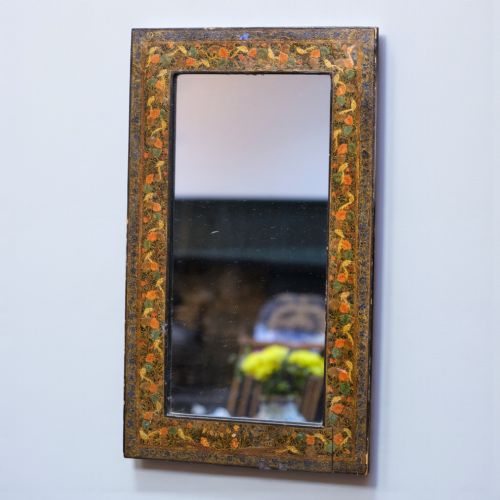
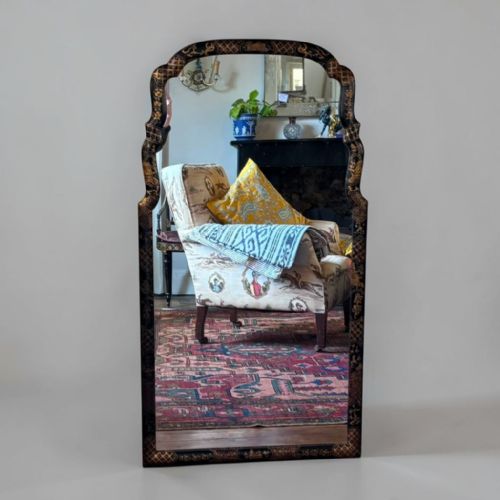
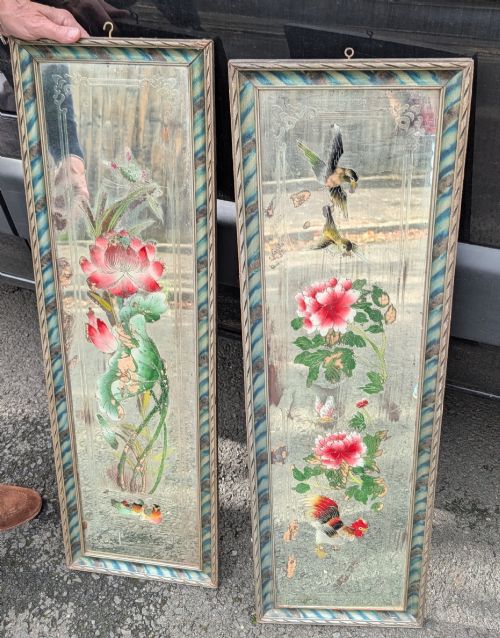
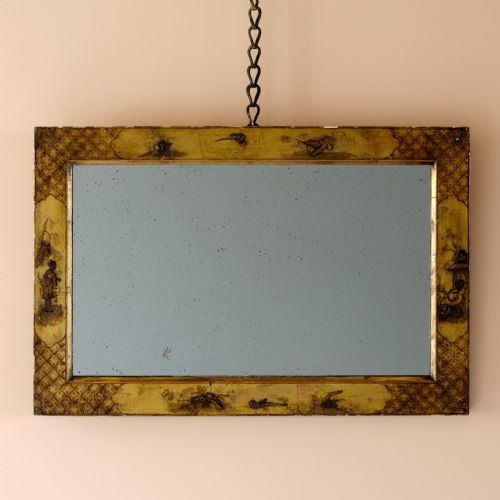
An oriental decorative mirror brings together varied international aesthetics, spanning styles such as Chinoiserie, Kashmiri, Anglo-Indian, and Moorish Revival. These pieces function as statement wall mirrors or console table accompaniments, drawing the eye with complex visual storytelling.
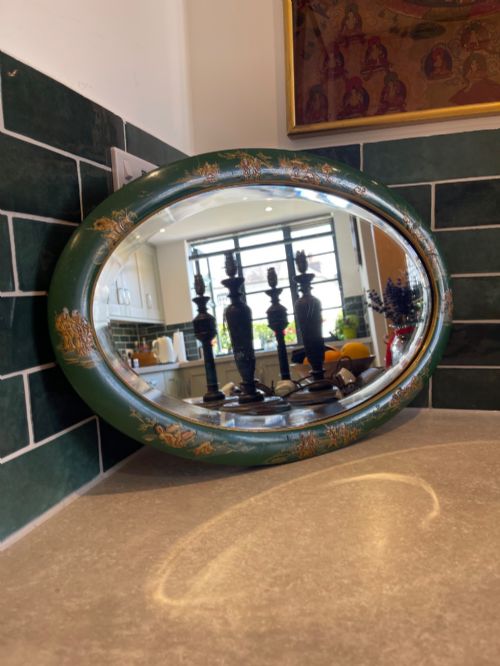
The selections available here showcase a broad chronology, ranging from ancient Chinese bronze examples to nineteenth-century lacquered wall mirrors and early twentieth-century interpretations. Buyers most frequently encounter nineteenth-century Chinoiserie designs featuring characteristic painted scenes and vibrant finishes.
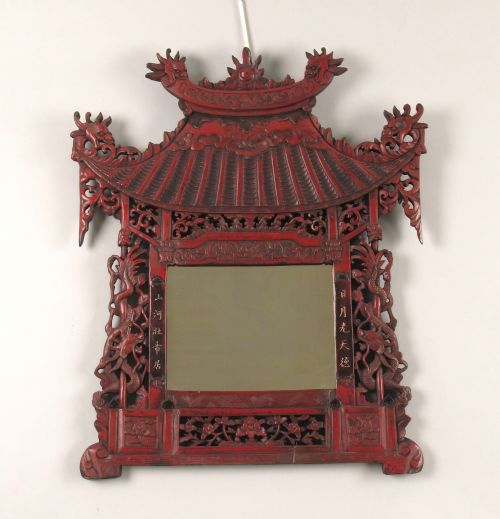
Forms vary from oval and rectangular wall hangings to pagoda-topped frames and console sets. Materials encompass traditional wood, mirror glass, and gilt alongside specialised lacquerwork.
How they were made
Construction relies heavily on timber and lacquered wood, providing a stable foundation for intricate surface decoration. Artisans applied layers of lacquer, sometimes enhanced with gold leaf and gilt work, to build up the characteristic sheen and depth associated with Chinoiserie and oriental styles.
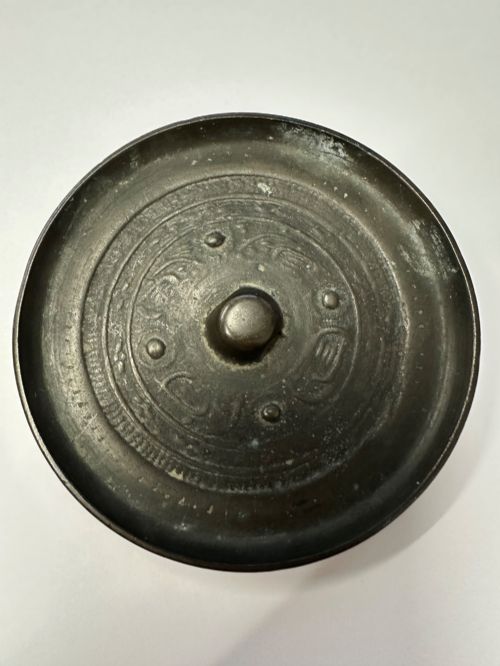
Early metal forms utilise cast bronze, as seen in ancient Chinese dragon mirrors shaped through early metallurgical techniques. Later wall mirrors combine traditional woodworking joinery with specialised glass cutting for the central reflective plate.
Oriental Decorative Mirror Retail Price Guide 2026
Typical asking prices for oriental decorative mirror among the pieces listed under this phrase on Sellingantiques today, from the lower quarter to the upper quarter. They describe what is for sale here now, not the wider market.
Ancient bronze dragon mirrors bridge utility and mythology, offering a glimpse into domestic reflection from the Western Han Dynasty.
What varies in quality
Quality reveals itself in the execution of the surface finish and the intricacy of the decorative motifs. Finer examples display meticulous hand-painted Chinoiserie scenes or deeply carved woodwork rather than simplified surface printing or uniform mass production.
The integrity of the frame construction and the preservation of original materials such as gold leaf and lacquer distinguish superior pieces. Age and regional provenance also influence the character of the object, with skilled craftsmanship evident in the enduring detail of the frame.
The Oriental Decorative Mirror Glossary
- Chinoiserie
- European decorative style inspired by Chinese art and design, prevalent in furniture and mirror frames. It typically incorporates motifs of landscapes, figures, and pagodas.
- Lacquer
- A durable resin finish applied in multiple coats to wood and polished to a smooth sheen. It forms the protective and decorative surface of many oriental frames.
- Gilt
- Gold leaf or gold paint applied to wood surfaces to create a decorative metallic finish. This technique highlights carved details on frames.
Oriental Decorative Mirror: Frequently Asked Questions
Where should I hang an oriental decorative mirror?
These pieces suit living rooms, hallways, or dining spaces where they can function as a central focal point above a mantelpiece or console table. Their distinct frames add character to neutral walls.
Consider the surrounding lighting and decor to ensure the finish and style complement the room without competing with existing furniture.
How do I care for a lacquered mirror frame?
Dust the frame gently with a soft, dry cloth to prevent the accumulation of particles on delicate surfaces. Avoid chemical cleaners or excessive moisture, which can damage aged lacquer and gilt.
Keep the mirror away from direct sunlight and fluctuating humidity to protect the wood and surface finish over time.
How can I tell different regional styles apart?
Regional styles display distinct decorative vocabularies, such as the painted landscapes of Chinoiserie or the intricate woodwork of Hoshiarpur and Kashmiri pieces. Anglo-Indian and Moorish examples often feature dense geometric carving and inlaid elements.
Examining the materials, such as specific woods and lacquer types, helps identify the likely geographic origin and period.