




Oriental Decorated Table
An oriental decorated table brings distinct lacquer surfaces, hand-painted scenes and rich gilding into a room.
Oriental Decorated Table
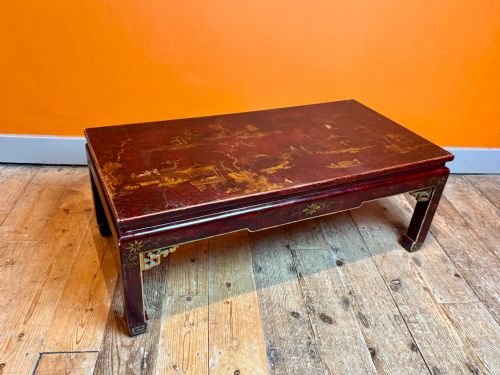
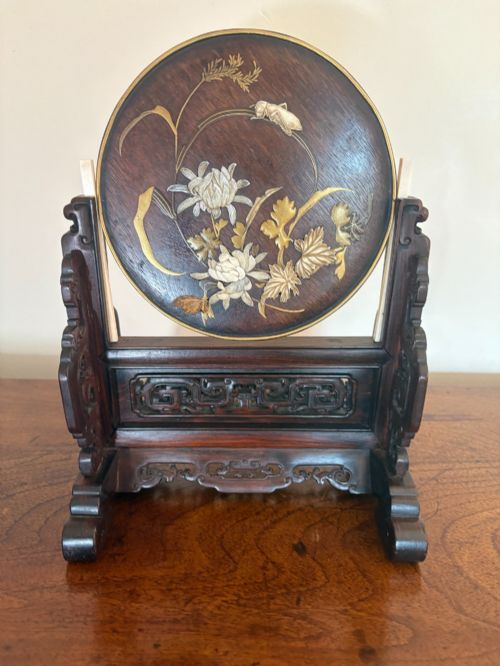
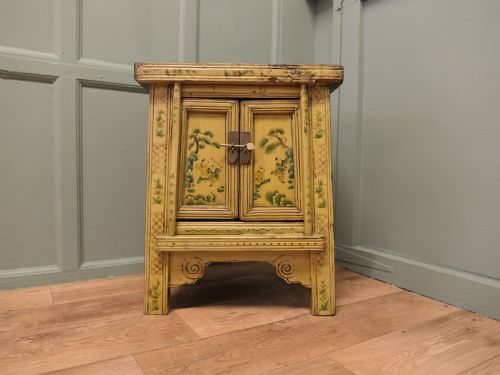
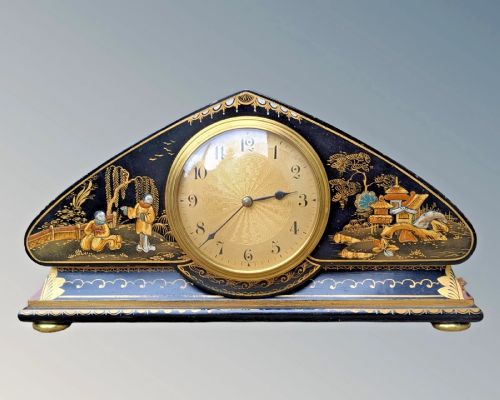
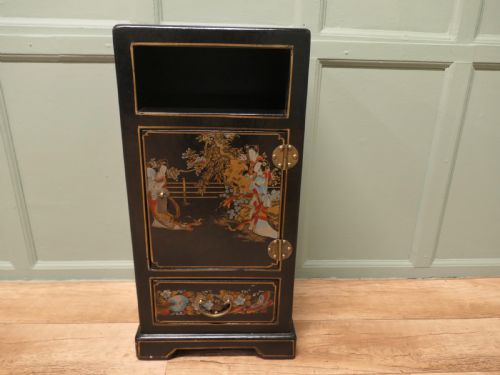
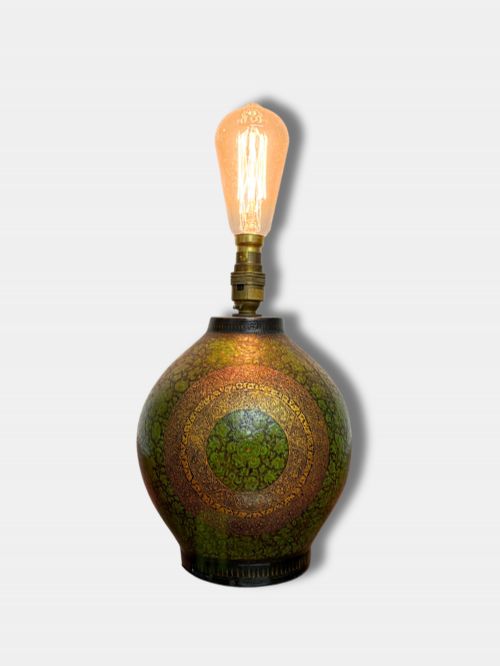
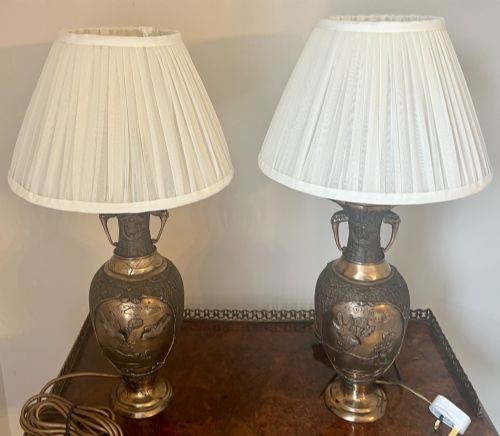
An oriental decorated table encompasses a variety of surfaces and forms created across different periods, including the nineteenth century and the early twentieth century. These pieces often arrive in styles such as Chinoiserie, Kashmiri, Meiji Period, and Edwardian Chinoiserie.
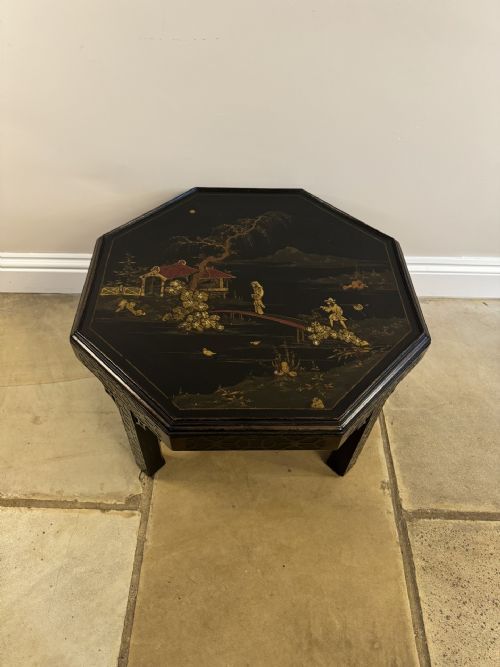
The selections on this page appear in practical formats like coffee tables, nest of tables, lamp tables, and low tables. Buyers frequently encounter black or cream lacquer finishes adorned with raised relief detail and painted motifs.
How they were made
Wood serves as the primary structural body for these tables, providing the foundation for layered lacquer and applied gold leaf. Craftsmen built these surfaces to receive detailed painted or raised relief decoration.
Makers utilised traditional techniques involving multiple applications of lacquer and pigments to achieve durable, decorative finishes. Gilding and painted elements were carefully applied by hand to wooden frames.
Oriental Decorated Table Retail Price Guide 2026
Typical asking prices for oriental decorated table among the pieces listed under this phrase on Sellingantiques today, from the lower quarter to the upper quarter. They describe what is for sale here now, not the wider market.
Listings feature wood and lacquer materials shaped into coffee tables, nests of tables, and lamp tables across the nineteenth and twentieth centuries.
What varies in quality
The depth and execution of the lacquer work dictate the visual impact of each piece. Finely detailed raised relief and crisp hand-painted motifs separate exceptional items from simpler productions.
The integration of the decorative scheme across the wooden frame reveals the maker's skill. Superior examples maintain balanced proportions and harmonious colour application across every surface.
Kinkozan·Thomas Allen
The Oriental Decorated Table Glossary
- Chinoiserie
- European decorative style reflecting Chinese artistic influences. It frequently employs lacquer, gold leaf, and painted landscape scenes.
- Lacquer
- Durable resin finish applied in multiple layers to wood surfaces. It provides a smooth base for intricate painted and gilt decorations.
- Gilt
- Application of gold leaf or gold paint onto a surface. This technique highlights carved details and raised relief elements.
- Nest of tables
- Set of graduated tables designed to slide beneath one another. They offer flexible surface space while occupying minimal floor area.
Oriental Decorated Table: Frequently Asked Questions
How do I clean a lacquered table surface?
Dust gently with a soft, dry cloth to protect the delicate lacquer finish and painted details.
Avoid liquid cleaners, chemical sprays, and direct sunlight, which can damage the aged surface over time.
Where should I place a nest of tables?
A nest of tables works well beside a sofa or in a sitting room corner where extra surface space is needed.
Pull the smaller tables out when entertaining, and stack them neatly together when floor space is required.
What periods do these decorated tables date from?
The pieces span from the nineteenth century through the Edwardian era and into the early twentieth century.
Victorian and Meiji period examples reflect traditional craftsmanship from both European and Asian workshops.
How can I tell Chinoiserie from other styles?
Chinoiserie is characterised by European interpretations of Chinese motifs, typically rendered in black or cream lacquer with gold leaf.
Look for painted pagodas, figures, and landscapes applied to wooden furniture forms.