

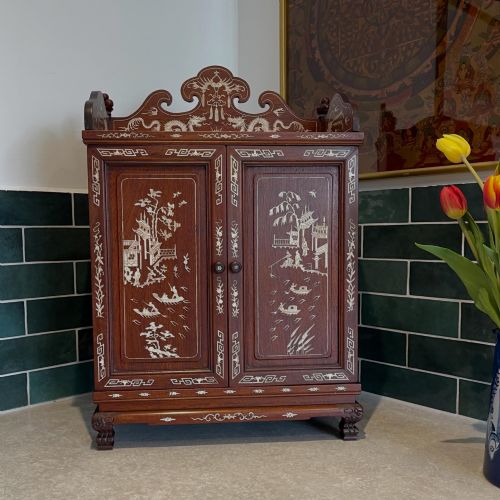


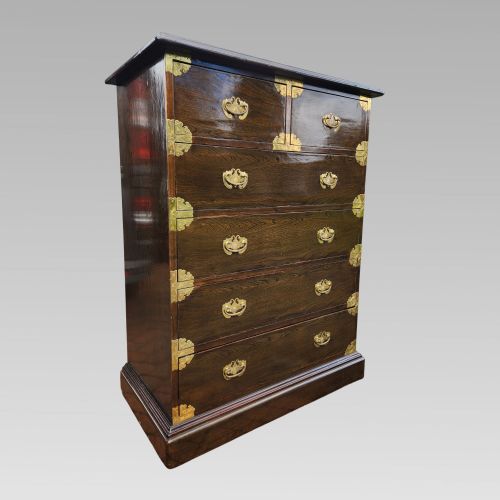

Oriental Dark Wood Cabinet
An oriental dark wood cabinet brings dense grain, intricate carving, and storied joinery straight into a room from diverse traditions across Asia and Europe.
Oriental Dark Wood Cabinet
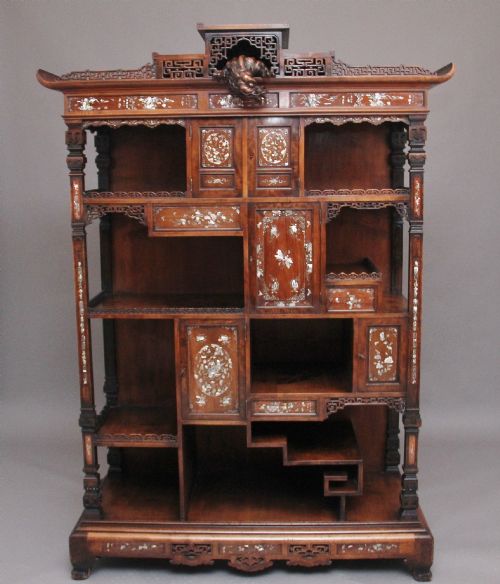
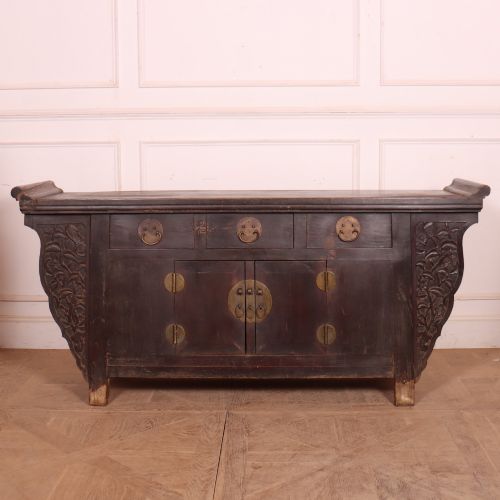
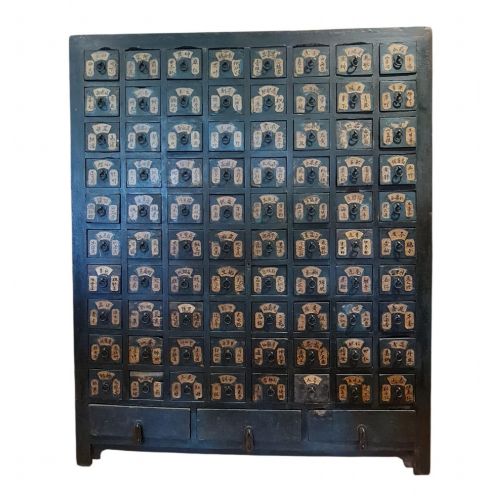
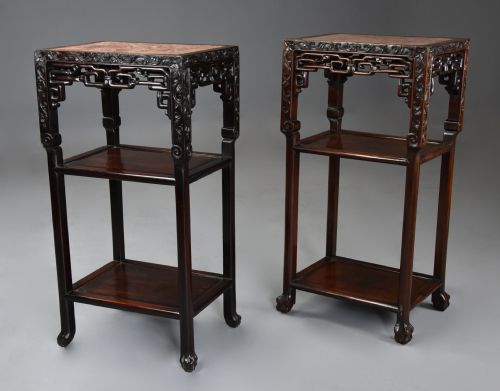
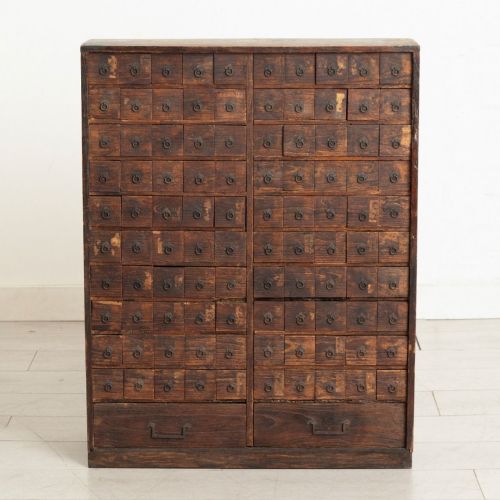
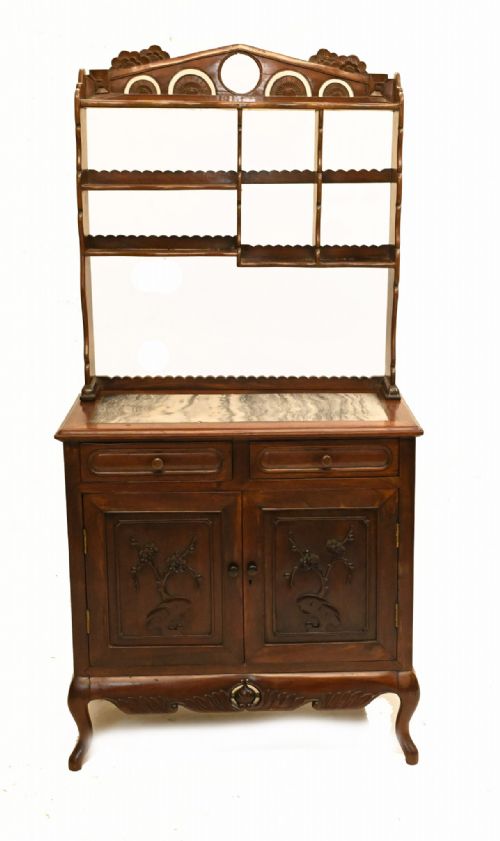
When searching for an oriental dark wood cabinet, buyers encounter a rich assortment of pieces spanning the nineteenth and early twentieth centuries, alongside distinct European interpretations like Chinoiserie and Japonisme. These range from imposing Chinese hardwood cupboards and apothecary chests with numerous small drawers to Japanese shodana display units, tansu storage chests, and carved Burmese padauk sideboards.
The objects serve varied functional roles in domestic interiors, operating as display cabinets with glazed doors, compact table cabinets, music cabinets, and robust camphor wood storage chests. Many pieces originate from specific regional traditions, including Qing Dynasty workshops in China and the Meiji period in Japan, while others reflect cross-cultural design exchanges in France and Britain.
Materials and Technique
Constructed primarily from dense timbers such as hardwood, rosewood, elm, padauk, and hongmu, these cabinets rely on traditional joinery methods that accommodate natural wood movement without metal fasteners. Artisans often incorporated contrasting decorative elements, utilising brass hardware, bronze animal decorations, mother of pearl inlay, glass panels, and lacquered surfaces to enhance the dark wood grain.
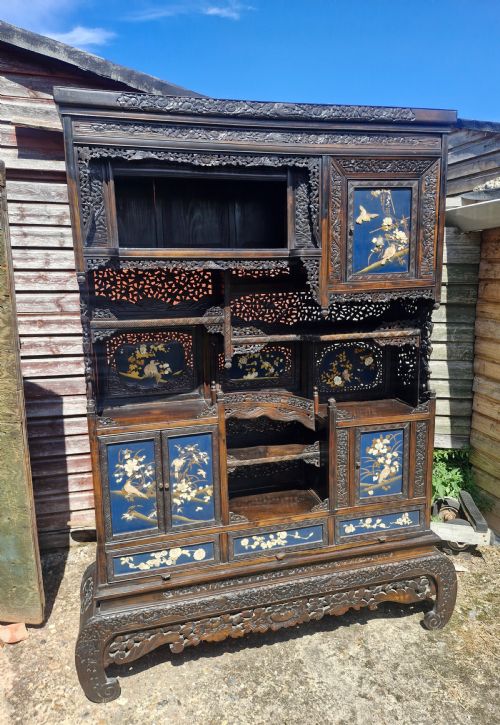
Carving technique varies from restrained linear moulding to deep, elaborate relief work depicting floral and figurative motifs. Specific regional pieces demonstrate specialised construction, such as the multi-drawer internal arrangement of Chinese apothecary chests or the complex compartmentalized shelving typical of Japanese shodana cabinets.
An eighty-drawer apothecary chest provides enough tiny compartments to lose a postage stamp for a decade.
Distinctions in Quality
Quality rests upon the selection and stability of the timber, where dense native hardwoods like hongmu and padauk demonstrate superior weight, grain depth, and structural integrity compared to lighter secondary woods. The precision of the joinery and the depth of hand-carved detail distinguish standard utility storage from workshop pieces executed with artistic intent.
Original hardware, intact lacquer, and authentic decorative mounts of brass, bronze, or mother of pearl elevate the standing of a cabinet. Attribution to known makers or defined stylistic movements, such as the French Japonisme creations associated with Gabriel Viardot, adds a distinct layer of design pedigree.
Gabriel Viardot·Gabriel-Frederic Viardot
The Oriental Dark Wood Cabinet Glossary
- Shodana
- A Japanese tabletop or freestanding display cabinet featuring asymmetrical shelving, sliding doors, and small compartments. These cabinets were designed to display small art objects and curiosities.
- Tansu
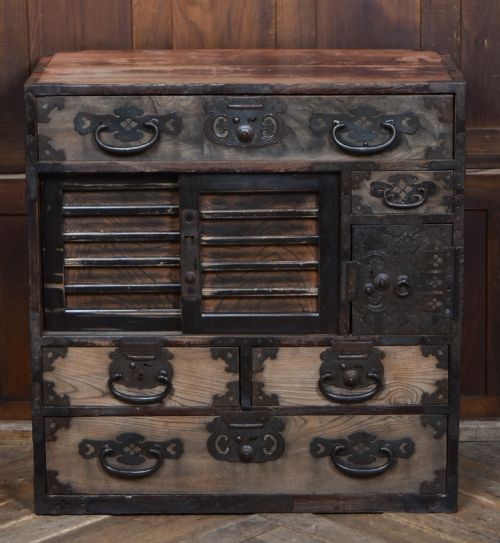
- A traditional Japanese mobile storage chest constructed from wood with iron hardware and strapwork. They were built for specific domestic purposes, including clothing storage and document organisation.
- Padauk
- A heavy, durable tropical hardwood noted for its deep reddish-brown colour that darkens with age. It is frequently utilised in high-status nineteenth-century colonial and Asian furniture.
- Japonisme
- A Western artistic movement of the late nineteenth century influenced by Japanese art and design. European makers adopted these aesthetic principles to create hybrid furniture forms.
- Apothecary chest
- A multi-drawer cabinet originally designed by traditional pharmacists to store herbs, roots, and medicines. They are characterised by banks of numerous small, uniform drawers.
- Hongmu
- A Chinese term translating to red wood, used to describe dense, dark tropical hardwoods prized for fine furniture production. Pieces built from this material possess significant weight and durability.
Oriental Dark Wood Cabinet: Frequently Asked Questions
What is a shodana cabinet?
A shodana is a traditional Japanese display cabinet characterised by staggered shelving, small sliding doors, and enclosed compartments designed for exhibiting precious objects.
These pieces emerged strongly during the Meiji period and often showcase exceptional joinery and carved wood details.
How do I identify a tansu chest?
Tansu chests are Japanese mobile storage units distinguished by sturdy wooden construction and heavy iron or brass reinforcement brackets. They were built for practical household storage, featuring configurations suited for clothing or documents.
Many examples feature distinct lift-out handles and multiple small drawers or locking compartments.
Where were apothecary cabinets used?
Apothecary cabinets originated in traditional pharmacies and medical shops for the organised storage of dried herbs, minerals, and medicinal ingredients. They are instantly recognizable by their banks of numerous small drawers.
Later adaptations brought these functional chests into domestic spaces as distinctive storage furniture.
What is the difference between Chinoiserie and Chinese export?
Chinoiserie represents European imitation and interpretation of Chinese artistic motifs, popular in furniture design during the eighteenth and nineteenth centuries. Chinese export pieces were manufactured within China specifically for Western markets, utilising authentic regional materials and construction methods.
While Chinoiserie relies on European framing and lacquer techniques, export pieces carry direct Asian craftsmanship.