





Oriental Ceramic Art
When you search for oriental ceramic art, you encounter a diverse selection of East Asian pottery, porcelain and earthenware spanning the nineteenth and early twentieth centuries.
Oriental Ceramic Art
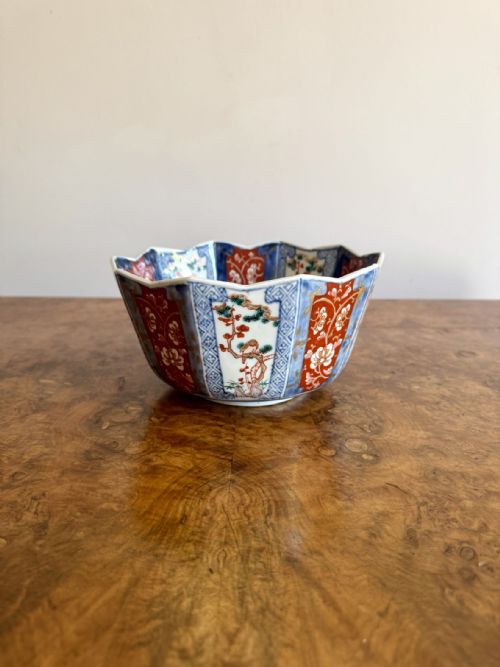
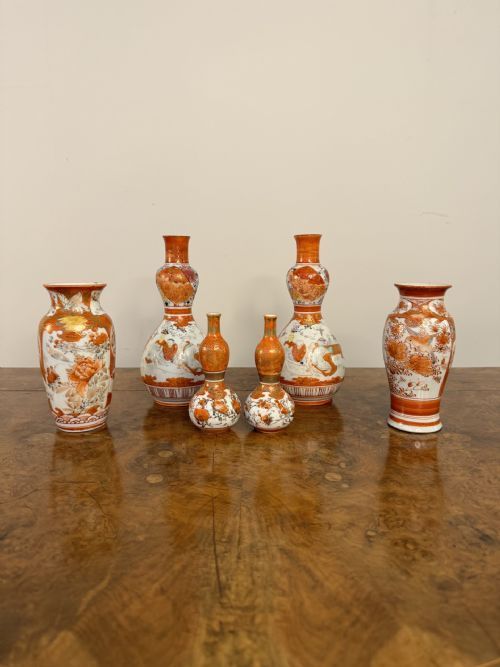
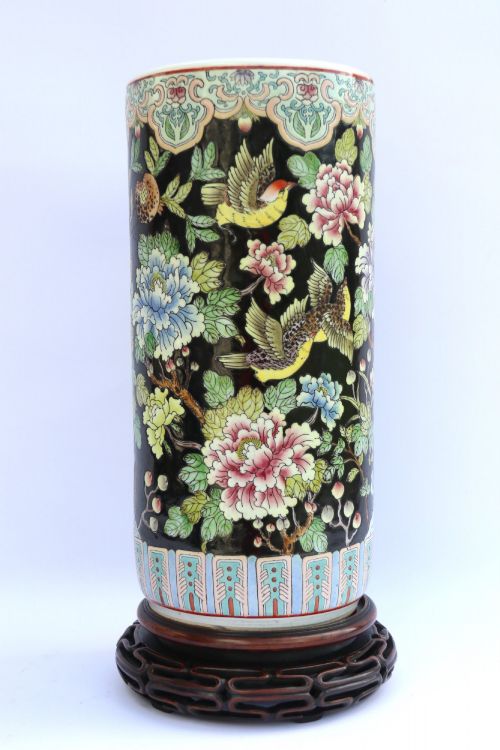
Oriental ceramic art encompasses a rich assortment of decorative wares, including Imari plates, Satsuma vases, Kutani figures, and Sumida Gawa pottery. These pieces originate primarily from Japan and China, reflecting distinct aesthetic movements across the Meiji, Taisho, and Qing periods.
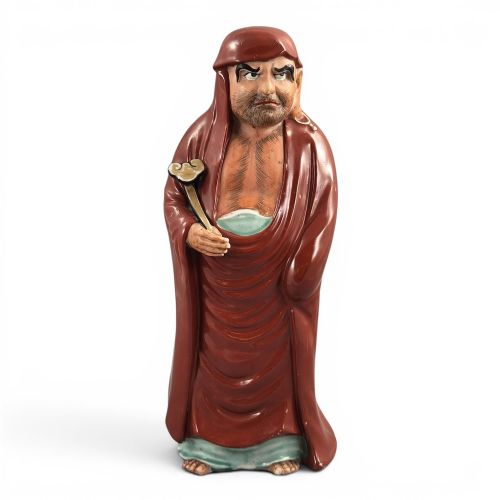
Vases, decorative bowls, chargers, and okimono figures dominate the selection on this page, often showcasing traditional motifs such as deities, dragons, and natural landscapes. Collectors frequently find earthenware and porcelain forms ranging from small cabinet pieces to large floor vases.
The objects bridge domestic utility and high craftsmanship, spanning centuries of kiln traditions from Kyoto, Yokohama, and other historic ceramic centres. Each piece preserves the specific stylistic markers of its era, from nineteenth century Imari patterns to early twentieth century flambe glazes.
How they were made
Potters shaped these objects using local clays and fine porcelain bodies, frequently applying multi-layered glazes such as cobalt blue or rich flambe finishes. Artisans then fired the pieces in kilns to vitrify the material before adding detailed surface decoration.
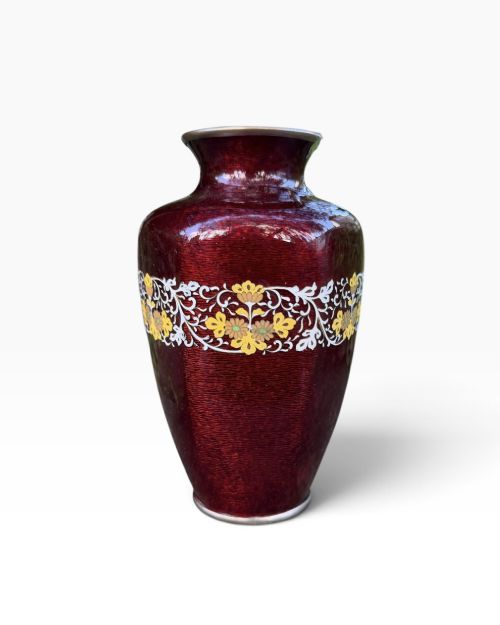
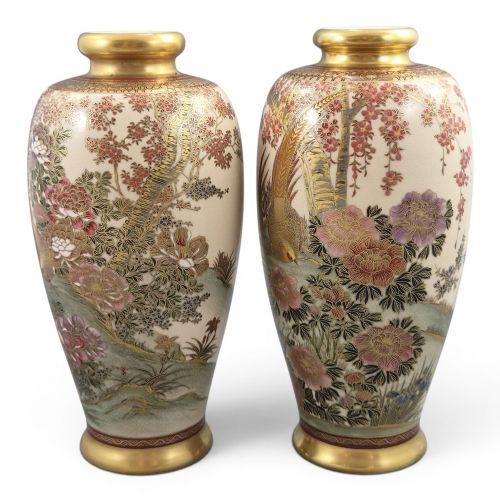
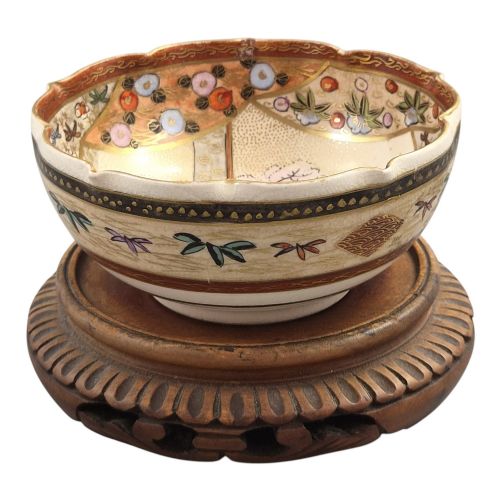
Surface ornamentation relied on meticulous hand-painting with enamel colours and gold leaf highlights, particularly evident in Satsuma wares and Imari palettes. Techniques like ginbari cloisonne involved working enamel over textured metal foil grounds to create depth.
Oriental Ceramic Art Retail Price Guide 2026
Typical asking prices for oriental ceramic art among the pieces listed under this phrase on Sellingantiques today, from the lower quarter to the upper quarter. They describe what is for sale here now, not the wider market.
Several figures depict the God of Longevity accompanied by attentive attendants, ensuring a cheerful guardian for any mantelpiece.
What varies in quality
The distinction between standard production wares and exceptional pieces rests upon the precision of the hand-painting and the complexity of the modelled elements. Master artists and established workshops achieved finer brushwork, more balanced compositions, and superior glaze vitrification.
Signed works by recognised makers generally command greater attention due to the documented skill of the studio. The depth of the enamel work, the clarity of the gilding, and the stability of large-scale thrown forms further separate ordinary vessels from masterworks.
Inoue Ryosai·Makuzu Kozan·Kinkozan·Hotoda·Manpei
The Oriental Ceramic Art Glossary
- Imari
- A style of Japanese export porcelain characterised by underglaze blue, iron red, and gold highlights. The palette originates from the Edo period and remained popular through the nineteenth century.
- Satsuma
- A type of earthenware from Japan featuring a ivory-coloured, crackled glaze painted with polychrome enamels and gold. Kyoto and Kobe workshops produced many of the finest examples.
- Okimono
- A Japanese freestanding ornamental carving or figurine designed for display on a shelf or in a tokonoma alcove. These sculptures depict deities, animals, and figures from folklore.
- Flambe glaze
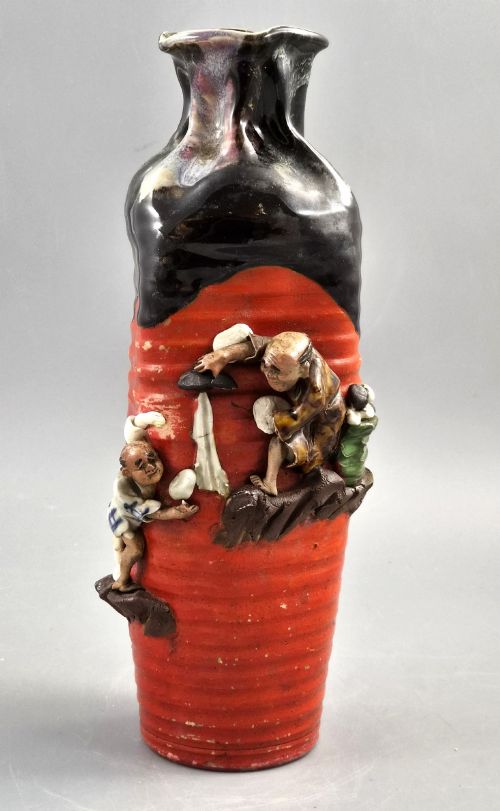
- A vibrant, streaked glaze resulting from metallic oxides fired in a reduction kiln. The technique produces unpredictable pools of colour such as lavender, blue, and red.
- Sumida Gawa
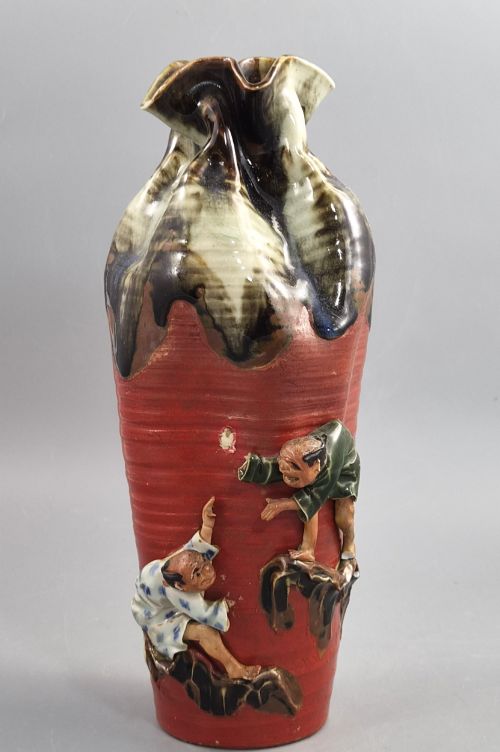
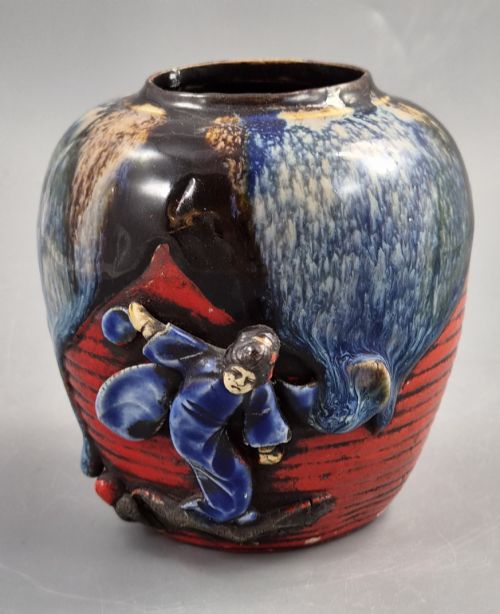
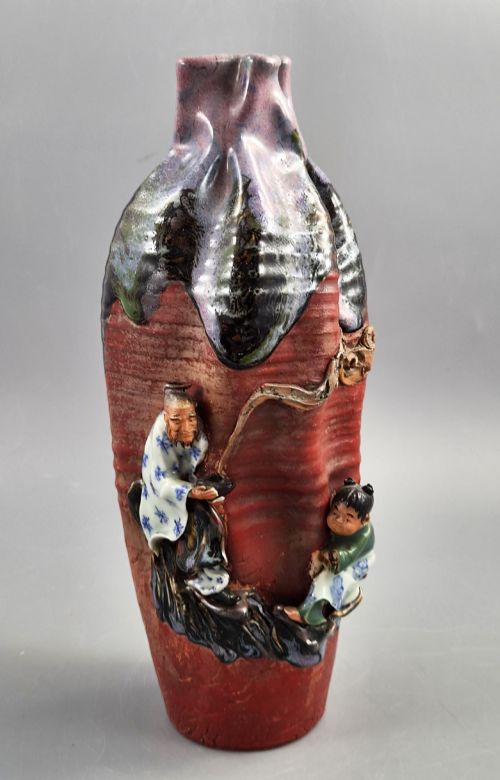
- A distinctive Japanese art pottery originating near Tokyo, known for thick, dripping flambe glazes and high-relief figures climbing the exterior walls.
Oriental Ceramic Art: Frequently Asked Questions
How do I identify Satsuma ware?
Satsuma pieces typically feature a distinctive cream-coloured earthenware body covered in a fine network of crackled glaze. Artisans then painted detailed scenes over this surface using rich enamel colours and heavy gold leaf.
Collectors look for the absence of standard porcelain resonance, noting the heavier earthenware feel and traditional workshop signatures usually found on the base.
What is the difference between Imari and Kutani?
Imari wares are porcelain items defined by a strict colour scheme of underglaze cobalt blue, rusty iron red, and abundant gilt detailing. They often display geometric and floral panel layouts across plates and chargers.
Kutani ceramics utilise a broader, more painterly palette dominated by greens, yellows, and purples, frequently featuring figural representations of deities and narrative scenes on shaped vases.
How should I display large floor vases?
Large vases and chargers require stable, flat surfaces away from heavy household traffic to prevent accidental knocks. Placing them on dedicated hardwood stands helps distribute weight evenly and protects the base.
Keep these ceramic pieces out of direct sunlight to prevent the enamel colours and gold leaf from fading over extended periods of time.
Are these pieces waterproof?
Most antique earthenware and porous pottery pieces are not suitable for holding water directly due to hairline glaze craquelure and permeable clay bodies. Using a discreet internal glass liner protects the historic interior from moisture damage.
Porcelain items are generally less porous, though antique glaze surfaces still benefit from careful handling rather than prolonged exposure to liquids.