



Oriental Brass Lamp
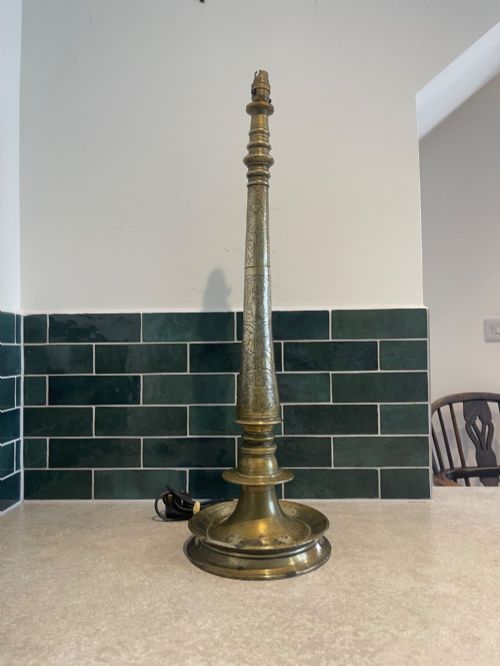
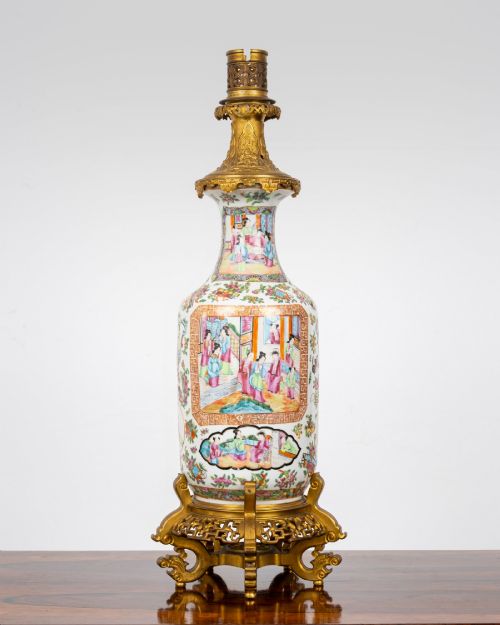
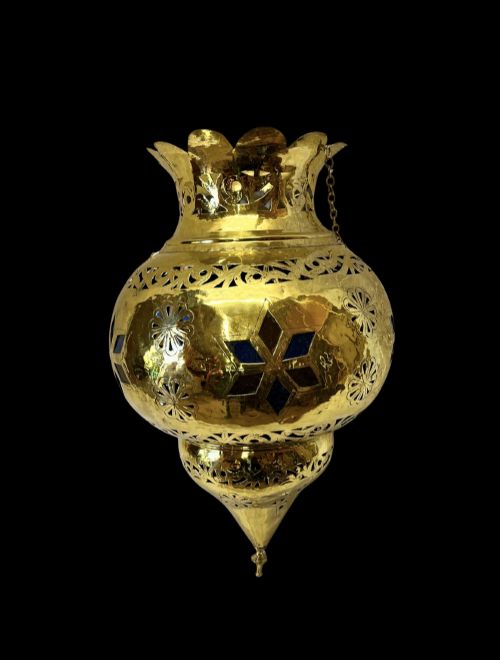
An oriental brass lamp brings heavy cast metal, hand-worked enamel and converted porcelain vases into a room as practical lighting.
Oriental Brass Lamp
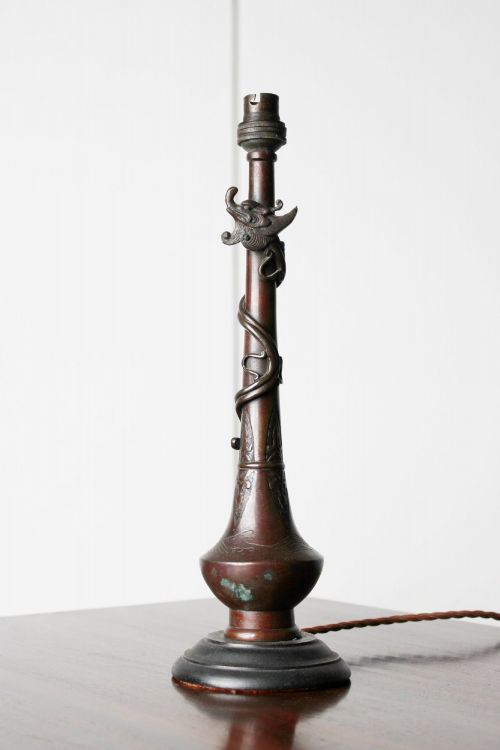
When searching for an oriental brass lamp, buyers encounter pieces that fuse traditional Eastern decorative arts with Western domestic illumination. These objects frequently start life as Japanese bronze vessels, Chinese porcelain ginger jars or Indian metalwork before conversion into table lights.
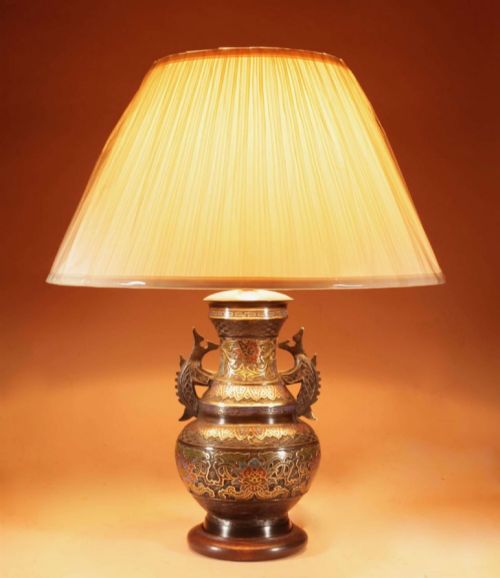
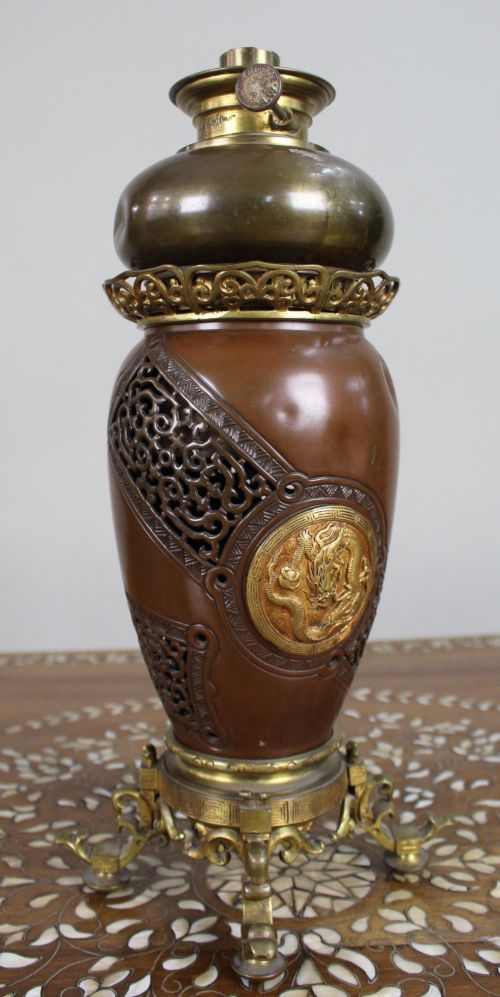
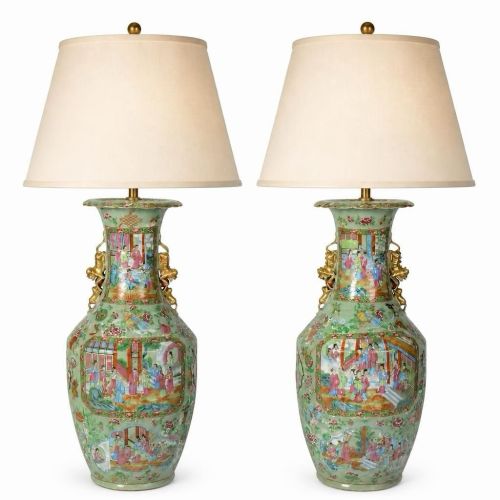
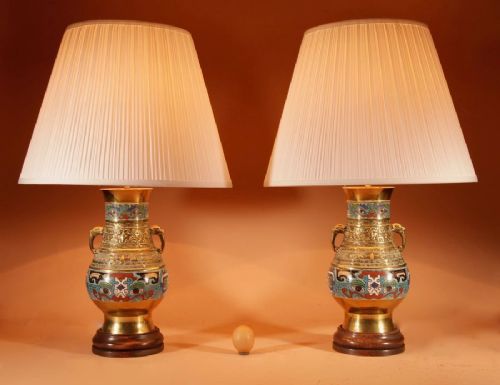
The selection here draws primarily upon nineteenth century pieces, Edwardian interpretations and items from the early decades of the twentieth century. Forms range from heavy cloisonné urns to slender pressed brass shafts and converted rose medallion vases.
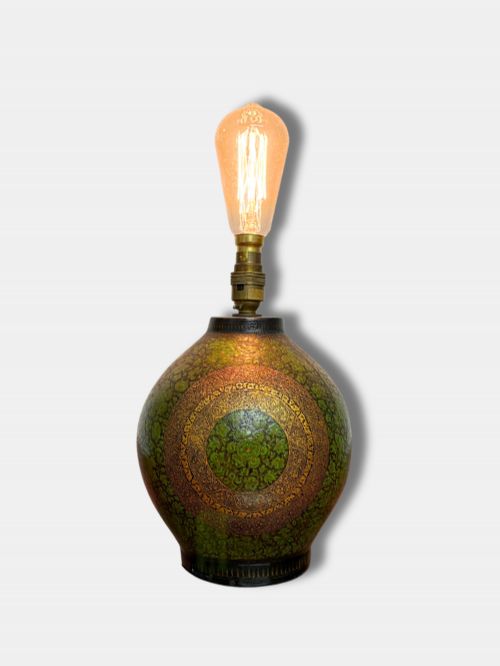
Geographic influences span Chinese Qing dynasty styles, Japanese Meiji period bronzes, Kashmiri painted woodwork and Anglo-Indian brassware. Each piece reflects the sustained European taste for imported craftsmanship adapted for local electrical standards.
Materials and construction methods
Construction relies heavily on cast and beaten brass, bronze, and copper paired with hard-fired ceramics such as porcelain and celadon. Metal components often feature champlevé or cloisonné enamel work, where vitreous pastes fill recessed channels or soldered wire cells before firing.
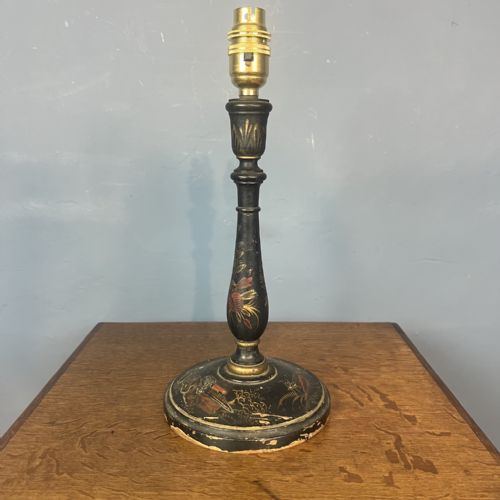
Many items utilise converted vases, jars, and urns drilled and mounted on fitted metal bases, frequently supplemented with silk or fabric shades. Lacquer, gilt gold, and hand-painted pigments provide surface decoration on wood, metal, and ceramic bodies alike.
Several pieces started life as temple vessels before spending their retirement holding reading light beside a velvet armchair.
Assessing quality and execution
Quality rests upon the crispness of the metal casting, the precision of the enamel work, and the artistic merit of the hand-painted ceramic or lacquer surface. Superior examples display clean, sharply defined cloisonné wires and rich, stable glaze colours without muddiness.
The integrity of the conversion matters significantly, distinguishing professional mounts that respect the original vessel from crude alterations. Well-executed pieces integrate the electrical fittings seamlessly without compromising the antique body.
The Oriental Brass Lamp Glossary
- Cloisonné
- Enamelling technique using thin metal wires soldered to a metal base to create compartments filled with coloured paste. These cells are then fired and polished smooth.
- Champlevé
- Enamelling method where troughs or cells are hollowed directly into the thick metal surface and filled with vitreous enamel before firing. The surrounding metal forms visible raised outlines between the colours.
- Famille Verte
- Chinese porcelain palette dominated by green enamel overglazes, developed during the Qing dynasty. It often depicts elaborate floral, bird, and figural scenes.
- Meiji Period
- Era of Japanese history lasting from eighteen sixty-eight to nineteen twelve, marked by extensive international trade and highly detailed bronze and enamel metalwork.
- Rose Medallion
- Chinese export porcelain style featuring segmented panels filled with figures, birds, and flowers painted in bright pinks and greens. These pieces were produced primarily for Western markets.
Oriental Brass Lamp: Frequently Asked Questions
How do I wire an antique lamp safely?
Rewiring requires taking the fitting to a qualified electrician who can install modern flex and certified lamp holders while preserving the historic body.
Older tubes and wiring should be replaced entirely to meet current safety standards without altering the external antique appearance.
Are these lamps converted from old vases?
Many examples began as temple vessels, ginger jars, or decorative vases before conversion into functional table lighting in the nineteenth or twentieth century.
This adaptation was standard practice, transforming imported decorative art objects into practical domestic furnishings.
How do I date a brass and enamel lamp?
Dating relies on examining the casting style, the composition of the metal, and the characteristic pigments used in the enamel or painted decoration.
Victorian and Edwardian pieces often show distinct mounting techniques and wiring channels that help place them within a specific decade.
What kind of shades suit these bases?
Silk, fabric, or parchment shades in neutral tones or matching accent colours complement the ornate patterns of cloisonné and painted porcelain.
Proportion is key, ensuring the shade balances the heavy visual weight of the bronze or ceramic base.