


Oriental Art Sculpture
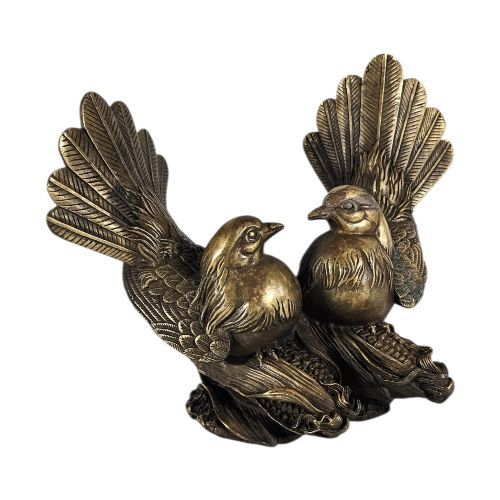
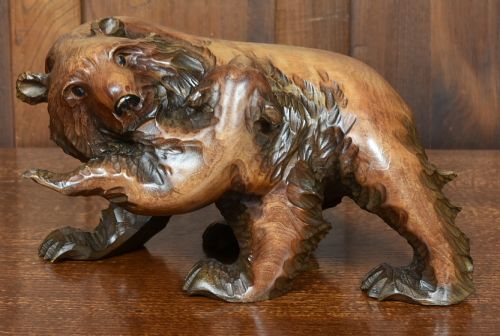
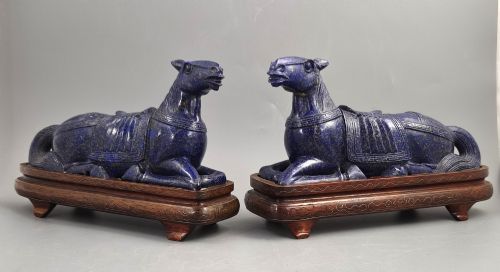
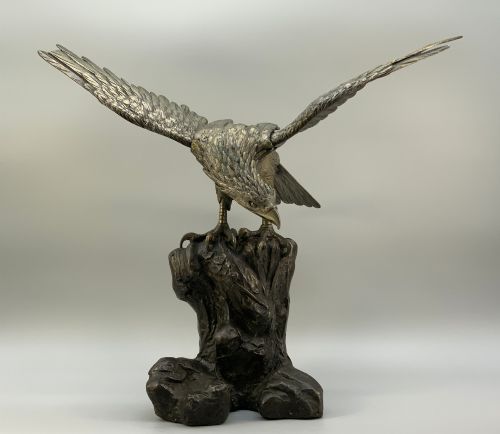
These oriental art sculpture pieces range from archaic temple figures to Meiji bronze animals, offering tangible connections to diverse Asian traditions.
Oriental Art Sculpture
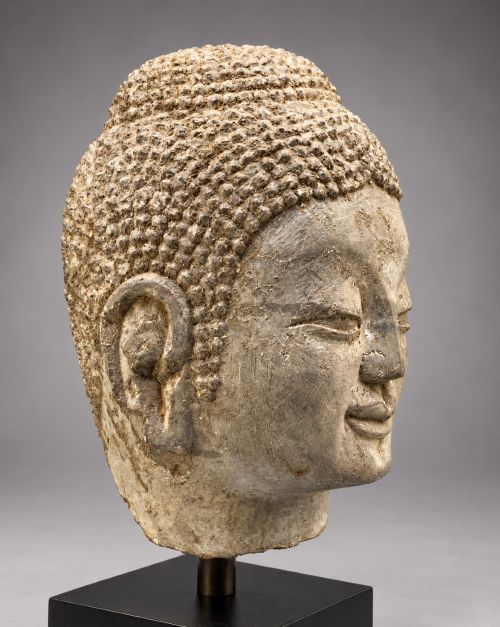
Oriental art sculpture encompasses figurative and decorative objects originating from various Asian traditions, predominantly featuring materials like wood, bronze, and jade. Buyers searching for oriental art sculpture encounter everything from ritual stone figures to delicate okimono.
The material record spans from grey pottery dancers originating in the Han Dynasty to carved hardwoods and glazed porcelains from later periods. Works from the nineteenth century, particularly the Meiji period in Japan and the late Qing dynasty in China, appear frequently.
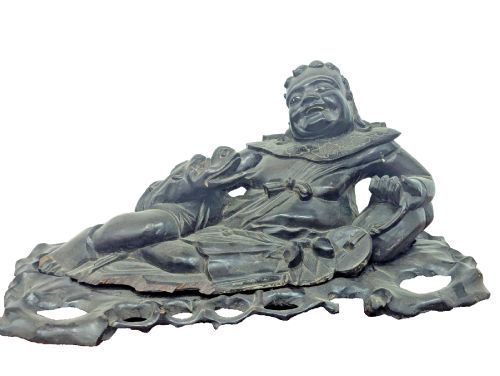
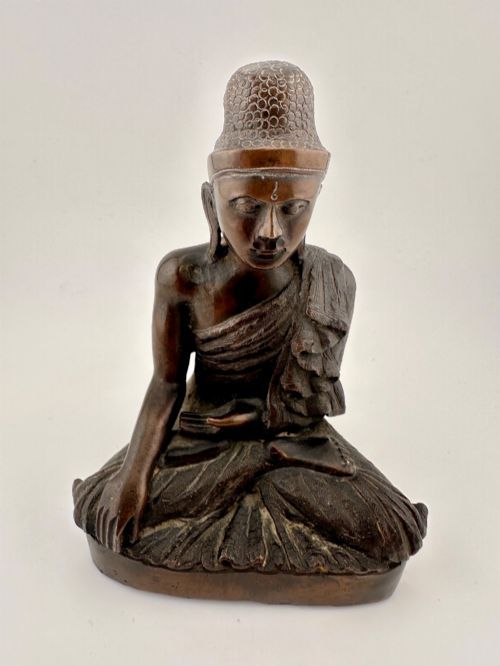
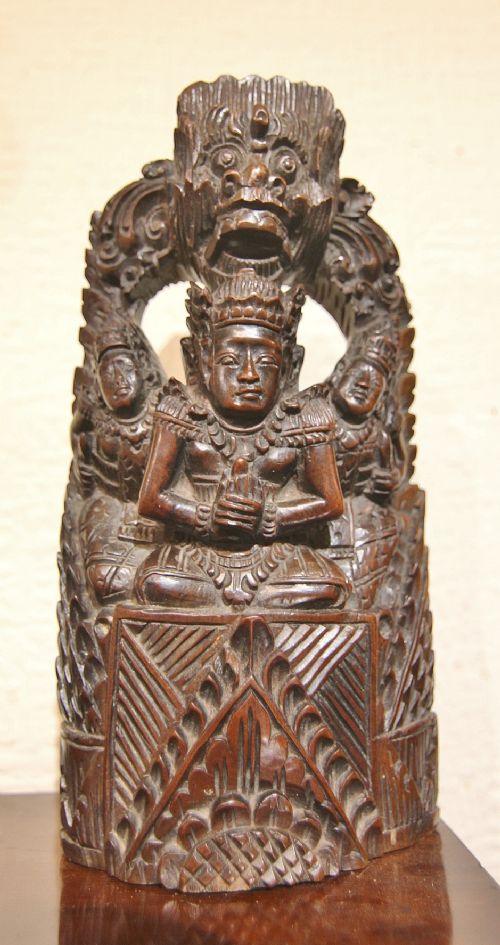
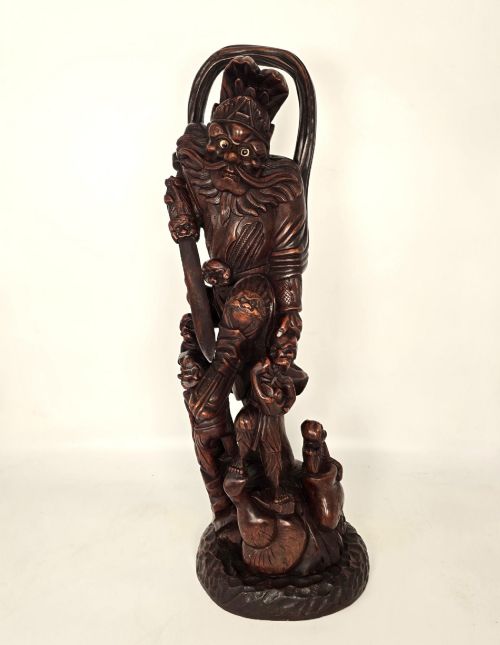
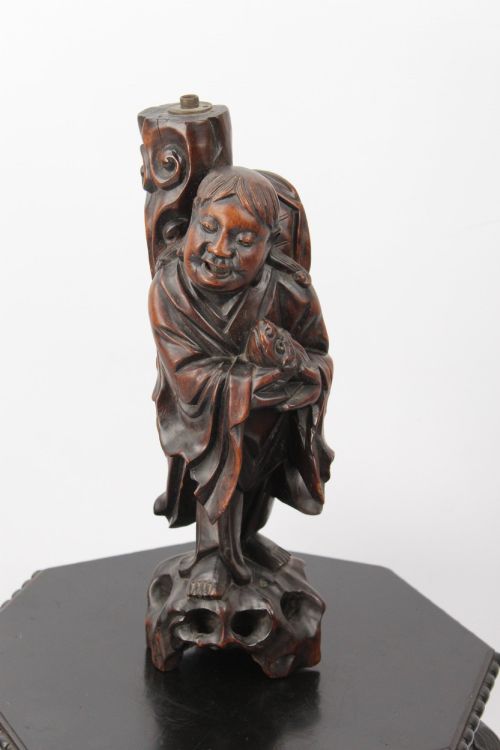
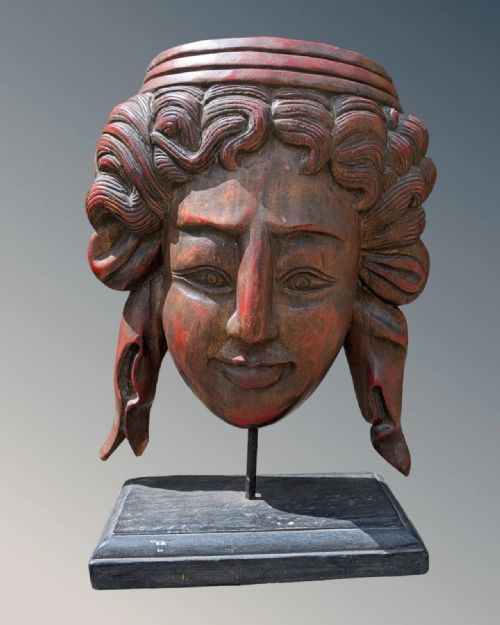
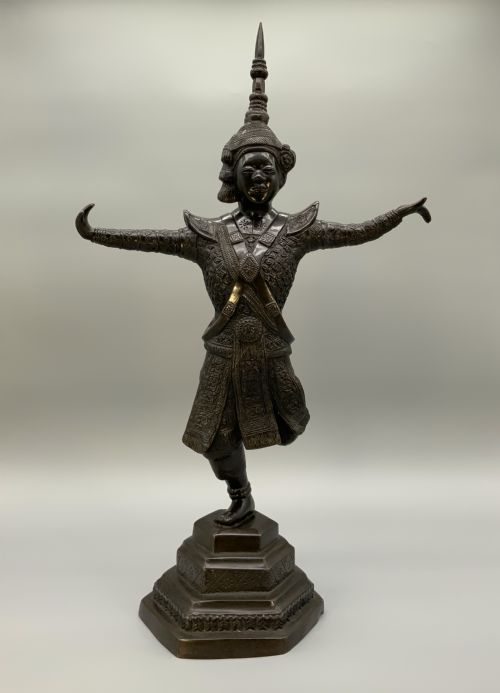
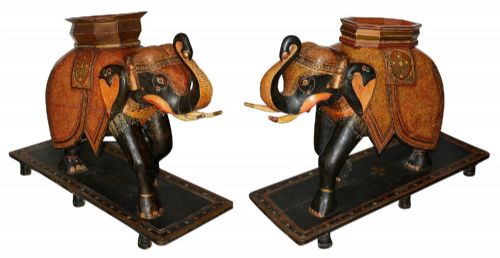
Forms vary considerably, taking the shape of deities, animals, immortals, and dancers. Pieces range from large architectural temple sculptures to small, tactile okimono and netsuke.
Materials and Techniques
Carving represents a primary method, utilising diverse woods such as burr root and hardwood, alongside hardstones like nephrite jade, bowenite serpentine, and soapstone. Artisans shaped these materials with meticulous detail, often adding polychrome pigments, gold leaf, or lacquer finishes.
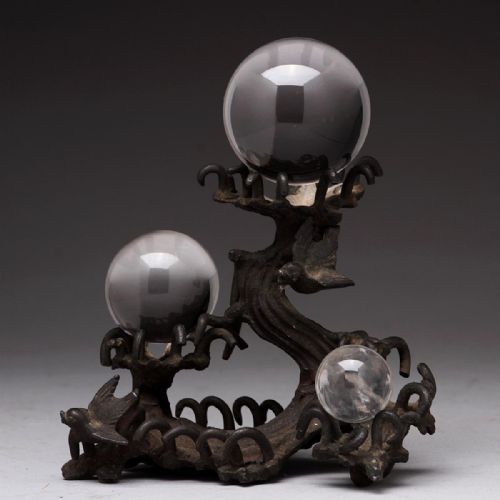
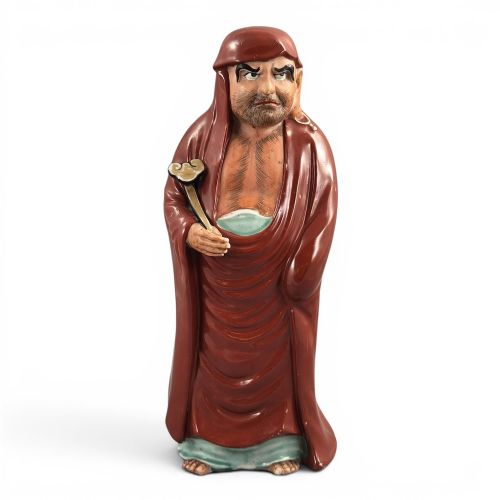
Metalworking involves lost-wax casting in bronze and brass, sometimes enhanced with silver inlay or patination to create textured surfaces on animal and figure subjects. Ceramics incorporate porcelain and pottery bodies, finished with glazes or painted enamels.
Oriental Art Sculpture Retail Price Guide 2026
Typical asking prices for oriental art sculpture among the pieces listed under this phrase on Sellingantiques today, from the lower quarter to the upper quarter. They describe what is for sale here now, not the wider market.
Listings feature stone carvings in nephrite, soapstone, and limestone alongside wooden sculptures executed in burr root and hardwood.
Evaluating Quality
The distinction between tiers rests upon the precision of the carving and the naturalism of the form. Superior examples display confident, fluent tool marks and anatomical accuracy, particularly in figures and animal subjects.
Material selection dictates value, with flawless jade, dense hardwoods, and heavy patinated bronzes standing apart from simpler or more porous stones. The integration of complex elements, such as multi-figure groups or intricate stands, demonstrates advanced workshop capability.
Makuzu Kozan II·Haruyama Shunzan
The Oriental Art Sculpture Glossary
- Okimono
- A Japanese term for a decorative object or sculpture meant for display, typically placed in an alcove or on a shelf. These freestanding carvings depict animals, deities, and daily scenes.
- Nephrite
- A compact, tough mineral variety of amphibole used for intricate carvings. This stone exhibits a smooth texture and ranges in colour from pale celadon to deep russet.
- Lokapala
- A Guardian King in Buddhist tradition, often depicted in vigorous posture and armour. These large sculptures protect directional quarters.
- Kutani
- A style of Japanese porcelain characterised by vibrant coloured enamels and detailed pictorial designs. Figures in this medium often represent Buddhist or Daoist deities.
- Nata-Tsukuri
- A Japanese woodworking technique employing a hatchet or adze to leave deliberate, textured facets on the surface. This method creates a rugged, organic finish on wooden sculptures.
Oriental Art Sculpture: Frequently Asked Questions
How do I care for wooden carvings?
Wooden sculptures require stable environmental conditions away from direct sunlight and rapid temperature shifts. Excessive dryness causes timber to split.
Dust the surface gently with a soft, dry brush and avoid applying liquid polishes or oils unless specified by a professional conservator.
What is jade in Asian sculpture?
Jade refers to two distinct minerals, nephrite and jadeite, both valued for extreme toughness and suitability for miniature and large-scale carving. Nephrite appears frequently in historical Chinese pieces.
Carvers exploited the natural tonal variations within the stone, incorporating russet or celadon inclusions into the design of the sculpture.
How do I identify Meiji period bronzes?
Meiji period bronzes from Japan often exhibit sophisticated patination and meticulous attention to anatomical realism. Animals and birds feature prominently in this era.
Many of these sculptures bear signature plaques or cast marks corresponding to specific metalworking studios or individual artists active during the late nineteenth century.