



Oriental Art Panels
When you search for oriental art panels, you discover decorative wall pieces spanning carved wood, painted silk, and lacquered surfaces from multiple periods.
Oriental Art Panels
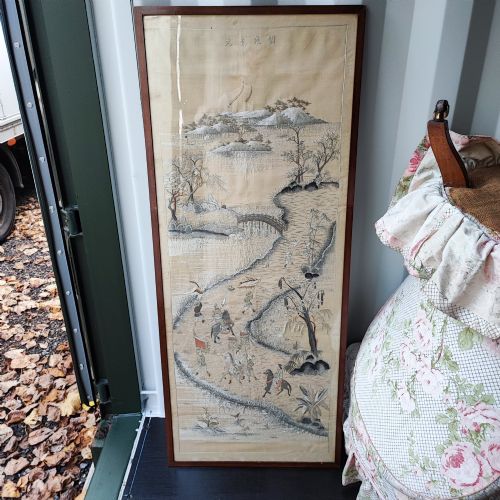
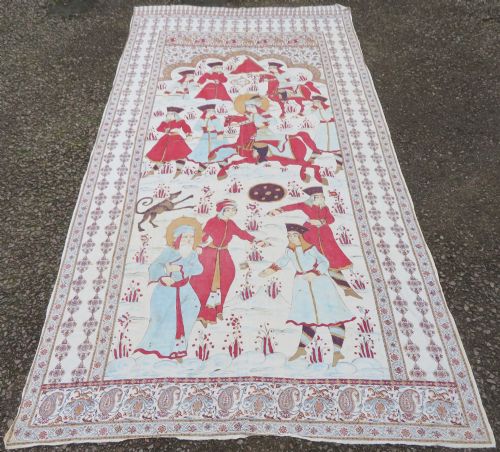
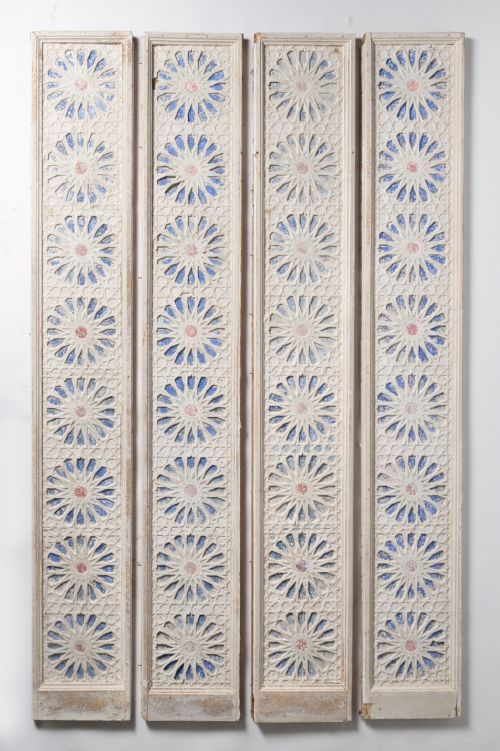
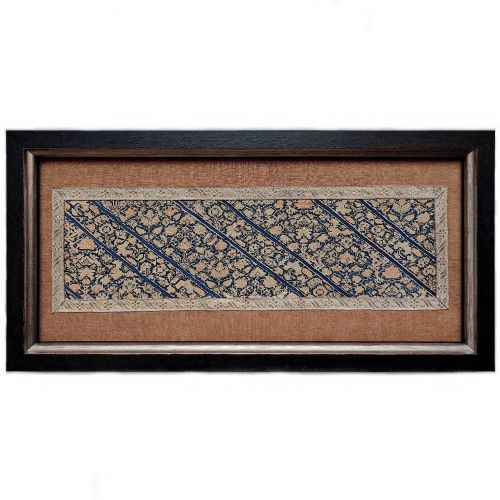
Oriental art panels comprise wall hangings, plaques, and framed works created across the nineteenth and twentieth centuries in various Asian and Middle Eastern traditions. Buyers browsing this selection frequently encounter carved wooden temple elements, embroidered silk textiles, and painted compositions under glass.
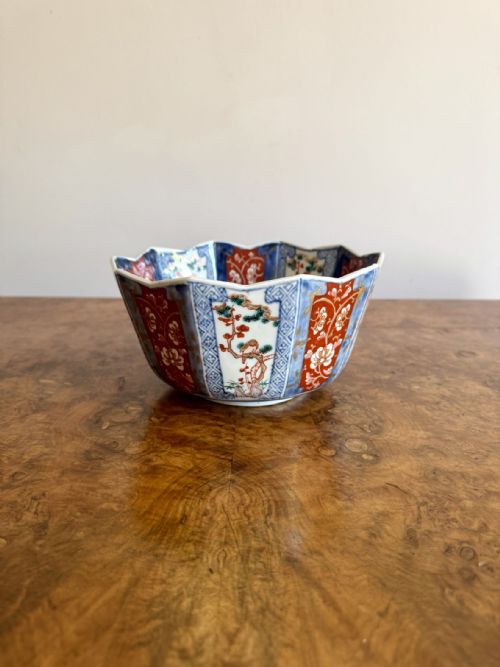
The objects stem from diverse origins including Chinese Qing Dynasty workshops, Japanese Meiji period studios, and Ottoman or Persian regions. These pieces served primarily as interior architectural decoration, screen inserts, or portable works of art designed for display.
Materials and Techniques
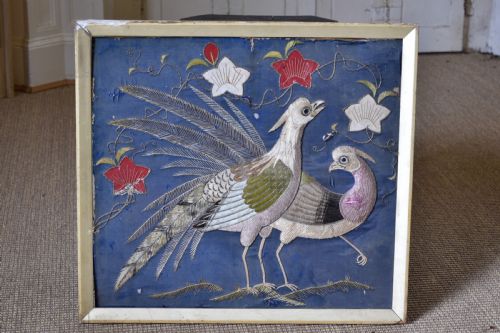
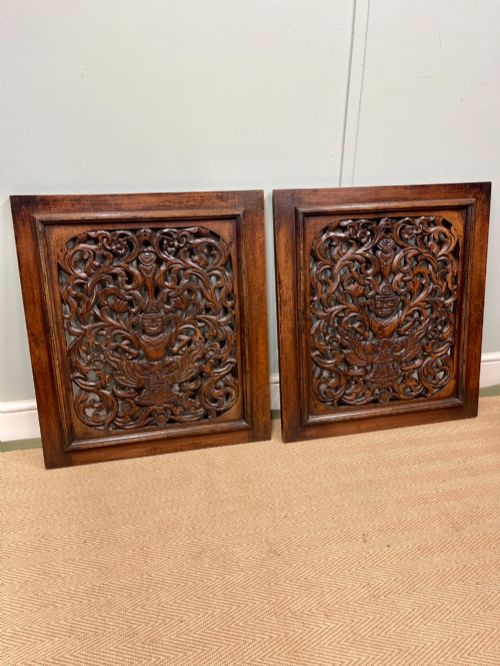
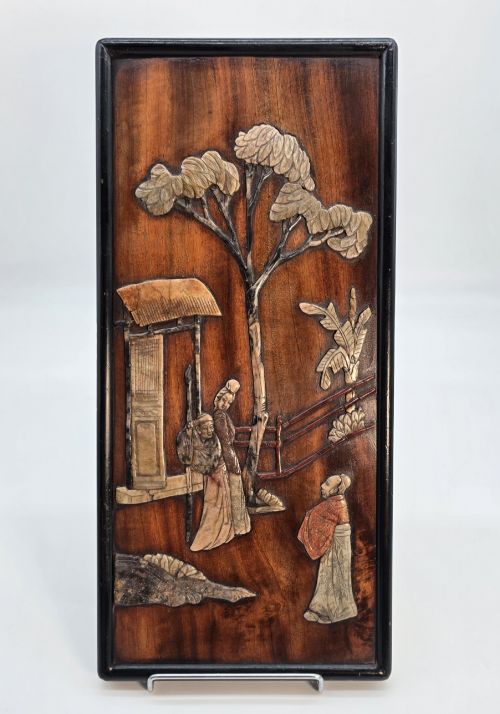
Artisans constructed these panels utilising solid hardwoods, teak, and carved gilt wood for structural frames and relief sculptures. Detail work relied on hand-stitched silk threads, metallic elements, wool, and intricate mother of pearl or abalone inlay.
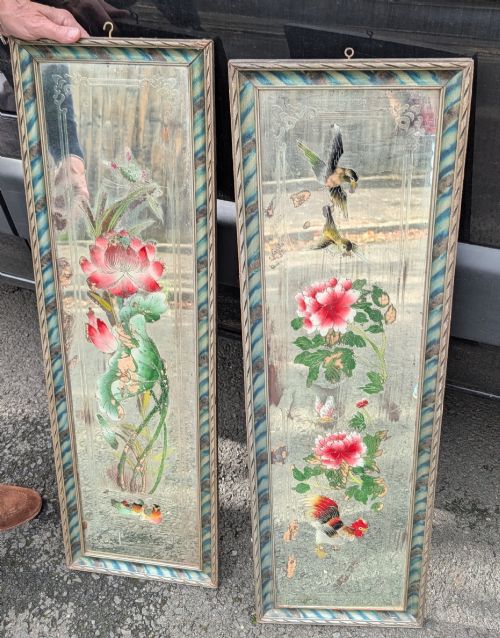
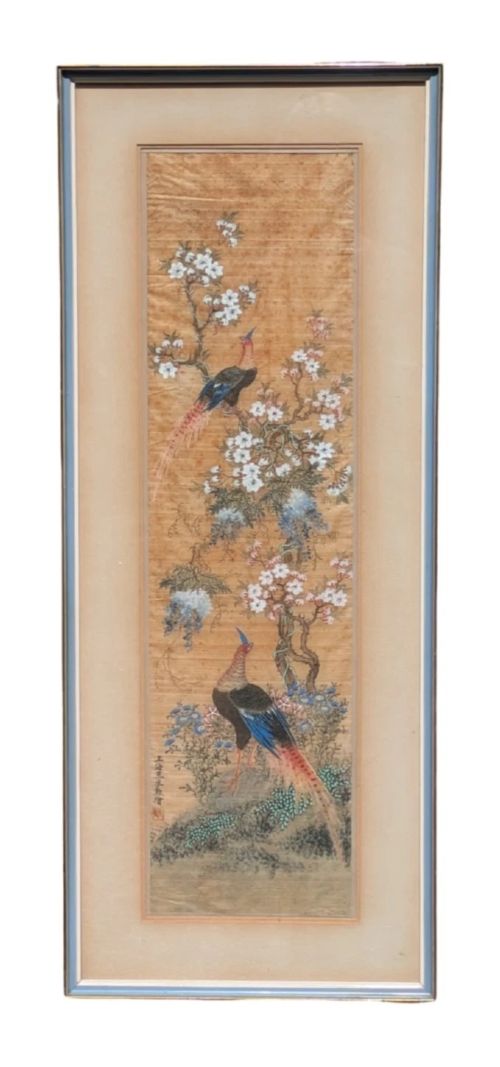
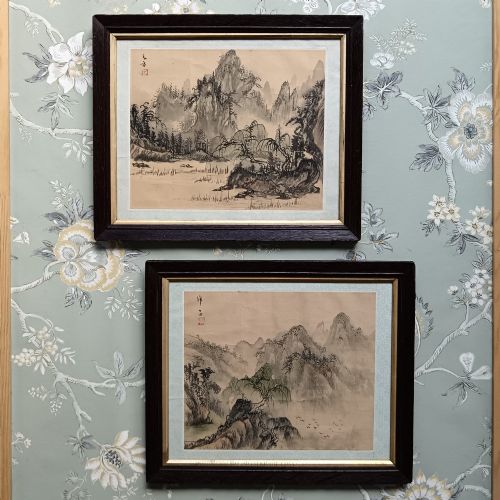
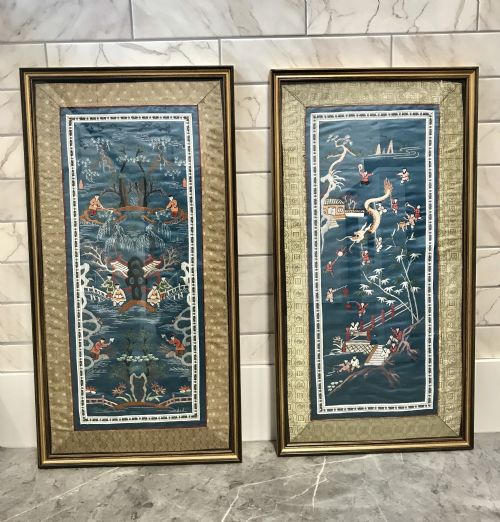
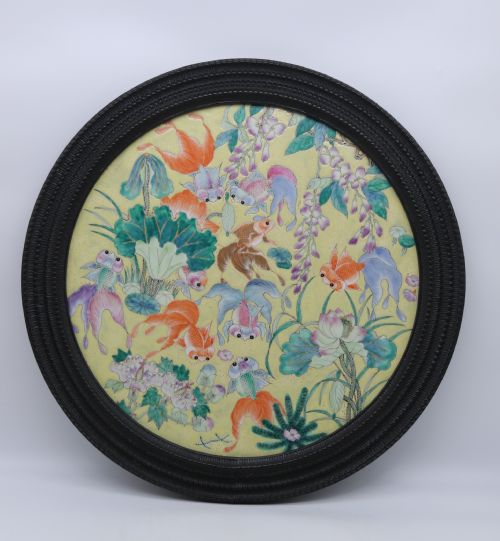
Surface decoration incorporated traditional ink, gouache, watercolours, and reverse painting on glass. Lacquer application provided durable finishes, while specialised hand embroidery secured detailed pictorial scenes of birds, dragons, and figures.
Oriental Art Panels Retail Price Guide 2026
Typical asking prices for oriental art panels among the pieces listed under this phrase on Sellingantiques today, from the lower quarter to the upper quarter. They describe what is for sale here now, not the wider market.
Assessing Quality and Execution
Quality separates ordinary decorative items from finer examples through the depth and precision of the hand carving in wood or the tightness of the needlework on silk. Superior pieces display intricate layering, delicate facial expressions on figures, and well-preserved original framing or stands.
The integration of precious materials like mother of pearl, ivory, or genuine metallic thread indicates higher workshop standards. Preservation of the original pigments, minimal fabric degradation, and crisp relief work distinguish museum-grade items from utilitarian decor.
Iida Takashimaya Company
The Oriental Art Panels Glossary
- Meiji Period
- A Japanese historical era lasting from 1868 to 1912 characterised by opening trade and refined decorative arts. Panels from this time often exhibit exceptional metalwork or silk textile skill.
- Qing Dynasty
- The final imperial dynasty of China, ruling from 1644 to 1911. Works attributed to this period frequently utilise rich embroidery and carved hardwood.
- Suzani
- A type of embroidered and decorative tribal textile made in Tajikistan, Uzbekistan, and other Central Asian countries. These pieces typically feature bold silk stitching on cotton grounds.
- Reverse Painting on Glass
- An art form where the artist paints directly onto the back of a glass sheet so the image is viewed through the front. This technique produces a high-gloss finish common in certain decorative plaques.
- Shan Shui
- Traditional Chinese landscape painting style depicting scenery using brush and ink. These works often appear on silk scrolls or mounted panels.
Oriental Art Panels: Frequently Asked Questions
How do I hang heavy wooden panels safely?
Carved wooden panels and heavy framed plaques require secure wall fixings distributed evenly across the weight-bearing points of the structure. Utilising professional picture hanging hardware prevents strain on antique joints.
Ensure you anchor directly into wall studs or employ appropriate masonry plugs for solid brick surfaces. This protects both the wall and the historical wood from accidental impacts.
Where should I display silk textile art?
Silk textiles and embroidered panels need placement away from direct sunlight to prevent fading of natural dyes and delicate threads. Controlled indoor lighting preserves the integrity of the fabric fibres.
Maintaining moderate humidity levels in the room stops the silk from becoming brittle over decades. Glass framing offers an additional layer of defence against dust and atmospheric pollutants.
How do I clean lacquered and wooden surfaces?
Dust lacquered panels and carved wood regularly with a soft, dry, lint-free cloth to prevent particulate buildup. Avoid applying chemical polishes, household cleaners, or excessive moisture.
If deeper cleaning becomes necessary, consult a professional conservator specialising in Asian antiques. Improper cleaning agents strip delicate lacquered finishes and discolour aged wood.
What is the difference between embroidery and painting panels?
Embroidery panels utilise needlework with silk, wool, and metallic threads to build pictorial surfaces featuring birds, figures, and floral motifs. Painting panels rely on liquid pigments like gouache, ink, or watercolours applied directly to silk, paper, or glass.
Both forms served as decorative wall art but required entirely different artisan skill sets during production. Examining the surface closely under magnification reveals either individual thread passes or brushstroke textures.