



Orange Porcelain Cup
These orange porcelain cup pieces bring together Georgian and Victorian ceramic traditions, offering collectors durable forms finished in bright enamels and gilding.
Orange Porcelain Cup
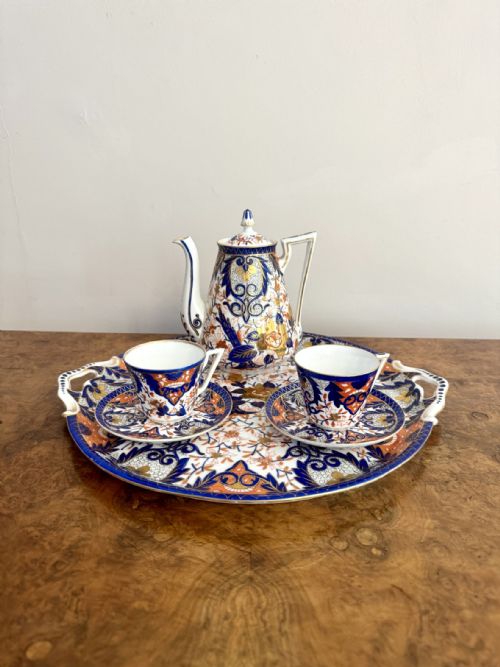
When you search for an orange porcelain cup, you encounter forms ranging from coffee cans and porter mugs to stirrup cups and tea services. These ceramics cross several eras, including the eighteenth century, the Regency period, and the Victorian age.
The most common examples on this page are English and Chinese export pieces decorated with enamel and gold leaf. Makers from Derby, Worcester, Spode, Minton, and Staffordshire shape the core of what is available.
How they were made
Potters shaped these vessels using hard-paste and soft-paste porcelain, alongside bone china, before firing them in kilns. Artisans then applied colourful enamel glazes by hand to create the characteristic orange tones seen across the surfaces.
Detailing often included delicate gilding and gold leaf accents applied over the glaze. Some items utilised transfer printing or hand-painted motifs to achieve the intricate patterns recorded in the styles of the period.
Orange Porcelain Cup Retail Price Guide 2026
Typical asking prices for orange porcelain cup among the pieces listed under this phrase on Sellingantiques today, from the lower quarter to the upper quarter. They describe what is for sale here now, not the wider market.
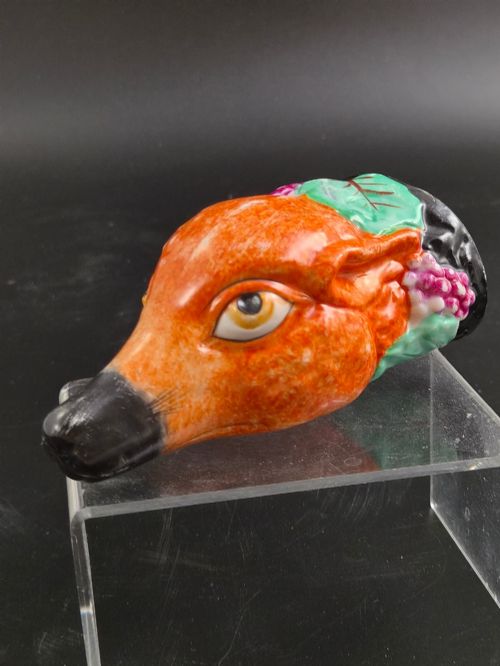
Some cups take the startling shape of a fox head, ensuring your morning tea comes with an unexpected canine gaze.
What varies in quality
The standard of painting and the crispness of the enamel work dictate the visual strength of each piece. Superior examples display precise brushwork and well-preserved gilding that remains bright against the porcelain body.
The refinement of the ceramic body itself, whether fine bone china or translucent porcelain, separates standard production items from cabinet pieces. Form also plays a role, with sculptural vessels like fox head stirrup cups demanding higher skill in the moulding.
Derby Porcelain·Royal Staffordshire Porcelain·Spode Porcelain·Minton
The Orange Porcelain Cup Glossary
- Coffee can
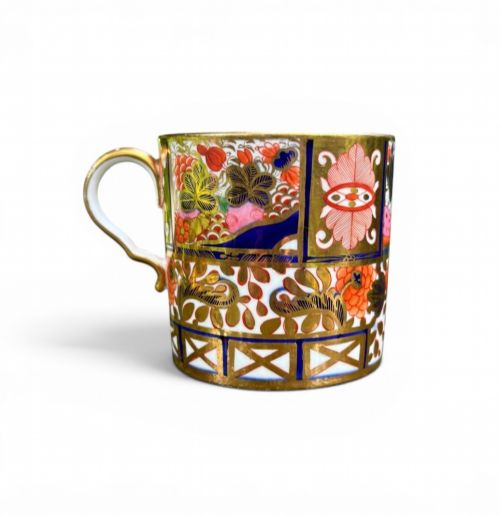
- A straight-sided cylindrical porcelain cup used for drinking coffee during the Georgian and Regency periods. These items typically lack handles.
- Stirrup cup
- A drinking vessel shaped like an animal head, such as a fox, traditionally handed to a rider before a hunt. Staffordshire and Derby produced notable examples in porcelain.
- Imari
- A decorative style featuring rich underglaze blue and iron-red enamel, often accented with gold. This aesthetic heavily influenced English porcelain manufacturers in the nineteenth century.
- Enamel glaze
- A glassy composition fused to the surface of porcelain during a secondary firing to provide colour and protection. It creates the vibrant orange hues found on these ceramics.
- Chinese Export
- Porcelain manufactured in China specifically for the Western market during the Qing Dynasty. These items frequently travelled to Europe via trade companies.
Orange Porcelain Cup: Frequently Asked Questions
What is a coffee can?
A coffee can is a cylindrical, handleless porcelain cup designed specifically for drinking coffee in the eighteenth and nineteenth centuries.
These vessels often match a saucer and feature hand-painted or transfer-printed decoration in styles like Imari.
How were stirrup cups used?
Stirrup cups were used to serve a final drink to riders on horseback before they departed for a hunt.
Often modelled as animal heads, such as a fox, these porcelain cups were held by the rider while still mounted.
What is Chinese export porcelain?
Chinese export porcelain refers to ceramics made in China during dynasties like the Qing for purchase by Western buyers.
These pieces combined traditional Eastern manufacturing techniques with shapes and patterns desired in European households.
How do I care for antique porcelain?
Antique porcelain requires gentle hand washing in lukewarm water with mild soap, avoiding dishwashers and harsh abrasives.
Careful handling protects delicate elements like gold leaf, gilding, and hand-painted enamel glazes from wear.