



Orange Ceramic Cup
An orange ceramic cup brings warmth to the table, spanning Georgian ironstone through to Art Deco earthenware.
Orange Ceramic Cup
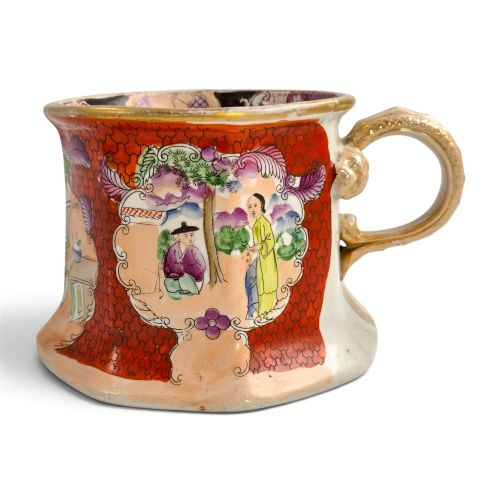
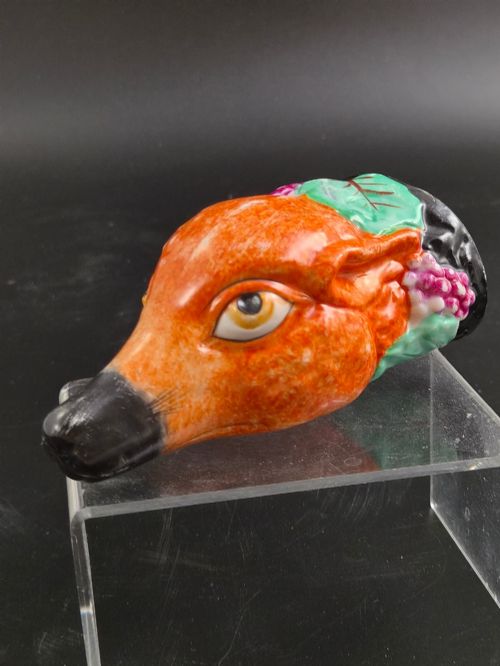
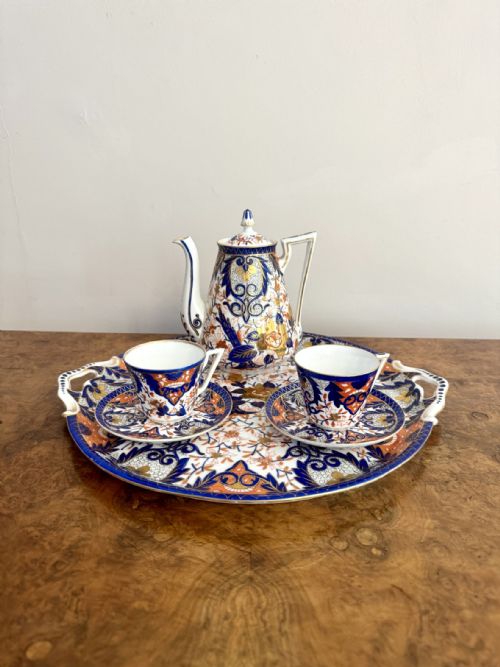
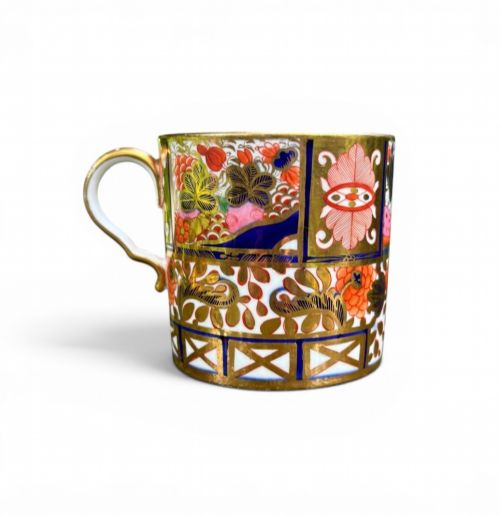
When you search for an orange ceramic cup, you encounter forms ranging from coffee cans and stirrup cups to large cider mugs and teacups. The listings on this page span Georgian, Victorian, and 1920s periods, drawing on English factories and Chinese export wares.
You are most likely to meet coffee cans, teacups with saucers, and larger mugs displaying bright enamel palettes, Imari patterns, or famille rose designs. These ceramics combine practical drinking vessels with decorative painting from the eighteenth, nineteenth, and early twentieth centuries.
The objects originate from diverse traditions, including Qing Dynasty Chinese export pieces alongside English bone china and ironstone bodies. Each period brings its own characteristic shape and method of applying the characteristic orange tones, from hand-painted glazes to printed transferware.
How they were made
Potters shaped these pieces using earthenware, ironstone, bone china, and porcelain bodies, depending on the period and desired delicacy. Artisans then applied colourful enamels and glazes over the ceramic base, occasionally incorporating gold leaf or gilding to highlight handles and rims.
Decoration involved meticulous hand-painted details, as seen in Chinese export famille rose works and Clarice Cliff bizarre wares. Transfer printing and specialised firing techniques ensured the bright orange and red pigments adhered permanently to the porcelain or ironstone substrate.
Orange Ceramic Cup Retail Price Guide 2026
Typical asking prices for orange ceramic cup among the pieces listed under this phrase on Sellingantiques today, from the lower quarter to the upper quarter. They describe what is for sale here now, not the wider market.
Listings for orange ceramic cups span the Georgian, Victorian, and Art Deco periods, incorporating porcelain, ironstone, and earthenware.
What varies in quality
Quality rests upon the crispness of the hand-painted enamels, the precision of the gilding, and the refinement of the ceramic body itself. Early porcelain and fine bone china display thinner walls and superior translucency compared to heavier utilitarian ironstone mugs.
The distinction between standard production wares and exceptional cabinet pieces lies in the complexity of the pattern and the renown of the workshop. Well-preserved painted surfaces with minimal wear command greater appreciation among collectors.
Royal Staffordshire Porcelain·Clarice Cliff·Spode·Minton
The Orange Ceramic Cup Glossary
- Ironstone
- A durable type of earthenware patented in the nineteenth century that mimics porcelain. It resists chipping and provided a sturdy base for colourful transfer-printed and enamelled designs.
- Coffee Can
- A straight-sided cylindrical cup used in the Georgian and Regency periods for drinking strong coffee. These vessels typically lack handles and sit on small, neat bases.
- Famille Rose
- A palette of opaque enamel colours dominated by pink, which emerged in Chinese porcelain decoration during the Qing Dynasty. It frequently appears alongside vibrant orange and coral tones.
- Imari
- A style of ceramic decoration originating in Japan and copied by European factories, featuring deep blue, iron red, and gilt. The palette relies heavily on rich orange-red hues.
- Stirrup Cup
- A drinking vessel shaped like an animal head, traditionally handed to mounted riders before a hunt. These porcelain or ceramic cups sit unsupported on their rims.
Orange Ceramic Cup: Frequently Asked Questions
How do I date an orange ceramic cup?
Dating relies on identifying the ceramic body, the mark on the base, and the painting style. Georgian pieces often feature soft-paste or early bone china bodies with hand-painted polychrome enamel designs.
Later Victorian and 1920s examples show sharper industrial glazing, transfer printing, or distinct art deco forms associated with specific potteries and periods.
Can I use an antique cup for daily tea?
While these ceramic cups were originally designed for drinking, antique porcelain and ironstone require careful handling today. Hairline cracks, old gilding wear, and delicate enamel painted surfaces make hand washing essential.
Many collectors prefer to display cabinet cups or use them only on special occasions to preserve the fragile glazes and historical pigments from modern dishwashers.
What is the difference between ironstone and porcelain?
Ironstone is a heavy, opaque earthenware developed to be durable and practical for everyday dining and drinking mugs. It offers thickness and strength against knocks.
Porcelain is vitrified at higher temperatures, resulting in a whiter, harder, and sometimes translucent body that sounds clear when tapped and suits finer teacups.
Why do some cups have no handles?
Many early coffee cans and export tea bowls were produced without handles following Asian prototypes. Drinkers held these small vessels by the upper rim or body once the hot liquid cooled slightly.
Handles became standard on British teacups and mugs as tea-drinking habits and domestic tableware designs evolved through the Georgian and Victorian eras.