
Open Side Cabinet
An open side cabinet offers practical display space alongside accessible shelving for everyday living.
Open Side Cabinet
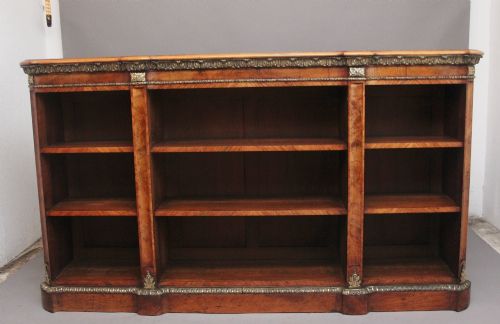
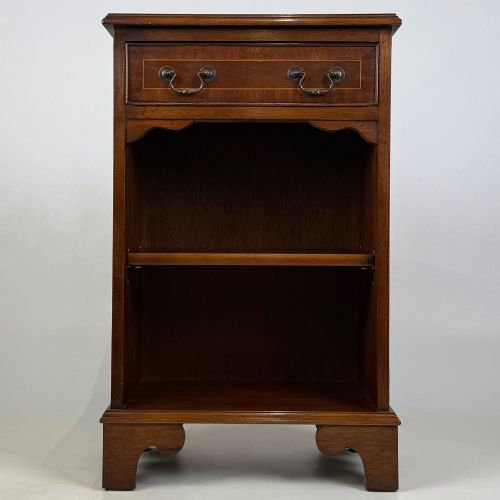
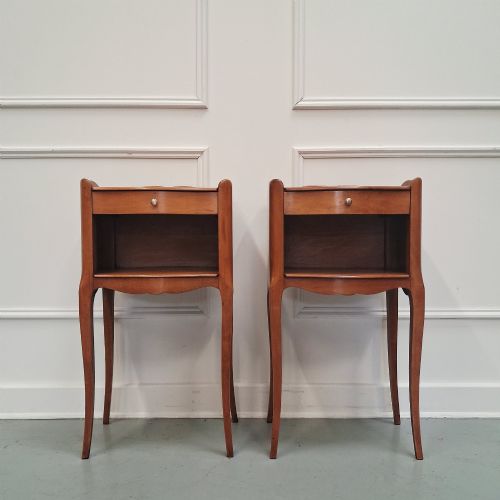
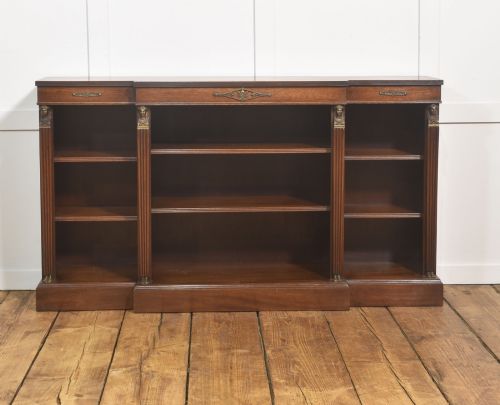
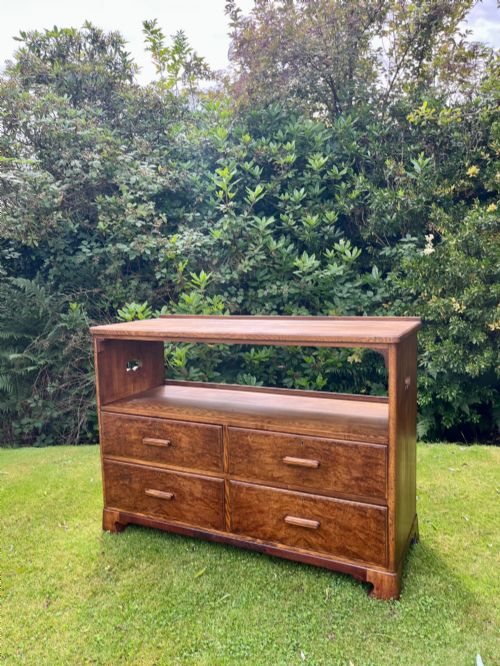
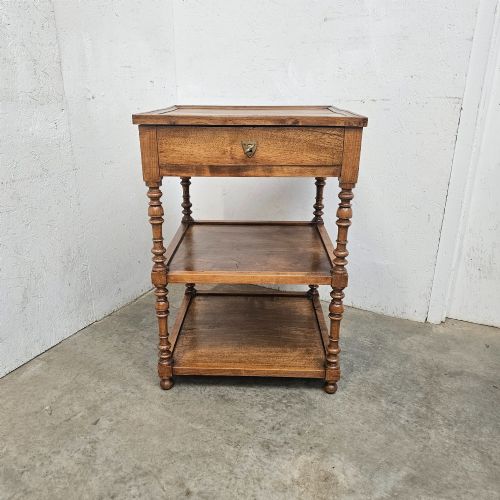
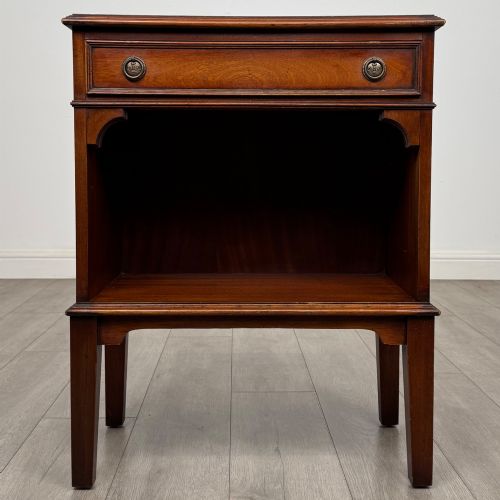
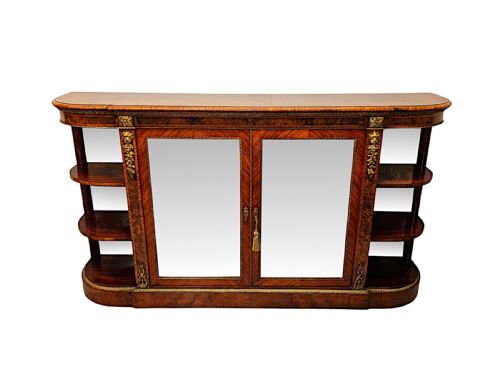
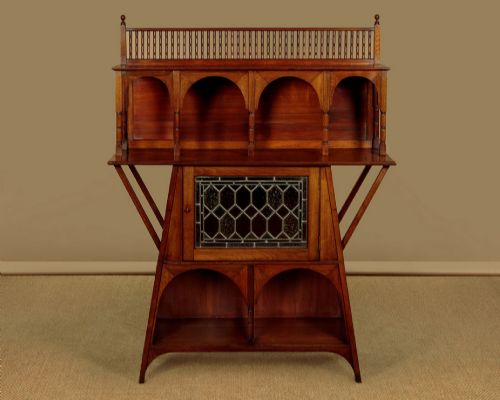
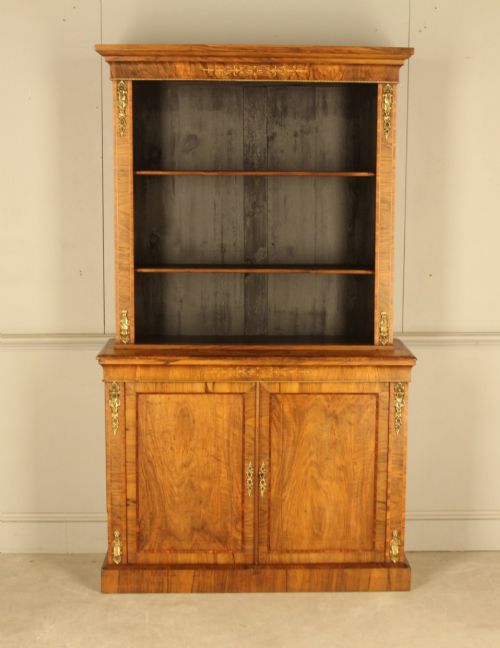
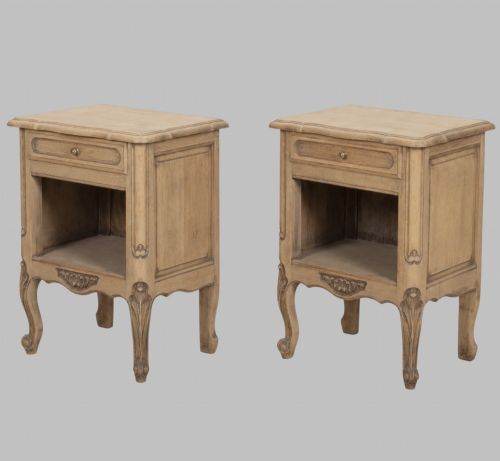
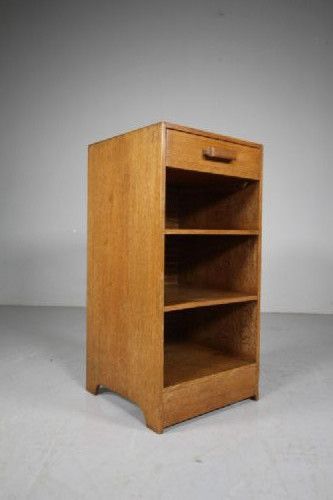
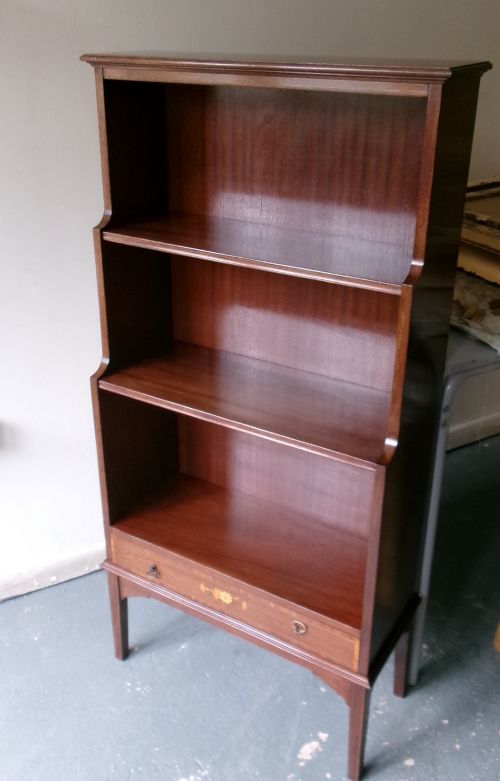
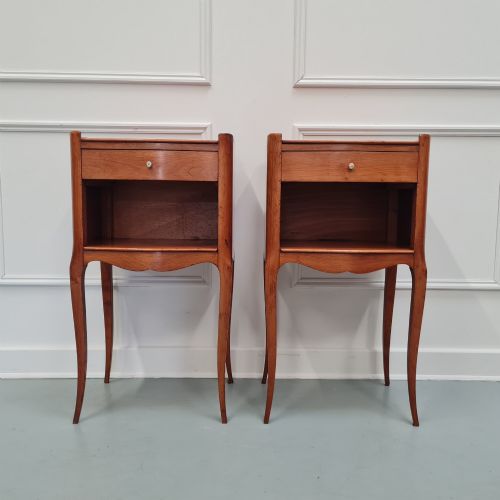
When you search for an open side cabinet, you encounter versatile furniture pieces that combine shelf storage with surface display. The selection spans compact bedside tables and low bookcases alongside grander credenzas and breakfront units.
Most examples originate from the nineteenth century through to the nineteen-thirties, reflecting Victorian, Edwardian, and Art Deco design aesthetics. Mahogany, walnut, and rosewood dominate the earlier periods, while oak and teak emerge in later decades.
These items serve equally well in living rooms for book storage or beside beds for lamps and small essentials. Their open fronts allow quick access to contents while maintaining a compact footprint against walls.
Materials and construction
Cabinet makers utilised dense hardwoods such as mahogany, walnut, and rosewood, frequently applying burr veneers to create striking figure patterns on flat surfaces. Ormolu mounts, brass galleries, and glazed panels appear regularly on pieces intended for formal reception rooms.
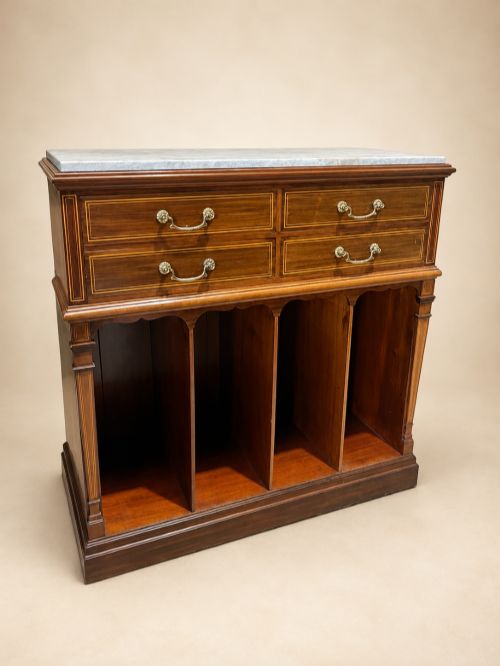
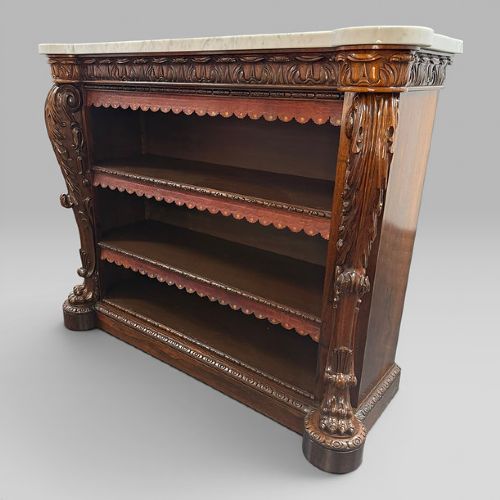
Joinery techniques ranged from traditional dovetailing in drawers to turned-leg supports and finely inlaid marquetry. Marble tops feature on select nineteenth-century and French provincial examples, adding weight and durable surface utility.
Many a Victorian book collector started with a modest open cabinet and ended up with a house entirely blocked by rosewood.
Evaluating craftsmanship and design
Quality rests primarily in the selection of timbers and the precision of the veneer work, where superior pieces display matched grain patterns across the entire front elevation. The integration of bronze or ormolu mounts and delicate string inlay distinguishes standard production from maker-stamped workshop output.
Structural integrity reveals itself in the weight of the timber, the snug fit of interior shelves, and the retention of original brass hardware or marble surfaces. Greater refinement shows in balanced proportions and crisp carved or turned details that remain sharp over time.
Johnstone and Jeanes·Gillows·Liberty and Co.·Heals·Betty Joel·Collinson and Lock
The Open Side Cabinet Glossary
- Ormolu
- Gilded bronze ornamentation applied to furniture mounts. This technique was popular in nineteenth-century cabinet making to accent corners and friezes.
- Credenza
- A low cabinet, often featuring central doors flanked by open or glazed side sections. Originally used for serving food or displaying plate.
- Breakfront
- A piece of furniture where the central section projects forward from the flanking wings. This creates architectural depth and visual variety.
- Etagere
- A set of open shelves for displaying small objects or books. These light freestanding units date frequently from the nineteenth century.
- Marquetry
- Decorative veneer work arranged in pictorial or geometric patterns using various coloured woods. Craftsmen applied this technique to elevate surface visual interest.
Open Side Cabinet: Frequently Asked Questions
How do I date an open side cabinet?
Dating relies on observing timber choices, construction methods, and prevailing decorative styles. For instance, rosewood and heavy ormolu mounts typically point to the nineteenth century.
Later pieces from the nineteen-thirties often showcase cleaner geometric lines and simpler oak or teak construction.
Where should I place a side cabinet?
These cabinets suit living rooms as low bookcases or hallway surfaces for lamps and decorative objects. Their compact proportions allow them to sit comfortably against walls without dominating the room.
Smaller variants also serve as practical bedside tables with open storage for nighttime reading material.
Are marble tops original on these cabinets?
Marble tops frequently appear on nineteenth-century and French provincial side cabinets and bedside tables. They provided a durable, heat-resistant surface for washing equipment or display items.
Grey mottled and white marble slabs were fitted directly into the timber frame during initial production.