



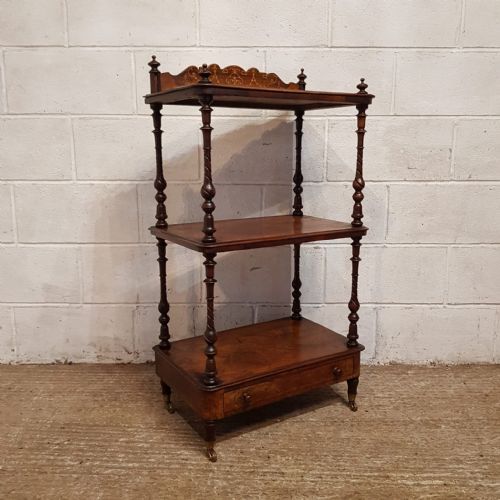


Open Corner Display
An open corner display turns neglected room angles into functional stages for cherished ornaments and books.
Open Corner Display
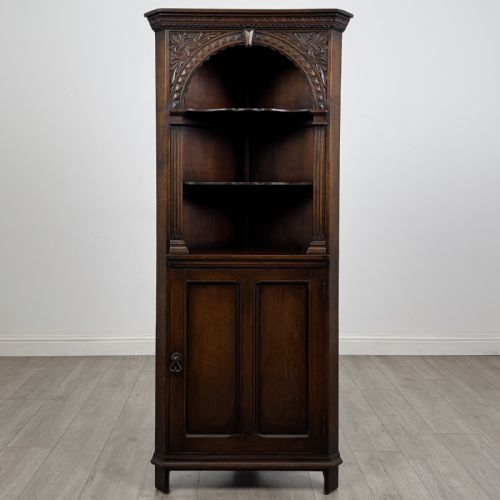
When you search for an open corner display, you are looking at tiered stands, etageres and shelving units designed to fit snugly into room junctions while keeping objects visible from multiple angles. The selections span multiple centuries of British cabinet making, ranging from Georgian proportions to elaborate Victorian creations.
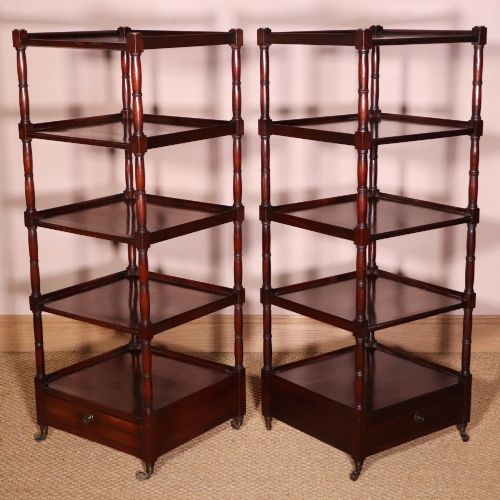
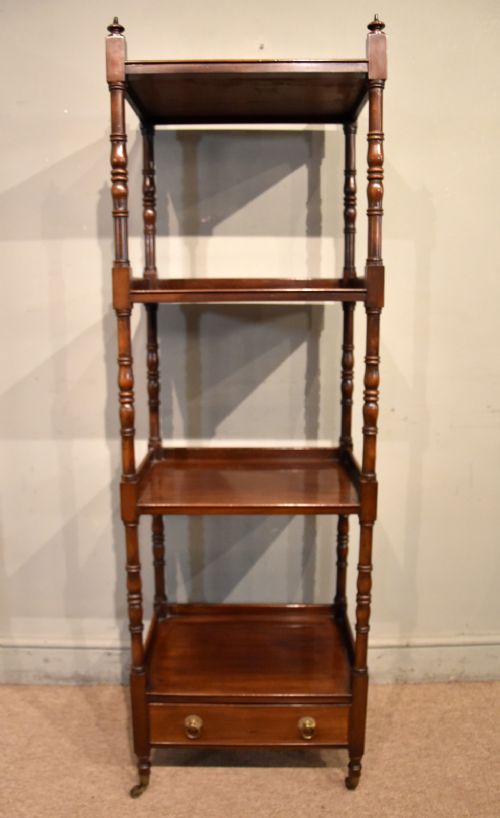
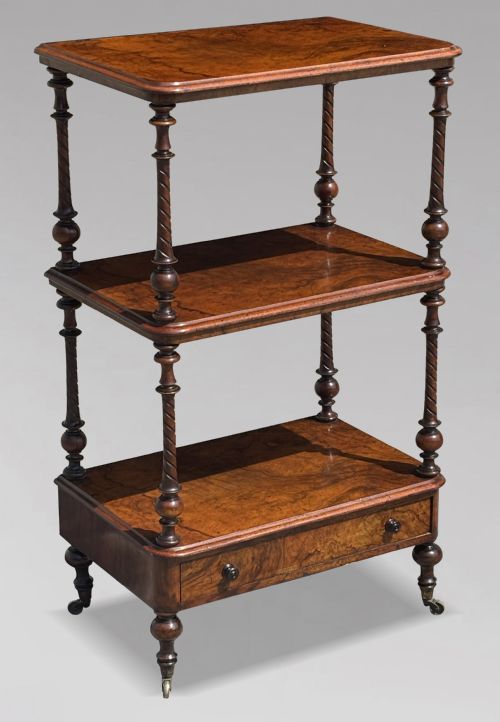
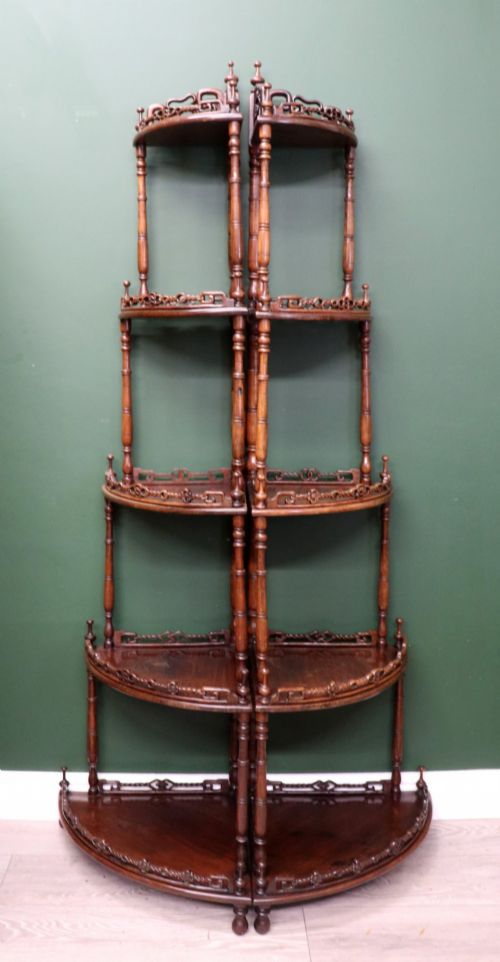
You will most frequently meet tiered wooden stands and corner cabinets originating from the nineteenth century. These pieces utilise vertical space effectively without dominating a floor plan, offering several tiers or shelves held by turned supports or carved columns.
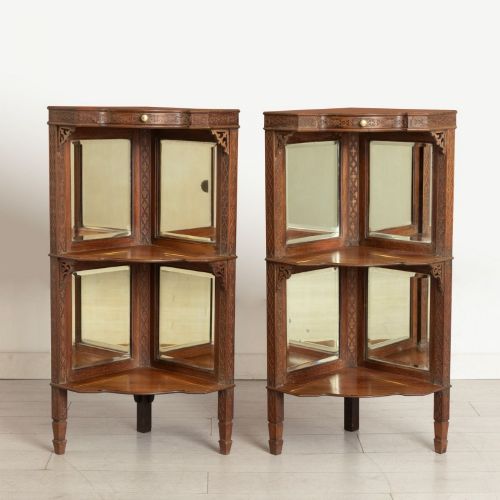
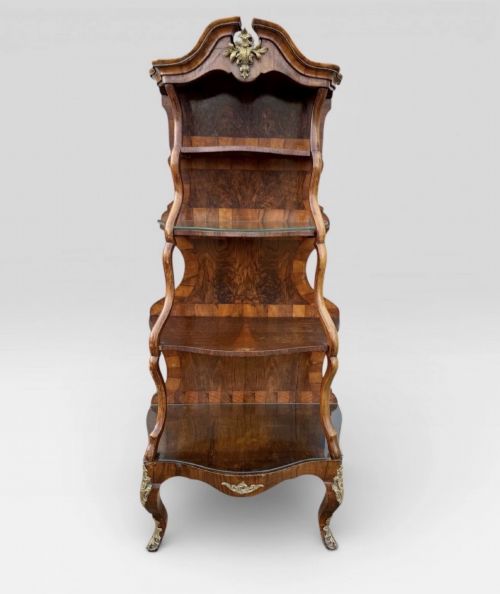
The forms vary from simple hanging cupboards to multi-tiered freestanding structures incorporating glass, mirrors and metal mounts. Many feature shaped or serpentine edges designed to soften rigid room geometry.
Materials and construction methods
Cabinet makers relied heavily on rich timbers such as mahogany, walnut and burr walnut, often complemented by exotic woods like rosewood and kingwood for decorative contrast. Grain selection played a central role, with burr veneers chosen for their swirling patterns on top surfaces and doors.
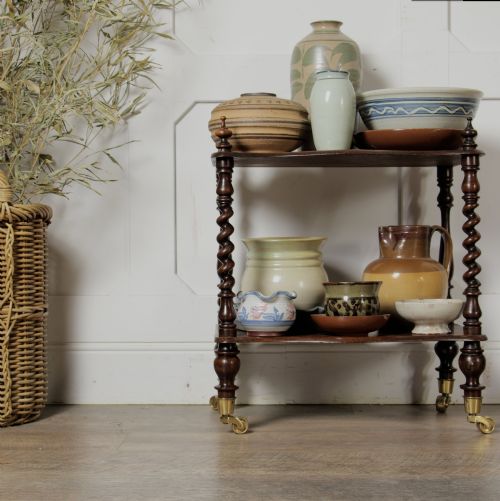
Structural integrity depended on stable joinery and sturdy supports, whether through slender barley twist columns, shaped uprights or brass fittings. Details such as pierced fretwork panels and ormolu mounts added refinement to the wooden frameworks.
Open Corner Display Retail Price Guide 2026
Typical asking prices for open corner display among the pieces listed under this phrase on Sellingantiques today, from the lower quarter to the upper quarter. They describe what is for sale here now, not the wider market.
Listings feature woods including mahogany, walnut, burr walnut, rosewood, oak, maple and kingwood, spanning the eighteenth to early twentieth centuries.
Distinguishing finer examples
Quality rests in the crispness of carved details, the choice of timber veneers, and the stability of stacked tiers. Superior pieces display carefully matched wood grain across multiple shelves and robust, well-turned uprights that bear weight without sagging.
Finer construction is evident in precise fretwork, clean brass or gilt metal mounts, and thoughtful proportions that maintain balance as the tiers rise. Lesser examples rely on plain timber with heavier, uninspired turnings and simpler joints.
Edwards & Roberts·Goodhall, Lamb and Heighway
The Open Corner Display Glossary
- Etagere
- A set of open shelves for displaying small articles, sharing similarities with the whatnot but often possessing a lighter, more decorative French influence.
- Burr Walnut
- Wood taken from a walnut tree growth where the grain has grown in a deformed, swirling manner. It produces highly decorative veneer patterns prized by cabinet makers.
- Barley Twist
- A decorative turning style resembling the spiral shape of twisted barley sugar. It appeared frequently on the upright supports of nineteenth-century furniture.
- Fretwork
- Ornamental design created by cutting patterns through thin wood panels using a fretsaw. It adds lightness and intricate detail to shelves and cabinets.
Open Corner Display: Frequently Asked Questions
What is an open corner display used for?
These pieces served historically to display porcelain, silver, and small decorative objects in drawing rooms and parlours. They maximise unused room angles to exhibit collections without cluttering floor space.
Today, they function similarly in domestic interiors, holding books, plants, and ceramics while drawing the eye upward into neglected corners.
How do I identify a Victorian whatnot?
Victorian examples often feature multiple stacked tiers supported by turned wooden columns, barley twist pillars, or fretwork sides. The timber used is frequently walnut, mahogany, or rosewood.
Look for construction details typical of the nineteenth century, such as hand-cut screws, dark patination on the wood, and sturdy tier joinery.
Are these pieces freestanding or wall-mounted?
The majority of pieces on this page are freestanding tiered stands designed to tuck into 90-degree room corners. Their weight and balanced construction keep them stable on flat floors.
Some historical variations, such as hanging cupboards, attach directly to walls, but most structures rely on corner placement for physical support.
How do I care for antique wood shelves?
Keep wooden furniture away from direct sunlight and heat sources to prevent the timber and veneers from drying out or splitting. Dust regularly with a dry, soft cloth rather than using silicone sprays.
Apply occasional natural wax feeds to maintain the lustre of the polished mahogany, walnut, or rosewood surfaces without building up heavy residue.