







Old Weaving Carpet
An old weaving carpet brings depth and texture to a floor through enduring regional patterns.
Old Weaving Carpet
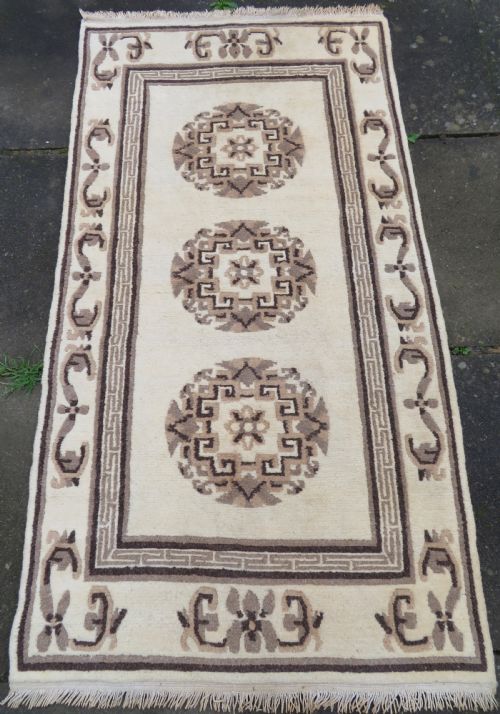
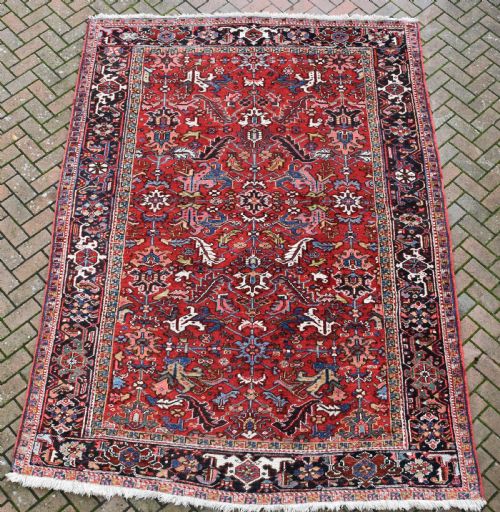
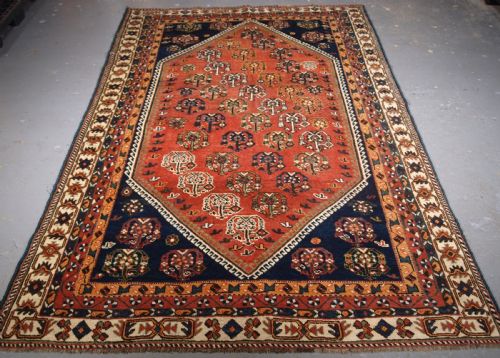
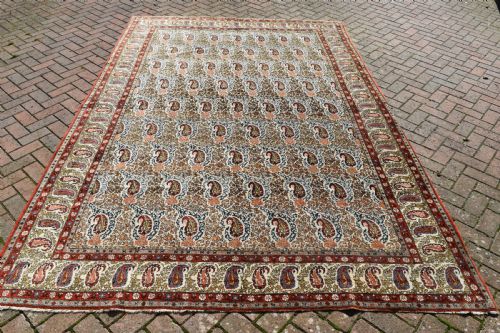
When searching for an old weaving carpet, buyers encounter hand-knotted and flat-woven floor coverings originating from Persia, Turkey, Afghanistan, China, Nepal, and Tibet. These textiles include village rugs, tribal runners, and large room-sized carpets created during the early decades of the twentieth century.
The pieces on this page span from nineteen hundred to nineteen thirty, capturing traditional motifs and regional village weaving styles. Village and nomadic pieces such as Baluch, Qashqai, and Sharkoy kilims appear alongside city carpets from Qum, Tabriz, and Isfahan.
Smaller formats like square rugs and narrow runners sit alongside expansive room-sized carpets. Each region contributes distinct structural characteristics and symbolic designs passed down through generations of weavers.
Materials and Construction Methods
These floor coverings utilise natural fibres, primarily wool pile set on cotton foundations, occasionally incorporating silk for fine detail work. Weavers knotted or flat-wove these materials by hand on vertical and horizontal looms.
Dyes derived from natural sources provide the soft red and varied palette seen across Turkish, Persian, and Afghan examples. The tight knot density and sturdy flat-weave structures ensure resilience over decades of domestic use.
Old Weaving Carpet Retail Price Guide 2026
Typical asking prices for old weaving carpet among the pieces listed under this phrase on Sellingantiques today, from the lower quarter to the upper quarter. They describe what is for sale here now, not the wider market.
Listings feature wool, cotton, and silk materials spanning periods from nineteen hundred to nineteen thirty across multiple Asian and European weaving traditions.
Distinguishing Quality in Hand-Woven Carpets
Quality rests upon the fineness of the weave, the precision of the geometric or floral design, and the integrity of the wool. City carpets from centres like Qum or Tabriz demonstrate intricate knotting and refined detail, whereas village pieces show robust, expressive tribal patterns.
The consistency of the spinning, the quality of the wool supply, and the preservation of original borders and selvedges determine the standing of an individual carpet. Surviving examples retain structural soundness alongside harmonious colour palettes.
The Old Weaving Carpet Glossary
- Kilim
- A flat-woven carpet produced without a pile, traditionally utilised in Turkey and the Balkans. These textiles rely on interlocking weft techniques to create sharp geometric patterns.
- Runner
- A long, narrow carpet format designed for corridors, hallways, or narrow spaces. Examples in this category often measure several metres in length.
- Boteh
- A stylised almond or paisley motif representing a floral spray or cypress tree. This ancient symbol appears frequently in Persian and regional tribal weaving.
- Selvedge
- The reinforced edge binding of a carpet that prevents the side cords from unravelling. Original and intact selvedges indicate careful preservation.
- Medallion
- A central ornamental design element placed in the middle of the carpet field. Weavers often surround this focal point with complementary corner brackets and border guards.
Old Weaving Carpet: Frequently Asked Questions
How do I clean an old carpet?
Vacuum gently without using a rotating brush bar to protect the wool pile and delicate foundation threads.
Professional specialist cleaning is recommended for deep maintenance to preserve natural dyes and fibre integrity.
Can these carpets handle heavy foot traffic?
Traditional wool village and nomadic carpets are durable constructions designed for everyday domestic use in active spaces.
Placing an appropriate underlay beneath the carpet prevents slipping and reduces friction against hard flooring.
What is the difference between a rug and a carpet?
The distinction generally relies on scale, with rugs describing smaller format floor coverings and carpets denoting room-sized pieces.
Both categories share identical hand-knotted or flat-woven production methods originating from traditional weaving regions.
How are periods determined for these textiles?
Dating relies on structural analysis, wool characteristics, dye types, and stylistic indicators consistent with early twentieth-century production.
Comparative study of regional motifs helps place specific village and city pieces within the nineteen hundred to nineteen thirty timeframe.