



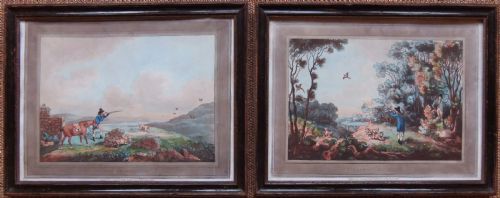

Old Paper Artwork
Old paper artwork brings centuries of tangible history to a wall, offering authentic drawings, etchings and watercolours on fragile, enduring sheets.
Old Paper Artwork
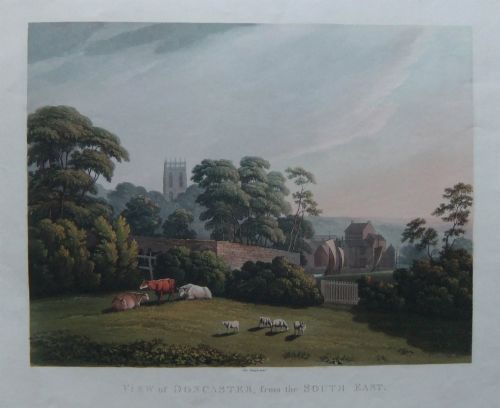
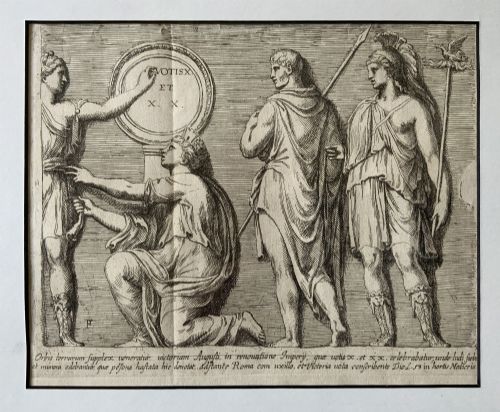
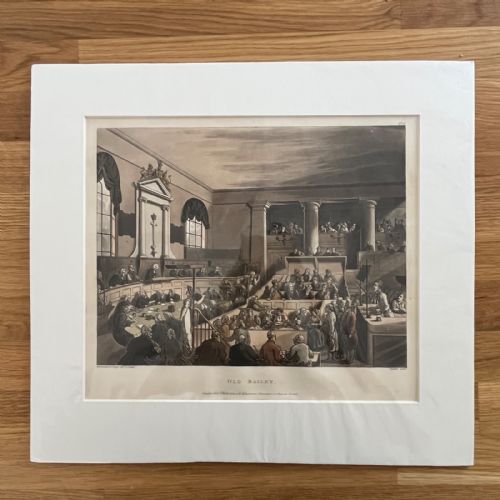
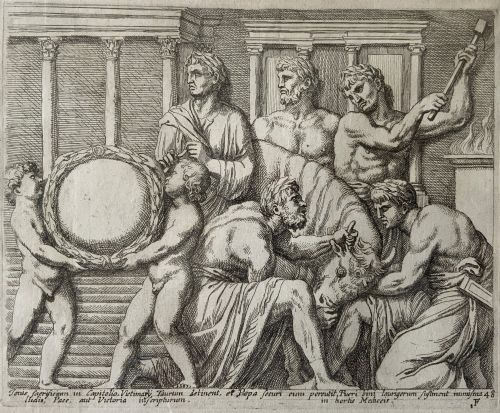
When you search for old paper artwork, you encounter centuries of drawings, prints, engravings and watercolours executed on delicate sheets. These works span the seventeenth, eighteenth and nineteenth centuries, taking the form of framed sketches, portraits and topographical scenes.
You meet pieces originating from various European schools, including Italian, Dutch and English traditions. The subjects range from classical antiquities and mythological studies to naive portraits and pastoral landscapes.
Framed works dominate the selection, preserving vulnerable paper beneath glass in period wooden surrounds. These pieces preserve the direct touch of an artist's hand or the mechanical press of early printmaking.
Materials and execution
Makers utilised handmade rag paper composed of linen and cotton fibres, providing a fibrous, durable substrate that accepted wet and dry media differently than modern wood-pulp sheets. Artists applied iron gall ink, charcoal, chalk and watercolour directly to these toned or white surfaces.
Printmakers worked copper plates for engravings and etchings, pressing inked lines into damp paper under heavy pressure. Draughtsmen built up shadows using sanguine chalk or monochrome washes, while later nineteenth-century pieces introduced lithographic techniques.
Old Paper Artwork Retail Price Guide 2026
Typical asking prices for old paper artwork among the pieces listed under this phrase on Sellingantiques today, from the lower quarter to the upper quarter. They describe what is for sale here now, not the wider market.
A youthful three-month-old runner appears immortalised with surprising solemnity in ink and watercolour.
Distinctions in quality
The sophistication of the draughtsmanship separates routine archival records from masterworks, evident in the confidence of a line and the understanding of human anatomy. Hand-coloured prints and original drawings show the individual skill of the creator rather than repetitive mechanical output.
Conservation and original framing significantly influence the standard of a piece, as harmonious proportions between the artwork and period wooden frames enhance visual impact. The survival of clear signatures, contemporary inscriptions and untouched paper surfaces elevates the standing of an item.
François Perrier·John Hoppner·Arthur Wilde Parsons·Henry John Kinnaird·Johan Noah Bemmel
The Old Paper Artwork Glossary
- Etching
- A printmaking technique where lines are bitten into a metal plate with acid before being inked and pressed onto paper. This method allows for fine, fluid lines that mimic freehand sketching.
- Sanguine
- A type of red chalk used extensively for figure drawing and portraiture during past centuries. It produces warm, earthy tones particularly suited to capturing flesh and facial contours.
- Engraving
- A process of cutting a design directly into a metal plate with a sharp tool called a burin. The resulting prints exhibit precise, crisp lines and tonal depth.
- Watercolour
- A paint consisting of pigment suspended in a water-based solution applied to paper. Artists use washes to create transparent layers of colour and light.
- Old Master
- An artist of high skill working in Europe before about eighteen hundred. The term also designates the paintings, drawings and prints produced by these hands.
Old Paper Artwork: Frequently Asked Questions
What is toned paper?
Toned paper is tinted a neutral grey, brown or buff colour during or after its manufacture, rather than remaining stark white. This prepared background provides a mid-tone that allows artists to sketch shadows and apply white highlights rapidly.
Drawings on toned paper often possess a distinct atmospheric depth, as the visible paper forms an integral part of the final composition.
How do I distinguish an etching from an engraving?
An etching displays free, flowing lines with slightly rounded edges created by acid biting into the metal plate. Engravings feature sharper, crisper lines with tapered ends carved directly by a metal-cutting tool.
Examining the printed surface under magnification reveals these characteristic differences in how the ink sits within the paper fibres.
Are these works original?
The selection includes both unique hand-drawn sketches and period printed editions produced from original plates. Listings specify whether a piece is an unrepeatable drawing, watercolour or a vintage print.
Signatures, contemporary inscriptions and the physical examination of the paper surface help confirm the historic origin of each item.