


Old Oil Portrait
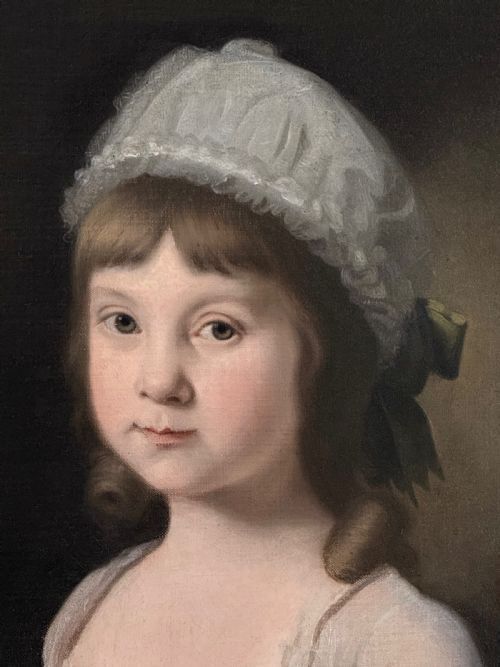
An old oil portrait brings centuries of character into a room through layered pigments and framed canvas.
Old Oil Portrait
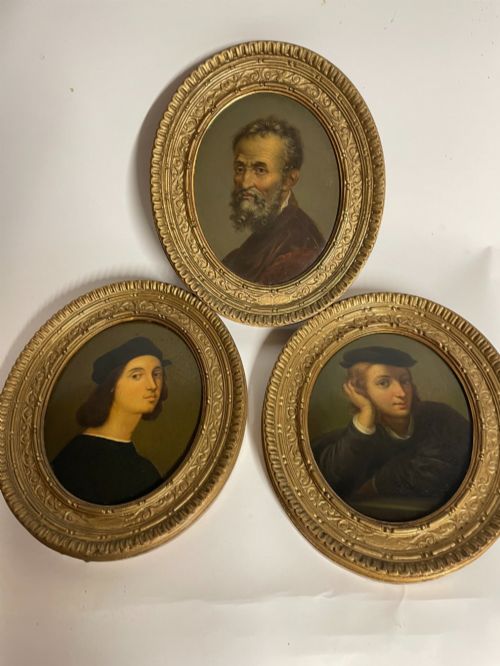
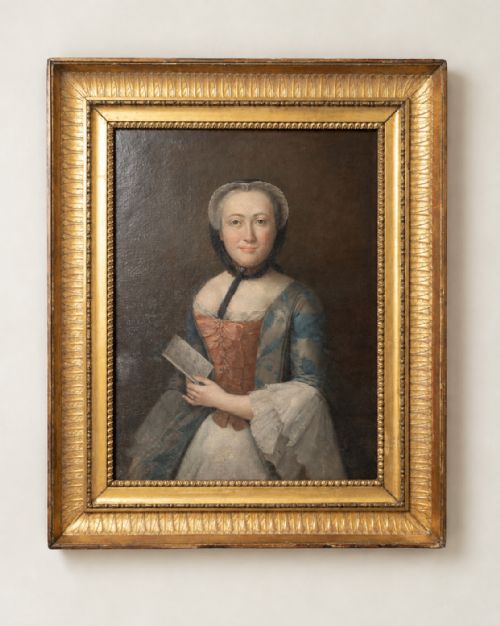
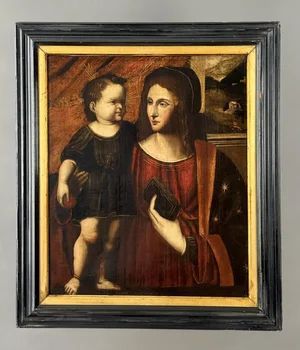
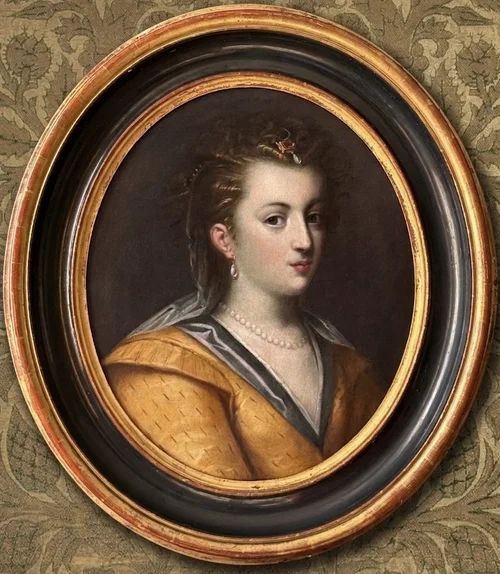
An old oil portrait captures the likeness of nobility, clergy, and everyday subjects from past centuries. When searching for an old oil portrait, buyers encounter works executed in schools ranging from the Italian Renaissance to the Dutch Golden Age.
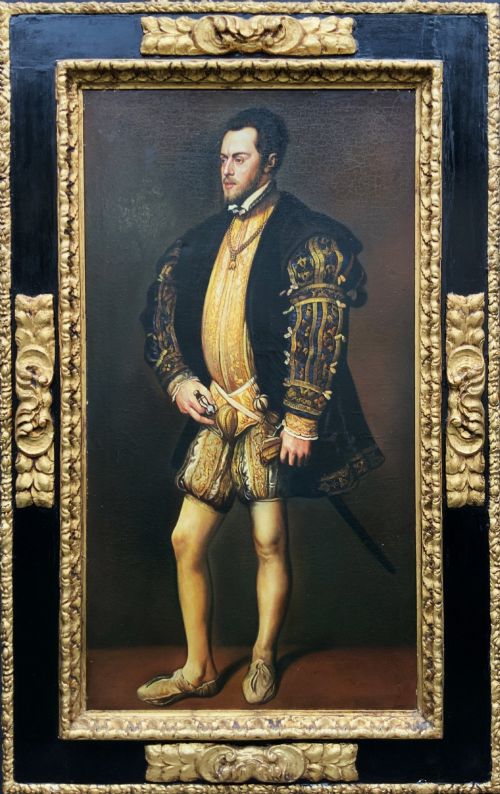
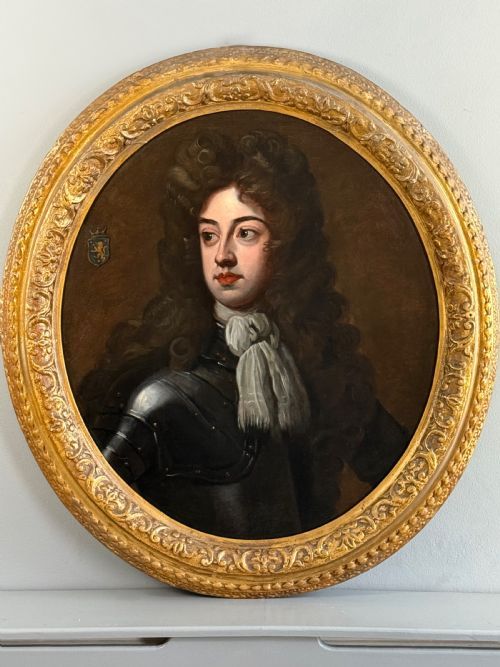
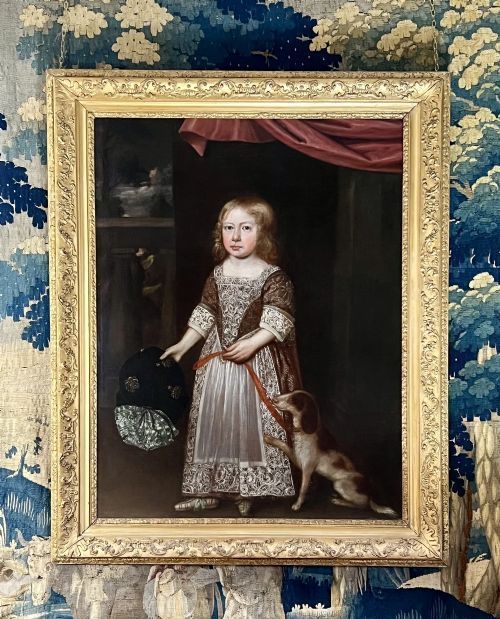
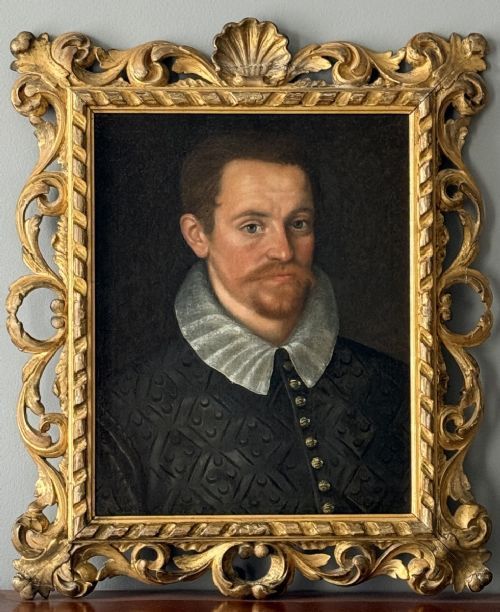
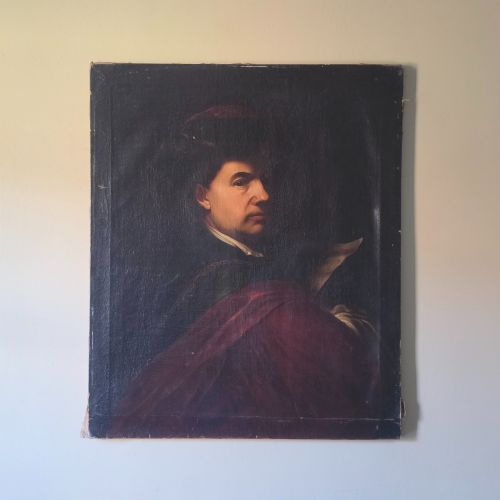
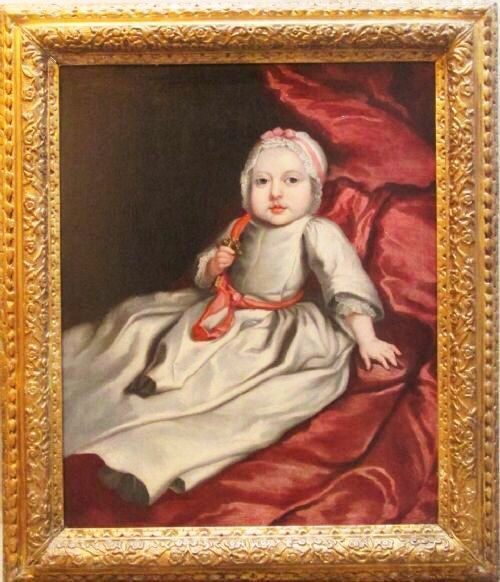
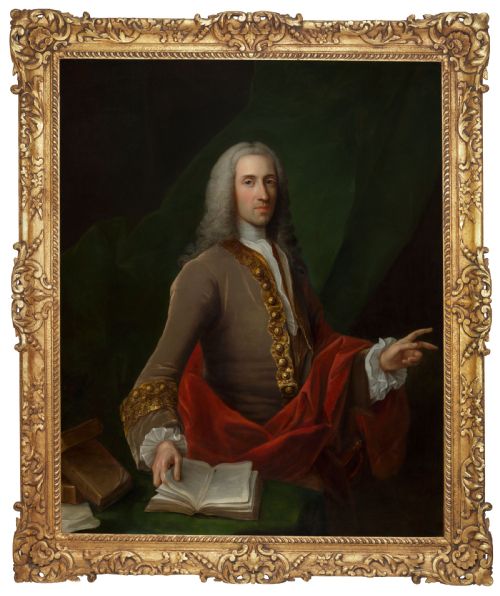
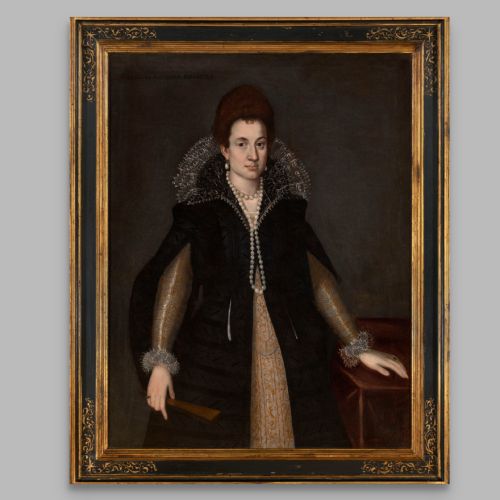
Most examples originate from the seventeenth and eighteenth centuries, depicting sitters in formal attire such as ruffs and embroidered doublets. These canvases arrive housed in period frames, often carved from wood and finished with gold leaf or gilt.
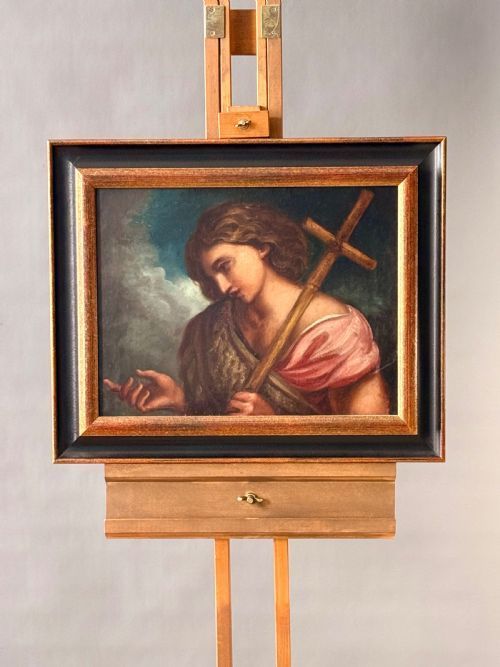
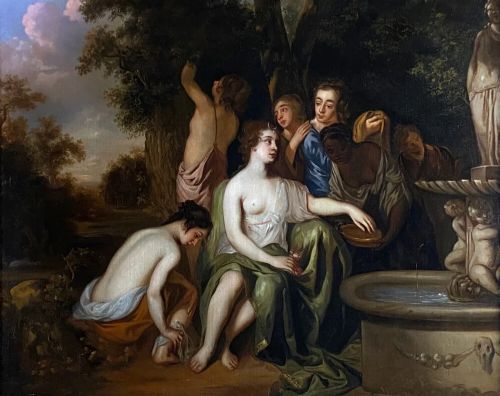
The selection includes paintings by identified masters, studio followers, and regional European schools. Portraits span bust-length studies, full-length depictions set in landscapes, and religious compositions rendered in oil paint.
How they were made
Artists applied oil paint to stretched canvas or wooden panels, building depth through successive translucent glazes and opaque highlights. This technique allowed painters to render the texture of velvet gowns, lace ruffs, and human skin with striking realism.
Surrounding the artwork, makers constructed frames using timber joined at the corners, decorated with moulded plaster ornaments, and coated in gold leaf or giltwood to complement the dark tones of the canvas.
Old Oil Portrait Retail Price Guide 2026
Typical asking prices for old oil portrait among the pieces listed under this phrase on Sellingantiques today, from the lower quarter to the upper quarter. They describe what is for sale here now, not the wider market.
The inventory spans the sixteenth century through to the twentieth century, encompassing Baroque, Renaissance, and Georgian styles.
What varies in quality
The preservation of the original paint layer dictates overall integrity. Retaining untouched pigment without heavy overpainting preserves the artist's original intent and surface texture.
Lavinia Fontana·Sir Godfrey Kneller·Mary Beale·Sir Peter Lely·Joshua Reynolds·Nicolaes Maes
The Old Oil Portrait Glossary
- Oil on Canvas
- A painting technique utilising pigments suspended in drying oils applied directly to a woven fabric support. This combination provides flexibility and rich colour saturation.
- Giltwood
- Timber carved and coated with a thin layer of gold leaf or metallic powder. It provides the ornate, reflective borders common on period frames.
- Pentimento
- An alteration in a painting where an earlier layer of work shows through the top paint. This phenomenon reveals the artist changing their composition during the creative process.
- Ruff
- A voluminous pleated collar worn in the sixteenth and seventeenth centuries. Its intricate folds offer a measure of a painter's technical skill.
- Old Master
- A European artist of high skill working before the nineteenth century. The term also designates a painting produced by such a hand.
Old Oil Portrait: Frequently Asked Questions
How do I date an old oil portrait?
Dating relies on the sitter's costume, such as ruff collars or doublets, alongside the stretcher construction and canvas type. Frame styles and pigment analysis also assist in determining the era of production.
Secondary clues include inscriptions on the reverse, artist signatures, and stylistic traits associated with specific regional schools from the seventeenth and eighteenth centuries.
What is an old master portrait?
An old master portrait is a painting created by a respected European artist before the nineteenth century. These works range from pieces by master painters to output from their workshops and immediate circles.
Subjects typically include nobility, scholars, and religious figures rendered with traditional oil painting techniques on canvas or panel.
How should I care for an oil painting?
Protect the canvas by keeping it away from direct sunlight and maintaining stable room temperatures. Avoid hanging pieces near heat sources that cause wood panels and canvas to warp or crack.
Dust the surface gently with a soft, dry brush without applying moisture or cleaning solutions. Consult a professional conservator for deeper cleaning.
What does circle of an artist mean?
The term denotes a painting produced by an unidentified artist working in the style and studio tradition of a named master. These works date from the same period and share technical characteristics.
Such attribution reflects proximity to the primary master without claiming direct execution by that specific hand.