


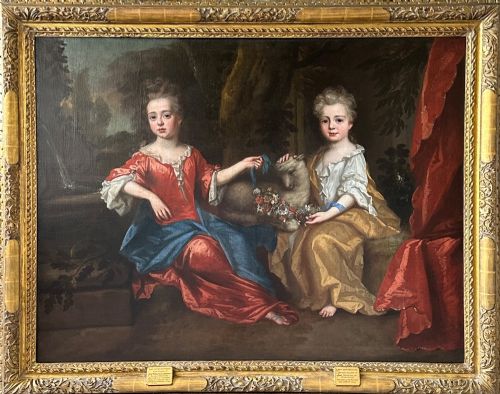
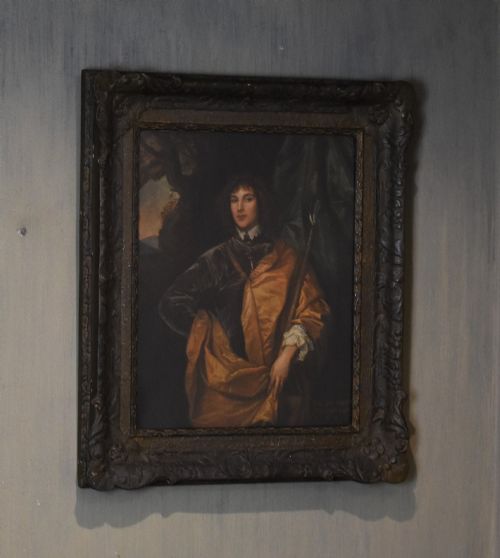
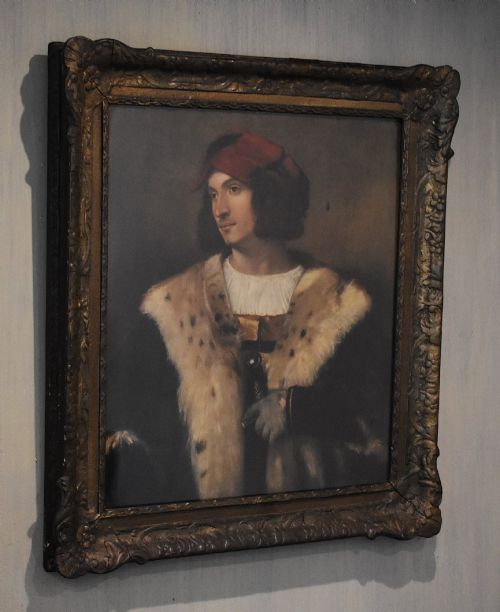
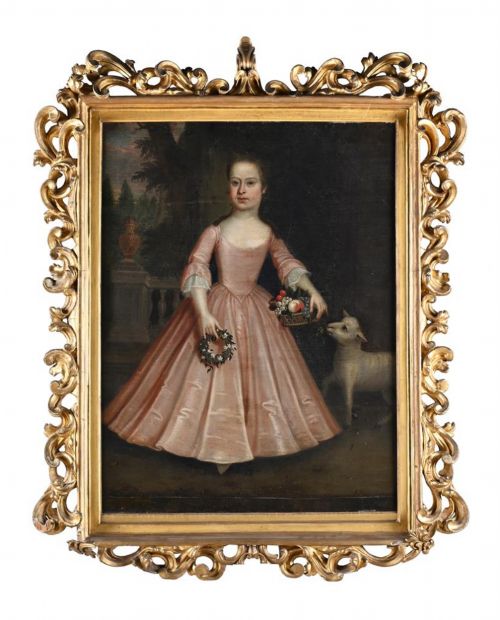


Old Master Style Portrait
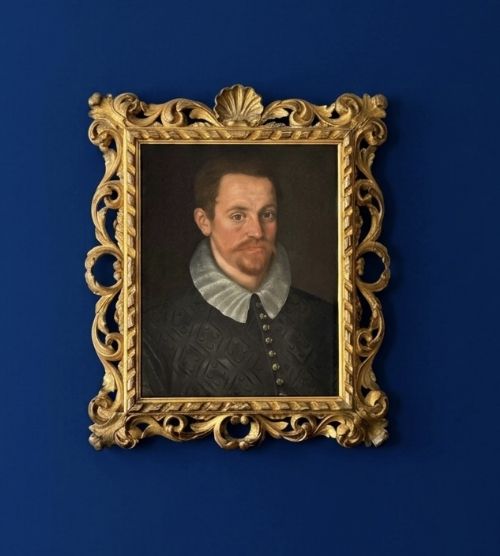
An old master style portrait brings the heavy drama, rich pigment and psychological depth of sixteenth to eighteenth-century European painting directly into a modern interior.
Old Master Style Portrait
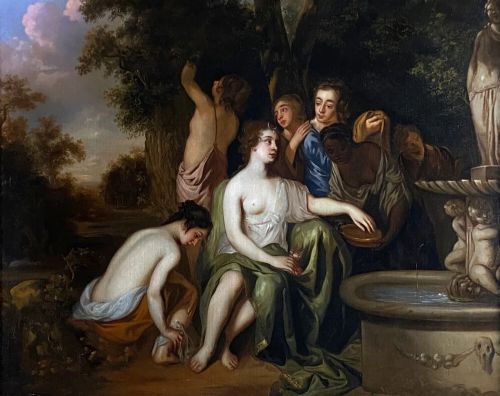
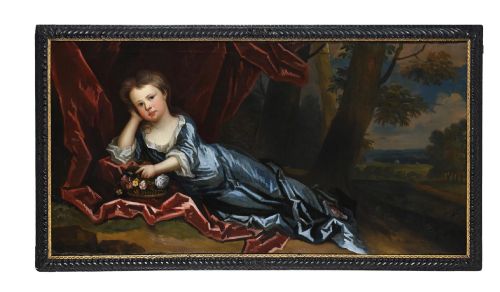
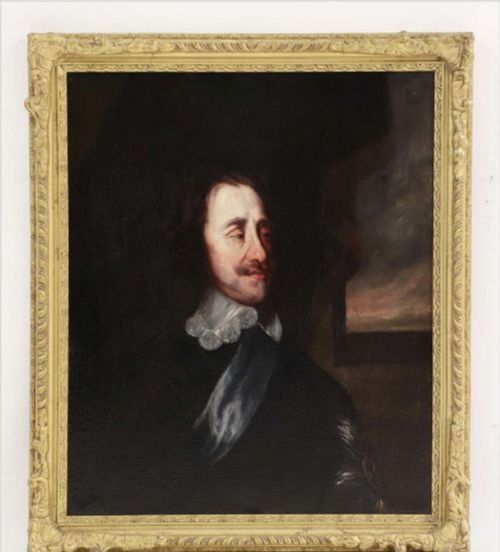
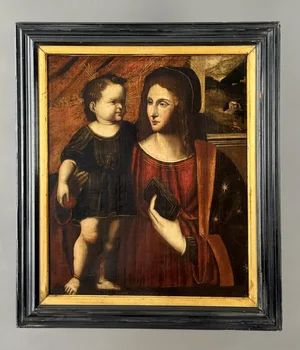
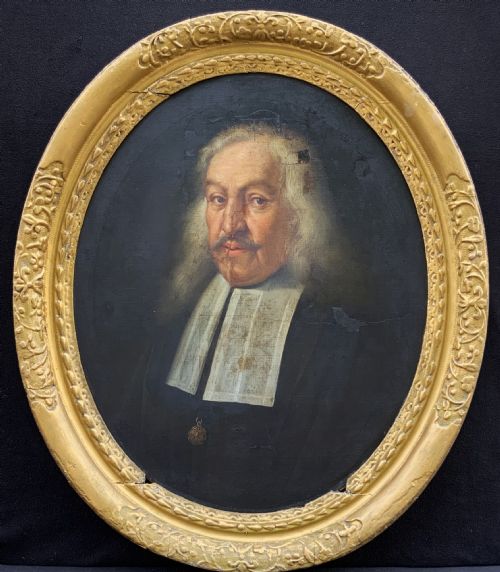
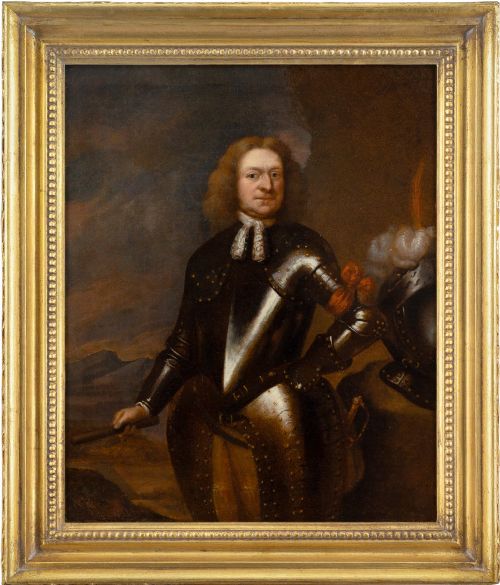
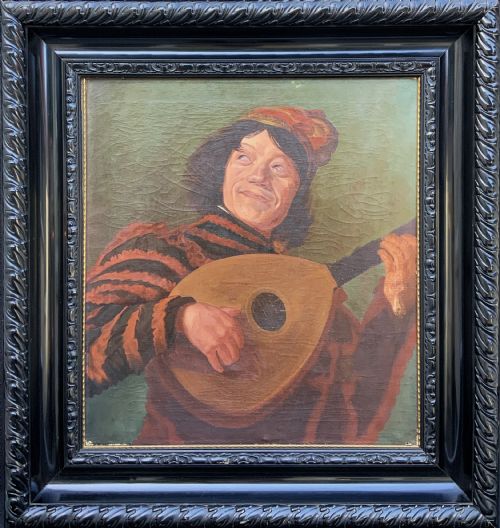
When you examine an old master style portrait, you encounter works spanning from the sixteenth century to later revivals that emulate the grand manner of European portraiture. The pieces on this page comprise oil paintings on canvas, sanguine drawings, and framed prints capturing likenesses of gentlemen in ruffs, elegant ladies, and religious figures. These range from period originals by continental schools to later nineteenth-century interpretations after canonical masters.
The subjects depicted often include nobility, children, and historical figures rendered within baroque, renaissance, and classical traditions. A buyer meets both direct studio circles from the seventeenth century and later nineteenth-century homages to painters like Van Dyck, Rubens, and Rembrandt. Each piece relies on deep shadows, restrained palettes, and formal compositions to project status and gravity.
Materials and technique
The foundational support for these works is typically coarse or fine-weave canvas stretched over wooden frames, occasionally complemented by paper supports for sanguine drawings. Painters applied oil paint in layered glazes to build luminous flesh tones and deep, shadowy backgrounds that absorb ambient light.
Surrounding many of these canvases are heavy, ornate frames fashioned from gilded wood and carved giltwood, which complete the traditional presentation. The technique prioritises chiaroscuro contrasts, where light sharply defines the contours of a face against a darkened interior.
Old Master Style Portrait Retail Price Guide 2026
Typical asking prices for old master style portrait among the pieces listed under this phrase on Sellingantiques today, from the lower quarter to the upper quarter. They describe what is for sale here now, not the wider market.
Several subjects wear stiff white ruffs so enormous their chins appear permanently rested upon embroidered dinner plates.
What varies in quality
Quality in an old master style portrait rests on the handling of light, anatomical precision in the hands and face, and the depth of the pigment layering. Superior examples display subtle tonal transitions in the skin and convincing textiles, whereas lesser works flatten form into rigid outlines without atmospheric depth.
The integrity of the canvas and the historical appropriateness of the giltwood frame also dictate the standing of a piece. Works executed by an artist's immediate circle or workshop carry greater compositional conviction than mechanical later copies.
Sir Peter Lely·Charles D’Agar·Pieter Borseler·James Maubert·Nicolaes Maes·Francesco Solimena·Hyacinthe Rigaud·Nicolas De Largillière·Jacob Huysmans
The Old Master Style Portrait Glossary
- Chiaruroscro
- The treatment of light and shade in a drawing or painting, creating dramatic contrast and three-dimensional volume. This technique defines the moody atmospheres typical of seventeenth-century canvases.
- Circle of
- A designation indicating the work was produced by an unidentified artist closely associated with a master and working in their immediate stylistic orbit. It denotes period proximity without direct attribution.
- Giltwood
- Wood that has been covered with a thin layer of gold leaf or powder, frequently carved into elaborate moulding for picture frames. These frames contribute substantially to the historic character of the artwork.
- Sanguine
- A type of red chalk used for drawing, producing warm, earthy tones common in figure studies and preliminary portraits. It allows for expressive cross-hatching and tonal subtlety.
- Doublet
- A man's short, fitted jacket worn during the Renaissance and seventeenth century, often featuring elaborate embroidery as seen in early portraiture. Its precise rendering helps date the sitter's costume.
Old Master Style Portrait: Frequently Asked Questions
How do I date an old master style portrait?
Dating relies heavily on the style of dress, hair, and ruffs worn by the sitter, combined with the weave of the canvas and the construction of the stretcher frame.
Secondary clues include the type of pigment used and the framing style, though many nineteenth-century revival pieces deliberately mimic earlier centuries.
What does 'after' mean in a title?
When a painting is listed as 'after' a specific master, it indicates the work is a later copy or a deliberate homage derived from a well-known original composition.
These pieces were frequently created by students or later artists to study technique or supply popular imagery for collectors.
How should I hang and light an oil portrait?
These works require stable indoor humidity away from direct sunlight and heat sources to prevent the canvas from sagging and the oil paint from cracking.
Position them on a wall where a focused picture light can catch the dark varnishes and illuminate the chiaroscuro contrasts without causing glare on the glass or canvas.
What is the difference between a school and a studio?
A school designation refers to a group of painters working within a specific region and period who shared common techniques and visual idioms, rather than a single workshop.
A studio denotes the actual working environment of a master artist, where assistants and pupils contributed to productions under direct supervision.