

Old Gold Band
An old gold band brings together period craftsmanship and enduring materials, offering rings set with diamonds, rubies, and sapphires from the Victorian, Edwardian, and Art Deco eras.
Old Gold Band
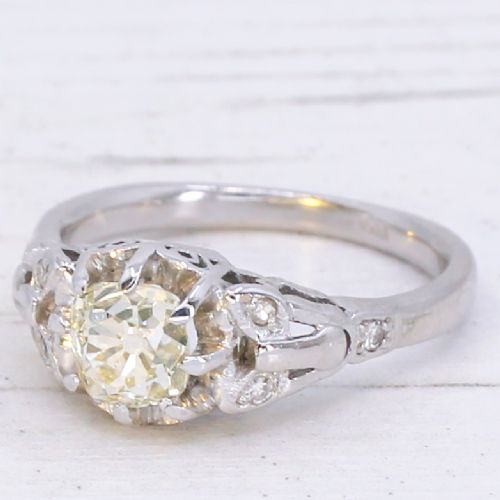
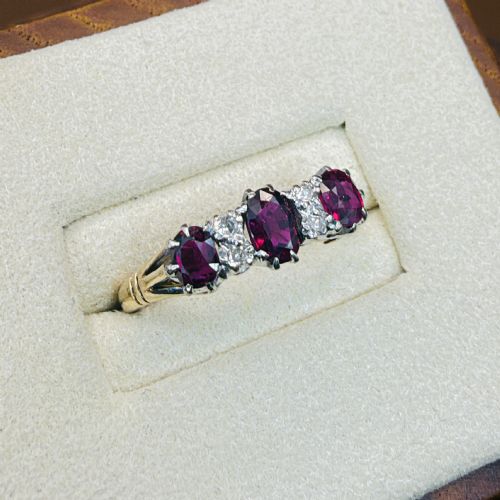
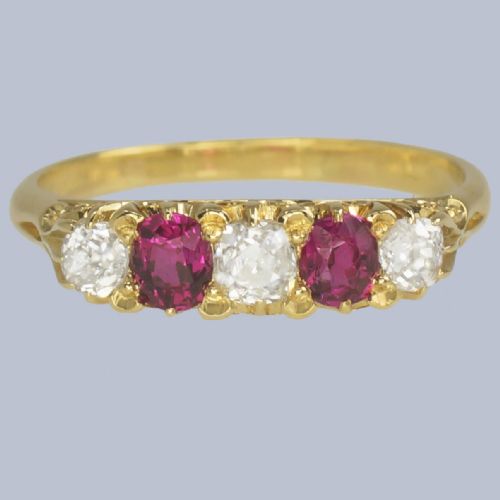
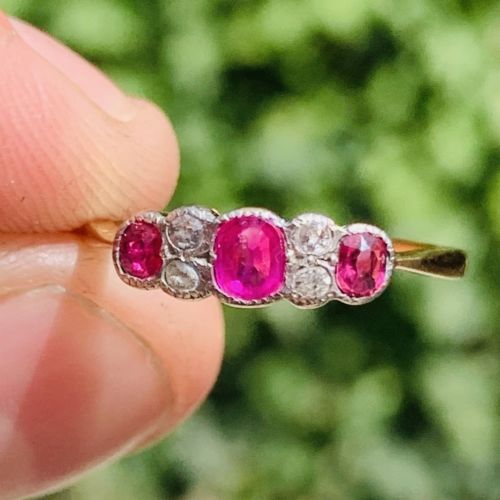
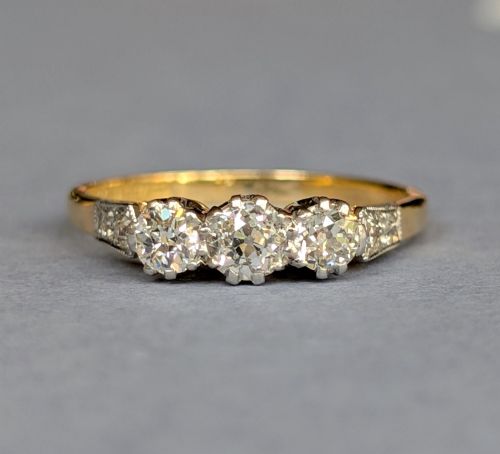
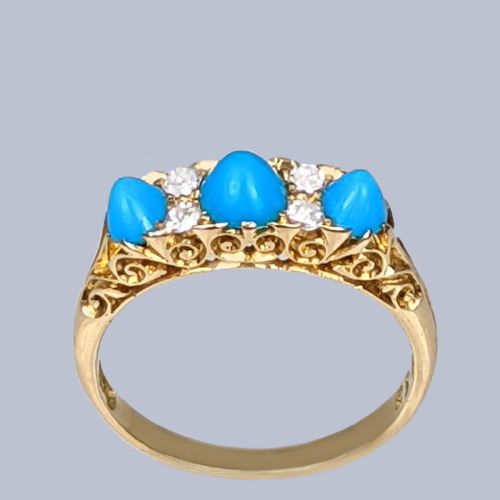
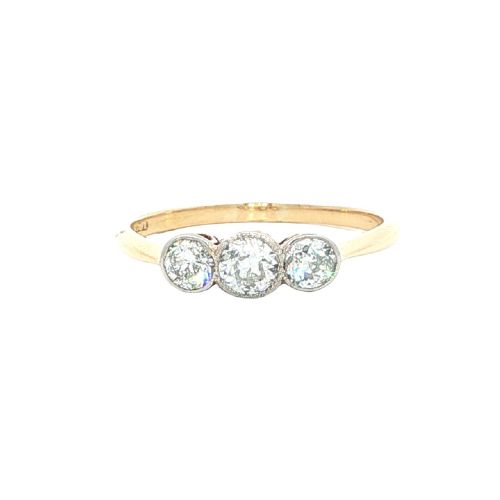
The selection on this page relies heavily on Victorian, Edwardian, and Art Deco aesthetics, alongside mid-century pieces. These rings frequently feature old cut diamonds paired with coloured gemstones like rubies, sapphires, and turquoise.
How they were made
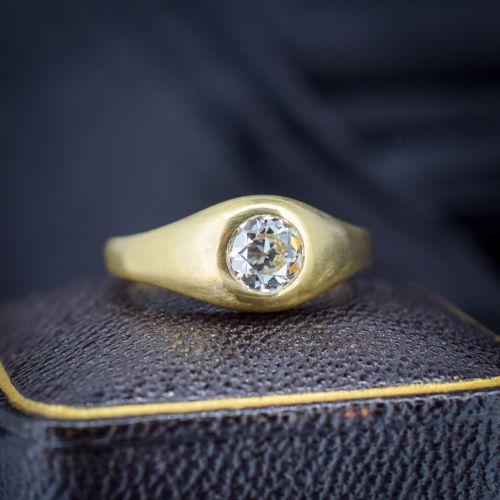
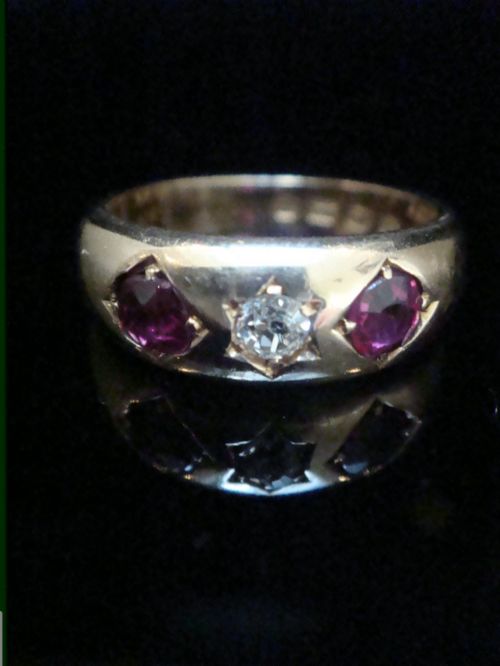
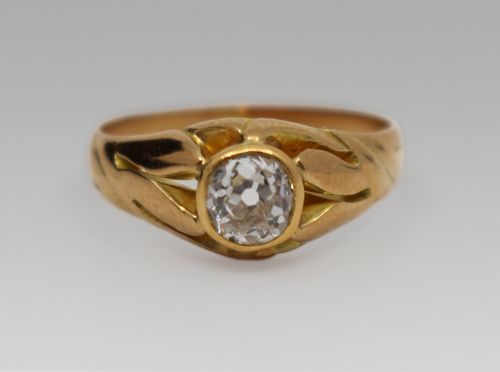
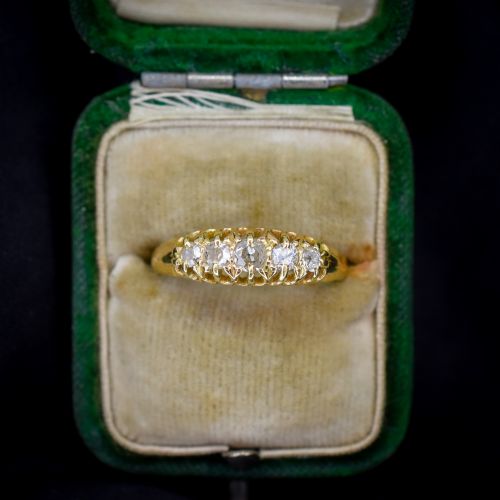
The construction of these rings relies on metals such as 18ct yellow gold, white gold, platinum, and occasional lower or higher gold carats. Workshops utilised traditional casting, hand fabrication, and flush or star gypsy settings to secure stones directly into the metal band.
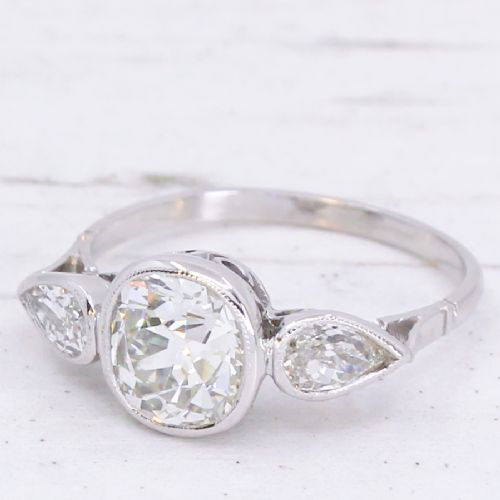
Gemstones in these pieces display hand-cut facets characteristic of the period, including old mine cuts, old European cuts, and old cushion cuts. Metalsmiths combined these stones with rubies, sapphires, and garnets using claw settings, bezel mounts, and cluster arrangements.
Old Gold Band Retail Price Guide 2026
Typical asking prices for old gold band among the pieces listed under this phrase on Sellingantiques today, from the lower quarter to the upper quarter. They describe what is for sale here now, not the wider market.
Listings span periods from the eighteenth century through the Victorian, Edwardian, Art Deco, and mid-century eras, utilising gold, platinum, diamonds, and rubies.
What varies in quality
Quality in these rings is determined by the clarity, colour, and carat weight of the central diamonds and accompanying gemstones, alongside the precision of the hand-cut facets. The integrity of the original metalwork, including the crispness of star settings and the preservation of the band's gauge, dictates the overall standard.
Pieces that retain their original hallmarks and exhibit minimal wear to the setting claws and shank represent higher manufacturing and preservation tiers. The choice between standard yellow gold and platinum or white gold combinations also reflects the design ambition of the period.
The Old Gold Band Glossary
- Old cut diamond
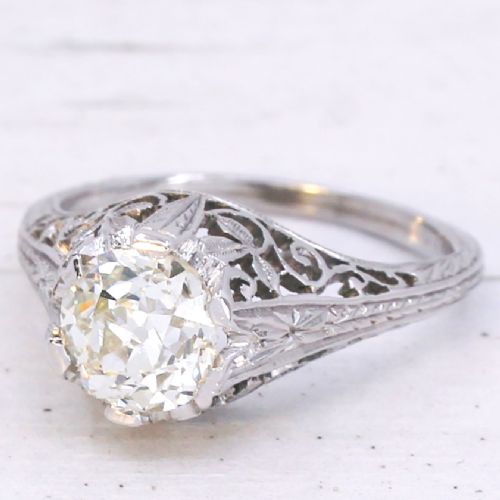
- A diamond cut by hand before modern machinery, typically featuring a smaller table and a higher crown that produce a softer candlelit sparkle. These stones are characteristic of Victorian and Edwardian jewellery.
- Gypsy ring
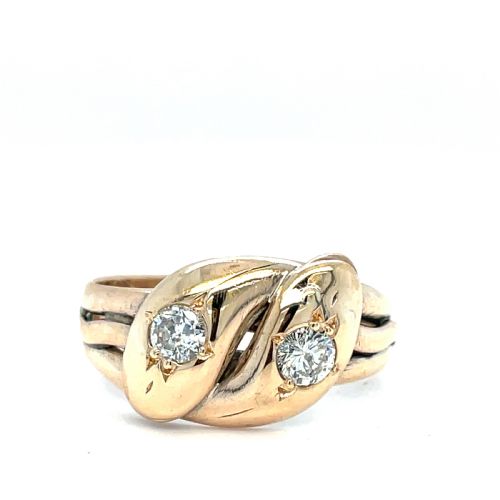
- A ring style where the gemstones are flush-set directly into the thick band of the metal, often featuring star engravings around the stones. This design gained popularity during the late Victorian and Edwardian periods.
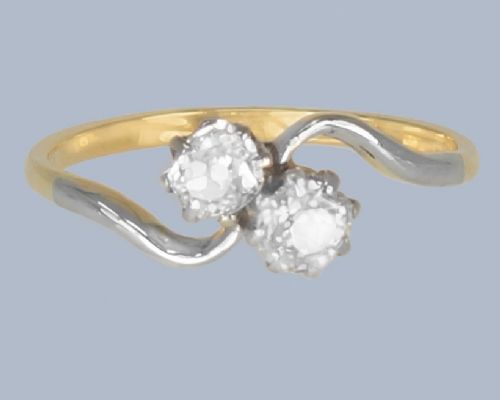
- Toi and moi ring
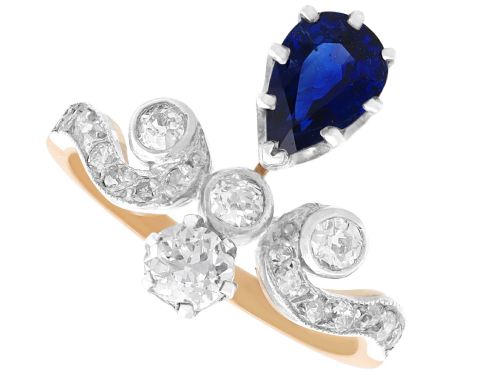
- A two-stone ring design symbolising two souls intertwined, frequently pairing a diamond with a ruby or sapphire. The name translates from French as you and me.
- Tiara ring
- A decorative ring shaped to mimic the profile of a royal tiara or coronet, often incorporating multiple gemstones and filigree metalwork. These ornate pieces frequently date from the late nineteenth and early twentieth centuries.
- Trilogy ring
- A three-stone ring representing the past, present, and future, commonly set with graduated old cut diamonds or a combination of diamonds and coloured stones. This form appears across Victorian and Edwardian inventories.
Old Gold Band: Frequently Asked Questions
How do I care for antique gold rings?
Antique gold rings require gentle cleaning with warm water, mild soap, and a soft brush to protect the older metal settings and hand-cut stones.
It is advisable to remove these rings during manual work to preserve the prongs, gypsy settings, and delicate engravings.
How can I tell a Victorian ring from an Art Deco ring?
Victorian rings often display heavier gold weights, intricate engravings, and gypsy or cluster settings featuring rubies, sapphires, and old mine cut diamonds.
Art Deco rings transition towards white gold and platinum with geometric lines, symmetrical diamond arrangements, and cleaner architectural profiles.
Were these rings worn as engagement rings originally?
Many of these pieces, including solitaire, multi-stone, and toi and moi designs, served as engagement rings in their respective periods.
Others functioned as decorative dress rings, gypsy bands, or commemorative pieces exchanged for special occasions.